

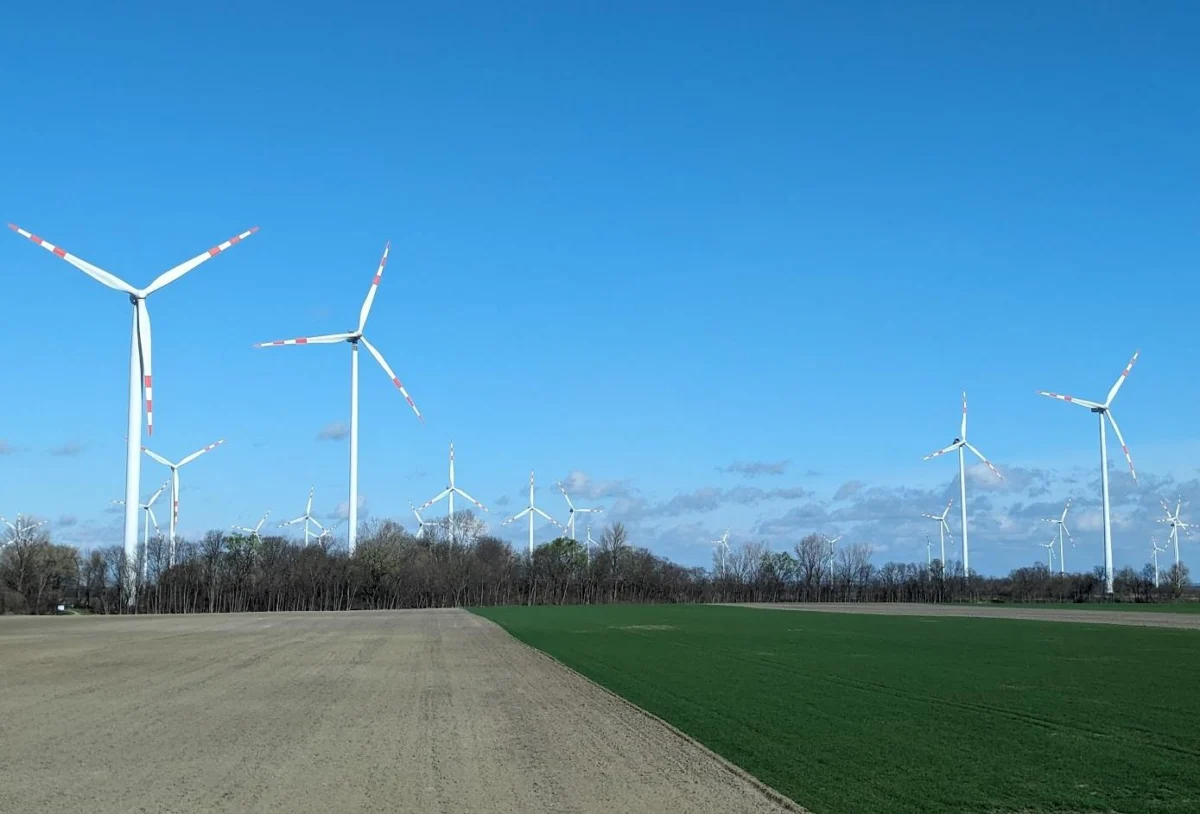
The global landscape of Environmental, Social, and Governance (ESG) criteria underwent significant shifts this week as European nations accelerated their renewable energy transitions and international regulatory bodies moved closer to harmonizing sustainability reporting standards. Central to this week’s developments was the renewed focus on Austria’s wind energy sector, which serves as a microcosm for the broader European Union effort to decouple economic growth from carbon emissions. As institutional investors recalibrate their portfolios in response to both geopolitical volatility and tightening climate disclosure mandates, the intersection of finance and sustainability has moved from the periphery to the core of corporate strategy. This week’s review examines the pivotal events shaping the ESG sector, ranging from technological breakthroughs in wind power to the complex implementation of the Corporate Sustainability Reporting Directive (CSRD).
The State of Renewable Energy: Austria’s Wind Power Push
A significant portion of this week’s environmental discourse centered on the expansion of onshore wind capacity across Central Europe, with Austria emerging as a key player in the regional transition. Austria has committed to an ambitious target of generating 100% of its electricity from renewable sources by 2030. To achieve this, the nation must significantly increase its wind power output, which currently provides a substantial portion of its clean energy mix but faces logistical and regulatory hurdles.
According to data from the Austrian Wind Energy Association (IG Windkraft), the nation has seen a steady increase in turbine efficiency, even as land-use permits become harder to secure. The strategic importance of these developments cannot be overstated; as the European Union seeks to reduce its dependence on imported fossil fuels, domestic renewable projects in landlocked countries like Austria provide essential grid stability and energy security. This week, industry analysts noted that the integration of advanced sensor technology and AI-driven predictive maintenance in Austrian wind farms has led to a 5% increase in operational uptime, signaling a maturation of the technology.
Chronology of the Week: A Global ESG Timeline
The week began with a focus on policy and concluded with a deep dive into market data, reflecting the multi-faceted nature of modern ESG integration.
Monday: Policy and Regulation
The week opened with the European Securities and Markets Authority (ESMA) releasing updated guidelines on the naming of ESG-themed funds. The new rules aim to curb "greenwashing" by requiring funds that use terms like "sustainable," "environmental," or "impact" to meet specific investment thresholds. This move is expected to trigger a wave of rebrandings or portfolio adjustments across the European asset management industry.
Tuesday: Corporate Disclosures and CSRD Implementation
On Tuesday, several Fortune 500 companies released their inaugural readiness reports for the Corporate Sustainability Reporting Directive (CSRD). The data suggests that while larger firms are prepared for the rigorous data collection requirements, mid-sized enterprises within their supply chains are struggling to quantify Scope 3 emissions—the indirect emissions that occur in a company’s value chain.
Wednesday: Sustainable Finance and Green Bonds
Mid-week saw a surge in green bond issuance. Sovereign issuers in the Eurozone tapped the markets to fund infrastructure projects, including high-speed rail and renewable energy grids. Market analysts reported that "greenium"—the premium investors pay for sustainable debt—remains resilient despite higher interest rates, particularly for issuers with transparent reporting frameworks.
Thursday: Technological Innovation in Energy
The focus shifted to the technical side of the transition. In Austria, a pilot project involving "repowering" older wind turbines—replacing aging components with larger, more efficient blades—demonstrated that energy output could be doubled without expanding the physical footprint of existing wind farms. This development is seen as a vital solution to the problem of limited available land for new energy projects.
Friday: Market Sentiment and Weekly Wrap-up
The week concluded with a review of ESG fund flows. While the U.S. market continues to see a polarized debate regarding ESG mandates, European and Asian markets showed continued net inflows into sustainable investment vehicles, driven largely by institutional mandates and the transition toward a circular economy.
Supporting Data: The Economics of the Transition
To understand the scale of the current ESG evolution, one must look at the underlying data driving these shifts. Global ESG-integrated assets are projected to exceed $40 trillion by 2030, representing more than a third of all managed assets worldwide. However, the nature of these investments is changing.
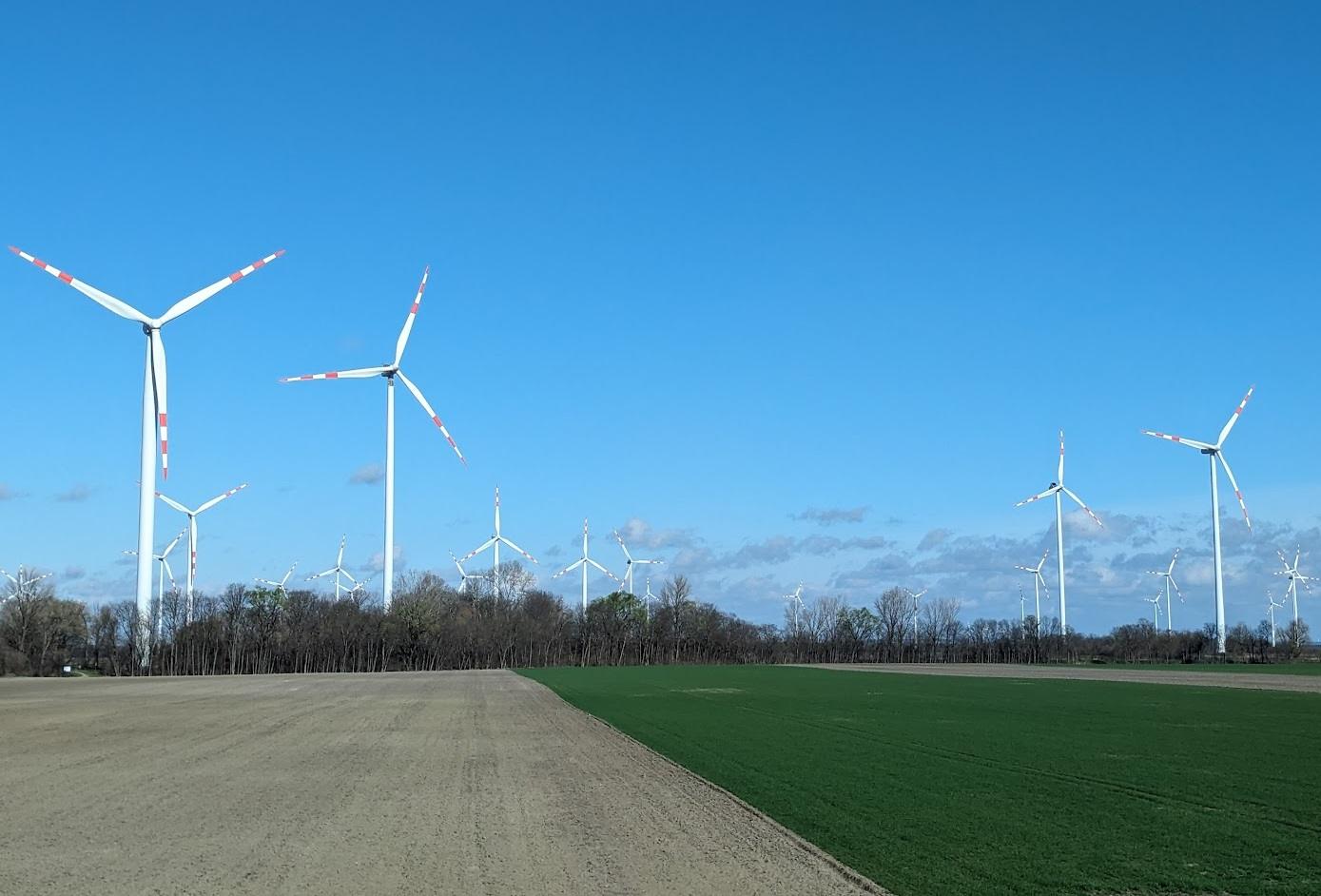
In the wind energy sector specifically, the International Energy Agency (IEA) reports that global wind capacity must grow by roughly 18% annually to stay on track for Net Zero scenarios. In Austria, the current installed capacity of approximately 3,900 MW is set to expand as new projects in Lower Austria and Styria receive environmental clearance. Economically, the cost of wind energy has plummeted by nearly 70% over the last decade, making it one of the most cost-competitive sources of new power generation, even when accounting for the costs of grid integration.
Furthermore, carbon pricing mechanisms are providing the necessary financial incentive for this transition. The EU Emissions Trading System (ETS) saw prices fluctuate between €60 and €75 per tonne this week. These price signals are critical for CFOs as they calculate the internal rate of return (IRR) for decarbonization projects.
Official Responses and Stakeholder Reactions
The reactions to this week’s developments have been varied, reflecting the diverse interests of regulators, corporate leaders, and environmental advocates.
Mairead McGuinness, the European Commissioner for Financial Services, emphasized the importance of transparency in a statement regarding the new ESMA guidelines. "Investors deserve to know that when they buy a ‘green’ fund, their money is actually being used to finance the transition to a sustainable economy," she noted. Her comments underscore the regulatory drive to protect retail investors from misleading marketing.
On the corporate side, many CEOs have expressed cautious optimism regarding the standardization of ESG metrics. The International Sustainability Standards Board (ISSB) continues to receive praise for its efforts to create a "global baseline" for climate disclosures. Industry leaders argue that having a single set of standards will reduce the "compliance fatigue" currently felt by global corporations that must navigate different rules in the U.S., EU, and China.
Environmental NGOs, however, remain vigilant. Organizations like Transport & Environment and the WWF have called for more aggressive action on biodiversity, arguing that the "E" in ESG has become too narrowly focused on carbon emissions at the expense of ecosystem health. This week, several groups petitioned the Austrian government to ensure that new wind developments do not disrupt migratory bird paths or local forest ecosystems.
Broader Impact and Long-term Implications
The events of this week suggest several long-term trends that will define the next decade of global business. First, the "de-politicization" of ESG is beginning to take root in the professional investment community. While the term "ESG" has become a lightning rod in political circles, the underlying practice of assessing environmental and social risks is becoming standard fiduciary duty. Investors are increasingly viewing climate change not as a moral issue, but as a material financial risk that must be managed.
Second, the "S" and "G" components—Social and Governance—are gaining ground. While the environmental aspect often dominates the headlines (as seen with Austria’s wind power), the social implications of the energy transition are coming to the fore. This includes the "Just Transition," which ensures that workers in the fossil fuel industry are retrained for roles in the green economy.
Finally, the integration of technology into sustainability is accelerating. From blockchain-based supply chain tracking to the use of satellite imagery for monitoring deforestation, the "Twin Transition"—the simultaneous digital and green transformation—is becoming a reality. The data collected from Austrian wind turbines this week is just one example of how digital tools are optimizing the physical infrastructure of the future.
As the week closes, the narrative remains clear: the path to a sustainable global economy is fraught with regulatory and logistical challenges, but the momentum is irreversible. For investors, corporations, and policymakers, the "Week in Review" serves as a reminder that staying informed on these shifting dynamics is no longer optional—it is a prerequisite for success in the 21st-century marketplace. The focus now turns to the upcoming UN Climate Change Conference and the next round of corporate earnings, where the financial impact of these sustainability initiatives will be laid bare for all to see.
