

The global landscape of Environmental, Social, and Governance (ESG) criteria has undergone a transformative shift over the past week, moving from voluntary disclosures toward a standardized, regulated framework that demands unprecedented transparency from corporations and institutional investors alike. As financial markets grapple with the dual pressures of climate change and shifting geopolitical alliances, the integration of sustainability metrics into core investment strategies has evolved from a niche preference to a fiduciary necessity. This transition is underscored by the emergence of stringent reporting directives in Europe, the recalibration of climate risk assessments in North America, and a burgeoning market for green hydrogen and renewable energy infrastructure across the globe.
The Shift Toward Mandatory Disclosure and Regulatory Convergence
The primary driver of the current ESG discourse remains the implementation of the Corporate Sustainability Reporting Directive (CSRD) in the European Union and the subsequent ripple effects across international markets. For years, the lack of standardized data was cited as the greatest barrier to effective ESG integration. However, the recent finalization of the European Sustainability Reporting Standards (ESRS) has provided a blueprint that is now being mirrored by the International Sustainability Standards Board (ISSB).
The objective is clear: to treat sustainability data with the same level of rigor as financial data. This week, several major multinational corporations headquartered in North America and Asia announced they are beginning to align their 2025 fiscal reporting structures with the CSRD requirements, recognizing that access to European capital markets will soon be contingent upon these disclosures. This regulatory "Brussels Effect" is compelling firms to track not only their direct carbon footprint (Scope 1 and 2) but also the complex, often opaque emissions within their entire supply chain (Scope 3).
Chronology of the ESG Evolution (2015–Present)
To understand the gravity of the current week’s developments, one must look at the timeline that brought the financial sector to this juncture. The trajectory of ESG integration has moved through three distinct phases:
- The Foundational Phase (2015–2019): Following the Paris Agreement and the launch of the UN Sustainable Development Goals (SDGs), ESG was largely a matter of "values-based" investing. Frameworks like the Task Force on Climate-related Financial Disclosures (TCFD) were introduced but remained voluntary.
- The Acceleration Phase (2020–2022): The global pandemic highlighted the "Social" aspect of ESG, focusing on supply chain resilience and employee welfare. During this period, ESG-labeled funds saw record-breaking inflows, and the SEC began signaling its intent to mandate climate risk disclosures.
- The Standardized Accountability Phase (2023–Present): This current era is defined by the move toward "Double Materiality"—the concept that companies must report both how sustainability issues affect their business and how their business affects the environment and society.
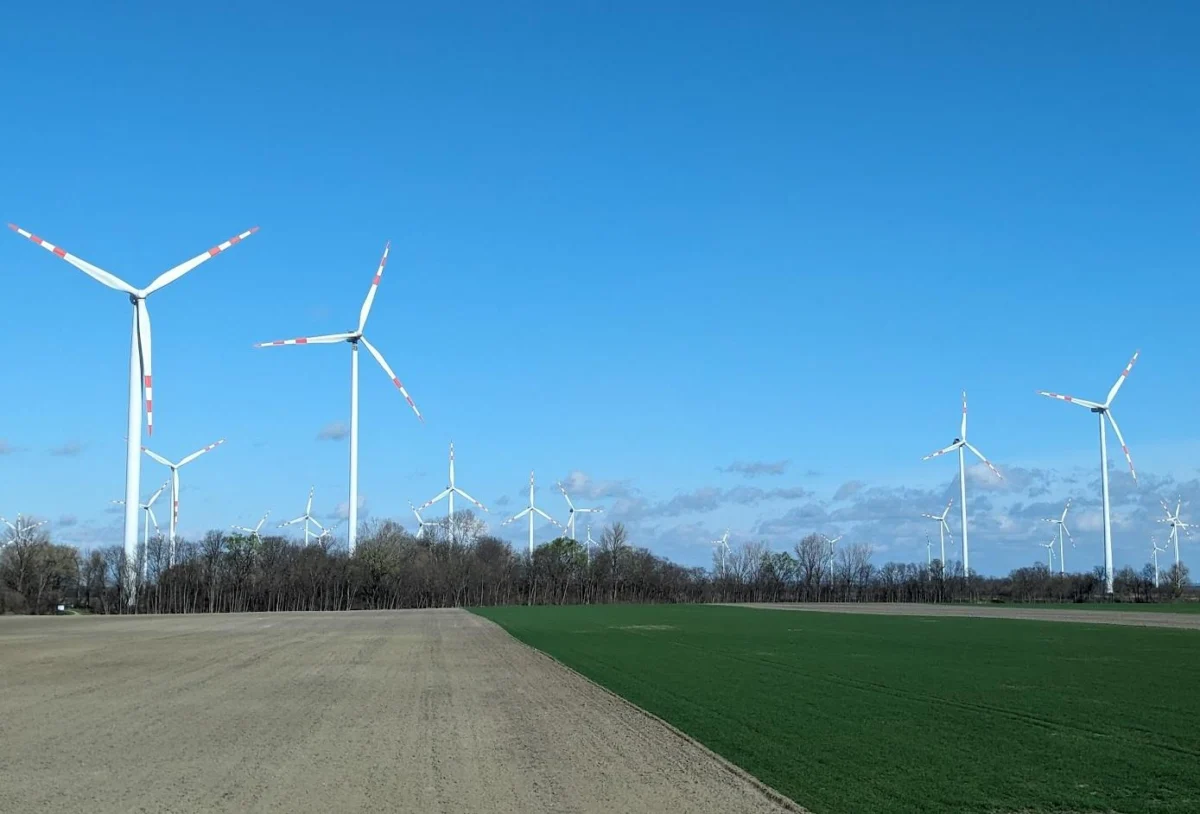
This week’s focus on Austria’s wind energy expansion serves as a microcosm of this third phase. European nations are no longer just setting targets; they are deploying capital into massive infrastructure projects to meet the REPowerEU plan, which aims to end dependence on fossil fuels well before 2030.
Supporting Data: The Economic Reality of Sustainable Finance
Data released this week by major financial research institutions highlights the scale of the transition. According to recent market analysis, global ESG-related assets under management (AUM) are projected to reach $50 trillion by 2025, representing more than a third of all managed assets globally.
Key data points from the past seven days include:
- Green Bond Issuance: Sovereign and corporate green bond issuance reached a quarterly high, with a significant portion of the capital earmarked for "hard-to-abate" sectors such as steel and cement manufacturing.
- Renewable Energy Capacity: The International Energy Agency (IEA) reported that global renewable capacity additions increased by almost 50% in the last year, the fastest growth rate in two decades.
- Carbon Pricing: Prices in the EU Emissions Trading System (ETS) have shown increased volatility as industrial players hedge against tighter caps scheduled for the 2026–2030 period.
In the United States, despite political pushback in certain jurisdictions, institutional investors continue to emphasize climate risk. A survey of institutional asset managers revealed that 82% consider climate change a "material risk" to their portfolios, regardless of the political climate, citing the rising insurance costs associated with extreme weather events as a primary financial concern.
Official Responses and Stakeholder Reactions
The reaction to the tightening ESG net has been varied. Regulators argue that transparency is the only way to prevent "greenwashing"—the practice of making misleading claims about the environmental benefits of a product or company.
European Commissioner for Financial Services, Mairead McGuinness, recently emphasized that the goal of these regulations is not to punish companies but to provide investors with a "reliable compass" for the transition to a net-zero economy. Conversely, some industry groups in the United States have voiced concerns over the cost of compliance. The SEC’s climate disclosure rule, while scaled back in its final version to exclude certain Scope 3 requirements, remains the subject of intense litigation. Industry lobbyists argue that the mandate exceeds the SEC’s authority, while environmental groups argue that without Scope 3 data, the disclosures are incomplete.
From the corporate side, CEOs are increasingly vocal about the need for "regulatory certainty." During several earnings calls this week, leaders in the automotive and energy sectors noted that while the transition is expensive, the lack of a clear, global standard for carbon accounting is even more costly, as it leads to fragmented reporting across different jurisdictions.
The Expansion of Renewable Energy: The Case of Central Europe
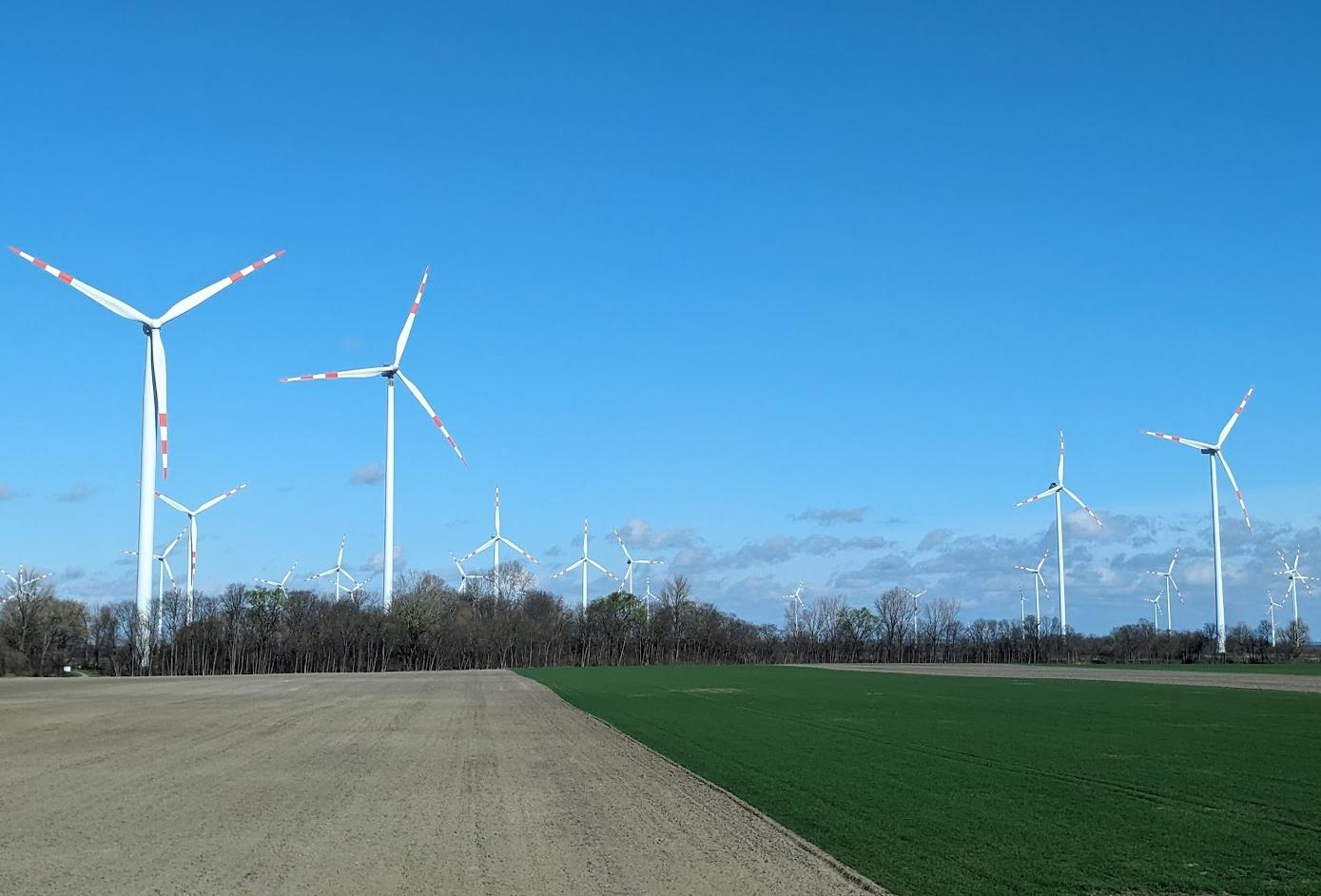
The visual of wind turbines in Austria, featured in this week’s review, represents a broader trend of decentralized energy production. Austria has emerged as a leader in the transition, with renewable energy accounting for over 75% of its domestic electricity consumption. The country’s focus on wind and hydropower serves as a strategic blueprint for landlocked nations looking to achieve energy independence.
This week, the Austrian government announced further subsidies for "repowering" older wind farms—replacing aging turbines with newer, more efficient models that can produce three times the energy with the same footprint. This move is part of a larger European trend where the focus is shifting from simply building new sites to optimizing existing infrastructure through technological innovation.
The "Social" and "Governance" Pillars Gain Momentum
While climate change often dominates the ESG headlines, the "S" and "G" pillars have seen significant activity this week. The Corporate Sustainability Due Diligence Directive (CSDDD) in the EU is forcing companies to look deeper into their supply chains for human rights violations and unethical labor practices.
In the governance sphere, the focus has shifted toward board diversity and executive compensation tied to sustainability targets. Institutional investors are increasingly voting against board members of companies that fail to demonstrate a clear path toward decarbonization or that lack diversity in leadership. This "active ownership" strategy is becoming the preferred tool for pension funds and insurance companies to drive corporate change without divesting entirely.
Broader Impact and Long-Term Implications
The implications of this week’s ESG developments extend far beyond the balance sheets of the Fortune 500. For the average consumer, the transition is manifesting in the form of "green premiums" for sustainable products and the gradual phasing out of internal combustion engine vehicles. For the global workforce, it means a "just transition" is necessary—ensuring that workers in the coal and oil industries are retrained for roles in the green economy.
The financial sector’s pivot toward ESG is also reshaping geopolitical power dynamics. As the world moves away from a petrodollar-based economy, the control over critical minerals—lithium, cobalt, and rare earth elements—becomes the new frontier of ESG governance. Ensuring that these minerals are mined ethically and sustainably is the next great challenge for the industry.
In conclusion, the current state of ESG is one of maturation. The "Wild West" era of voluntary, disparate reporting is ending, replaced by a structured system of accountability. Mark, the founder of ESG Today, noted in his recent analysis that the integration of ESG factors is no longer an "optional extra" for investment managers. His 20-year career in investment management and research has spanned the era from ESG’s infancy to its current status as a foundational element of global finance. As a CFA charterholder and former head of U.S. equities, his perspective underscores a fundamental truth: in the modern market, sustainability is synonymous with long-term resilience.
The path forward will undoubtedly involve more debate and litigation, but the momentum toward a transparent, carbon-constrained, and socially responsible global economy appears irreversible. Investors who ignore these metrics do so at their own peril, as the market increasingly equates "green" not just with environmental health, but with financial stability and future-proofed growth.
