

The final week of July 2026 has proven to be a pivotal moment for the global environmental, social, and governance (ESG) landscape, marked by a strategic recalibration of regulatory requirements in North America and a massive surge in clean energy infrastructure investment across Europe and Asia. As corporations grapple with the complexities of data collection and the rising costs of compliance, regulators are beginning to offer concessions on reporting scopes, while simultaneously, the private sector is accelerating its capital deployment into decarbonization technologies. From California’s adjustment of its landmark climate disclosure laws to the European Union’s ambitious new electrification roadmap, the week’s developments underscore a maturing ESG market that is shifting from broad promises to granular implementation and infrastructure-heavy investment.
Regulatory Recalibration: California and the EU Redefine Compliance
One of the most significant developments this week occurred in California, where state regulators announced a decision to limit initial Scope 3 supply chain emissions reporting requirements to specific key categories. This move comes after intense lobbying from a broad coalition of industries that raised concerns regarding the prohibitive costs of comprehensive data collection and the inherent unreliability of secondary emissions data from smaller suppliers. By focusing on "key categories" initially, California aims to ease the transition for the thousands of companies affected by the Climate Corporate Data Accountability Act, ensuring that the data produced is both actionable and verifiable before expanding the mandate to the entire value chain.
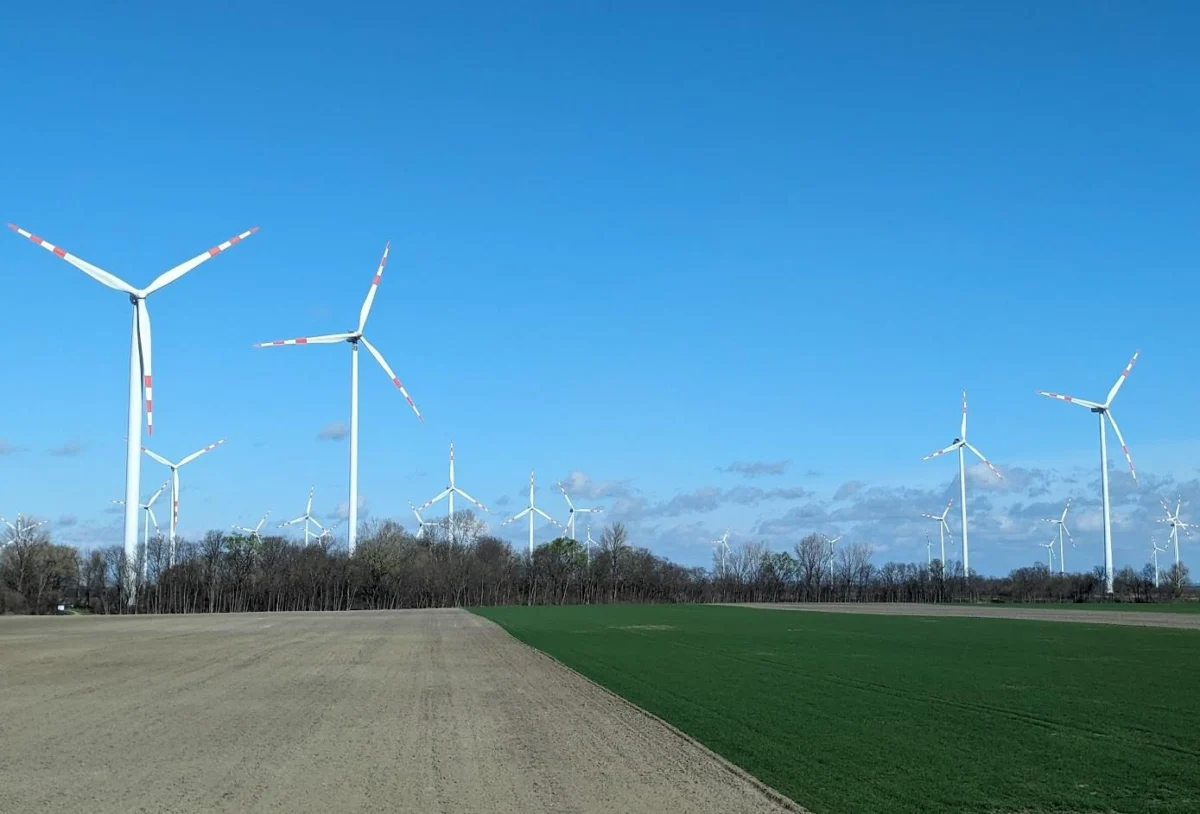
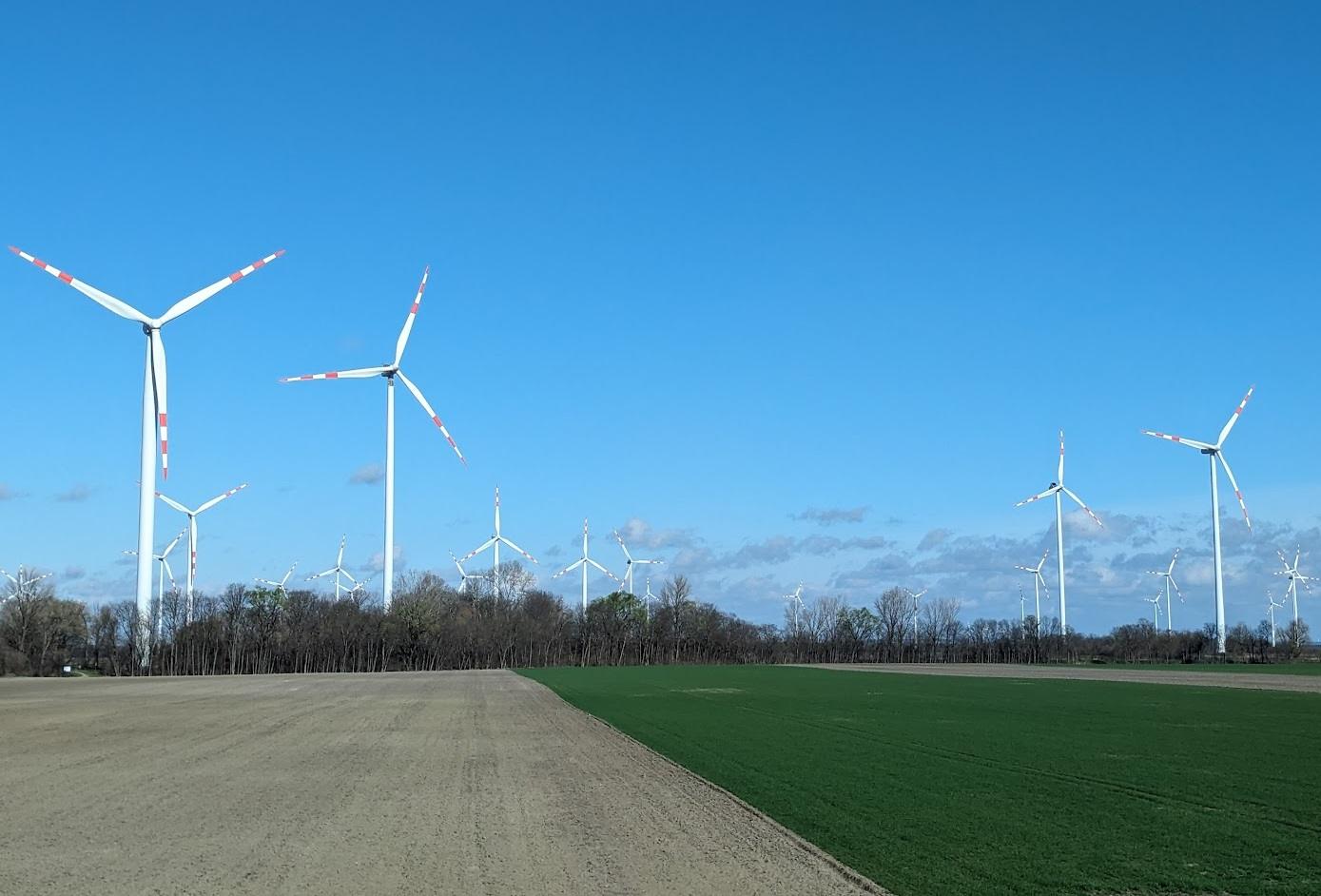
While California is streamlining its reporting focus, the European Union is doubling down on its structural transition. The EU launched a comprehensive electrification plan this week designed to slash the continent’s reliance on fossil fuels. The initiative aims to double the electrification of the European economy by 2040, moving toward a grid-centric model where renewable energy powers heating, transportation, and industrial processes. This plan is seen as a direct response to ongoing energy security concerns and the need to meet the stringent targets set by the European Green Deal.
In the Southern Hemisphere, Australia has also signaled a tightening of its regulatory grip. The government announced a crackdown on modern slavery within corporate supply chains, introducing more rigorous auditing requirements and penalties for non-compliance. This highlights a growing global trend where "Social" and "Governance" factors are receiving the same level of legislative scrutiny as "Environmental" metrics.
Corporate Transparency and the Evolution of Reporting
The reporting landscape is also seeing a shift in quality and depth. According to new data from the European Financial Reporting Advisory Group (EFRAG), approximately 69% of companies currently reporting under the Corporate Sustainability Reporting Directive (CSRD) are now disclosing detailed climate transition plans. This represents a significant jump from previous years, indicating that companies are no longer just measuring their footprints but are actively charting a path toward net-zero alignment.
Supporting this trend of increased transparency, EcoVadis, a leading provider of business sustainability ratings, announced the opening of its supply chain networking platform to all suppliers. By democratizing access to this data, EcoVadis aims to create a more interconnected ecosystem where companies of all sizes can share sustainability credentials, thereby reducing the "reporting fatigue" often cited by small and medium-sized enterprises (SMEs).
Strategic M&A and the Scaling of Clean Energy Platforms
The week was also characterized by major consolidations in the renewable energy sector, signaling that the industry is entering a phase of institutional-scale maturity. In the United States, MN8 acquired Greenbacker, creating one of the largest clean energy platforms in the country. This acquisition reflects a broader trend of consolidation where larger entities seek to achieve economies of scale to better navigate the complexities of grid interconnection and project financing.
In Europe, Iberdrola made a significant move by acquiring Finland’s largest electricity distribution company in a deal valued at €5 billion. This acquisition is a cornerstone of Iberdrola’s strategy to dominate the Northern European energy market, focusing on the infrastructure necessary to support the EU’s electrification goals. Similarly, Brookfield acquired the battery storage giant Aypa from Blackstone in a deal that values the company at $7 billion. The acquisition underscores the critical role of energy storage in stabilizing a renewable-heavy grid, with battery assets now being viewed as essential infrastructure rather than speculative technology.
Industrial Decarbonization: Aviation and Heavy Industry
The "hard-to-abate" sectors also saw significant movement this week. Airbus and Air Canada announced the launch of a new sustainable aviation fuel (SAF) investment platform. This partnership is designed to de-risk the development of SAF production facilities, which remain the primary bottleneck in the aviation industry’s path to decarbonization. By providing long-term off-take certainty and capital, the platform aims to bridge the gap between pilot projects and industrial-scale production.
In heavy industry, Rio Tinto signed a landmark deal to replace coal in its refineries with "bio-pellets." This move is part of a broader strategy to eliminate fossil fuels from high-heat industrial processes. While hydrogen often dominates the conversation around industrial decarbonization, Rio Tinto’s shift to biomass highlights the importance of diverse fuel sources in the transition of legacy manufacturing assets.
The Surge in Sustainable Finance and Private Equity
Capital continues to flow into sustainability-focused ventures, despite a complex global macroeconomic environment. Decarbonization Partners, a joint venture between BlackRock and Temasek, led an $87 million funding round for Asuene, a sustainability software provider. This investment highlights the growing demand for "Carbon-Tech"—software tools that help companies track, manage, and report their ESG performance with the same rigor as financial data.
Furthermore, Taiwan’s pension funds awarded a massive $3 billion climate transition infrastructure investment mandate to a consortium of global asset managers, including Amundi, BNP Paribas Asset Management, Geode, Northern Trust Asset Management (NTAM), and State Street. This is one of the largest mandates of its kind in the region, signaling that Asian institutional investors are increasingly prioritizing climate resilience in their long-term portfolio strategies.
Other notable financial developments this week include:
- BlackRock and Phenix: Launched a new impact investment offering designed to help professional investors build and manage impact-focused portfolios, simplifying the process of aligning capital with specific UN Sustainable Development Goals (SDGs).
- Citi Impact Fund: Committed $25 million to housing access and affordability solutions, focusing on the "S" in ESG by addressing the growing urban housing crisis.
- Transition VC: Launched a $150 million fund specifically targeting the energy transition value chain in India, reflecting the massive growth potential of the Indian renewables market.
- Pictet: Raised over $250 million for its Environmental Solutions Fund, focusing on resource efficiency and circular economy technologies.
Technology and Innovation: From Small Reactors to Low-Carbon Cement
Innovation remains at the heart of the ESG transition. Constellation Energy announced an investment in Blue Energy, a startup developing small modular reactors (SMRs). SMRs are increasingly viewed as a vital component of the future energy mix, providing carbon-free baseload power that can complement the intermittency of wind and solar.
In the built environment, NeoCem raised $19 million to scale its low-carbon cement technology. Given that cement production is responsible for approximately 8% of global CO2 emissions, the scaling of alternative binders and low-carbon manufacturing processes is essential for the construction industry to meet its climate targets. Additionally, Hyperion Robotics raised $7.4 million to advance its 3D-printing technology for infrastructure, which reduces material waste and lowers the carbon footprint of large-scale construction projects.

Chronology of Key Events: July 20-26, 2026
- July 20: EU Commission unveils the 2040 Electrification Roadmap, targeting a 50% reduction in fossil fuel reliance for industrial heating.
- July 21: California’s Air Resources Board (CARB) issues the revised Scope 3 guidance, introducing the "key category" limitation for the 2027 reporting cycle.
- July 22: MN8 and Greenbacker finalize merger terms, creating a clean energy powerhouse with over 15GW of operational capacity.
- July 23: Airbus and Air Canada sign the SAF Investment Platform memorandum, committing initial capital to three North American bio-refineries.
- July 24: BlackRock and Temasek announce the closing of the Asuene funding round, marking a significant win for the Japanese climate-tech sector.
- July 25: Taiwan’s Bureau of Labor Funds (BLF) announces the winners of the $3 billion climate mandate, emphasizing transition-ready infrastructure.
- July 26: EFRAG releases its annual CSRD progress report, highlighting the 69% adoption rate of climate transition plans among large European firms.
Analysis: The Shift from Ambition to Execution
The events of this past week signal a fundamental shift in the ESG narrative. The era of "setting targets" is being replaced by the era of "executing transitions." California’s decision to limit Scope 3 reporting is not a retreat from climate goals, but rather a pragmatic adjustment to ensure that the data collected is of high enough quality to drive investment decisions. It acknowledges that for many companies, the "data gap" in the supply chain is a hurdle that requires time and technological assistance to overcome.
The massive M&A activity, particularly the multi-billion dollar deals involving Iberdrola, MN8, and Brookfield, suggests that the "green premium" is being replaced by "green scale." Investors are no longer looking for niche green projects; they are building massive, integrated platforms capable of providing the energy and infrastructure needed for an electrified global economy.
Furthermore, the rise of "Carbon-Tech" and the successful funding rounds for companies like Asuene and Secaro indicate that the infrastructure of ESG itself—the software and data tools—is becoming a major asset class. As reporting becomes more standardized and mandatory, the tools that enable this reporting are becoming indispensable.
The week also highlighted the geopolitical dimensions of the energy transition. The EU’s electrification plan is as much about energy sovereignty as it is about climate change. By doubling down on electricity, Europe is seeking to insulate itself from the volatility of global oil and gas markets. Similarly, India’s burgeoning transition fund shows that the global south is increasingly taking the lead in creating regional solutions for the energy transition, moving away from a reliance on western-centric funding models.
Conclusion and Future Outlook
As the week concludes, the message for corporate leaders and investors is clear: the transition is accelerating, but it is also becoming more complex and capital-intensive. The move toward electrification, the consolidation of clean energy assets, and the refinement of reporting standards all point toward a more mature, data-driven ESG market.
In the coming months, the industry will be watching closely to see how other jurisdictions respond to California’s reporting amendments and whether the EU’s electrification targets will lead to a surge in grid infrastructure investment. For now, the focus remains on building the physical and digital infrastructure necessary to turn net-zero commitments into a reality. The path forward is no longer just about carbon; it is about constraints, growth, and the strategic deployment of capital into the foundations of the 21st-century economy.
