

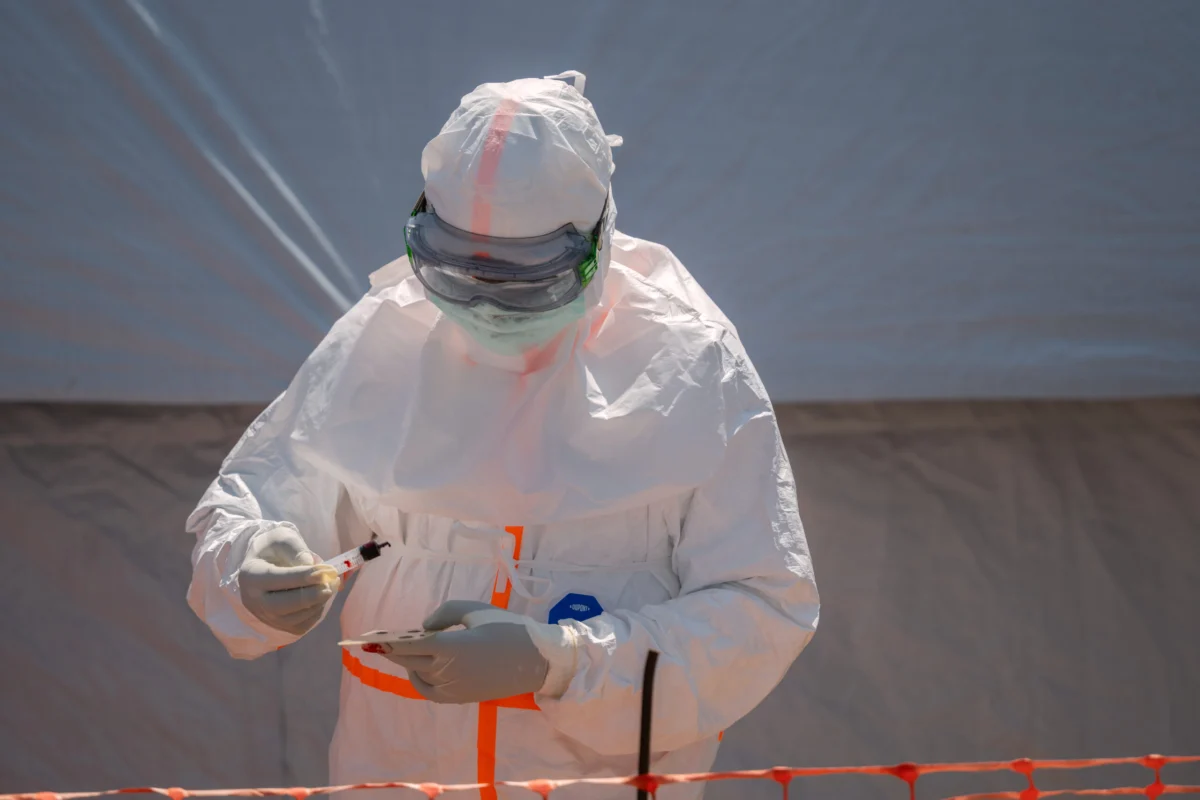
The Democratic Republic of Congo (DRC) is grappling with an escalating Ebola epidemic, with the death toll now exceeding 1,700. The latest government figures report 1,707 fatalities out of 3,802 recorded cases since the outbreak was officially declared on May 15. This makes the current crisis the second-largest Ebola outbreak on record and the fastest-growing, posing immense challenges to public health officials and humanitarian organizations operating in the volatile eastern provinces. The World Health Organization (WHO) has noted a significant acceleration in trials for experimental treatments, preventive medicines, and vaccines, offering a glimmer of hope amidst the crisis, despite the unique difficulties presented by the rare Bundibugyo strain of the virus.
Understanding Ebola and its History in DRC
Ebola Virus Disease (EVD) is a severe, often fatal illness in humans. The virus is transmitted to people from wild animals (such as fruit bats, chimpanzees, and forest antelope) and then spreads in the human population through direct contact with the blood, secretions, organs, or other bodily fluids of infected people, and with surfaces and materials (e.g., bedding, clothing) contaminated with these fluids. Symptoms typically include fever, severe headache, muscle pain, weakness, fatigue, diarrhea, vomiting, abdominal pain, and unexplained hemorrhage (bleeding or bruising). The fatality rate for Ebola can be high, often ranging from 25% to 90%, depending on the specific strain and the quality of care.
The Democratic Republic of Congo, formerly Zaire, has an unfortunate and long history with Ebola. The virus was first identified in 1976 near the Ebola River in what was then Zaire, giving the disease its name. Since then, the DRC has experienced numerous outbreaks, making its health authorities and international partners relatively experienced in managing the disease. However, the current outbreak presents a unique set of challenges. Unlike previous outbreaks that predominantly involved the Zaire strain, for which experimental vaccines (like rVSV-ZEBOV) and treatments have shown promise, the current epidemic is caused by the Bundibugyo strain. This particular variant lacks approved vaccines or specific treatments, necessitating a rapid acceleration of research and development efforts. The rarity of the Bundibugyo strain means less pre-existing data and fewer readily available countermeasures, placing a greater burden on real-time clinical trials.
The persistent instability and conflict in eastern DRC further exacerbate the situation. For decades, the region has been plagued by the presence of numerous armed groups, vying for control over territory and resources. This chronic insecurity has led to widespread displacement, a breakdown of social services, and deep-seated mistrust in authorities, all of which critically undermine efforts to contain infectious diseases like Ebola. The confluence of a virulent pathogen, a fragile health system, and an active conflict zone creates a perfect storm, making this one of the most complex public health emergencies in recent history.
A Rapidly Escalating Crisis: A Timeline of the Current Outbreak
The current Ebola outbreak in the DRC began in May, though the exact initial patient zero and transmission route remain under investigation. The official declaration of the outbreak on May 15 marked the beginning of a concerted, albeit challenging, international and national response.
- Mid-May: The outbreak is officially declared, initially centered in a few health zones. Early challenges include identifying and isolating cases and beginning contact tracing in remote, often insecure areas.
- Late May – June: Cases begin to spread more rapidly, particularly within the eastern province of Ituri. The logistical difficulties of reaching affected communities and the initial hesitancy of some local populations to accept intervention efforts hinder rapid containment.
- July: The outbreak gains significant momentum, with the daily average of new cases increasing. Reports of attacks on health workers and facilities become more frequent, highlighting the grave security risks faced by those on the front lines. The death toll steadily climbs, quickly surpassing previous outbreaks in terms of speed.
- August: The epidemic solidifies its status as the second-largest in history. International organizations, including the WHO and Africa Centres for Disease Control and Prevention (Africa CDC), intensify their presence and support. Discussions around experimental treatments and vaccines for the Bundibugyo strain become more urgent.
- September: The number of reported cases and deaths continues its upward trajectory. The geographical spread expands to five other provinces beyond Ituri, including the significant urban center of Kisangani, raising concerns about potential wider dissemination. International leaders, including WHO Director-General Tedros Adhanom Ghebreyesus and Africa CDC Director-General Jean Kaseya, make high-profile visits to the region to assess the situation and bolster response efforts.
- Mid-June (Neighboring Uganda): Uganda, which had previously recorded cases linked to cross-border transmission from the DRC, declares itself Ebola-free after its last patient was discharged from the hospital and a 42-day surveillance period without new cases was completed. This serves as a testament to effective rapid response, but also underscores the persistent regional threat posed by the DRC outbreak.
- Present: The outbreak continues its relentless march, with the current figures of 1,707 deaths and 3,802 cases representing a dynamic and ever-increasing challenge. More than 17,000 contacts are being actively monitored, with approximately 80 percent successfully followed up each day, a crucial but resource-intensive undertaking.
The Numbers Behind the Epidemic
The statistics paint a grim picture of the unfolding crisis. With 1,707 fatalities out of 3,802 confirmed and probable cases, the current crude case fatality rate stands at approximately 44.9%. This figure, while lower than some historical outbreaks, still represents a significant threat, especially given the difficulties in accessing care and the severity of the disease.
Geographically, the outbreak remains heavily concentrated in the eastern province of Ituri, which accounts for nearly 90 percent of all reported cases. Key hotspots within Ituri include Bunia and Mongbwalu, where the virus has found fertile ground amidst displacement camps and densely populated areas. However, the virus’s reach has extended beyond Ituri, with confirmed infections reported in five other provinces. The detection of cases in Kisangani, a major city with significant population density and transport links, is particularly alarming, as it increases the risk of wider, more difficult-to-trace transmission chains.
The human cost extends beyond direct infections. Over 100 healthcare workers have been infected since the outbreak began, highlighting the immense risks faced by frontline medical personnel. These individuals, often working in challenging and dangerous environments, are crucial to the response, and their infection not only represents a tragic personal toll but also depletes an already strained workforce. Each infected healthcare worker can also become a source of further transmission if not quickly identified and isolated, underscoring the critical need for robust infection prevention and control measures.
Comparing the current outbreak to previous ones reveals its unprecedented speed. During the devastating 2014-2016 West Africa Ebola epidemic, which ultimately infected approximately 28,000 people and claimed more than 11,000 lives, it took roughly eight months for the death toll to reach 1,000. In contrast, the current DRC outbreak has surpassed this grim milestone in a significantly shorter timeframe, demonstrating the unique confluence of factors accelerating its spread, including ongoing conflict and community resistance. This rapid escalation necessitates an equally swift and adaptable response, requiring continuous innovation and resource mobilization.
Global and Local Responses: A Race Against Time
The international community, led by the World Health Organization, has mounted a substantial response, albeit one fraught with challenges. WHO Director-General Tedros Adhanom Ghebreyesus’s visit to Kinshasa and subsequent travel to Bunia, near the epicenter of the outbreak, underscores the high-level attention and commitment to addressing the crisis. Such visits are crucial for galvanizing political will, coordinating international aid, and demonstrating solidarity with affected communities and health workers.
A critical aspect of the current response involves the acceleration of research into experimental treatments and vaccines. Vasee Moorthy, acting head of the WHO’s R&D Blueprint program, confirmed that years of advance planning have enabled researchers to initiate clinical trials much sooner than in previous outbreaks. "If you compare this outbreak to previous Ebola outbreaks, we have been able to start trials more quickly," Moorthy stated, noting that "the preclinical data that we’re seeing is promising." The R&D Blueprint is a global strategy and preparedness plan that aims to shorten the time between an outbreak and the availability of effective tests, vaccines, and medicines. While these advancements are encouraging, Moorthy cautioned that only rigorous clinical trials will definitively determine the efficacy and safety of these experimental medicines and vaccines. The challenge is immense, as conducting clinical trials in an active conflict zone with transient populations and deep-seated mistrust adds layers of complexity.
The Africa Centres for Disease Control and Prevention (Africa CDC) has also been a key partner in the response. Director-General Jean Kaseya, who was in Bunia for his second visit, expressed concern about the outbreak’s trajectory, noting that it remained unclear when the peak would be reached. Africa CDC plays a vital role in coordinating public health responses across the continent, providing technical expertise, logistical support, and helping to build local capacities. Their presence is particularly important in fostering a regional approach to containing the virus and preventing cross-border spread.
Despite these concerted efforts, the response faces significant impediments. Delays in contact tracing, a cornerstone of outbreak control, continue to hinder containment. Identifying and monitoring all individuals who have come into contact with an Ebola patient is crucial for breaking transmission chains. However, insecurity, community resistance, and logistical hurdles often impede these efforts. Moreover, the response is battling a significant funding shortfall. Aid cuts and competing global priorities have left the critical public health infrastructure and emergency operations under-resourced, forcing difficult decisions about resource allocation and potentially compromising the reach and effectiveness of interventions.
Compounding Crises: Challenges Beyond the Virus
The Ebola outbreak in the DRC is not merely a health crisis; it is a complex humanitarian emergency exacerbated by deep-seated political, social, and security challenges. The pervasive violence caused by armed groups, including the Allied Democratic Forces (ADF) and various Mai-Mai militias, is perhaps the single greatest impediment to containing the virus. These groups routinely target health facilities and personnel, perceiving them as extensions of a government they oppose or as foreign entities interfering in local affairs. Attacks on treatment centers, ambushes on contact tracing teams, and intimidation of community health workers force temporary suspensions of vital operations, allowing the virus to spread unchecked in affected areas. Health officials have reported over 300 attacks on health facilities and workers since the start of the outbreak, leading to injuries and even deaths among those striving to save lives.
Beyond direct violence, widespread mistrust of health authorities and international aid organizations complicates every aspect of the response. This mistrust stems from a variety of factors: historical grievances against the government, skepticism towards foreign interventions, cultural beliefs surrounding illness and death, and misinformation campaigns spread by various actors. Community members sometimes hide sick relatives or refuse safe burial practices, fearing isolation, stigmatization, or the perceived confiscation of their loved ones’ bodies. This resistance severely undermines efforts to implement crucial public health measures like contact tracing, safe burials, and public health education. Effective community engagement, built on trust and respect for local customs, is therefore paramount, yet incredibly difficult to achieve in such a volatile environment.
The growing pressure on the health system has also spurred unrest among front-line workers. In hard-hit towns like Mongbwalu, healthcare workers have threatened to escalate industrial action if overdue wages are not paid promptly. Similar strikes over unpaid salaries and dangerous working conditions have occurred in Bunia. These grievances highlight the immense personal sacrifice and professional strain placed on healthcare providers. Operating in high-risk environments, often with inadequate resources and facing threats of violence, these workers are essential to the response. Failure to address their legitimate concerns about safety, compensation, and working conditions not only undermines morale but also risks further disrupting critical health services, potentially leading to an exodus of vital personnel.
The implications of this prolonged outbreak extend beyond the DRC’s borders. While neighboring Uganda successfully contained its brief cluster of cases, the porous borders in the region mean that the risk of cross-border transmission remains constant. The movement of people, whether for trade, displacement, or family ties, creates pathways for the virus to spread to countries with less robust health infrastructures, potentially triggering a wider regional crisis. The economic impact is also significant, disrupting local markets, hindering agricultural activities, and diverting resources from other essential development initiatives.
A Perilous Path Forward
The Ebola outbreak in the Democratic Republic of Congo represents a multi-faceted crisis demanding a comprehensive and sustained response. The rapid spread of the Bundibugyo strain, the high death toll, and the unprecedented challenges posed by ongoing conflict and community mistrust create a perilous path forward. While advancements in experimental treatments and vaccines offer a ray of hope, their successful deployment and evaluation are contingent upon improving security and building trust within affected communities.
Containing this epidemic requires more than just medical intervention; it necessitates a coordinated effort to address the underlying drivers of vulnerability, including political instability, poverty, and weak governance. Sustained international funding, unwavering political will from the DRC government, enhanced security for health workers, and culturally sensitive community engagement strategies are all critical components for turning the tide against this devastating disease. Without a holistic approach that tackles both the virus and the complex humanitarian context in which it thrives, the people of eastern DRC will continue to bear the brunt of this escalating crisis, with far-reaching implications for regional stability and global health security.
