

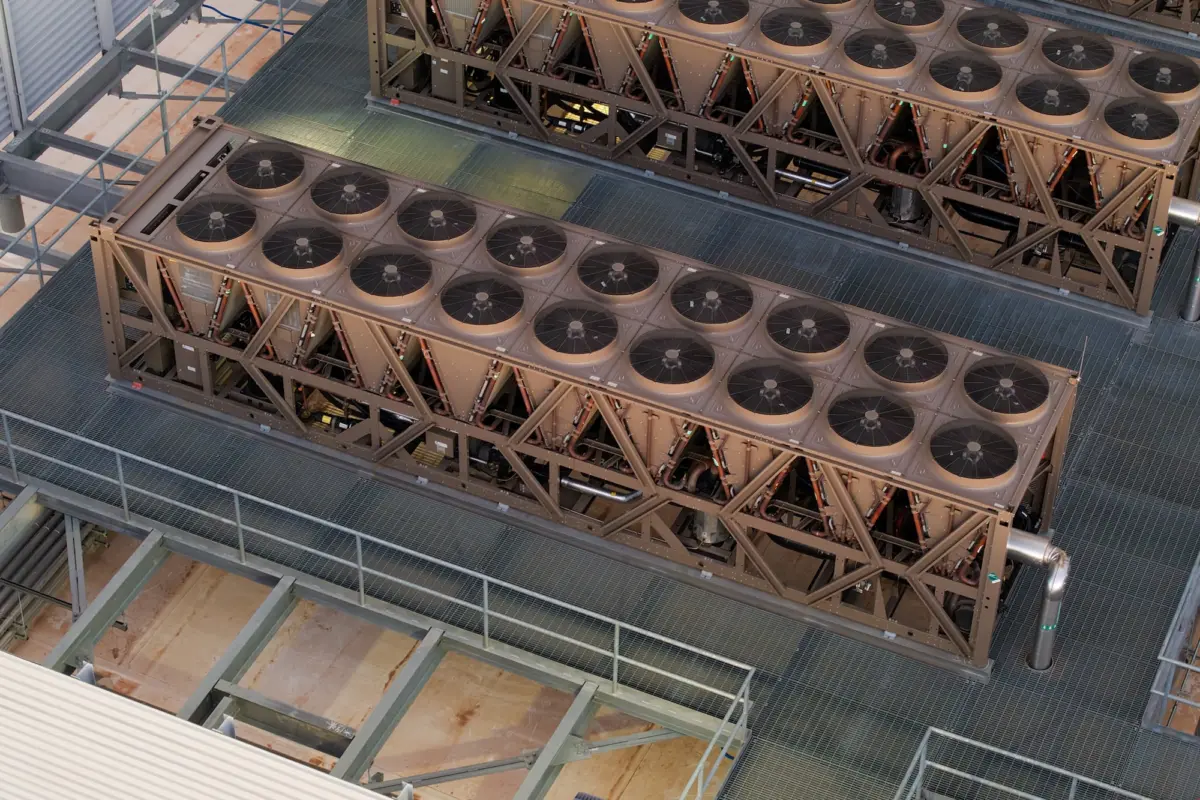
The rapid expansion of the digital economy, fueled by the explosive growth of generative artificial intelligence and cloud computing, has triggered an unprecedented construction boom in data centers across the United States. However, this infrastructure surge is increasingly colliding with the environmental realities of urban living, particularly in "sun belt" metropolises like Phoenix, Arizona. As cities grapple with record-breaking temperatures, new research from Arizona State University (ASU) reveals that these massive technological hubs are not merely passive consumers of electricity but active contributors to the urban heat island effect, potentially raising temperatures in surrounding neighborhoods by as much as 4 degrees Fahrenheit. This emerging "thermal hazard" is forcing a radical rethink of urban zoning, public health policy, and the economic trade-offs cities are willing to make to host the backbone of the internet.
The Rise of the Hyperscale Era and the Policy Vacuum
For decades, data centers were relatively inconspicuous elements of the urban fabric. Often housed in converted warehouses or modest industrial parks, these facilities functioned as digital filing cabinets, requiring manageable amounts of power and cooling. Local governments typically classified them under "light industrial" zoning, treating them no differently than a distribution center or a small manufacturing plant.
The landscape shifted dramatically with the advent of "hyperscale" facilities. Defined by their massive scale and ability to house tens of thousands of servers, these modern data centers are designed to support the intense computational requirements of AI and big data analytics. A single hyperscale facility can consume as much electricity as a small city, placing immense strain on local power grids and water supplies. Despite this leap in scale, regulatory frameworks remained stagnant. A 2026 report from the Bipartisan Policy Center warned that the pace of development has far outstripped the ability of utility planning, local approval processes, and community engagement practices to adapt. This policy vacuum has allowed developers to break ground on massive projects before municipalities can fully assess the long-term impacts on public welfare and environmental stability.
Phoenix: A Case Study in Heat and Regulatory Conflict
Phoenix, Arizona, currently holds the title of the hottest major city in the United States. It is also one of the nation’s most concentrated hubs for data center development. The intersection of these two facts has created a localized crisis. According to the U.S. Data Center Map tracker, the Phoenix metro area currently hosts over 100 operational data centers, with nine more under construction and 36 in the planning stages.
The attraction for developers was historically bolstered by aggressive state-level tax incentives. However, as the environmental costs became clearer, Arizona policymakers enacted a three-year moratorium on these incentives starting in July 2025. This legislative move triggered a "gold rush" of applications; in the single month between the signing of the budget and the moratorium’s effective date, state officials received 113 applications for tax breaks—nearly equaling the total number of applications received in the previous 13 years combined.
In 2025, the Phoenix City Council attempted to bridge the policy gap by adopting new zoning definitions and design standards. These rules require developers to obtain special permits and adhere to strict noise and performance limits. However, the city immediately ran into a legal wall: Arizona’s Proposition 207. This 2006 law allows landowners to sue for "diminution of value" if new zoning regulations harm their property’s worth. Consequently, 11 developers and landowners demanded a combined $753 million in compensation from the city. To avoid insolvency, Phoenix has been forced to negotiate waivers, effectively allowing several projects to bypass the very rules designed to protect the public.
The ASU Research: Quantifying the Thermal Footprint
While the energy and water consumption of data centers are well-documented, their direct contribution to local air temperature remained largely anecdotal until recently. Researchers at ASU’s School of Geographical Sciences and Urban Planning, led by Director David Sailor, conducted a landmark study using ground-level air temperature sensors to measure the "waste heat" emitted by hyperscale facilities.

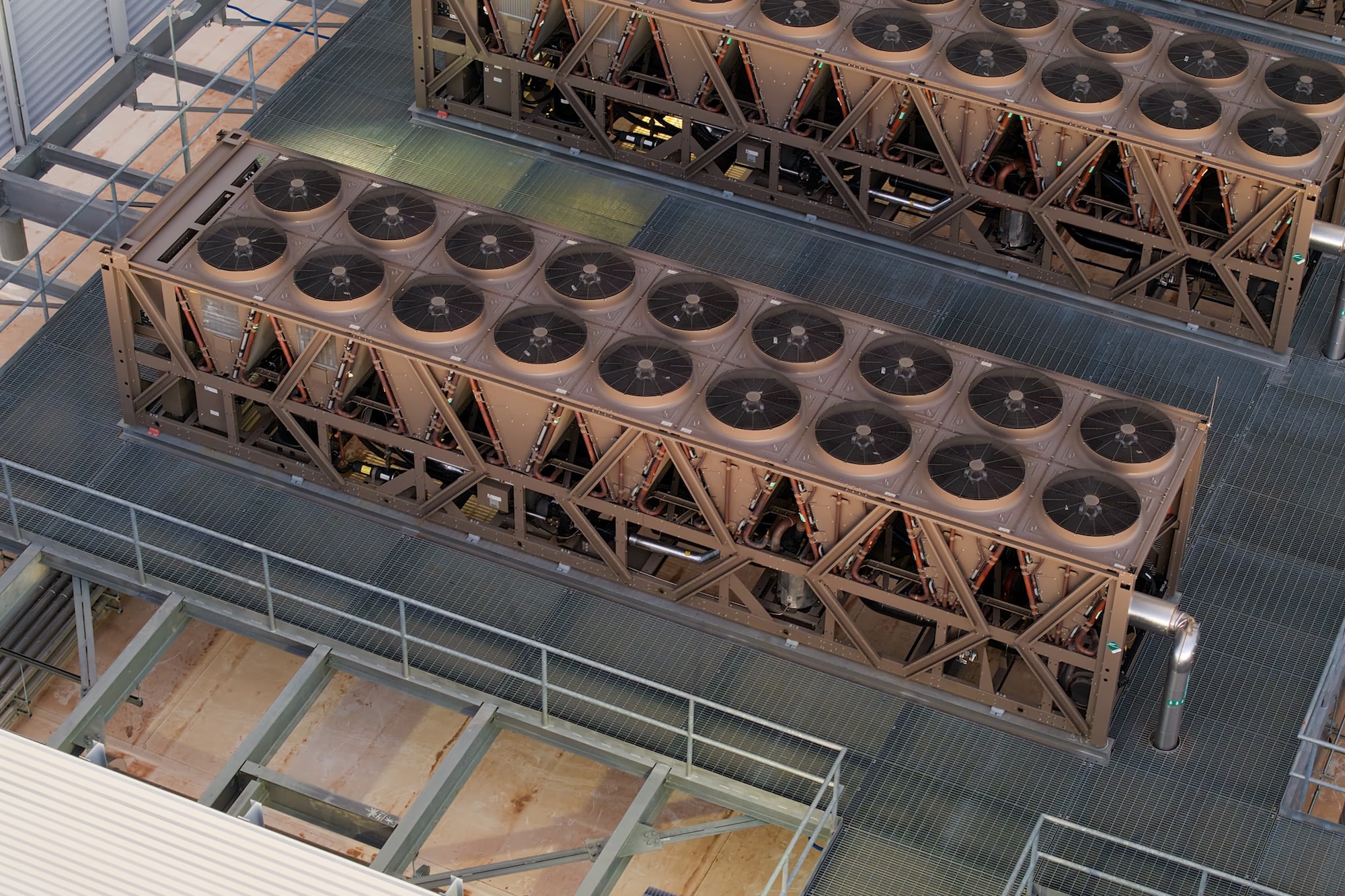
The study focused on four data centers in the Phoenix metro area that utilize air-based cooling systems. Unlike previous studies that relied on satellite thermal imaging—which measures surface temperature—ASU’s research measured the actual air temperature experienced by residents. The findings were startling: waste heat from a single large data center can raise the temperature of the surrounding neighborhood by up to 4 degrees Fahrenheit. This heat is not stationary; it travels downwind, creating a "heat plume" that can extend up to five city blocks.
The magnitude of this waste heat is equivalent to the thermal output of 40,000 or more households. In a city like Phoenix, where the urban heat island effect already makes the city 10 to 14 degrees hotter than surrounding rural areas, an additional 4-degree spike represents a significant public health risk. High temperatures exacerbate respiratory conditions, increase the risk of heatstroke, and drive up cooling costs for low-income residents living in the shadow of these facilities.
Regulatory Arbitrage and the "Peoria Shift"
The friction in Phoenix has led to a phenomenon known as regulatory arbitrage, where developers move projects to adjacent jurisdictions with more lenient rules. When Aligned Data Centers faced the new Phoenix zoning ordinances, the firm abandoned a planned project within the city limits and instead filed plans in the nearby city of Peoria.
Peoria’s Legacy Point industrial zone currently allows large-scale water users and warehouses without the specific restrictions Phoenix recently implemented. While Peoria officials are now scrambling to update their own zoning rules—considering larger setbacks and landscape buffers—these changes often cannot be applied retroactively to projects already in the pipeline. This patchwork of regulations across a single metropolitan area highlights the need for regional, rather than just municipal, coordination.
A National Wave of Resistance
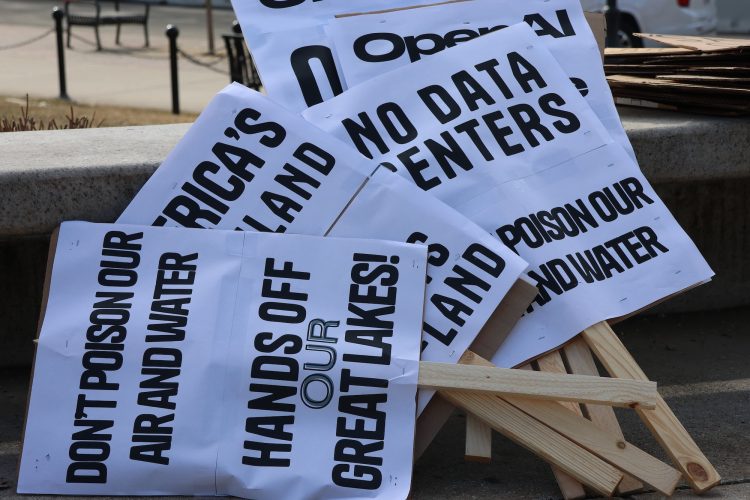
The issues facing Arizona are being mirrored across the United States. In Aurora, Colorado, residents recently mobilized to protest the "Trident" data center, a proposed facility that would include 28 emergency diesel generators located near a residential area. At a recent city council meeting, residents ranging from teenagers to retirees provided three hours of testimony, citing concerns over noise, air pollution from diesel exhaust, and the perceived betrayal by local officials.
National tracking by the firm Connected Capital indicates that there are currently 399 local data center moratoriums in various stages of progress across 44 states. These pauses in development are often driven by grassroots activism. Citizens are increasingly aware of the hidden costs of the "cloud," including:
- Grid Instability: Data centers’ massive power draws can lead to increased electricity rates for residents as utilities scramble to build new generation and transmission infrastructure.
- Noise Pollution: The constant hum of industrial-scale cooling fans can disrupt sleep and lower property values in quiet neighborhoods.
- Water Stress: In arid climates, the millions of gallons of water used daily for evaporative cooling are seen as an existential threat to long-term water security.
The Global Perspective and the Path Forward
The struggle to balance technological growth with urban livability is not unique to the U.S. Earlier this year, the Global Urban Data Centres Pact was formed in partnership with the C40 urban advocacy organization. This pact, which includes Phoenix and 20 other U.S. cities among its 42 global members, aims to establish a "mayoral-led vision" for sustainable data center development.
The pact encourages a shift toward "climate-safe" solutions, such as:
- Waste Heat Recovery: Instead of venting heat into the atmosphere, some modern facilities are being designed to funnel waste heat into district heating systems for nearby homes or greenhouses.
- Liquid Cooling: More efficient than air-based systems, liquid cooling can reduce the overall thermal footprint and noise levels of a facility.
- Zero-Water Cooling: Transitioning to closed-loop systems that do not rely on evaporation can preserve precious municipal water supplies.
Analysis: The Political and Economic Stakes
As the 2026 midterm elections approach, data center development has transitioned from a niche planning issue to a high-level political flashpoint. Voters are increasingly viewing these facilities through the lens of environmental justice and economic fairness. While data centers bring significant short-term construction jobs and property tax revenue, they provide very few long-term, high-paying jobs compared to the massive physical space they occupy.
For urban policymakers, the challenge is to move from reactive to proactive governance. The ASU research provides the empirical data needed to justify stricter setbacks and "thermal mitigation" requirements in building codes. However, as the Phoenix experience with Prop 207 demonstrates, the legal and financial hurdles to regulation remain high.
The future of the urban data center will likely depend on the industry’s ability to integrate into the community as a "good neighbor" rather than an industrial island. This means moving beyond tax-incentive-driven development and toward a model where tech giants invest directly in the local infrastructure they strain. Without such a shift, the rising tide of public anger and the undeniable physical reality of a warming planet may lead to a permanent freeze on the infrastructure that makes the modern digital world possible.
