

By Koffi Alle
July 17, 2026
LAGOS, NIGERIA – Nigerian industrial magnate Aliko Dangote, already a titan of African commerce, is reportedly in advanced discussions with several East African nations regarding the establishment of a second mega-refinery on the continent. This ambitious venture, building on the proven success of his colossal refinery in Lagos, signals a significant shift in Africa’s downstream petroleum sector and underscores a burgeoning model for continental economic integration and value addition. The potential ripple effects of such a project could reshape regional energy markets, boost industrialization, and provide a blueprint for other resource-rich African nations.
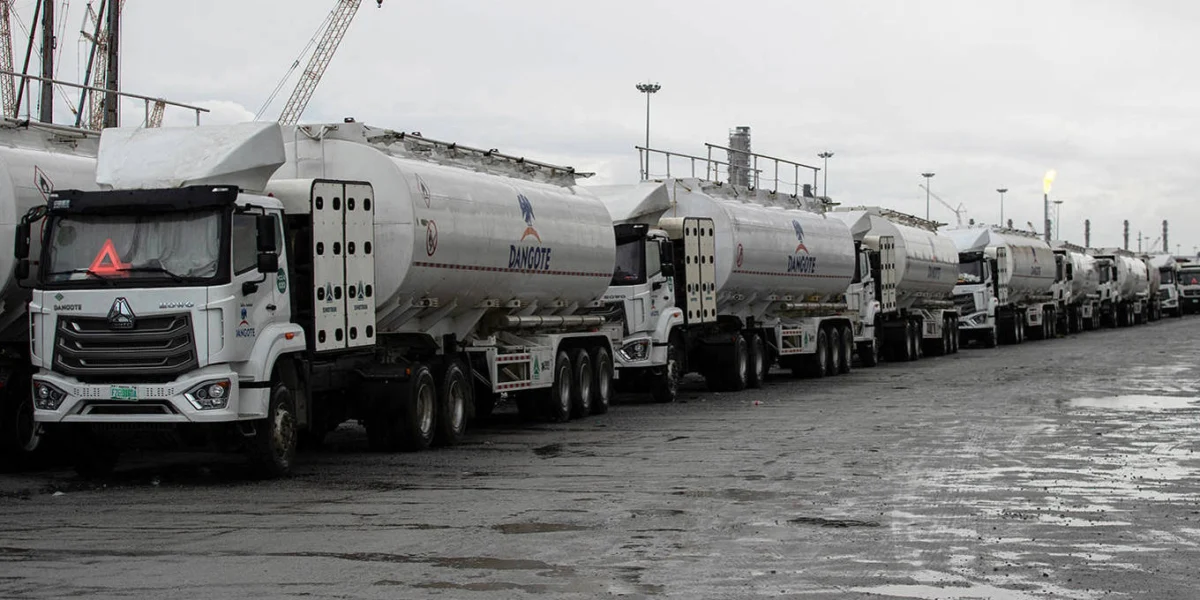
The proposed East African facility would aim to replicate the transformative impact of the Dangote Refinery, which commenced operations in Lagos in 2024. Situated in Lekki, on the southern outskirts of Nigeria’s commercial capital, the Lagos refinery boasts the distinction of being the world’s largest single-train oil refinery. Its impressive crude-processing capacity of 700,000 barrels per day has already begun to meet the burgeoning demand for refined petroleum products across Africa and beyond. Since its operational launch, the refinery has been a consistent producer of vital fuels such as diesel, petrol (gasoline), and jet fuel, significantly reducing Nigeria’s historical reliance on imported refined petroleum.
This strategic move by Dangote is not merely an expansion of industrial capacity; it represents a profound commitment to Africa’s economic self-sufficiency and a practical application of the principle of adding value to the continent’s abundant natural resources. For decades, many African nations have exported raw crude oil, only to import costly refined products, a cycle that drains foreign exchange reserves and stifles local industrial development. Dangote’s model directly challenges this paradigm, demonstrating that large-scale, technologically advanced refining operations can be successfully established and operated within Africa, for the benefit of Africans.
A Strategic Vision for African Value Addition
Aliko Dangote’s foray into oil refining, culminating in the Lagos mega-project, has been a long-term strategic endeavor. The genesis of the Lagos refinery can be traced back to years of planning and significant investment, a testament to Dangote’s foresight and determination. The project faced numerous challenges, including securing financing, land acquisition, and complex engineering hurdles. However, its successful commissioning and ongoing operations have validated the vision. The refinery’s output has already begun to alter the import-export dynamics for petroleum products in Nigeria and West Africa, creating opportunities for job creation and fostering ancillary industries.
The potential for a similar project in East Africa is particularly significant given the region’s own substantial energy needs and its position as a growing economic hub. While specific details of the ongoing talks remain confidential, sources close to the negotiations suggest that the project would likely involve a consortium of East African countries, pooling resources and creating a shared regional asset. This collaborative approach is crucial for such a capital-intensive undertaking and aligns with the broader African Union’s agenda for deeper continental integration.
The Lagos Refinery: A Precedent of Success
To understand the implications of the East African expansion, it is essential to examine the achievements of the Lagos refinery. Prior to its completion, Nigeria, despite being one of Africa’s largest oil producers, was a net importer of refined petroleum products. This reliance led to chronic fuel shortages, price volatility, and significant foreign exchange outflows. The Dangote Refinery’s operational capacity directly addresses these issues.
Key Data Points and Achievements of the Dangote Refinery (Lagos):
- Processing Capacity: 700,000 barrels per day, making it the largest single-train refinery globally.
- Products: Produces diesel, petrol, jet fuel, and Liquefied Petroleum Gas (LPG), meeting both domestic and international specifications.
- Economic Impact: Expected to save Nigeria billions of dollars annually in foreign exchange previously spent on fuel imports.
- Job Creation: Directly employs thousands of skilled and semi-skilled workers, with indirect employment generated in logistics, maintenance, and downstream industries.
- Technological Advancement: Utilizes state-of-the-art technology for efficient and environmentally responsible operations.
- Market Reach: Supplies refined products to Nigeria, other African nations, and potentially global markets.
The refinery’s design incorporates advanced processing units, including crude distillation, vacuum distillation, hydrocracking, and catalytic reforming, allowing it to process a wide range of crude oil types and produce high-quality fuels that meet stringent international standards like Euro V. This technological sophistication is a critical factor in its ability to compete on the global stage and ensures that the products are suitable for modern engines and environmental regulations.
East African Prospects: A Region Primed for Development
The East African region, comprising countries like Kenya, Tanzania, Uganda, Rwanda, and Burundi, presents a compelling case for a new refinery. These nations, while experiencing steady economic growth, are largely dependent on imports for their refined petroleum needs. The establishment of a regional refinery would offer substantial benefits:
- Energy Security: Reduced reliance on volatile international markets and a more stable supply of fuel.
- Economic Growth: Stimulus to local economies through infrastructure development, job creation, and the growth of related industries.
- Reduced Costs: Lower transportation costs and potentially more affordable fuel prices for consumers and businesses.
- Industrialization: Availability of refined products as feedstock for petrochemical industries, plastics manufacturing, and other value-added sectors.
- Regional Cooperation: A tangible example of successful cross-border economic collaboration, fostering greater political and economic integration.
Discussions with East African leaders are reportedly focused on identifying a strategic location that offers access to crude oil supplies (potentially from existing or emerging offshore fields in the region or through imports), adequate port infrastructure for crude import and product export, and a stable regulatory environment. The scale of such a project would necessitate significant investment, likely a combination of Dangote’s own capital, sovereign wealth funds from participating nations, and potentially international financial institutions.
Chronology of Vision and Execution
While the specific timeline for the East African project is still unfolding, the foundational steps leading to this potential expansion can be viewed through a broader historical lens of African industrial development and Dangote’s own trajectory:
- Mid-20th Century Onwards: Many African nations, post-independence, focused on exporting raw commodities, with limited investment in downstream processing due to capital constraints and historical colonial economic structures.
- Late 20th Century: Aliko Dangote begins building his business empire, initially in commodities like cement and sugar, gradually diversifying into manufacturing and eventually petroleum.
- Early 2000s: Growing awareness across Africa of the need to add value to natural resources and reduce import dependency. Discussions about developing domestic refining capacity gain momentum.
- Circa 2013-2014: Dangote officially announces plans for the Lagos mega-refinery, a project of unprecedented scale for the continent.
- 2014-2024: A decade of intensive planning, engineering, construction, and financing for the Lagos refinery, overcoming numerous logistical and financial challenges.
- 2024: The Dangote Refinery in Lagos begins operations, marking a landmark achievement for Nigerian and African industrialization.
- 2025-2026: Successful operationalization and positive economic impact of the Lagos refinery lead to increased confidence and discussions about replication.
- 2026 (Present): Reports emerge of Dangote engaging in talks with East African countries for a second mega-refinery, signaling the next phase of his continental industrial strategy.
Inferred Reactions and Expert Analysis
While official statements from the involved East African governments are yet to be widely publicized, the strategic implications of such a project are likely to elicit strong reactions across the region and the continent.
Inferred Reactions:
- Positive Endorsement: Leaders of participating East African nations are likely to publicly endorse the project as a catalyst for economic growth, job creation, and enhanced energy security. They will emphasize the collaborative aspect and the potential for shared prosperity.
- Regional Economic Bodies: Organizations such as the East African Community (EAC) and the African Union are expected to welcome the initiative as a significant step towards achieving continental economic integration and the goals of the African Continental Free Trade Area (AfCFTA).
- Industry Stakeholders: Oil and gas companies operating in Africa, as well as downstream industries that rely on refined products, will view this expansion with keen interest, anticipating changes in regional supply dynamics and potential new market opportunities.
- International Financial Institutions: Bodies like the African Development Bank (AfDB) and potentially the World Bank could see this as a prime candidate for significant investment and technical support, given its potential to drive economic development and reduce poverty.
Expert Analysis:
Dr. Amina Hassan, an economist specializing in African resource management at the University of Nairobi, commented, "Dangote’s approach is revolutionary for Africa. Instead of exporting crude and importing finished goods, he is building the infrastructure to refine our own resources. This not only creates significant economic value domestically but also reduces vulnerability to global price shocks and supply chain disruptions. The Lagos refinery has already demonstrated this potential, and an East African counterpart would be a game-changer for that region."
She added, "The key challenge for any such project will be securing consistent crude oil feedstock and ensuring that the benefits are broadly shared. However, the demonstrated success in Lagos provides a strong foundation of confidence for investors and participating governments. This is precisely the kind of intra-African investment and value addition that the AfCFTA aims to promote."
Broader Impact and Implications
The potential establishment of a second Dangote refinery in East Africa carries profound implications for the continent:
- Shifting Energy Landscape: A successful East African refinery would further decentralize Africa’s refining capacity, reducing the dominance of imports and bolstering regional self-sufficiency. This could lead to a more stable and predictable energy market within Africa.
- Catalyst for Industrialization: The availability of locally refined products at competitive prices can unlock opportunities for petrochemical industries, plastics manufacturing, and other chemical-dependent sectors. This can spur broader industrialization beyond the energy sector itself.
- Job Creation and Skill Development: Mega-projects like these are massive job creators, not only during the construction phase but also in the long-term operational and maintenance phases. They also necessitate significant investment in training and skill development for the local workforce, fostering a more skilled labor pool.
- Economic Diversification: For oil-producing nations in East Africa, such a refinery could be a crucial step in diversifying their economies away from sole reliance on crude oil exports, adding value and creating new revenue streams.
- Blueprint for Future Investments: The success of both the Lagos and a potential East African refinery could serve as a powerful template for other African nations with significant natural resources, encouraging similar value-addition initiatives and fostering greater intra-African investment.
- Geopolitical Significance: Increased regional economic cooperation through such large-scale projects can strengthen political ties and contribute to greater stability and integration across the continent.
The ambition of Aliko Dangote to replicate his Lagos success in East Africa is more than just a business venture; it is a powerful statement about Africa’s potential for self-reliance, industrial prowess, and economic transformation. As negotiations progress, the world will be watching to see if this vision can translate into another monumental achievement, further solidifying Africa’s position as a key player in the global economy.
