

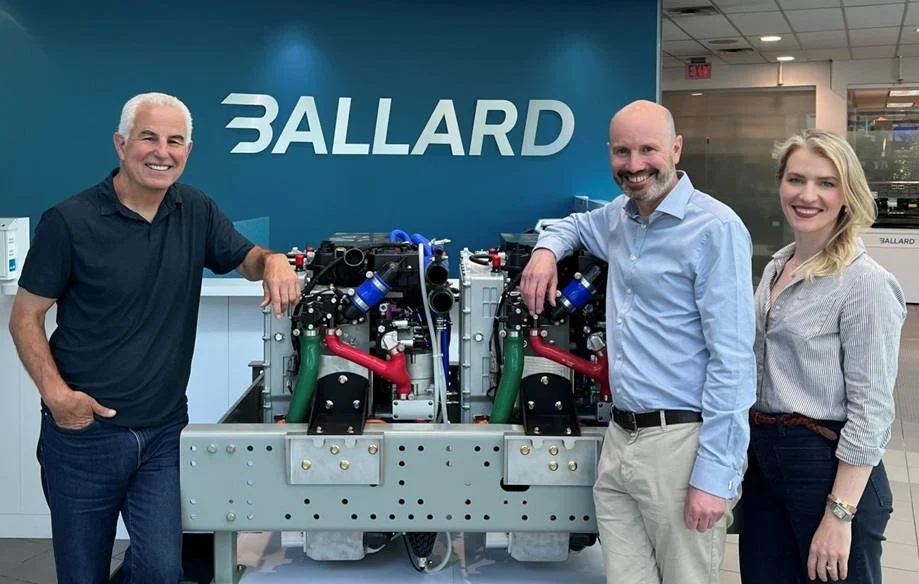
In a move that signals a significant consolidation and evolution within the clean energy sector, the Canadian hydrogen fuel cell pioneer Ballard Power Systems has officially announced the acquisition of GeoPura, a prominent United Kingdom-based provider of green hydrogen power solutions. The transaction, valued at an enterprise value of £301 million (approximately USD $397 million), marks a pivotal shift for Ballard as it transitions from a specialized hardware manufacturer into a fully integrated hydrogen ecosystem provider. Under the terms of the agreement, Ballard may also pay an additional £27.5 million in contingent consideration, provided that GeoPura achieves specific financial performance milestones in the coming years.
The acquisition represents one of the most substantial deals in the hydrogen space this year, reflecting a growing trend among technology developers to secure downstream capabilities and offer end-to-end solutions to a diversifying global client base. By absorbing GeoPura’s expertise in hydrogen production, logistics, and stationary power generation, Ballard is positioning itself to capture a larger share of the rapidly expanding decarbonization market, moving beyond the supply of fuel cell stacks to providing comprehensive "Energy-as-a-Service" (EaaS) models.
A Strategic Pivot Toward Integrated Solutions
For decades, Ballard Power Systems has been recognized as a global leader in the development and manufacture of Proton Exchange Membrane (PEM) fuel cells. Their technology has traditionally powered heavy-duty motive applications, including buses, trucks, trains, and marine vessels. However, as the global energy transition accelerates, the limitations of being solely a component supplier have become apparent. The acquisition of GeoPura allows Ballard to bridge the gap between technology development and real-world application.
GeoPura, founded in 2019, has quickly established itself as a critical player in the UK’s green energy landscape. The company’s primary offering is the Hydrogen Power Unit (HPU), a zero-emission alternative to traditional diesel generators. These units, developed in a high-profile collaboration with Siemens Energy, utilize Ballard’s fuel cell engines to convert green hydrogen into high-quality electricity. By bringing GeoPura into the fold, Ballard is essentially verticalizing its operations. The company will now oversee the entire value chain: from the production of renewable hydrogen to the logistics of its distribution and the final generation of power at the customer’s site.
This "bundled" offering is expected to significantly lower the barriers to entry for industries looking to decarbonize. Instead of managing multiple vendors for fuel cells, hydrogen fuel, and maintenance, customers can now engage with a single entity for a turnkey power solution.
Financial Terms and the Chronology of the Deal
The deal structure reflects a balanced approach to risk and growth. The baseline enterprise value of £301 million underscores the premium currently placed on companies that possess proven, scalable hydrogen infrastructure. The additional £27.5 million in contingent consideration acts as an "earn-out" mechanism, ensuring that the final price reflects GeoPura’s ability to scale its operations and hit revenue targets within the Ballard corporate structure.
The relationship between the two companies is not new. Ballard and GeoPura have maintained a long-standing partnership wherein Ballard served as the primary supplier of fuel cell engines for GeoPura’s HPUs. This history of technical collaboration likely streamlined the due diligence process and reduced the integration risks often associated with cross-border acquisitions.
Chronologically, the deal comes at a time when GeoPura was already on a steep growth trajectory. In early 2023, GeoPura successfully closed a £36 million investment round led by GM Ventures and Barclays Sustainable Impact Capital, with participation from SWEN CP and Siemens Energy Ventures. The momentum from that funding round allowed GeoPura to expand its fleet of HPUs and enter new markets, ultimately making it an attractive acquisition target for Ballard, which sought to solidify its presence in the European market and the stationary power sector.
Expanding the Addressable Market: From Film Sets to Data Centers
One of the most compelling aspects of the GeoPura acquisition is the immediate expansion of Ballard’s total addressable market (TAM). While Ballard has traditionally focused on mobility, GeoPura brings a diverse portfolio of clients in sectors that are notoriously difficult to electrify via traditional battery or grid-tethered methods.
GeoPura’s systems have already seen high-profile deployments across several industries:
- Construction: Providing silent, emissions-free power for major infrastructure projects where grid connections are unavailable or insufficient.
- Film and Television: Powering remote production sets for major studios that are under increasing pressure to meet sustainability mandates.
- Live Events: Replacing diesel generators at music festivals and sporting events to reduce both carbon footprints and noise pollution.
- Healthcare and Defense: Offering reliable, long-term backup power for mission-critical facilities.
Perhaps most significantly, Ballard and GeoPura are now setting their sights on the data center industry. As the explosion of artificial intelligence (AI) drives an unprecedented demand for data processing, the energy requirements of data centers are skyrocketing. Many operators are seeking alternatives to diesel backup generators to meet "Net Zero" goals. The integrated hydrogen solution offered by the newly combined entity provides a scalable, zero-emission alternative for 24/7 backup power and grid stabilization.
Leadership Perspectives on the Merger
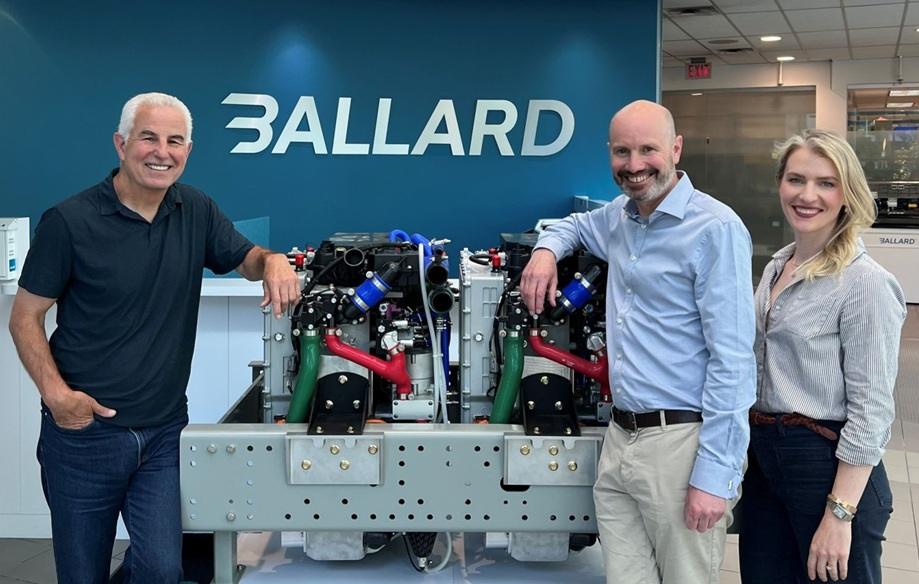
The leadership teams of both organizations have expressed a shared vision for the future of the hydrogen economy. Marty Neese, President and Chief Executive Officer of Ballard, described the acquisition as "truly transformative."
"This acquisition establishes Ballard as a leading, fully integrated hydrogen ecosystem provider," Neese stated. "By combining our world-class fuel cell technology with GeoPura’s energy-as-a-service business model, we create a company well-positioned to serve end markets demanding secure, reliable, low-noise, and emissions-free power. We are now better equipped to capitalize on the increasing demand for energy resilience in a world transitioning away from fossil fuels."
Andrew Cunningham, the Founder and CEO of GeoPura, echoed these sentiments, emphasizing the technical synergy between the two firms. "For GeoPura, Ballard has stood head and shoulders above the rest," Cunningham said. "They are the only partner able to deliver the fuel cell capabilities we need, backed by the deep engineering expertise required to ensure unbeatable product quality from kilowatt to megawatt. Joining forces allows us to accelerate our mission of displacing diesel and providing clean energy anywhere it is needed."
Technical Background: The Role of Green Hydrogen and HPUs
To understand the impact of this acquisition, it is necessary to look at the technology involved. GeoPura’s Hydrogen Power Units (HPUs) are built around Ballard’s PEM fuel cells. Unlike traditional combustion engines, these fuel cells combine hydrogen and oxygen through an electrochemical process to produce electricity, with water and heat being the only byproducts.
The "green" aspect of GeoPura’s solution comes from the source of the hydrogen. GeoPura facilitates the production of hydrogen using renewable energy sources—such as wind or solar—and electrolysis. This hydrogen is then compressed and transported to the point of use. When paired with Ballard’s high-efficiency fuel cells, the result is a power cycle that is carbon-neutral from production to consumption.
This model addresses one of the primary criticisms of the hydrogen economy: the "chicken and egg" problem of infrastructure. By providing the fuel, the transport, and the generator as a single service, Ballard and GeoPura bypass the need for a pre-existing national hydrogen pipeline network, allowing for immediate deployment in remote or temporary locations.
Broader Implications for the Global Hydrogen Market
The Ballard-GeoPura deal is likely to reverberate throughout the clean tech industry. Analysts suggest that this move could trigger a wave of similar acquisitions as other fuel cell manufacturers, such as Plug Power or Bloom Energy, look to strengthen their downstream service capabilities.
Furthermore, the acquisition aligns with broader geopolitical shifts. Both Canada and the United Kingdom have released ambitious national hydrogen strategies aimed at achieving Net Zero emissions by 2050. By combining a Canadian technology giant with a UK-based infrastructure innovator, the deal strengthens the transatlantic "hydrogen corridor" and creates a formidable competitor against state-backed hydrogen initiatives in Asia and mainland Europe.
For investors, the deal represents a bet on the "as-a-service" economy. The transition from selling hardware (a one-time revenue event) to selling energy (a recurring revenue stream) typically leads to higher valuations and more predictable cash flows. If Ballard can successfully integrate GeoPura’s service model across its global operations, it could redefine the financial profile of the hydrogen sector.
Conclusion: A New Chapter for Ballard
As the transaction moves toward completion, the focus will shift to integration. Ballard must now manage the complexities of becoming a logistics and energy provider while maintaining its edge in fuel cell R&D. However, the strategic rationale is clear: in a world where "sustainability" is no longer a buzzword but a regulatory and operational requirement, the ability to provide guaranteed, clean power-on-demand is a significant competitive advantage.
The acquisition of GeoPura does more than just add to Ballard’s bottom line; it provides a blueprint for how technology companies can lead the energy transition by taking responsibility for the entire energy lifecycle. As industries from construction to data centers seek to sever their ties with fossil fuels, the new, integrated Ballard is poised to be the partner of choice for a zero-emission future.
