

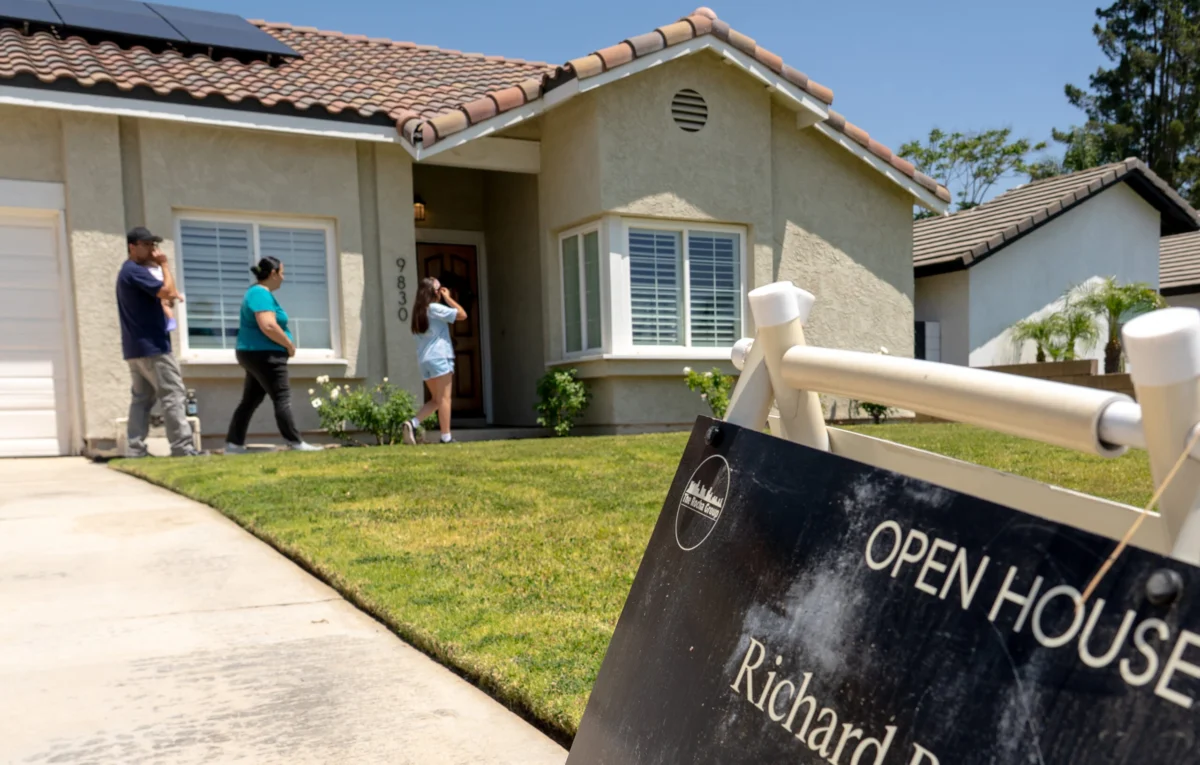
The U.S. housing market experienced a notable slowdown in April, with sales of previously owned homes effectively stagnating, marking a significant deviation from market expectations. According to the latest data released by the National Association of Realtors (NAR), existing home sales in April saw a marginal increase of just 0.2% from March, reaching a seasonally adjusted annual rate of 4.02 million units. This figure fell considerably short of housing analysts’ projections, who had anticipated a gain exceeding 3% for the month. The subdued performance underscores the persistent challenges faced by potential homebuyers, primarily driven by elevated mortgage rates and a lingering shortage of available properties.
Detailed Sales Performance and Market Expectations
The reported 0.2% month-over-month increase in April’s existing home sales translates to a market that is largely treading water. This near-flat growth indicates a significant deceleration compared to the robust activity often seen in the spring buying season. Year-over-year, April sales remained unchanged, signaling a sustained plateau in market activity. It is crucial to remember that these sales figures are based on closings, which typically occur 30 to 60 days after a contract is signed. Therefore, the April data largely reflects purchase agreements made in late February and throughout March, a period that saw considerable shifts in economic sentiment and interest rate trajectories.
Market analysts had entered April with a more optimistic outlook, forecasting a healthier rebound in sales activity. The consensus expectation of a gain exceeding 3% was predicated on several factors, including a perceived stabilization in mortgage rates earlier in the year and a slight uptick in buyer interest. However, the actual figures suggest that these positive sentiments were largely overshadowed by prevailing economic headwinds and evolving geopolitical landscapes. The disconnect between analyst expectations and actual market performance highlights the inherent volatility and sensitivity of the current housing environment to external influences.
The Enduring Influence of Mortgage Rates
Mortgage rates have proven to be a pivotal factor shaping buyer behavior and overall market dynamics. The average rate on the 30-year fixed mortgage, a benchmark for most homebuyers, concluded March in the high 5% range, according to data from Mortgage News Daily. However, this period of relative stability was short-lived. April witnessed a sharp upward trajectory in mortgage rates, largely attributed to heightened geopolitical tensions in the Middle East and the associated market uncertainty that often drives investors towards safer assets, impacting bond yields. While the specific interplay of global events and domestic interest rates is complex, the rapid increase in borrowing costs undoubtedly exerted additional pressure on prospective homebuyers.
By the start of the week preceding the NAR report, the average 30-year fixed mortgage rate had climbed further to 6.42%. This sustained elevation in rates significantly impacts affordability, even for those with stable incomes. A higher interest rate directly translates to larger monthly mortgage payments for the same loan amount, effectively reducing a buyer’s purchasing power. For a median-priced home, even a fractional increase in rates can add hundreds of dollars to a monthly payment, pushing some potential buyers out of the market or forcing them to reconsider their homeownership goals. This phenomenon is particularly challenging for first-time buyers, who often have less equity or fewer liquid assets to leverage.
Inventory Constraints and Market Imbalance
Despite the stagnant sales, inventory levels in April showed a modest improvement, rising by 5.8% from March. However, on a year-over-year basis, the increase was a more modest 1.4% from the previous April. This incremental growth brought the housing supply to a 4.4-month level. While any increase in inventory is generally welcomed, a 4.4-month supply is still considered tight by historical standards. A balanced housing market, where neither buyers nor sellers hold a distinct advantage, typically features a six-month supply of homes. The current deficit indicates that demand continues to outstrip supply in many areas, albeit less intensely than during the peak frenzy of recent years.
Lawrence Yun, NAR’s chief economist, emphasized the critical need for a more substantial increase in available homes. "We really need to see 30% growth in inventory, but we are not seeing that," Yun stated, highlighting the persistent challenges. This severe undersupply is a legacy of years of underbuilding following the 2008 financial crisis, compounded by homeowners’ reluctance to sell and give up their historically low mortgage rates. The scarcity of homes on the market continues to fuel competition, even if less aggressive than before. Yun noted that "Multiple offers, though not as intense as a few years ago, are still occurring." This indicates that while the bidding wars of the pandemic era have largely subsided, attractive properties still command significant attention from buyers.
Pricing Dynamics and Record Highs
The enduring imbalance between supply and demand, coupled with persistent inflationary pressures in the broader economy, continued to exert upward pressure on home prices. The median price of an existing home sold in April reached $417,700, marking a 0.9% increase from the previous year. This figure represents the highest median price ever recorded by NAR for the month of April, underscoring the sustained appreciation in housing values despite affordability challenges and higher interest rates.

The continued rise in home prices presents a double-edged sword for the market. For existing homeowners, it signifies an increase in home equity, bolstering their personal wealth. However, for prospective buyers, particularly those entering the market for the first time, these escalating prices, combined with higher mortgage rates, create a formidable barrier to entry. The resilience of home prices in the face of affordability concerns suggests that underlying demand remains robust, driven by demographic shifts, a desire for homeownership, and the perception of real estate as a long-term investment.
Buyer Behavior and Market Nuances
Beyond sales volumes and prices, other indicators offer insights into evolving buyer behavior. The average days on market for a home increased to 32 days in April, up from 29 days during the same month last year. This lengthening period suggests that consumers are taking more time to make purchase decisions, carefully weighing their options and perhaps negotiating more extensively. This contrasts with the rapid sales cycles observed in the frenzied markets of 2020-2022, where homes often sold within days of listing. Yun acknowledged this shift, noting that "consumers are taking their time before making decisions."
First-time buyers, often considered the lifeblood of a healthy housing market, represented 33% of sales in April, a slight decrease from a year ago. This segment typically faces the steepest challenges related to affordability, as they lack the equity from a previous home sale to offset rising costs. The slight decline in their market share suggests that the current environment remains particularly difficult for those looking to purchase their first home.
All-cash sales, which bypass the need for mortgage financing and are often indicative of investor activity or affluent buyers, accounted for one-quarter of all sales in April, a figure unchanged from the previous year. The consistent share of all-cash transactions highlights a segment of the market less affected by interest rate fluctuations, indicating continued interest from cash-rich buyers or institutional investors seeking stable assets.
Broader Economic Context and Expert Commentary
Lawrence Yun’s assessment of "mixed macroeconomic signals" provides crucial context for understanding the current housing landscape. While the stock market has reached record highs, reflecting robust corporate earnings and investor optimism, consumer confidence has remained historically low. This divergence suggests that while certain segments of the economy are thriving, many consumers are feeling the pinch of inflation, higher borrowing costs, and economic uncertainty. The housing market, being highly sensitive to consumer sentiment and financial health, inevitably reflects these broader economic trends.
Yun also highlighted a silver lining: "Mortgage rates are lower from a year ago, and average income growth is outpacing home price gains." While rates have risen sharply in April, they are indeed lower than the peaks seen in late 2022 and much of 2023. This relative improvement, combined with steady income growth, contributes to a modest boost in housing affordability for some buyers, preventing a more severe market downturn. However, this "affordability improvement" must be viewed in context, as absolute prices and rates remain elevated compared to pre-pandemic levels.
Economists and market observers largely concur that the Federal Reserve’s monetary policy plays a critical role in shaping mortgage rates. While the Fed does not directly set mortgage rates, its actions on the federal funds rate influence broader interest rates, including those for long-term bonds, which in turn affect mortgage pricing. The Fed’s ongoing battle against inflation, characterized by its "higher for longer" interest rate stance, continues to place upward pressure on borrowing costs, creating a challenging environment for a sustained housing market recovery.
The Road Ahead: Outlook and Implications
Looking forward, recent reports suggest a complex picture. While pending home sales—a forward-looking indicator based on contract signings—have shown some increases in April and May, indicating a potential uptick in future closings, the underlying issue of supply remains critical. These reports also indicate that supply is beginning to tighten again, which, if unchecked, will inevitably continue to lift prices. This creates a challenging cycle: potential buyers are eager to enter the market, but limited inventory and rising prices continue to create hurdles.
The implications of these trends are far-reaching. A stagnant housing market can have ripple effects throughout the economy, impacting sectors ranging from construction and real estate services to retail spending on home furnishings and renovations. For policymakers, the persistent housing affordability crisis necessitates a focus on increasing housing supply through various initiatives, including zoning reforms, incentives for new construction, and support for first-time homebuyers. Without a significant increase in inventory, the market is likely to remain constrained, characterized by high prices and fluctuating sales volumes, continuing to challenge the aspirations of many potential homeowners. The delicate balance between economic growth, inflation control, and housing market stability will remain a key focus for economists, policymakers, and consumers alike in the months to come.
