

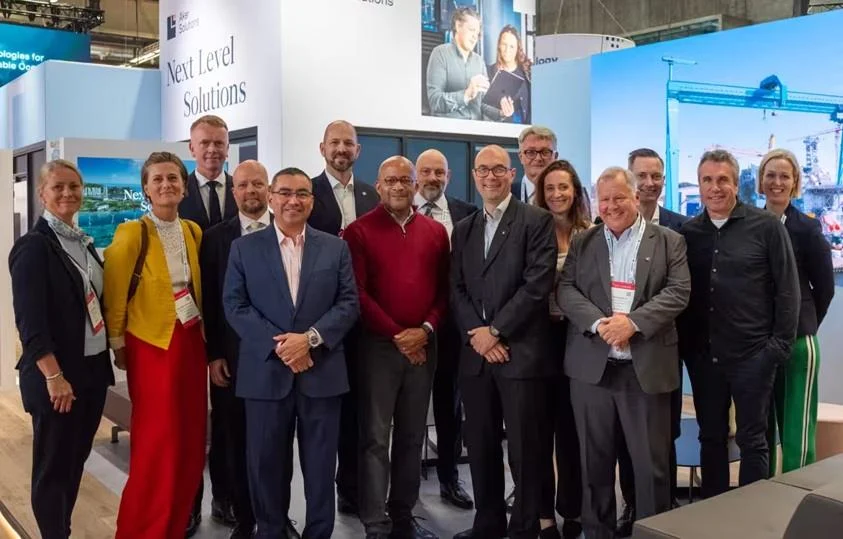
Aker Solutions, a global leader in energy-focused engineering and technology, has entered into a strategic collaboration agreement with Microsoft to accelerate the development, bankability, and large-scale deployment of carbon capture and storage (CCS) and carbon dioxide removal (CDR) projects. This partnership marks a significant convergence between the industrial engineering sector and the high-tech digital landscape, aiming to address the critical bottlenecks that have historically hindered the rapid scaling of carbon sequestration technologies. By combining Aker’s extensive history in complex offshore engineering and procurement with Microsoft’s advanced digital infrastructure, AI capabilities, and leadership in carbon markets, the two entities intend to create a streamlined pathway for emitters and developers to move from early-stage feasibility studies to final investment decisions (FID) and eventual operations.
The global push toward net-zero emissions by 2050 has placed CCS and CDR technologies at the forefront of climate strategy. However, the transition from theoretical models to operational infrastructure has been slow, often plagued by high capital costs, regulatory uncertainty, and technical risks. The Aker-Microsoft collaboration is designed to mitigate these challenges by offering an integrated suite of services that spans the entire project lifecycle. Under the terms of the agreement, the companies will engage with a broad spectrum of stakeholders, including industrial emitters, transport and storage providers, and government bodies, to ensure that the next generation of carbon projects is both technically sound and financially viable.
The Strategic Convergence of Engineering and Digital Intelligence
The synergy between Aker Solutions and Microsoft addresses a fundamental gap in the current carbon management market. Aker Solutions brings to the table more than five decades of experience in designing and executing some of the world’s most challenging energy projects, particularly in the North Sea. Their expertise in engineering, procurement, and construction (EPC) is vital for building the physical assets required to capture carbon at the source or pull it directly from the atmosphere. Conversely, Microsoft provides the digital "nervous system" required to manage these assets efficiently.
The collaboration will leverage Microsoft’s Azure cloud platform, artificial intelligence, and data analytics to optimize the performance of carbon capture facilities. One of the most critical components of this digital integration is Monitoring, Reporting, and Verification (MRV). For carbon credits to be traded or used to meet corporate climate goals, there must be an indisputable record that the carbon was captured and permanently stored. Microsoft’s digital MRV tools will provide the transparency and trust required by investors and regulators, effectively "de-risking" the carbon credits generated by these projects.
Kjetel Digre, CEO of Aker Solutions, highlighted the importance of this multi-disciplinary approach, noting that the maturity of the market depends on collaboration across the value chain. He emphasized that by joining forces with a digital giant like Microsoft, Aker can help project developers navigate the inherent complexities of the carbon sector, thereby strengthening the business cases for new facilities.
Overcoming the "Bankability" Barrier
One of the primary objectives of the partnership is to improve the "bankability" of CCS and CDR projects. In the context of large-scale infrastructure, bankability refers to the project’s ability to attract financing from commercial banks and private equity. Historically, carbon projects have struggled to secure funding because of the perceived risks associated with long-term storage and the volatility of carbon pricing.
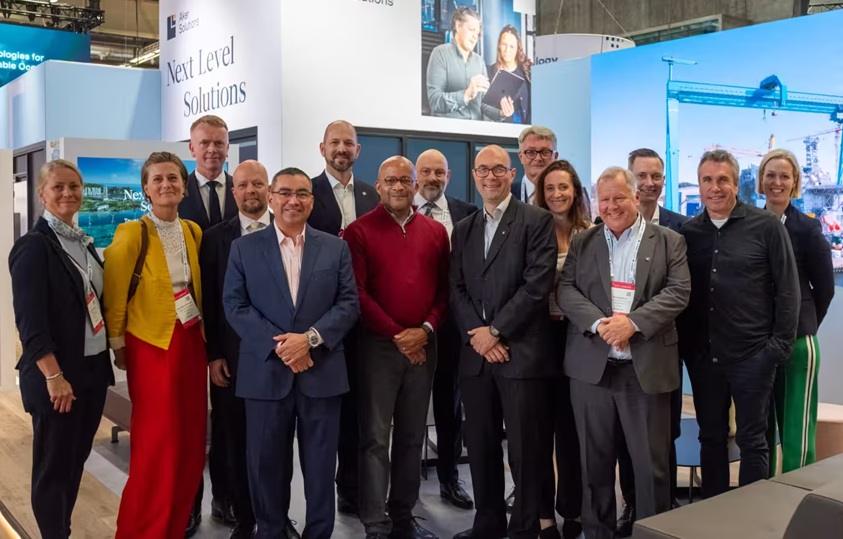
By integrating Aker’s engineering guarantees with Microsoft’s digital verification and potential involvement in carbon credit markets, the partnership aims to create a "single pathway" for developers. This pathway reduces the fragmentation that often occurs when a developer must hire separate firms for engineering, digital monitoring, and carbon credit certification. When these elements are bundled, the project becomes more attractive to lenders.
Furthermore, Microsoft has been one of the world’s largest buyers of carbon removal credits as part of its own commitment to be carbon negative by 2030. Their presence in this partnership provides a powerful market signal. Microsoft’s expertise in carbon markets can help developers structure their projects to meet the high standards required by corporate buyers, ensuring that the CDR credits produced have high integrity and long-term value.
A Chronology of Industrial and Digital Climate Action
The partnership between Aker Solutions and Microsoft does not exist in a vacuum; it is the result of a multi-year evolution in how both companies approach the energy transition. Aker Solutions has been pivoting its portfolio toward renewable energy and low-carbon solutions for several years, spinning off specialized units and investing heavily in carbon capture technology through its involvement in projects like the Brevik CCS plant in Norway.
Microsoft, meanwhile, has transformed itself into a major catalyst for climate tech. Since its 2020 announcement to erase its historical carbon footprint, the company has invested billions into the Climate Innovation Fund and signed some of the largest carbon removal deals in history, including agreements for direct air capture (DAC) and bioenergy with carbon capture and storage (BECCS).
This new agreement represents a formalization of their shared goals. While previous efforts may have been project-specific, this collaboration is global in scope and systemic in its intent. It seeks to standardize the "blueprint" for carbon projects, making them repeatable and scalable across different geographies and industrial sectors, from cement and steel production to power generation.
Technical Scope: From Feasibility to Operations
The integrated support offered by Aker and Microsoft will begin at the earliest stages of project development. During the feasibility and Front-End Engineering Design (FEED) phases, Aker will provide the technical specifications and cost estimates, while Microsoft will begin designing the digital architecture. This ensures that the physical plant and its digital twin are developed in tandem.
As a project moves toward the Final Investment Decision, the collaboration will focus on "execution readiness." This involves securing the supply chain for specialized equipment and establishing the data protocols for MRV. Once a facility is operational, the focus shifts to optimization. AI algorithms can analyze real-time data from sensors within the capture unit to adjust flow rates, temperature, and pressure, maximizing the amount of CO2 captured while minimizing energy consumption.

Darryl Willis, Corporate Vice President of Energy and Resources at Microsoft, explained that the goal is to move projects "from ambition to execution." He noted that by connecting physical infrastructure with trusted data, the partnership can provide a holistic view of the entire value chain—from the point of capture to the point of injection in a storage reservoir.
Market Implications and Global Context
The timing of this partnership is strategic, coinciding with a period of unprecedented policy support for carbon management. In the United States, the Inflation Reduction Act (IRA) has significantly increased the 45Q tax credits for carbon sequestration, making many previously marginal projects economically viable. In Europe, the Net-Zero Industry Act and the expansion of the Emissions Trading System (ETS) are creating a robust regulatory framework that penalizes carbon emissions and rewards sequestration.
The International Energy Agency (IEA) has repeatedly stated that reaching net-zero emissions will be virtually impossible without a massive expansion of CCS. Current global capacity stands at approximately 45 million tonnes of CO2 per year, but the IEA suggests that this needs to scale to over 1,000 million tonnes by 2030 to stay on track with the Paris Agreement.
The Aker-Microsoft partnership is positioned to capture a significant share of this burgeoning market. By focusing on "maturity" and "delivery," the companies are addressing the "Valley of Death" in climate tech—the gap between a successful pilot project and a commercially viable industrial plant. Their combined weight provides a level of industrial and financial credibility that few other pairings can match.
Broader Impact on the Carbon Removal Ecosystem
Beyond the immediate technical and financial benefits, the collaboration is likely to influence the broader CDR ecosystem. As Microsoft and Aker establish standardized methods for digital MRV and project execution, these could become de facto industry standards. This would benefit the entire sector by creating a common language for developers, regulators, and insurers.
The focus on "carbon dioxide removal" specifically points toward the growing importance of negative emissions technologies. Unlike traditional CCS, which prevents new emissions from entering the atmosphere, CDR removes existing CO2. This is essential for balancing "hard-to-abate" sectors like aviation and heavy industry. By providing a clear pathway for CDR projects, Aker and Microsoft are supporting the development of a market that is still in its infancy but is expected to grow into a multi-billion-dollar industry by the end of the decade.
In conclusion, the agreement between Aker Solutions and Microsoft represents a landmark moment in the industrialization of carbon management. It acknowledges that neither engineering prowess nor digital innovation is sufficient on its own to solve the climate crisis. Instead, the "hard" assets of the industrial world must be seamlessly integrated with the "soft" assets of the digital world to create a reliable, transparent, and scalable carbon economy. As the partnership begins to engage with developers and governments worldwide, the focus will remain squarely on turning climate targets into operational realities, one project at a time.
