

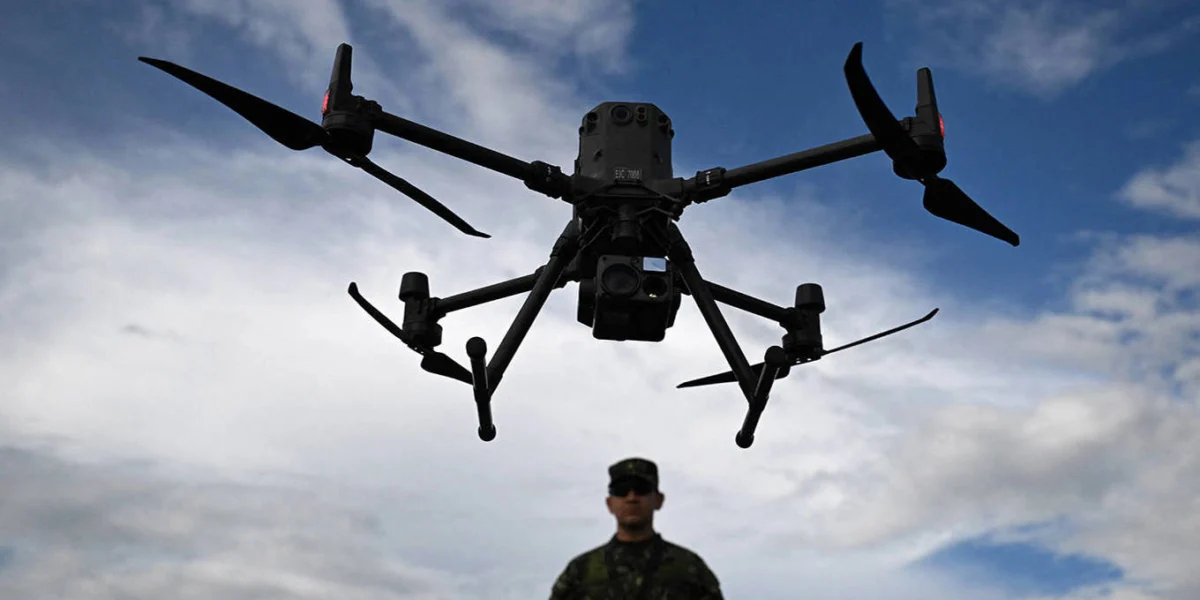
Over the long sweep of history, three forces have driven humanity’s greatest transformations, for good and ill: disease, war, and economic growth. By reducing costs and increasing the availability and productivity of a vast array of goods and services, artificial intelligence (AI) will have a profound impact on all three, reaching far beyond the current discourse focused on productivity gains and job displacement. AI’s revolutionary potential in combating disease, shaping the nature of conflict, and stimulating income growth could fundamentally alter the very terms of human existence.
This assertion, put forth by economist and author Dambisa Moyo in a recent analysis, posits that the current conversation surrounding AI’s societal implications is critically narrow. While acknowledging the significant debate around AI’s capacity to boost economic output and its potential to disrupt labor markets, Moyo argues that its influence will be far more pervasive and transformative. The article, published on August 19, 2026, highlights that the confluence of AI’s capabilities with humanity’s perennial challenges—health, security, and prosperity—positions it as a pivotal force in shaping the future trajectory of civilization.
The Triad of Human Transformation: Disease, War, and Economic Growth
Throughout history, humanity’s progress and its setbacks have been inextricably linked to these three fundamental forces. The Black Death in the 14th century, for instance, decimated populations and irrevocably altered European social and economic structures. The World Wars of the 20th century reshaped geopolitical landscapes and spurred unprecedented technological innovation, albeit at immense human cost. Conversely, the Industrial Revolution and subsequent waves of technological advancement have lifted billions out of poverty, dramatically increasing global living standards. Moyo’s thesis is that AI is poised to become the next, perhaps most potent, catalyst in this historical continuum.
The inherent nature of AI—its ability to process vast datasets, identify complex patterns, and execute tasks with unprecedented speed and accuracy—makes it uniquely suited to address challenges within these three domains. The current focus on AI’s immediate economic benefits, such as automation and efficiency gains, overlooks its deeper, systemic implications. By revolutionizing how we approach disease prevention and treatment, how wars are conceived and fought, and how economies generate and distribute wealth, AI has the potential to redefine what it means to be human in the 21st century and beyond.
AI and the Future of Health: A Paradigm Shift in Disease Management
The impact of AI on healthcare is already being felt, but its long-term implications are far more profound than simply improving diagnostic accuracy or streamlining administrative tasks. AI is poised to revolutionize disease prevention, early detection, personalized treatment, and drug discovery, fundamentally altering the human lifespan and quality of life.
Background Context: Historically, the fight against disease has been characterized by incremental progress, often driven by serendipitous discoveries or the painstaking efforts of researchers. Vaccines, antibiotics, and advanced surgical techniques have significantly extended life expectancies, but major challenges remain, including the emergence of new infectious diseases, the prevalence of chronic conditions, and the high cost of developing new therapies.
Timeline of AI in Healthcare (Illustrative):
- Early 2010s: Initial applications of machine learning for image analysis in radiology and pathology.
- Mid-2010s: Development of AI algorithms for predicting patient risk and optimizing hospital workflows.
- Late 2010s – Early 2020s: AI begins to accelerate drug discovery and development, identifying potential drug candidates and predicting their efficacy.
- Mid-2020s onwards: Widespread adoption of AI-powered personalized medicine, predictive diagnostics, and advanced robotic surgery. The development of AI models capable of simulating biological processes at an unprecedented scale.
Supporting Data and Analysis:
- Drug Discovery Acceleration: AI can analyze vast biological datasets, identify molecular targets, and predict the efficacy and toxicity of potential drug compounds far faster than traditional methods. Studies have shown AI can reduce the time and cost of drug discovery by up to 50%. For instance, the development of a new antibiotic or antiviral could be accelerated from years to months.
- Personalized Medicine: AI algorithms can analyze an individual’s genetic makeup, lifestyle data, and medical history to predict disease susceptibility and tailor treatment plans with remarkable precision. This moves away from a one-size-fits-all approach to healthcare, leading to more effective interventions and fewer adverse reactions.
- Predictive Diagnostics: By analyzing patterns in health data, AI can identify individuals at high risk for developing certain diseases (e.g., cardiovascular disease, certain cancers) long before symptoms manifest. This allows for proactive interventions and lifestyle changes, potentially preventing the onset of serious illness.
- Combating Pandemics: AI played a crucial role in tracking the spread of COVID-19, identifying potential outbreak hotspots, and accelerating vaccine development. In the future, AI-powered surveillance systems could provide early warnings of emerging infectious diseases, allowing for more rapid and effective containment strategies. The ability of AI to rapidly analyze genomic sequences of novel pathogens and identify effective countermeasures will be invaluable.
Potential Implications: A future where AI significantly reduces the burden of disease could lead to a substantial increase in average human lifespan and a dramatic improvement in the quality of life for aging populations. This, however, also raises complex societal questions about resource allocation, the definition of old age, and the ethical implications of life extension.
The Evolving Landscape of Warfare: AI as a Force Multiplier
The integration of AI into military applications is not a futuristic concept; it is a rapidly developing reality that will fundamentally alter the nature of conflict, potentially leading to both increased efficiency and unprecedented ethical dilemmas.
Background Context: Warfare has always been a driver of technological innovation. From the invention of gunpowder to the development of nuclear weapons, advancements in technology have consistently reshaped military strategy and the human cost of conflict. AI represents the next frontier in this evolution.
Timeline of AI in Warfare (Illustrative):
- Cold War Era: Early research into intelligent systems for reconnaissance and guidance.
- 2000s – 2010s: Development of unmanned aerial vehicles (UAVs) with increasing levels of autonomy, advanced simulation systems for training, and AI for intelligence analysis.
- 2020s: Deployment of AI-powered autonomous weapon systems (LAWS) in limited capacities, significant advancements in AI for cyber warfare and electronic countermeasures. Increased integration of AI into command and control systems.
- Late 2020s onwards: Potential for fully autonomous combat systems, AI-driven strategic planning, and sophisticated AI-powered defense networks.
Supporting Data and Analysis:
- Autonomous Weapon Systems (LAWS): AI enables the development of weapons systems that can independently identify, select, and engage targets without direct human intervention. While proponents argue this can reduce human casualties on the battlefield by removing soldiers from direct combat, critics raise grave ethical concerns about the delegation of life-and-death decisions to machines. The speed at which AI can operate in complex environments could also lead to rapid escalation of conflicts.
- Enhanced Intelligence and Surveillance: AI algorithms can process vast amounts of data from satellites, drones, and intercepted communications to identify enemy movements, predict intentions, and provide real-time battlefield awareness. This intelligence advantage can significantly influence strategic decision-making.
- Cyber Warfare and Information Operations: AI is a powerful tool in cyber warfare, capable of identifying vulnerabilities in enemy networks, launching sophisticated cyberattacks, and generating persuasive disinformation campaigns. The ability of AI to create hyper-realistic deepfakes and manipulate online narratives presents a new dimension of information warfare.
- Logistics and Support: AI can optimize military logistics, predicting equipment failures, managing supply chains, and improving the efficiency of troop deployment and support operations.
Potential Implications: The rise of AI in warfare could lead to a significant shift in the balance of power between nations. It may also lower the threshold for engaging in conflict, as the perceived human cost decreases for the aggressor. International bodies and policymakers are grappling with the urgent need to establish norms and regulations governing the development and deployment of AI in warfare to prevent unintended consequences and ensure human control over the use of lethal force. The possibility of an AI arms race, driven by the pursuit of military technological superiority, is a significant concern.
Stimulating Income Growth: AI as a Driver of Economic Prosperity
Beyond its impact on productivity, AI has the potential to unlock new avenues for income growth and economic prosperity, though the distribution of these benefits remains a critical societal challenge.
Background Context: Historically, periods of significant economic growth have been driven by technological innovation, such as the invention of the printing press, the steam engine, and the internet. Each of these innovations created new industries, jobs, and wealth, while also displacing older ones. AI is poised to be the next transformative economic engine.
Timeline of AI in Economic Growth (Illustrative):
- Early 2000s: Increased use of algorithms for financial trading and rudimentary automation in customer service.
- 2010s: AI begins to permeate various sectors, from retail and manufacturing to healthcare and finance, driving efficiency and creating new service models.
- 2020s: widespread adoption of AI in content creation, personalized marketing, and advanced analytics. Emergence of AI-powered platforms that enable new forms of entrepreneurship and gig work.
- Late 2020s onwards: Potential for AI to create entirely new industries, generate unprecedented levels of wealth, and fundamentally alter the relationship between labor and capital. The development of AI-driven personalized education and reskilling platforms could become crucial for adapting the workforce.
Supporting Data and Analysis:
- New Industries and Services: AI is not just automating existing tasks; it is creating entirely new industries and service categories. Examples include personalized AI tutors, AI-generated art and music, advanced data analytics services, and AI-driven personalized recommendation engines that enhance consumer experiences and drive sales.
- Enhanced Entrepreneurship: AI tools can lower the barriers to entry for entrepreneurs, providing access to sophisticated marketing, customer service, and even product design capabilities that were previously only accessible to large corporations. This could lead to a democratization of innovation and wealth creation.
- Personalized Education and Skill Development: AI can tailor educational content to individual learning styles and paces, enabling more effective reskilling and upskilling of the workforce. This is crucial for navigating the evolving job market and ensuring that individuals can benefit from the economic opportunities created by AI.
- Global Economic Integration: AI can facilitate more efficient cross-border trade and communication, breaking down language barriers and optimizing supply chains, thus fostering greater global economic integration and potentially lifting developing economies.
Potential Implications: While AI promises significant economic growth, a crucial concern is the equitable distribution of these gains. Without proactive policy interventions, there is a risk of exacerbating income inequality, with a concentration of wealth among those who own or control AI technologies. This necessitates a societal conversation about universal basic income, progressive taxation of AI-driven profits, and investment in public education and social safety nets to ensure that the benefits of AI are shared broadly. The shift from a labor-centric economy to one potentially dominated by intelligent machines will require a fundamental re-evaluation of societal values and economic structures.
Conclusion: Navigating the AI Revolution
The assertion that AI will fundamentally alter the terms of human existence by revolutionizing disease, war, and economic growth is a sobering yet accurate assessment of its potential. The ongoing discourse must broaden beyond immediate productivity gains and job displacement to encompass these deeper, systemic transformations. As Dambisa Moyo’s analysis suggests, the coming decades will be defined by humanity’s ability to harness the immense power of AI responsibly, ethically, and equitably. The decisions made today regarding AI development, regulation, and societal integration will shape the future of civilization for generations to come, presenting both unprecedented opportunities and profound challenges. The historical parallels with disease, war, and economic growth underscore the magnitude of the changes on the horizon, demanding foresight, collaboration, and a commitment to ensuring that this technological revolution benefits all of humanity.
