

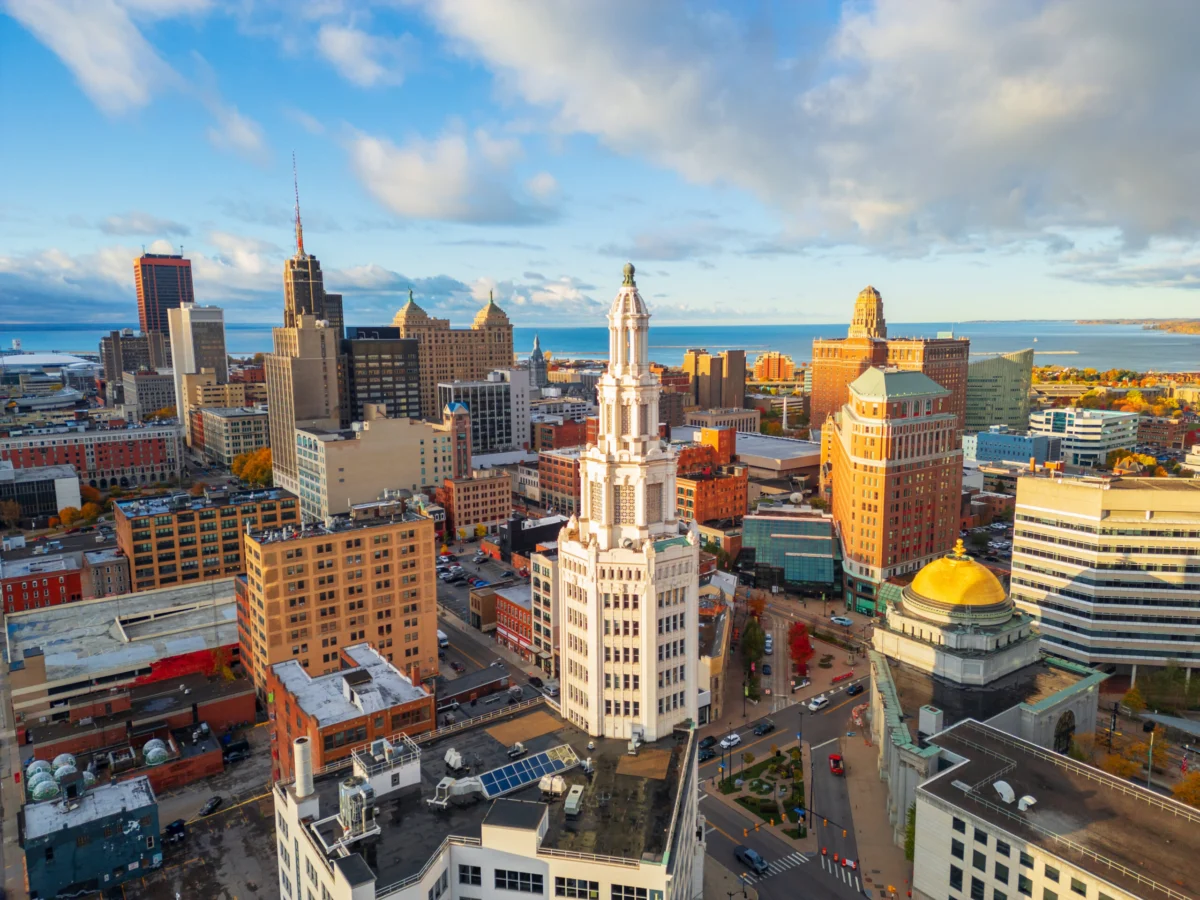
The landscape of the American housing market is undergoing a significant transformation, marked by an unprecedented affordability crisis that is compelling a growing number of renters to seek greener, and more economical, pastures in secondary and tertiary cities. With the for-sale housing market showing persistent resilience in pricing, many prospective homebuyers find themselves perpetually sidelined, unable to contend with elevated costs and high interest rates. Concurrently, the rental market, which had offered a brief reprieve, is once again heating up, pushing tenants to reconsider their living arrangements and increasingly relocate to more affordable urban centers across the nation.
The Affordability Chasm: A National Overview
For the past several years, the confluence of robust demand, constrained supply, and fluctuating economic conditions has created a challenging environment for both buyers and renters. The national median price of an existing home sold in July, as reported by the National Association of Realtors (NAR), stood at $434,100. This figure, while fluctuating, remains near historical highs, significantly outpacing wage growth in many regions. Mortgage interest rates, having climbed substantially from their pandemic-era lows, further compound the affordability challenge, drastically increasing monthly housing costs for potential buyers. A 30-year fixed-rate mortgage, which hovered around 3% in early 2021, has more than doubled, often exceeding 7%, effectively pricing out a substantial segment of the population, particularly first-time homebuyers. This has created a bottleneck in the housing pipeline, as would-be buyers remain renters, intensifying competition in the rental market.
Shifting Tides: The Rise of Secondary Rental Markets
This intricate web of economic pressures is directly influencing migration patterns within the rental sector. Data from real estate listing giant Zillow reveals a distinct trend: cities that historically might not have been top-tier destinations are now experiencing a surge in out-of-town rental searches. Buffalo, New York; Chicago, Illinois; and Houston, Texas, lead this list, showing the most significant growth in interest from prospective tenants looking to relocate from outside their immediate metropolitan areas. These emerging hubs are closely followed by New Orleans, Louisiana, and Dallas, Texas, underscoring a broader shift toward markets perceived as offering better value for money.
Moreover, Zillow’s analysis indicates a pivotal change in markets that have already witnessed substantial in-migration over recent years. Cities such as Salt Lake City, Utah; Raleigh, North Carolina; Hartford, Connecticut; and Nashville, Tennessee, which benefited from the initial waves of pandemic-driven relocation, now see out-of-town rental searches consistently outnumbering local inquiries. This suggests a deepening pipeline of newcomers, a phenomenon often observed before a more pronounced shift in the home sales market.
Mischa Fisher, Chief Economist at Zillow, emphasizes the predictive nature of rental demand in this context. "Renting is often how people try out a new community before committing," Fisher stated in a recent release. "When we see a market with a growing share of rental searches coming from outside the metro, that tips us off to a developing pipeline. A year-over-year surge in out-of-town browsing in places like Buffalo and Chicago tells us a wave of newcomers may not be far behind." This perspective highlights rental market activity as a leading indicator, offering valuable insights into future housing demand and price trends.
A common thread linking these burgeoning rental markets is their relative affordability compared to national averages and gateway cities. While the national median existing home price reached $434,100 in July, cities like Buffalo, Chicago, and Houston generally boast lower median home prices and, consequently, more accessible rental rates, according to various real estate data providers, including Realtor.com. This economic calculus is a primary driver for individuals and families seeking to maximize their housing budget without sacrificing urban amenities or job opportunities.
A Deeper Dive into Rental Market Dynamics
The trajectory of rental prices has been far from linear over the past few years. Following a period of significant appreciation during the initial phases of the pandemic, rents in many markets began to ease, primarily due to an influx of new apartment supply. Developers, responding to the strong demand and favorable economic conditions of 2020-2022, accelerated construction, leading to a temporary oversupply in certain urban centers. However, this easing trend has now reversed. August rents, according to data from Apartment List, turned positive month-to-month for the first time in four years, signaling a renewed upward pressure. While still slightly lower than peak levels observed in previous years, this resurgence indicates that the brief period of rental market deceleration is giving way to renewed growth. This shift is attributable to persistent demand from a growing population of renters unable to purchase homes, coupled with the absorption of new supply in key markets.
The supply-demand imbalance in the broader housing market continues to exert pressure on rentals. With fewer homeowners willing to sell due to ‘lock-in effect’ (reluctance to give up low mortgage rates), inventory for sale remains tight. This lack of available homes keeps prices elevated, perpetuating the cycle where aspiring homeowners remain in the rental pool, thus sustaining demand and upward pressure on rents.
The Great Relocation: Factors Driving Migration
The current wave of renter migration is underpinned by a confluence of economic and lifestyle factors. The widespread adoption of remote work, accelerated by the pandemic, has fundamentally altered the calculus of where people choose to live. Geographical constraints have loosened for many white-collar professionals, enabling them to pursue "cost of living arbitrage" – moving from high-cost coastal cities to more affordable inland or secondary markets without compromising their employment.
Beyond pure economics, lifestyle preferences also play a crucial role. Many individuals and families are seeking a higher quality of life, often defined by more space, better access to nature, shorter commutes (if any), and a stronger sense of community, all at a lower price point. This pursuit of an improved living standard often aligns perfectly with the offerings of secondary cities that are undergoing revitalization or experiencing steady economic growth.
New York City serves as a prime example of this ongoing exodus. Despite its enduring appeal as a global economic and cultural hub, the city’s exceptionally high cost of living continues to drive a significant portion of its renter population elsewhere. Zillow data indicates that New York City renters consistently search for listings in the Sunbelt, making up substantial shares of out-of-town views in burgeoning Southern metros like Raleigh, North Carolina, and the Florida cities of Miami, Orlando, and Tampa. This sustained interest in the Sunbelt, even years after the initial pandemic-fueled migration, underscores the region’s enduring draw based on both affordability and lifestyle.
Mischa Fisher further elaborated on these dynamics: "When we see strong out-of-town interest flowing into a smaller market, it’s often an affordability story. So renters in pricier places are choosing or discovering that they can get a lot more for their money somewhere new. When the flow goes the other direction, into a major metro, it’s frequently regional pull, people drawn to a big city’s job market or opportunities from nearby." This distinction highlights the dual forces at play: the push of unaffordability from expensive metros and the pull of opportunity and value in emerging ones.
Spotlight on Emerging Hubs and Established Destinations
Let’s delve deeper into some of the markets experiencing this renewed interest:
- Buffalo, New York: Once a symbol of post-industrial decline, Buffalo is experiencing a remarkable resurgence. Its affordability, compared to other Northeast cities like New York City or Boston, combined with significant public and private investment in its downtown, waterfront, and medical campus, has made it an attractive destination. Its growing tech and healthcare sectors offer job opportunities, while its rich cultural scene and proximity to natural beauty (like Niagara Falls) enhance its appeal. The median home price in Buffalo remains well below the national average, making it an accessible option for many.
- Chicago, Illinois: As a major metropolitan area, Chicago stands out for offering a relatively affordable urban experience compared to its coastal counterparts. Despite its size and status as a global city, its housing costs, particularly for rentals, are more competitive than in New York or Los Angeles. Its diverse economy, robust job market, and world-class cultural institutions continue to attract those seeking big-city amenities without the prohibitive price tag.
- Houston, Texas: A perennial favorite for movers, Houston benefits from a strong economy driven by energy, healthcare, and aerospace sectors. Its lack of state income tax, low cost of living, and abundant housing supply (relative to demand in other major cities) make it an attractive proposition. The city’s sprawling nature and diverse neighborhoods offer a wide range of housing options at various price points.
The South, in particular, continues to be a magnet for migrants. Despite massive population shifts to the region during and after the pandemic, many Southern markets retain a significant affordability advantage over the East and West coasts. This sustained flow is driven by both lifestyle factors and sheer economic practicality. RentCafe’s "Best Cities for Renters" ranking further validates this trend, with 37 of the top 50 cities located in the South. The top three cities on this list—McKinney, Texas; Huntsville, Alabama; and Austin, Texas—epitomize the region’s appeal. This ranking considers a comprehensive set of factors, including cost of living, renter income growth, and employment growth, providing a holistic view of renter-friendly environments. Huntsville, for instance, has leveraged its aerospace and technology sectors to create a thriving job market, while McKinney and Austin benefit from Texas’s robust economy and growing urban centers.
Expert Perspectives and Broader Economic Implications
The insights from economists like Zillow’s Mischa Fisher are crucial for understanding these shifts. The concept of "developing pipeline" underscores the leading indicator nature of rental search data, offering a glimpse into future housing demand. This has significant implications for urban planning, infrastructure development, and local economies in both sending and receiving cities.
For instance, cities experiencing an influx of new residents will face increased pressure on their existing infrastructure, including transportation, utilities, and public services like schools and healthcare. Local governments in these areas will need to proactively plan for growth, potentially adjusting zoning laws, investing in public works, and ensuring adequate social services to accommodate the expanding population. Conversely, cities losing residents, particularly those with high costs, may face challenges related to declining tax bases or a shift in demographic composition, though often the departing population is replaced by higher-income earners, maintaining a delicate balance.
Investment Opportunities Amidst Market Shifts
These evolving migration patterns present both challenges and opportunities for real estate investors. For individuals, venture capitalists, private equity funds, family offices, institutional investors, and large public companies, understanding these shifts is paramount to strategic decision-making. Markets identified as experiencing significant out-of-town renter interest, particularly those with lower median prices, could represent fertile ground for rental property investment. The sustained demand from renters, coupled with relatively more accessible entry points for property acquisition, suggests potentially favorable returns.
Investors are increasingly looking beyond traditional gateway markets, seeking higher yields and greater growth potential in these secondary cities. Strategies might include acquiring single-family rentals, developing multi-family apartment complexes, or investing in mixed-use developments in revitalizing urban cores. The emphasis for investors shifts from sheer appreciation in hyper-competitive markets to cash flow generation and steady demand in markets driven by affordability and quality of life. The insights provided in publications like CNBC’s Property Play newsletter are designed precisely for this audience, offering analysis on new and evolving opportunities within this dynamic real estate landscape.
Looking Ahead: The Future of Housing Affordability
The current trends suggest that housing affordability will remain a critical issue for the foreseeable future. Unless there is a significant increase in housing supply, a substantial drop in interest rates, or a dramatic shift in economic conditions, the pressure on renters is likely to persist. Policymakers at local, state, and federal levels will face continued calls to address the housing crisis through various interventions, including zoning reforms to allow for denser development, incentives for affordable housing construction, and initiatives to support first-time homebuyers.
The long-term impact of these migration patterns will redefine urban demographics and regional economic landscapes. Secondary cities that successfully integrate new populations and manage growth effectively could emerge as the economic powerhouses of the next generation. Conversely, cities that fail to adapt to changing demographics and affordability demands may struggle to retain their workforce and economic vitality. The current movement of renters is not merely a temporary response to market conditions; it represents a fundamental reshaping of how and where Americans choose to live, signaling a new era in the nation’s housing story.
