

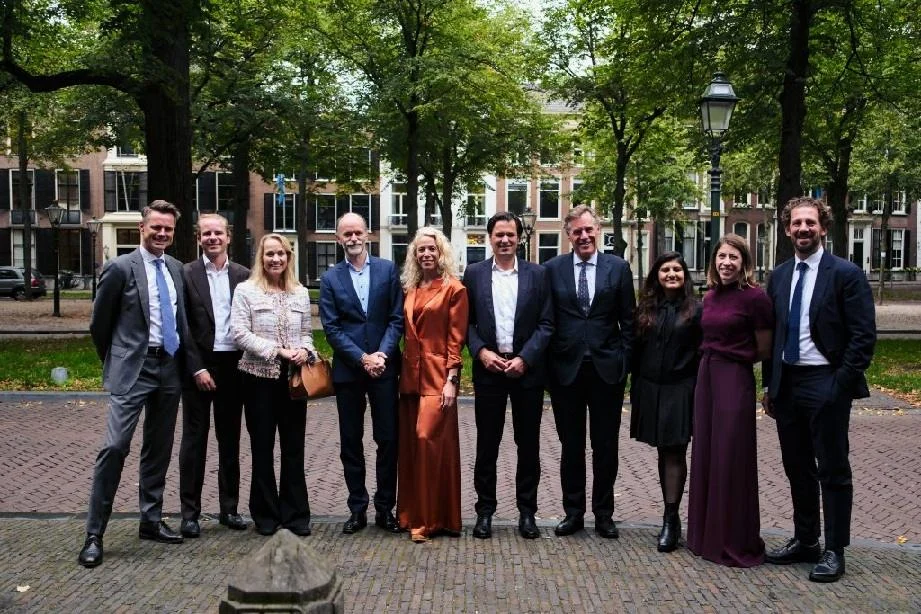
Achmea Investment Management, the dedicated investment arm of the prominent Netherlands-based insurance group Achmea, has officially entered into a strategic partnership with ILX Management, an Amsterdam-headquartered asset manager specializing in emerging market private debt. This collaboration marks the launch of a new impact investing platform specifically designed to provide Dutch pension funds with streamlined access to private credit opportunities within emerging markets and developing economies (EMDEs). The initiative arrives at a critical juncture for the global financial sector, as institutional investors face mounting pressure to align their massive capital reserves with the United Nations Sustainable Development Goals (SDGs) and the Paris Agreement on climate change.
The proposed platform aims to bridge the significant funding gap in the Global South by facilitating investments in loans originated by Multilateral Development Banks (MDBs) and other Development Finance Institutions (DFIs). By leveraging the specialized origination capabilities of these global institutions—such as the International Finance Corporation (IFC), the European Bank for Reconstruction and Development (EBRD), and the African Development Bank—the Achmea-ILX partnership seeks to offer a unique "blended finance" approach. This model allows private institutional capital to co-invest alongside public development funds, thereby mitigating risk while maximizing the measurable societal and environmental impact of the capital deployed.
Strategic Synergy and Operational Framework
The partnership is built upon a complementary division of expertise. Achmea Investment Management brings to the table its deep-rooted history in the Dutch institutional market and a robust framework for environmental, social, and governance (ESG) integration. Achmea has long prioritized four key thematic pillars: climate change mitigation, biodiversity restoration, healthcare accessibility, and the promotion of equal opportunities. These priorities will serve as the North Star for the platform’s asset selection process, ensuring that every investment contributes to at least one of these critical global challenges.
On the other side of the partnership, ILX Management provides the technical infrastructure and the specialized networks required to navigate the complexities of emerging market debt. ILX has established itself as a pioneer in the "MDB-focused" private credit space, maintaining direct relationships with the world’s leading development banks. This allows the platform to participate in syndicated loan structures—often referred to as B-loans—where the MDB remains the "lender of record." This structure is particularly attractive to pension funds because it grants them the same "preferred creditor status" typically enjoyed by MDBs, offering a layer of protection against political and transfer risks that are common in emerging economies.
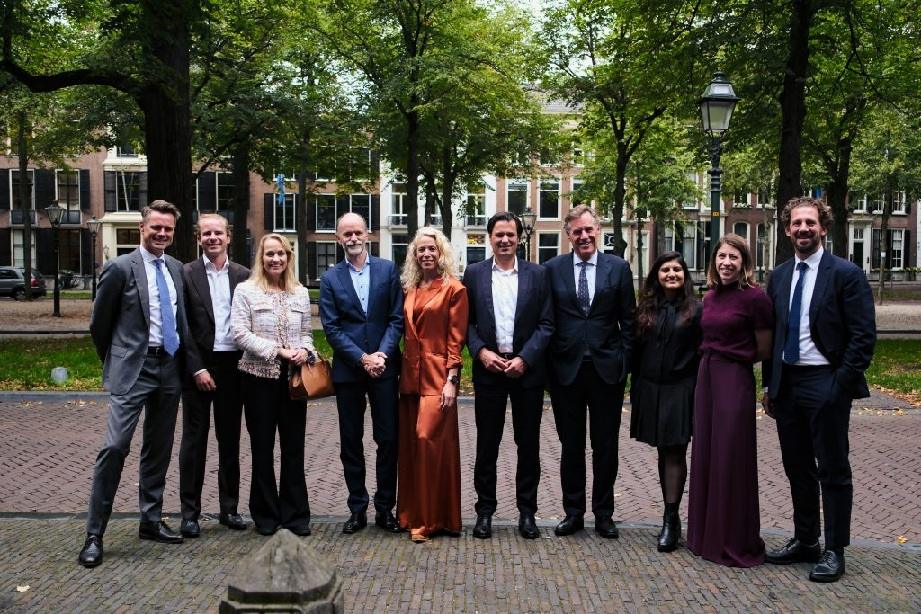
Manfred Schepers, CEO of ILX, emphasized the importance of this structural innovation, noting that by connecting public and private capital more effectively, the platform contributes to sustainable development in emerging markets while creating attractive investment opportunities for long-term investors. The sentiment was echoed by Maureen Schlejen, Chair of the Executive Board of Achmea IM, who highlighted that the partnership offers a solution for pension funds to achieve their dual mandates: securing robust financial returns for retirees while fostering a more sustainable and equitable world.
The Global Context: Addressing the Trillion-Dollar Funding Gap
The timing of this announcement is significant, given the growing urgency surrounding the "SDG Investment Gap." According to estimates by the United Nations Conference on Trade and Development (UNCTAD), the annual funding gap for achieving the SDGs in developing countries has widened to approximately $4 trillion. Traditional foreign direct investment (FDI) and official development assistance (ODA) are insufficient to meet these requirements. Consequently, the mobilization of private institutional capital—such as the €1.5 trillion managed by Dutch pension funds—is seen by global policymakers as an absolute necessity.
Emerging markets are home to 85% of the world’s population and are projected to contribute the vast majority of global economic growth over the next several decades. However, these regions are also the most vulnerable to climate change and social instability. The Achmea-ILX platform intends to target sectors that are fundamental to resilient growth, including renewable energy infrastructure, sustainable agriculture, microfinance for small and medium-sized enterprises (SMEs), and the expansion of digital connectivity. By focusing on private credit rather than public equities, the platform offers a more stable income stream, which is highly compatible with the long-term liability profiles of pension schemes.
Historical Timeline of Sustainable Finance in the Netherlands
The launch of this platform is the latest milestone in a long-standing tradition of sustainable finance within the Dutch financial ecosystem. The Netherlands has frequently been a first mover in the ESG space, driven by both regulatory foresight and societal demand.
- 2015: The Dutch Central Bank (De Nederlandsche Bank, or DNB) became the first central bank in the world to conduct a thematic review of the financial risks associated with climate change, signaling to pension funds that sustainability was a fiduciary duty.
- 2018: The Dutch Climate Agreement was signed, committing the nation’s financial sector to measuring and reporting the carbon footprint of their investments.
- 2021: The implementation of the EU’s Sustainable Finance Disclosure Regulation (SFDR) forced asset managers to categorize their funds based on sustainability objectives, leading to a surge in "Article 8" and "Article 9" funds.
- 2024-2026: A notable shift has occurred from simple "ESG integration" (which focuses on avoiding harm) to "Impact Investing" (which focuses on actively doing good). The Achmea-ILX partnership represents the maturation of this trend.
Risk Mitigation and the Role of Multilateral Banks
One of the primary hurdles for pension funds entering emerging markets is the perception of high risk. However, data from the Global Emerging Markets (GEMs) Risk Database Consortium—a group formed by MDBs to share credit performance data—suggests that default rates for MDB-originated private sector loans in emerging markets are often lower than those of comparable commercial loans in developed markets. This is largely due to the rigorous due diligence, environmental and social monitoring, and local presence that MDBs maintain in these regions.

By co-investing with these institutions, the Achmea-ILX platform provides Dutch pension funds with a diversified portfolio of hundreds of individual loans across dozens of countries. This diversification reduces idiosyncratic risk. Furthermore, the loans are typically denominated in hard currencies (such as the USD or EUR), which protects the pension funds from the volatility of local emerging market currencies.
The majority of the portfolio will consist of loans with an explicit impact objective. This means that the borrower must demonstrate a measurable contribution to social or environmental development. For instance, a loan to a solar farm in Vietnam would be tracked not just for its interest payments, but for the number of megawatt-hours of clean energy produced and the amount of CO2 emissions avoided.
Industry Reactions and Broader Implications
While the platform is primarily targeted at Dutch pension funds, its launch is being watched closely by the international investment community. Market analysts suggest that this model could serve as a blueprint for other European and North American institutional investors. The "institutionalization" of emerging market private debt is a key theme for 2026 and beyond, as investors seek "alpha" (excess returns) in an environment where developed market yields remain compressed.
Industry experts believe that the partnership will receive a warm reception from the "Big Five" Dutch pension funds (ABP, PFZW, PMT, PME, and BpfBOUW). These funds have recently faced increased scrutiny from activists and participants alike regarding their investments in fossil fuels and their commitment to global equity. A platform that offers transparent, MDB-backed impact in the Global South provides a compelling narrative for these funds to share with their stakeholders.
From a regulatory perspective, the platform aligns perfectly with the evolving definition of "fiduciary duty." The Dutch Authority for the Financial Markets (AFM) has increasingly emphasized that long-term financial stability is inextricably linked to environmental and social stability. By investing in the resilience of emerging markets, pension funds are essentially "future-proofing" the global economy in which their beneficiaries will eventually retire.

Conclusion and Future Outlook
The partnership between Achmea Investment Management and ILX Management is more than just a new financial product; it is a strategic response to the dual challenges of a changing climate and a widening global wealth gap. By providing a scalable, professionalized gateway for Dutch pension capital to flow into emerging markets, the platform addresses the urgent need for "billions to trillions" in sustainable finance.
As the platform moves from its proposal phase into full operation, the focus will shift to execution and impact measurement. The success of the venture will be judged not only by the internal rate of return (IRR) it delivers to Dutch retirees but also by the tangible improvements it fosters in the lives of people across the developing world. In an era where "impact" is often used as a marketing buzzword, the Achmea-ILX initiative stands out for its reliance on the proven, data-driven frameworks of the world’s leading development institutions.
Looking ahead, the expansion of such platforms could redefine the relationship between the Global North’s capital markets and the Global South’s development needs. If the Achmea-ILX model proves successful in the Netherlands, it may well catalyze a broader movement toward MDB-private sector partnerships across the global financial landscape, turning the tide on the SDG funding crisis and ushering in a new era of truly global sustainable development.
