


The private banking and wealth management industry is in a perpetual state of evolution, driven by technological advancements, shifting client expectations, and a dynamic global economic environment. Within this complex ecosystem, firms that can offer innovative solutions and insightful guidance stand to gain a significant competitive advantage. Rupert Thompson, a prominent figure associated with iBOSS, a company recognized for its contributions to investment management and financial advisory services, has recently highlighted key trends and opportunities shaping the sector. This article delves into the insights presented by Thompson, contextualizing them within the broader industry landscape, and exploring the implications for private banks, wealth managers, and their discerning clientele.
The Imperative for Innovation in Wealth Management
The traditional model of wealth management, characterized by a highly personalized, relationship-driven approach, remains a cornerstone of the private banking sector. However, the digital revolution has irrevocably altered client expectations and operational efficiencies. Modern clients, particularly the increasingly influential millennial and Gen Z demographics, demand greater transparency, seamless digital experiences, and investment strategies that align with their values and financial goals. This necessitates a significant overhaul of existing infrastructure and service delivery models.
Rupert Thompson’s perspective, as represented by the materials from iBOSS, underscores the critical need for firms to embrace innovation. This is not merely about adopting new technologies but about fundamentally rethinking how wealth is managed, advised upon, and delivered. The integration of artificial intelligence (AI), machine learning (ML), and advanced data analytics offers unprecedented opportunities to personalize investment portfolios, enhance risk management, and provide more proactive client service. For instance, AI-powered tools can analyze vast datasets to identify emerging market trends, predict potential risks, and optimize asset allocation with a level of precision previously unattainable. This data-driven approach allows for more sophisticated and tailored investment strategies, moving beyond generic advice to highly individualized solutions.
iBOSS and its Role in the Shifting Paradigm
While specific details of iBOSS’s operational strategies and Rupert Thompson’s direct involvement are not fully elaborated in the provided content, their association with a platform focused on premium content for the private banking and wealth management industry suggests a commitment to knowledge sharing and industry advancement. Platforms like Private Banker International, which offer exclusive forecasts, analyst insights, and in-depth industry analysis, play a crucial role in disseminating vital information to key stakeholders. The emphasis on "premium content" and "exclusive forecasts" points to a recognition of the sophisticated information needs of professionals operating within this high-stakes sector.
iBOSS, by contributing to or being featured on such platforms, likely positions itself as a thought leader or provider of solutions that address the evolving challenges and opportunities within wealth management. This could encompass a range of services, from cutting-edge investment strategies and portfolio management tools to digital advisory platforms and client engagement solutions. The mention of "premium content" implies a focus on research, data-driven insights, and strategic perspectives that are essential for navigating the complexities of the global financial markets and the increasingly intricate needs of high-net-worth (HNW) and ultra-high-net-worth (UHNW) individuals.
The Client-Centric Revolution
At the heart of any successful wealth management strategy lies a profound understanding of the client. In today’s environment, this understanding extends beyond financial objectives to encompass broader life goals, ethical considerations, and personal values. The rise of Environmental, Social, and Governance (ESG) investing, for example, reflects a growing demand from clients to align their investments with their principles. Wealth managers are increasingly expected to offer portfolios that not only generate financial returns but also contribute positively to society and the environment.

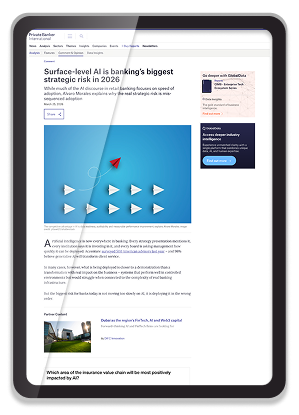
This client-centric revolution necessitates a shift from a product-centric sales approach to a holistic advisory model. Private banks and wealth management firms must act as trusted partners, providing comprehensive financial planning, estate planning, philanthropic advisory, and even lifestyle management services. The ability to offer a seamless, integrated experience across all these touchpoints, often facilitated by sophisticated digital platforms, is becoming a key differentiator. The visual element in the source content, featuring an iPad, subtly hints at the digital interface and the growing importance of accessible, user-friendly technology in client interactions.
Data-Driven Insights and Predictive Analytics
The sheer volume of financial data generated daily presents both a challenge and an immense opportunity. Firms that can effectively harness this data can gain a significant edge in understanding market dynamics, client behavior, and emerging risks. Rupert Thompson’s association with iBOSS, and the emphasis on "analyst insights" and "in-depth analysis," suggests a data-centric approach. This involves leveraging advanced analytics to:
- Identify Investment Opportunities: AI algorithms can scour global markets for undervalued assets, emerging trends, and potential growth sectors with a speed and scope that surpasses human capabilities.
- Enhance Risk Management: Predictive analytics can help identify potential market downturns, geopolitical risks, or individual client-specific vulnerabilities, allowing for proactive mitigation strategies.
- Personalize Client Portfolios: By analyzing a client’s financial situation, risk tolerance, and stated objectives, sophisticated algorithms can construct highly customized portfolios that adapt to changing circumstances.
- Improve Client Engagement: Data on client interactions, preferences, and behavior can inform more targeted and effective communication strategies, leading to stronger relationships.
For instance, consider the impact of geopolitical events on investment portfolios. Advanced data analytics can process news feeds, social media sentiment, and economic indicators to provide early warnings of potential market disruptions, allowing wealth managers to advise clients on portfolio adjustments before significant losses are incurred. This proactive risk management is a hallmark of sophisticated wealth management in the digital age.
The Evolution of Advisory Services
The role of the human advisor is not diminishing but rather evolving. As technology automates many of the transactional and analytical aspects of wealth management, human advisors can focus on higher-value activities that technology cannot replicate. These include:
- Emotional Intelligence and Empathy: Understanding and addressing a client’s emotional responses to market volatility and complex financial decisions.
- Strategic Financial Planning: Providing comprehensive guidance on long-term financial goals, legacy planning, and intergenerational wealth transfer.
- Behavioral Coaching: Helping clients avoid common behavioral biases that can lead to poor investment decisions, such as panic selling during market downturns or chasing speculative bubbles.
- Complex Problem Solving: Addressing unique client needs that require creative solutions and a deep understanding of their personal circumstances.
The optimal model, therefore, is likely a hybrid approach, where technology augments the capabilities of human advisors, creating a powerful synergy. Rupert Thompson’s insights, amplified by platforms like Private Banker International, likely aim to equip professionals with the knowledge and tools to thrive in this hybrid environment, ensuring that technology serves as an enabler rather than a replacement for human expertise.
The Competitive Landscape and Market Dynamics
The wealth management industry is highly competitive, with traditional banks, independent wealth advisors, and fintech disruptors vying for market share. Firms that can demonstrate a clear value proposition, backed by demonstrable expertise and innovative solutions, are best positioned for success. iBOSS, by engaging with content that highlights "premium content" and "exclusive forecasts," signals its intent to be a key player in this competitive arena, offering differentiated insights and potentially proprietary methodologies.
The increasing consolidation within the industry, driven by economies of scale and the need for technological investment, means that smaller players may struggle to keep pace. Larger institutions are investing heavily in digital transformation and data analytics, aiming to provide a more integrated and efficient client experience. However, this also presents opportunities for specialized firms and boutique wealth managers to carve out niches by offering highly personalized services or expertise in specific asset classes or client segments.
Regulatory and Compliance Considerations
Navigating the complex and ever-evolving regulatory landscape is a critical challenge for all firms in the wealth management sector. Increased scrutiny from regulators worldwide necessitates robust compliance frameworks, transparent reporting, and a commitment to ethical conduct. The integration of technology can aid in compliance efforts, for example, by automating regulatory reporting, monitoring transactions for suspicious activity, and ensuring adherence to data privacy regulations. However, the responsibility for oversight and strategic decision-making remains with human leadership.
The focus on "premium content" and "analyst insights" suggests that firms like iBOSS are not only concerned with innovation and client service but also with providing the intelligence necessary to navigate these regulatory complexities and to ensure that strategies are both profitable and compliant. This includes understanding the nuances of global financial regulations, anti-money laundering (AML) requirements, and Know Your Customer (KYC) protocols.
The Future of Private Banking: A Holistic Ecosystem
The future of private banking and wealth management will likely be characterized by an increasingly integrated and client-centric ecosystem. Technology will play an even more pivotal role, not only in enhancing operational efficiency and analytical capabilities but also in shaping client interactions and service delivery. The emphasis will shift from simply managing assets to providing comprehensive financial well-being solutions.
Rupert Thompson’s perspective, as communicated through platforms like Private Banker International, is indicative of a forward-thinking approach to this evolving industry. By focusing on premium content, expert analysis, and exclusive forecasts, such initiatives aim to empower professionals with the knowledge and foresight needed to:
- Anticipate Market Shifts: Staying ahead of global economic trends, geopolitical developments, and technological disruptions.
- Deepen Client Relationships: Understanding evolving client needs and offering tailored solutions that go beyond traditional investment advice.
- Leverage Technological Advancements: Effectively integrating AI, ML, and data analytics to enhance service delivery and operational efficiency.
- Maintain Competitive Edge: Differentiating through innovation, expertise, and a commitment to client success.
The "ray of sunshine" metaphor, when applied to this context, suggests optimism and a positive outlook for the industry, provided that firms are willing to embrace change, invest in innovation, and prioritize the evolving needs of their clients. The path forward requires a blend of technological sophistication, deep market understanding, and an unwavering commitment to client-centricity, all of which appear to be central to the discourse surrounding Rupert Thompson and iBOSS within the private banking and wealth management sphere. The ongoing dialogue and the dissemination of such valuable insights are crucial for driving progress and ensuring the continued health and prosperity of this vital financial sector.
