

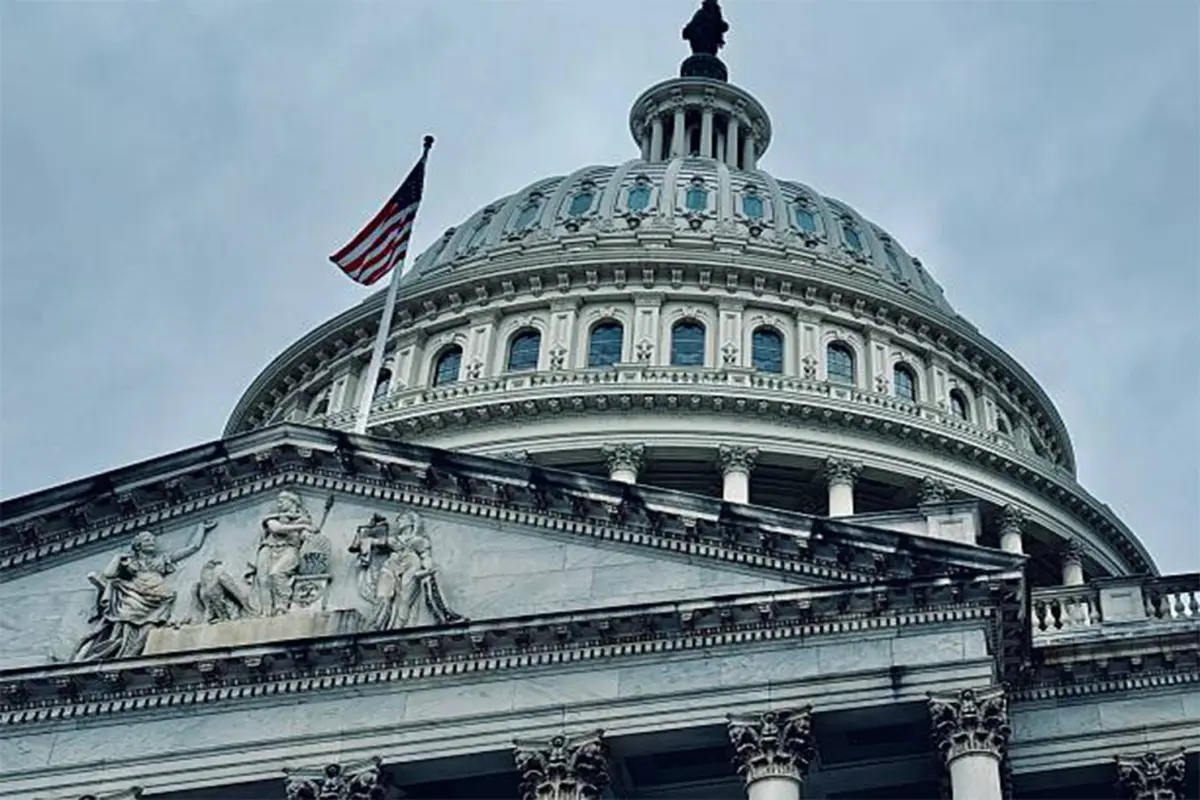
The recent mid-term election results are poised to introduce a complex new landscape for estate planning practitioners and wealth advisors, potentially reshaping legislative priorities and regulatory environments. As political power dynamics shift, understanding the implications of these electoral outcomes is crucial for professionals tasked with guiding clients through intricate wealth transfer strategies and for ensuring compliance with evolving legal frameworks. This analysis delves into the projected impacts of the mid-term elections on estate planning, drawing on historical trends, expert commentary, and the inherent uncertainties of political forecasting.
The Political Pendulum and Estate Planning Legislation
Historically, mid-term election outcomes have often signaled a shift in the legislative agenda, with the party gaining control of one or both houses of Congress often asserting greater influence over policy development. In the realm of estate planning, this can translate into significant changes concerning tax laws, particularly those that affect wealth transfer, such as the estate tax, gift tax, and generation-skipping transfer tax.
For instance, a shift in congressional control could lead to renewed debates about the exemption amounts for these taxes. During periods of unified government, particularly when one party holds a strong majority, there can be a greater appetite for substantial legislative reforms. Conversely, a divided government often results in legislative gridlock, where significant policy changes are more difficult to enact, leading to a period of relative stability, albeit one that may still be subject to executive actions or regulatory adjustments.
Historical Precedents and Projections
Examining past election cycles provides a valuable lens through which to assess potential future developments. Following elections that have led to significant power shifts, the subsequent legislative sessions have often seen attempts to either expand or contract the scope of estate and gift tax provisions. For example, periods following elections where the Republican party has gained substantial influence have sometimes seen proposals aimed at further reducing or even eliminating estate taxes, while periods with Democratic majorities have occasionally explored increasing these taxes or lowering exemption thresholds.
The current political climate, characterized by a finely balanced Congress and a deeply divided electorate, suggests that any legislative action related to estate planning will likely be the result of intense negotiation and compromise. This could lead to incremental changes rather than sweeping overhauls, or it could stall any significant legislative efforts altogether.
Key Areas of Potential Impact
Several key areas within estate planning are particularly sensitive to political shifts:
Estate, Gift, and Generation-Skipping Transfer (GST) Taxes
The exemption amounts for federal estate, gift, and GST taxes are subject to annual inflation adjustments and can be altered by congressional legislation. A significant change in the composition of Congress could lead to efforts to either increase these exemptions, thereby reducing the number of estates subject to taxation, or decrease them, bringing more wealth into the taxable bracket. The current federal estate tax exemption is at a historically high level, a result of previous legislative actions. Any move to lower this exemption would have a profound impact on high-net-worth individuals and their estate plans.
The Future of the STEP Act and Similar Legislation
Proposals such as the Stop Taxes on Giving and Inheriting (STEP) Act, which have aimed to repeal the estate tax, often gain traction when certain political parties hold greater sway. Conversely, legislation that seeks to strengthen or expand estate tax provisions might emerge under different political alignments. The specific legislative proposals that gain momentum will be a direct reflection of the prevailing political winds.
Trust and Estate Law Modernization
Beyond tax law, broader reforms to trust and estate statutes at both the federal and state levels can be influenced by election outcomes. This can include changes to rules governing fiduciary duties, probate procedures, and the creation and administration of various types of trusts. While often a slower-moving area, legislative sessions following mid-term elections can sometimes see renewed focus on modernizing these legal frameworks to align with contemporary financial practices and societal needs.
Regulatory Environment and IRS Enforcement
Election results can also indirectly influence the regulatory environment for wealth advisors and estate planners. Changes in administration or congressional oversight can affect the priorities of regulatory bodies like the Internal Revenue Service (IRS). This could lead to shifts in audit priorities, enforcement strategies, or the issuance of new guidance and regulations that impact how estate plans are structured and administered. For example, an administration with a focus on tax fairness might direct the IRS to increase scrutiny on high-net-worth individuals’ tax filings and estate plans.
Implications for Practitioners and Wealth Advisors
The uncertainty stemming from election results necessitates a proactive and adaptable approach from estate planning attorneys, financial advisors, and wealth managers.
Enhanced Client Communication and Education
A primary responsibility for advisors will be to clearly and concisely communicate the potential implications of the election results to their clients. This involves educating clients about possible legislative changes, explaining how these changes might affect their existing estate plans, and advising on potential adjustments. Open and transparent communication can help alleviate client anxiety and ensure that their wealth transfer strategies remain aligned with their goals.
Strategic Review and Planning
Professionals will need to conduct thorough reviews of their clients’ existing estate plans. This includes assessing the resilience of current strategies in the face of potential tax law changes. For example, clients who have recently implemented complex gifting strategies based on current exemption levels might need to re-evaluate their approach if those levels are subject to reduction. Similarly, advisors may need to explore alternative planning techniques that offer greater flexibility and protection against legislative shifts.
Diversification of Planning Strategies
In an environment of potential legislative flux, advisors may find it beneficial to diversify the planning strategies they recommend. This could involve exploring a wider range of trust structures, considering different asset allocation models for estate planning purposes, and advising on the strategic use of charitable giving vehicles. The goal is to build plans that are robust enough to withstand various political and economic scenarios.
Collaboration and Professional Development
The evolving landscape underscores the importance of collaboration among legal, tax, and financial professionals. Estate planning is an interdisciplinary field, and effective navigation of its complexities requires close coordination between attorneys, CPAs, financial planners, and insurance specialists. Furthermore, continuous professional development will be essential for staying abreast of new legislation, regulatory changes, and emerging best practices in estate planning.
The T&E Inner Circle Expert Sessions: A Resource for Navigating Change
Recognizing the critical need for timely and expert insights, The T&E Inner Circle is offering a series of subscriber-exclusive webinars designed to address pressing issues in estate planning. One such session, focusing on "Discussion on how mid-term election results may affect estate planning and what they portend for practitioners and wealth advisors," highlights the commitment of these organizations to equipping professionals with the knowledge and strategies necessary to adapt to the post-election environment.
These Expert Sessions are structured as 30-minute presentations followed by a question-and-answer period, providing a focused and interactive platform for learning. The featured speakers are recognized subject matter experts with extensive experience in estate planning, offering invaluable perspectives on navigating the complexities of the current landscape. These webinars are not merely informational; they represent an opportunity for professionals to gain actionable strategies and to engage directly with leading minds in the field.
The T&E Inner Circle, as a subscriber benefit, aims to foster a community of informed and adept estate planning professionals. By providing access to these exclusive discussions, the organization empowers its members to stay ahead of legislative changes, refine their advisory services, and ultimately, better serve their clients. The timing of such sessions, following closely on the heels of significant electoral events, underscores their relevance and immediate applicability.
The Value Proposition for Subscribers
Subscribing to The T&E Inner Circle offers a multifaceted value proposition. Beyond the immediate benefit of accessing these critical Expert Sessions, subscribers gain entry into a network of leading estate planning professionals. The content provided is designed to be both timely and evergreen, offering insights that remain relevant as legislative and economic landscapes evolve. For practitioners and wealth advisors, staying informed is not just a professional obligation; it is a fundamental component of delivering effective and trustworthy counsel to clients.
The automatic registration for webinars upon subscription ensures that members do not miss out on these opportunities. The subsequent delivery of calendar invites serves as a practical reminder, facilitating seamless integration of these professional development activities into busy schedules. This streamlined approach underscores the organization’s commitment to making high-quality, expert-led education accessible and convenient.
Broader Impact and Future Outlook
The ramifications of the mid-term elections extend beyond the immediate concerns of estate planning practitioners. They touch upon broader economic policies, intergenerational wealth transfer, and the overall financial health of families. A more aggressive estate tax regime, for instance, could influence investment strategies, philanthropic decisions, and the perpetuation of family businesses. Conversely, a more lenient approach might encourage greater capital accumulation and investment.
The ongoing dialogue surrounding wealth inequality and tax fairness is likely to remain a prominent feature of the political landscape, regardless of specific election outcomes. Estate planning professionals will need to be adept at navigating these broader societal discussions while remaining focused on the individual needs and objectives of their clients.
In conclusion, the mid-term election results represent a pivotal moment for the estate planning and wealth advisory sectors. The potential for legislative shifts necessitates vigilance, strategic planning, and a commitment to continuous learning. Resources like The T&E Inner Circle Expert Sessions play a vital role in providing professionals with the knowledge and tools required to adapt to these changes, ensuring that they can continue to offer expert guidance in an ever-evolving environment. The ability to anticipate, analyze, and respond to political developments will be a hallmark of successful estate planning practices in the years to come.
