


The burgeoning field of real estate tokenization, a complex intersection of traditional finance and cutting-edge blockchain technology, continues to be a focal point for innovative investment strategies. This in-depth exploration, the third installment of a CAIA mini-course authored by Stylianos Kampakis PhD, CEO of Tesseract Academy and a member of the Quantum Finance Boardroom, delves into the critical legal and regulatory considerations that underpin the successful tokenization of real assets. Dr. Kampakis’s ongoing work, presented in this series, aims to demystify the process and highlight the essential frameworks necessary for navigating this evolving landscape.
Navigating the Legal and Regulatory Labyrinth of Real Asset Tokenization
The fundamental principle governing the tokenization of real assets is that technological innovation does not operate in a legal vacuum. Despite the decentralized and borderless nature often associated with blockchain, tokenized real estate remains subject to the same foundational laws and regulations that govern its physical, off-chain counterpart. The primary challenge lies in meticulously mapping these established legal principles onto the novel architecture of a blockchain-based system. This requires a sophisticated understanding of how existing frameworks for property law, securities regulation, and investor protection translate to digital representations of ownership and value.
Jurisdictional Ambiguities in the Digital Realm
A significant area of legal complexity arises from the question of jurisdiction. Traditional legal systems often define the jurisdiction of a security based on where it is "issued." In the context of blockchain, particularly public networks like Ethereum, this concept becomes ambiguous. While regulators typically focus on the physical location of the issuer and the investors, the decentralized nature of blockchain, with its distributed nodes, introduces an evolving territory for legal interpretation.
However, forward-thinking jurisdictions are beginning to acknowledge and adapt to this new paradigm. Countries such as Liechtenstein have enacted legislation that explicitly recognizes on-chain transfers as legally effective, provided certain conditions are met. Similarly, France has made strides in establishing a legal framework that accommodates digital asset transfers within its existing legal structures. These developments signal a global trend towards regulatory clarity, aiming to provide a secure and predictable environment for the tokenization of real assets.
Key Considerations for Legal and Regulatory Compliance
For any entity embarking on a real estate tokenization initiative, a thorough understanding of the following high-level legal and regulatory points is indispensable:
- Securities Laws: Depending on the structure and rights conferred by the token, it may be classified as a security. This triggers a cascade of regulatory obligations, including registration requirements, disclosure mandates, and investor suitability rules, akin to traditional security offerings. The Securities and Exchange Commission (SEC) in the United States, for example, has been actively scrutinizing tokenized offerings to determine their classification and ensure compliance with federal securities laws. The Howey Test, a long-standing legal precedent, remains a crucial tool in this determination.
- Property Law: The underlying legal rights associated with the real estate asset must be clearly defined and legally transferable to the token holder. This involves ensuring that the token represents a legitimate claim or interest in the property, whether it be direct ownership, fractional ownership, or a beneficial interest. The legal framework must also address the transferability of these rights, ensuring that the blockchain record accurately reflects legal ownership changes.
- Anti-Money Laundering (AML) and Know Your Customer (KYC) Regulations: Compliance with AML and KYC regulations is paramount to prevent illicit activities. Token issuers must implement robust identity verification processes for investors, mirroring the requirements for traditional financial institutions. This ensures that the origin of funds used to purchase tokens is legitimate and that the identity of investors is known.
- Consumer Protection Laws: Investors in tokenized real estate, particularly retail investors, are entitled to protection under consumer protection laws. This includes ensuring transparency in marketing materials, clear disclosure of risks, and fair contractual terms. The digital nature of tokens does not exempt issuers from these fundamental obligations.
- Data Privacy: As with any digital transaction, the handling of investor data must comply with relevant data privacy regulations, such as the General Data Protection Regulation (GDPR) in Europe. This involves securing personal information and obtaining explicit consent for its use.
- Smart Contract Legality: The legal enforceability of smart contracts, which often govern the automated execution of tokenized asset transactions, is an area of ongoing legal development. While smart contracts offer efficiency, their legal standing and interpretation in dispute resolution are still being refined across various jurisdictions.
The Evolving Regulatory Landscape: A Dynamic Environment
It is crucial to emphasize that the regulatory environment surrounding tokenization is not static; it is a dynamic and rapidly evolving space. Legislators and regulatory bodies worldwide are continuously evaluating and adapting their frameworks to address the complexities introduced by blockchain technology. This necessitates a proactive and ongoing engagement with legal counsel and regulatory experts.
Background Context: The Rise of Real Estate Tokenization
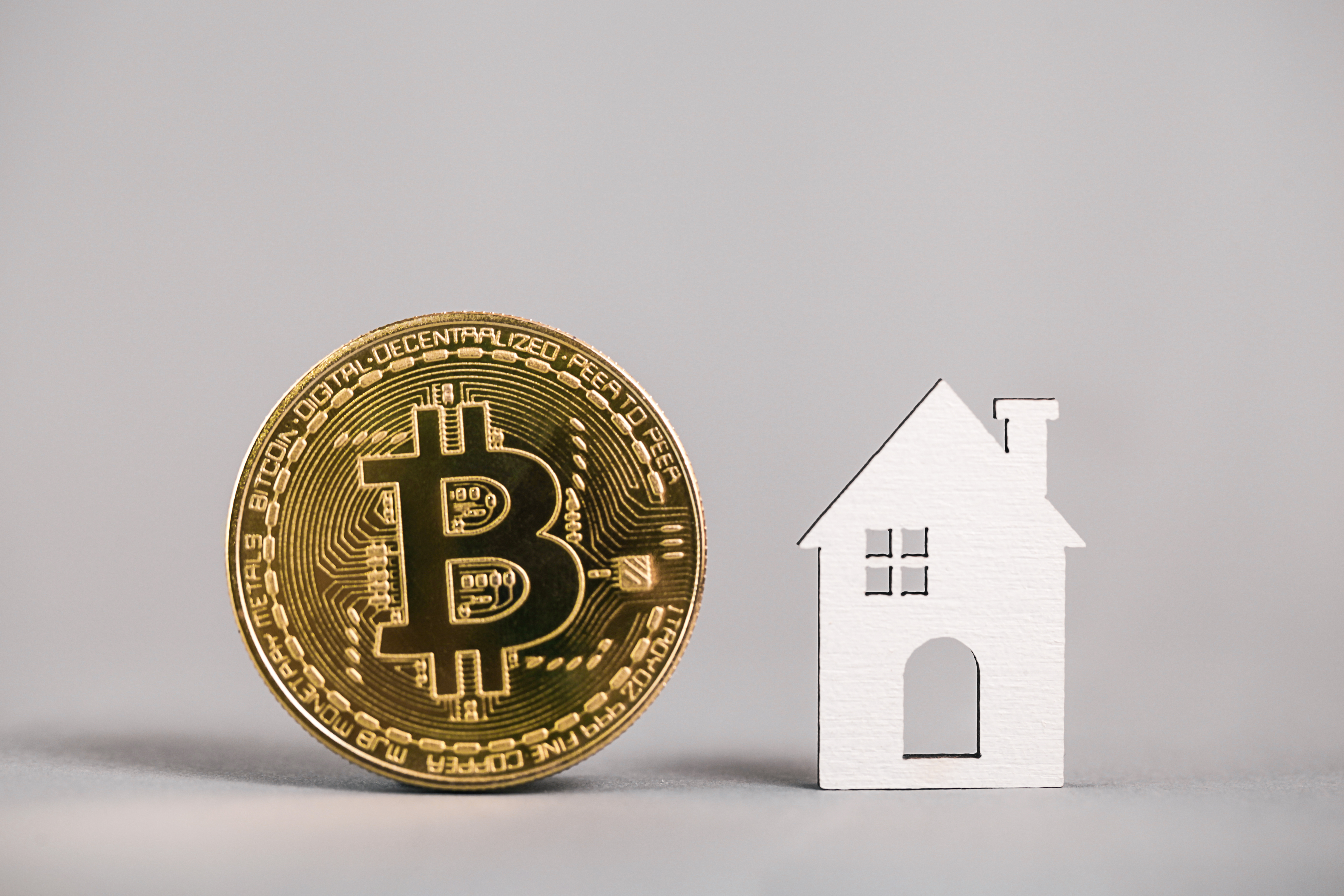
The concept of tokenizing real assets, particularly real estate, gained significant traction in the wake of the 2008 financial crisis and the subsequent emergence of blockchain technology. Traditional real estate investment, while historically a stable and tangible asset class, often suffers from illiquidity, high transaction costs, and significant barriers to entry for smaller investors. Tokenization offers a potential solution by:
- Increasing Liquidity: By dividing a property into smaller, tradable digital tokens, it becomes easier to buy and sell fractional ownership stakes, thereby enhancing liquidity.
- Lowering Transaction Costs: Blockchain technology can streamline many of the intermediaries involved in traditional real estate transactions, potentially reducing fees associated with brokers, lawyers, and title companies.
- Democratizing Access: Tokenization can lower the minimum investment threshold, allowing a broader range of investors to participate in real estate markets previously accessible only to institutional or high-net-worth individuals.
- Enhancing Transparency and Efficiency: Blockchain’s immutable ledger provides a transparent and verifiable record of ownership and transactions, reducing the potential for fraud and disputes.
The journey towards widespread real estate tokenization has been marked by various pilot projects and innovative platforms. Early initiatives often focused on single properties or portfolios, testing the technological and legal feasibility of the concept. As the technology matured and regulatory clarity began to emerge, the scope of tokenization expanded to encompass larger commercial properties, development projects, and even entire real estate investment trusts (REITs).
Timeline and Chronology of Key Developments
While a precise, universally agreed-upon timeline for real estate tokenization is difficult to pinpoint due to its iterative nature, several key periods and developments can be identified:
- Pre-2017: Early explorations into digital assets and blockchain technology, with limited focus on tokenizing tangible assets like real estate.
- 2017-2018: The initial surge of interest in cryptocurrencies and initial coin offerings (ICOs) sparked broader discussions about tokenization, including its application to real assets. Some early-stage projects focused on real estate began to emerge, often facing significant regulatory uncertainty.
- 2019-2020: Regulatory bodies, such as the SEC, began issuing guidance and enforcement actions related to tokenized offerings, providing some clarity (albeit often through enforcement) on securities classification. This period saw a shift towards more compliant and regulated approaches, with a focus on security tokens.
- 2021-2022: Increased institutional interest in blockchain and digital assets, including real estate tokenization. Several platforms and companies began to offer tokenized real estate investment opportunities, often targeting accredited investors. Jurisdictions like Switzerland and Singapore also saw the development of regulatory frameworks for digital assets.
- 2023-Present: Continued innovation in the space, with a focus on scalability, interoperability, and broader market adoption. Efforts to bridge the gap between traditional finance and the digital asset world are intensifying, with an emphasis on robust legal and compliance frameworks. The CAIA mini-course itself signifies the growing recognition of this area within professional investment education.
Statements and Reactions from Related Parties (Inferred)
The advancements in real estate tokenization have elicited a spectrum of reactions from various stakeholders:
- Real Estate Developers and Owners: Many see tokenization as a powerful tool to unlock capital, diversify funding sources, and access a wider pool of investors for their projects. They are keenly interested in the efficiency gains and potential for fractional ownership models.
- Institutional Investors: While some institutions remain cautious due to regulatory uncertainties and the nascent nature of the technology, others are actively exploring tokenized real estate as a means to diversify their portfolios and gain exposure to alternative asset classes with potentially higher returns. They often emphasize the need for robust due diligence, clear legal structures, and strong counterparty risk management.
- Retail Investors: The prospect of investing in high-value real estate with smaller capital outlays is attractive. However, concerns about investor protection, the volatility of digital assets, and the need for clear understanding of the underlying rights remain significant. Educational initiatives like this CAIA mini-course are vital for empowering retail participants.
- Regulators: Regulators worldwide are navigating a delicate balance between fostering innovation and protecting investors. Their statements often highlight the need for clear legal frameworks, robust compliance measures, and a thorough understanding of the risks involved. The evolution of regulations in jurisdictions like the EU (e.g., MiCA – Markets in Crypto-Assets regulation) reflects this ongoing effort.
- Legal and Compliance Experts: These professionals are at the forefront of interpreting and applying existing laws to the new paradigm of tokenization. They emphasize the critical need for specialized legal advice and the importance of staying abreast of evolving regulatory landscapes.
Broader Impact and Implications
The successful and widespread adoption of real estate tokenization has profound implications for the future of finance and investment:
- Transformation of Capital Markets: Tokenization has the potential to revolutionize capital markets by creating more efficient, accessible, and liquid markets for a wider range of assets. This could lead to a significant shift away from traditional, often opaque, financial instruments.
- Increased Financial Inclusion: By lowering barriers to entry, tokenization can foster greater financial inclusion, allowing individuals from diverse economic backgrounds to participate in wealth-building opportunities.
- Innovation in Investment Products: The underlying technology can enable the creation of novel investment products and strategies, offering greater customization and flexibility to investors.
- Challenges to Traditional Intermediaries: As tokenization streamlines processes, it may challenge the traditional roles of intermediaries in real estate transactions, potentially leading to disintermediation and new business models.
- Global Economic Integration: By facilitating cross-border investment in real assets, tokenization can foster greater global economic integration and capital flows.
Conclusion
The CAIA mini-course on the crypto tokenization of real assets, as presented by Dr. Stylianos Kampakis, underscores the critical importance of legal and regulatory diligence. While the technological advancements of blockchain offer compelling benefits for the real estate sector, their successful implementation hinges on a deep understanding and adherence to established legal principles. As the regulatory landscape continues to mature, the path towards widespread real estate tokenization will be paved with careful planning, expert legal counsel, and a commitment to transparency and investor protection. The journey is complex, but the potential rewards in terms of liquidity, accessibility, and efficiency for the global real estate market are substantial.
For those seeking to delve deeper into the professional network shaping the future of investing, the CAIA Association offers valuable resources and community engagement. Further information can be found by visiting https://caia.org/.
