

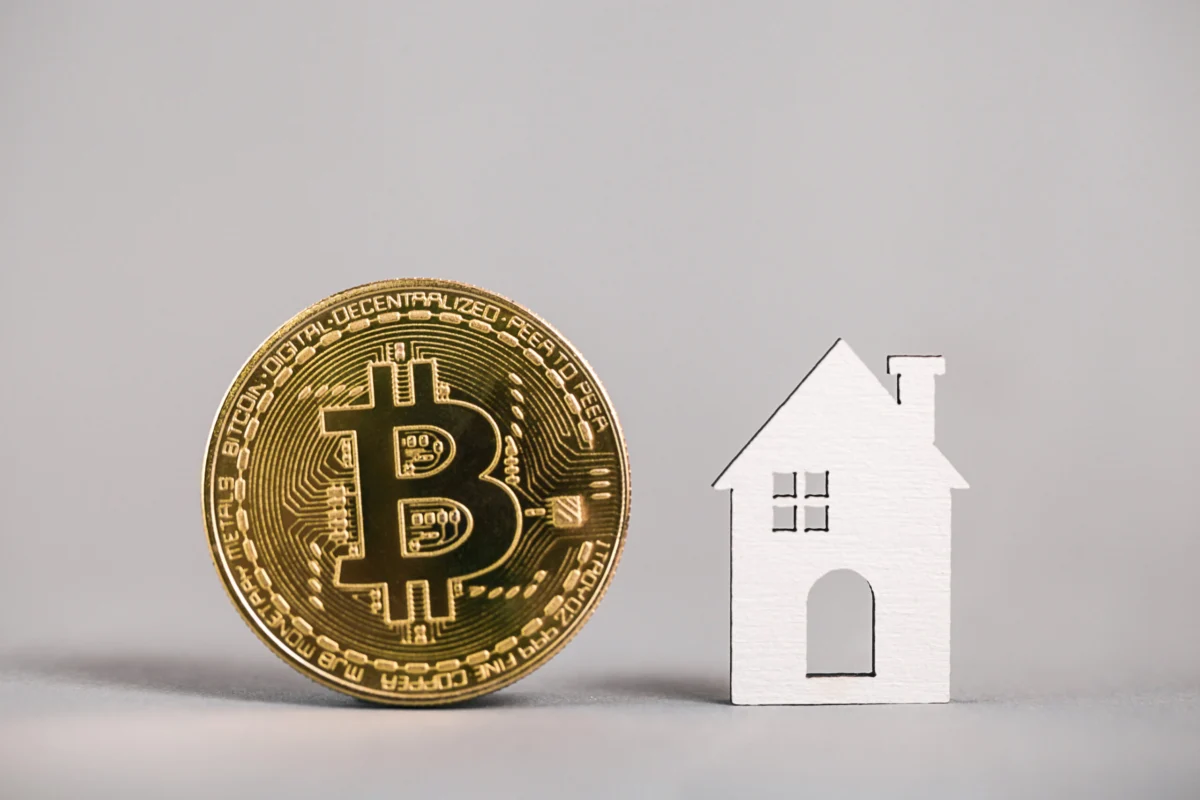
The burgeoning field of real estate tokenization is undergoing a significant expansion, driven by technological advancements and a growing interest in making illiquid assets more accessible and tradable. As the fourth installment of a special mini-course series hosted by the CAIA Association, this article delves into the critical technological underpinnings of real estate tokenization, focusing on the platform and stack choices available to asset issuers. Authored by Stylianos Kampakis PhD, CEO of Tesseract Academy and a member of the Quantum Finance Boardroom, the series aims to demystify the process of tokenizing real-world assets, with a particular emphasis on the real estate sector. This segment of the course addresses the crucial decision-making process involved in selecting the appropriate technological infrastructure, highlighting that building a tokenization system from scratch is often unnecessary due to the increasing maturity of available platforms and tools.
The Evolving Landscape of Tokenization Platforms
The tokenization of real assets, particularly real estate, represents a paradigm shift in how property ownership and investment are perceived. Historically, real estate has been characterized by high entry barriers, lengthy transaction times, and limited liquidity. Tokenization, by leveraging blockchain technology, promises to democratize access to real estate investments, enable fractional ownership, and streamline secondary market trading. This evolution is not merely theoretical; a growing number of pilot projects and commercial ventures are actively exploring and implementing tokenized real estate offerings. For instance, according to a report by Statista, the global real estate tokenization market is projected to grow significantly in the coming years, with some estimates suggesting it could reach trillions of dollars by the end of the decade. This growth trajectory underscores the importance of robust and scalable technological solutions.
Dr. Kampakis’s contribution to this CAIA mini-course series is timely, offering practical guidance to industry professionals navigating this complex technological terrain. The core message of this installment is clear: issuers do not need to reinvent the wheel. A diverse ecosystem of platforms and tools has emerged, designed to facilitate the tokenization of assets and their subsequent management. The selection of the right technology stack, therefore, becomes a strategic imperative. This choice must be carefully aligned with an issuer’s specific requirements, including regulatory compliance, the investment preferences of their target audience, and the seamless integration with existing or future secondary trading venues.
Key Considerations for Technology Stack Selection
Choosing the right technology stack for real estate tokenization involves a multifaceted evaluation process. Several critical factors must be considered to ensure the chosen solution is not only functional but also sustainable, compliant, and investor-friendly.
-
Compliance and Regulatory Adherence: This is perhaps the most paramount consideration. Real estate is a heavily regulated industry, and tokenizing it introduces additional layers of compliance related to securities laws, anti-money laundering (AML), and know-your-customer (KYC) regulations. The chosen platform must be capable of embedding these compliance mechanisms directly into the tokenization process. This can include features for investor accreditation, transaction monitoring, and adherence to jurisdictional requirements. For example, platforms that support the creation of Security Token Offerings (STOs) often have built-in features for managing accredited investor status and distributing dividend-like payments, mimicking traditional securities. The ability to enforce transfer restrictions based on regulatory requirements is also crucial.
-
Scalability and Performance: As real estate tokenization gains traction, the underlying technology must be able to handle a growing number of assets, transactions, and users. Scalability ensures that the platform can accommodate increased demand without experiencing performance degradation. This includes the ability to process a high volume of transactions efficiently, manage large datasets of asset information, and support a growing user base. The choice of blockchain (e.g., public, private, or consortium) and its associated consensus mechanism significantly impacts scalability and transaction speed.
-
Security and Data Integrity: The immutability and security of blockchain technology are fundamental to tokenization. However, the platforms built on top of blockchains must also prioritize robust security measures to protect against cyber threats, unauthorized access, and data breaches. This includes secure smart contract development, robust key management solutions, and regular security audits. Ensuring the integrity of asset-related data, such as property deeds, valuation reports, and ownership records, is also critical for maintaining trust and value.
-
Investor Experience and Accessibility: The ultimate goal of tokenization is to enhance investor access and experience. The chosen technology stack should facilitate a user-friendly interface for investors to view their holdings, receive updates, and participate in secondary market trading. This might involve web portals, mobile applications, and seamless integration with digital wallets. The ease with which investors can onboard, manage their investments, and exit can significantly influence the success of a tokenized real estate offering.
-
Interoperability and Integration: In an increasingly interconnected financial ecosystem, the ability of the tokenization platform to interoperate with other systems is vital. This includes integration with traditional financial infrastructure, such as custodian services, payment gateways, and brokerage platforms. Furthermore, compatibility with various secondary markets or decentralized exchanges (DEXs) where tokenized assets can be traded is essential for providing liquidity. Open standards and APIs can facilitate these integrations.
-
Smart Contract Functionality: Smart contracts are the backbone of tokenization, automating the execution of agreements and the management of token lifecycles. The platform should support the development and deployment of sophisticated smart contracts that can handle complex logic, such as dividend distribution, voting rights, and automated compliance checks. The programming language and development environment offered by the platform are key considerations here.
-
Asset Management Capabilities: Beyond issuance, the technology stack must provide robust tools for ongoing asset management. This includes features for managing property portfolios, tracking performance metrics, facilitating rent collection or income distribution, and handling corporate actions related to the underlying real estate.
Available Technology Platforms and Stacks
The market offers a spectrum of solutions, ranging from fully managed platforms to modular development kits. Understanding these options is crucial for making an informed decision.
-
Managed Tokenization Platforms: These platforms offer end-to-end solutions, abstracting away much of the underlying technical complexity. They typically provide a user-friendly interface for issuers to create, manage, and distribute security tokens. These platforms often handle aspects like blockchain integration, smart contract deployment, compliance tools, and investor onboarding. Examples might include platforms specifically designed for security token issuance that support real estate. These platforms often leverage established blockchain protocols like Ethereum (with ERC-20 or ERC-1400 standards), Polygon, or specialized enterprise blockchains. The advantage is speed to market and reduced technical overhead. However, they may offer less customization and can be more expensive in the long run.
-
Blockchain-as-a-Service (BaaS) Providers: BaaS providers offer cloud-based infrastructure and tools that allow businesses to build and deploy blockchain applications without managing the underlying network. Companies like IBM, Microsoft Azure, and Amazon Web Services (AWS) offer BaaS solutions that can be tailored for tokenization. Issuers can leverage these services to create private or consortium blockchains, deploy smart contracts, and integrate with other cloud services. This offers more flexibility and control than managed platforms but requires more in-house technical expertise.
-
Tokenization SDKs and Frameworks: For organizations with strong in-house development capabilities, Software Development Kits (SDKs) and open-source frameworks provide the building blocks for custom tokenization solutions. These kits allow developers to leverage pre-built components for smart contract creation, token management, and blockchain interaction, while maintaining complete control over the architecture and technology choices. Popular frameworks like OpenZeppelin for Solidity smart contract development on Ethereum can be instrumental. This approach offers maximum customization and potential cost savings but demands significant technical resources and time.
-
Specialized Real Estate Tokenization Solutions: As the market matures, certain companies are emerging that focus specifically on tokenizing real estate assets. These solutions may offer specialized features tailored to the unique needs of the real estate industry, such as integration with property management software, advanced valuation tools, and specific legal frameworks for tokenized property.
Key Takeaways – Tech Stack: A Foundation for Success
The strategic selection of a technology stack is not merely a technical decision; it is a foundational element that underpins the entire lifecycle of a tokenized real estate asset. Dr. Kampakis emphasizes that by making informed technology choices, issuers lay the groundwork for a system that can smoothly handle the complexities of a token’s existence – from its initial issuance and distribution to its ongoing management and eventual trading on secondary markets.
This thoughtful approach ensures that all participants – issuers, investors, and regulators – have a secure, compliant, and efficient experience. A well-chosen stack can mitigate risks, enhance operational efficiency, and ultimately contribute to the long-term success and liquidity of tokenized real estate investments. It enables the realization of the core promise of tokenization: to unlock liquidity, democratize access, and create more efficient and transparent real estate markets.
The CAIA Association, through initiatives like this mini-course series, continues to play a pivotal role in educating and empowering professionals to navigate the evolving landscape of alternative investments. By fostering a deeper understanding of both the financial and technological aspects of emerging asset classes like tokenized real estate, CAIA aims to shape a more informed and dynamic investment future.
For those seeking to deepen their engagement with the professional community shaping the future of investing, the CAIA Association offers resources and opportunities to become part of this transformative movement. Further information can be found by visiting https://caia.org/.
