

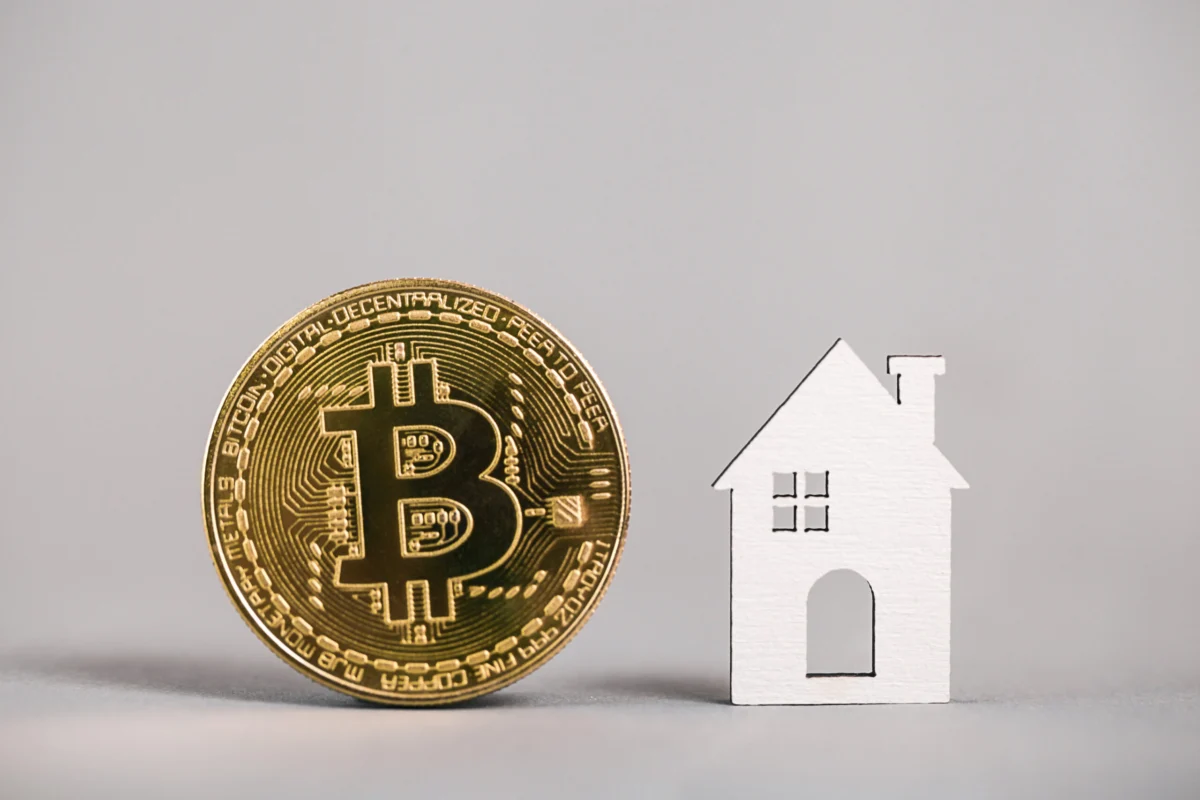
The burgeoning field of digital asset innovation is poised to fundamentally reshape traditional investment landscapes, with real estate emerging as a prime candidate for transformation. A new mini-course, presented by the CAIA Association and featuring the expertise of Stylianos Kampakis PhD, CEO of Tesseract Academy and a member of the Quantum Finance Boardroom, aims to demystify the complex process of real estate tokenization. This initiative promises to illuminate the practical applications, underlying benefits, and future implications of representing tangible assets as digital tokens on blockchain technology.
The series, which will unfold in a chapter-by-chapter format, begins with a foundational exploration of what tokenization entails and its significance for the real estate sector. Dr. Kampakis’s work underscores the notion that tokenization is not merely a technological trend but a strategic evolution in asset management and accessibility.
Understanding Asset Tokenization: The Digital Twin of Ownership
At its core, asset tokenization is the process of converting real-world assets, or specific rights associated with them, into digital tokens residing on a blockchain. These tokens serve as digital representations, capable of seamless transfer and management on distributed ledger technology. Crucially, however, the underlying physical asset, such as a property or a fractional ownership stake, remains governed and legally owned through established traditional frameworks. In essence, the token acts as a digital proxy, a verifiable and immutable record of ownership that can be readily traded and managed.
This concept of a "digital twin" for ownership records is central to understanding the appeal of tokenization. It bridges the gap between the tangible world of physical assets and the digital realm of blockchain, promising a more efficient and accessible future for investment.
The Transformative Promise of Tokenization in Real Estate
The excitement surrounding the tokenization of real assets, particularly real estate, stems from a compelling confluence of factors: enhanced liquidity, democratized access, and sophisticated automation capabilities. By breaking down traditionally illiquid assets into smaller, more manageable digital units, tokenization can unlock significant capital and broaden the investor base.
Key Business Benefits and High-Impact Use Cases:
The practical implications of tokenization extend across several critical areas of real estate investment and management:
-
Increased Liquidity: Real estate has historically been characterized by its illiquidity, with transactions often taking months to complete due to complex legal processes, due diligence, and the need for significant capital. Tokenization can fractionalize property ownership into smaller digital tokens, making them more easily divisible and tradable on secondary markets. This allows investors to buy and sell stakes in properties more rapidly, akin to trading stocks, thereby injecting much-needed liquidity into the market. For instance, a large commercial building could be tokenized into thousands of individual tokens, each representing a small fraction of ownership, making it accessible to a wider array of investors, from institutional funds to individual retail participants.
-
Broader Investor Access and Democratization: The high capital requirements for direct real estate investment often exclude a significant portion of the population. Tokenization lowers these barriers to entry by enabling fractional ownership. Investors can acquire tokens representing small percentages of high-value properties, allowing them to participate in markets previously out of reach. This democratization of investment can lead to a more diverse and inclusive real estate ecosystem. Imagine a scenario where a student can invest in a fraction of a student housing complex or a family can pool resources to acquire tokens representing a share of a vacation rental property.
-
Enhanced Efficiency and Automation: Blockchain technology’s inherent characteristics, such as immutability, transparency, and the ability to execute smart contracts, can automate many of the laborious and time-consuming processes associated with real estate transactions. This includes tasks like dividend distribution, rental income collection, compliance checks, and even property management updates. Smart contracts can be programmed to automatically disburse rental income to token holders based on predefined terms, eliminating manual accounting and reducing administrative overhead. This automation can significantly reduce transaction costs and the potential for human error.
-
Improved Transparency and Security: Blockchain provides an immutable and transparent ledger of all transactions. This means that ownership records and transaction histories are verifiable and tamper-proof, enhancing trust and security for all parties involved. Each token’s lifecycle, from issuance to transfer, is recorded on the blockchain, offering an unprecedented level of auditability. This transparency can help mitigate fraud and disputes, creating a more secure investment environment.
-
Global Reach and 24/7 Trading: Digital tokens can be traded globally on compliant platforms, allowing for round-the-clock trading. This transcends geographical limitations and traditional market hours, offering investors more flexibility and potentially more opportunities to capitalize on market movements.
Emerging Patterns and Common Use Cases in Real Estate Tokenization
The application of tokenization in real estate is not theoretical; it is actively being piloted and implemented across various scenarios. Several distinct patterns have begun to emerge, illustrating the diverse potential of this technology:
-
Fractional Ownership of Commercial Properties: This is one of the most prominent use cases. Large commercial assets like office buildings, retail centers, and industrial warehouses are being tokenized to allow multiple investors to own a share. This strategy not only mobilizes capital for property acquisition and development but also provides investors with exposure to institutional-grade real estate. For example, a syndicate of investors might collectively purchase a prime office building, with each investor holding tokens representing their proportional ownership and entitlement to rental income and capital appreciation.
-
Tokenization of Residential Real Estate: While more complex due to regulatory considerations and the personal nature of residential property, tokenization is also being explored for residential units. This can enable individuals to invest in rental properties with smaller amounts of capital or allow property owners to raise funds by tokenizing a portion of their home equity. The concept is particularly relevant for multi-unit residential buildings or portfolios of rental properties.
-
Real Estate Investment Trusts (REITs) on the Blockchain: Traditional REITs are already a mechanism for investing in real estate indirectly. Tokenizing REITs can further enhance their liquidity and accessibility, potentially allowing for more dynamic trading and management of underlying assets. This could lead to more efficient capital allocation within the REIT structure.
-
Development Project Financing: Tokenization can serve as an innovative method for financing real estate development projects. Developers can issue tokens to raise capital from a broad investor base, offering token holders a share of future profits or a return on investment tied to the project’s success. This can streamline the fundraising process and potentially attract a wider range of investors interested in early-stage development.
-
Vacation and Short-Term Rental Properties: Tokenizing vacation homes or properties managed for short-term rentals can allow for shared ownership models where individuals can buy tokens to gain access to specific weeks or periods of usage, alongside potential rental income. This could democratize access to vacation properties and create new revenue streams for owners.
The Evolving Landscape: Data, Timelines, and Stakeholder Perspectives
While precise, universally accepted data on the global scale of real estate tokenization is still developing, industry reports and market analyses offer insights into its trajectory. Projections from various financial technology research firms suggest a significant compound annual growth rate (CAGR) for the tokenized real estate market over the next decade, with some estimates predicting it to reach trillions of dollars by 2030. For instance, a report by the consulting firm McKinsey & Company highlighted that tokenization of real assets could unlock $2.6 trillion to $4.1 trillion in new value globally by 2030, with real estate being a significant contributor.
The timeline for the widespread adoption of real estate tokenization is multifaceted. Early pilot programs and proof-of-concept projects began to emerge in the mid-to-late 2010s, gaining momentum as blockchain technology matured and regulatory frameworks started to adapt. The period between 2020 and 2023 saw a notable increase in both the number of projects and the sophistication of the underlying technology and legal structures.
The CAIA Association, by offering this mini-course, signals its recognition of tokenization as a critical development within alternative investments. Their commitment to educating professionals in the field underscores the growing importance of understanding these new asset classes.
Reactions from related parties, while not explicitly detailed in the introductory material, can be logically inferred. Real estate developers and investment firms are likely exploring tokenization as a means to access capital more efficiently and expand their investor reach. Financial institutions are closely monitoring the space, assessing the risks and opportunities associated with digital asset custody, trading, and compliance. Regulators, meanwhile, are grappling with how to apply existing securities laws and financial regulations to these novel digital instruments, a process that is ongoing and varies by jurisdiction. The development of robust legal and regulatory frameworks is a critical factor that will determine the speed and scale of tokenization’s adoption.
Implications for the Future of Investing
The implications of widespread real estate tokenization are far-reaching:
-
Disruption of Traditional Intermediaries: The efficiency and automation offered by tokenization could potentially reduce the reliance on some traditional intermediaries, such as certain types of brokers and administrators, leading to cost savings for investors.
-
New Investment Products and Strategies: Tokenization will likely spur the creation of innovative investment products and strategies, allowing for more customized portfolio allocations and risk management approaches within the real estate sector.
-
Increased Global Capital Flows: By removing geographical barriers and simplifying transactions, tokenization can facilitate greater cross-border investment in real estate, potentially leading to more efficient capital allocation on a global scale.
-
Challenges and Considerations: Despite the immense potential, challenges remain. These include navigating evolving regulatory landscapes, ensuring robust cybersecurity for digital assets, establishing clear legal recourse for token holders, and educating investors about the nuances of tokenized real estate. The integration of traditional legal ownership with blockchain-based token ownership requires careful and precise legal structuring.
The CAIA mini-course, spearheaded by Dr. Kampakis, serves as a vital resource for professionals seeking to understand and navigate this transformative shift. As the digital revolution continues to permeate the financial world, the tokenization of real assets, particularly real estate, stands as a testament to innovation’s power to reshape how we invest, own, and manage tangible wealth. The journey from physical asset to digital token is well underway, promising a more liquid, accessible, and efficient future for real estate investment.
