

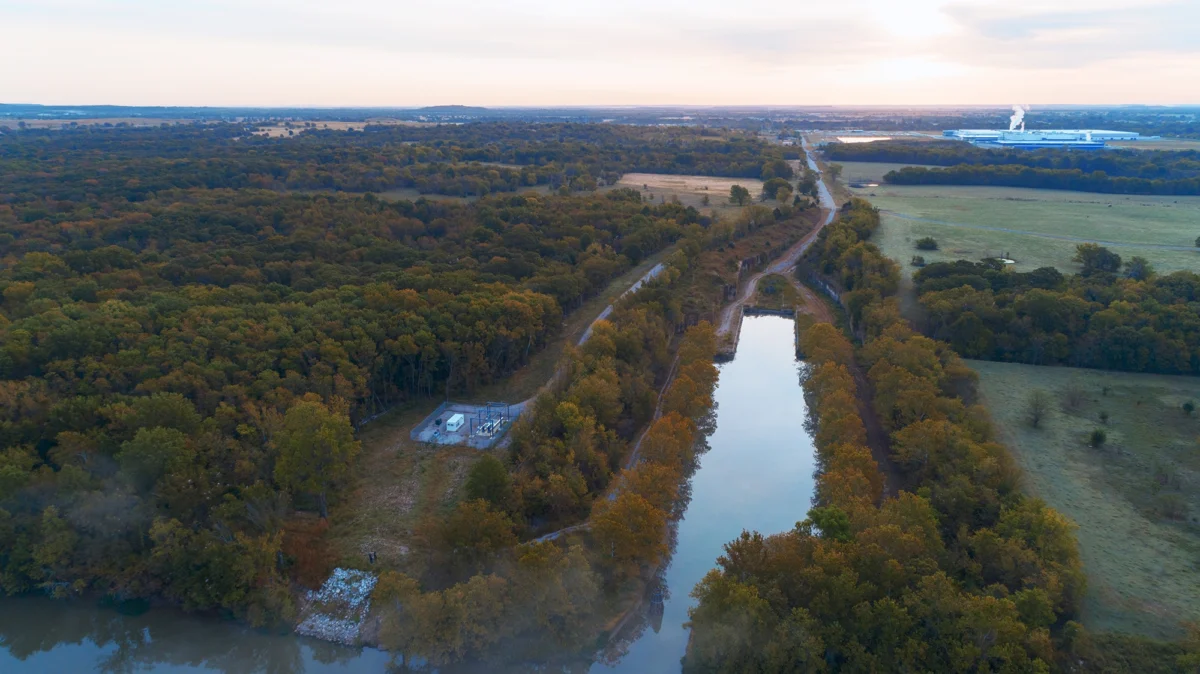
The rural landscape of Inola, Oklahoma, has become the focal point of a national debate regarding the resurgence of heavy manufacturing in the United States. At the heart of the controversy is a proposed $4 billion aluminum smelter, a project that represents the first new primary aluminum production facility to be planned on American soil in nearly half a decade. While proponents, including state executive leadership and international industrial giants, frame the project as a critical win for national security and economic development, a growing coalition of local residents, environmental advocates, and high-ranking state officials are sounding the alarm over potential public health risks, environmental degradation, and the transparency of the deal itself.
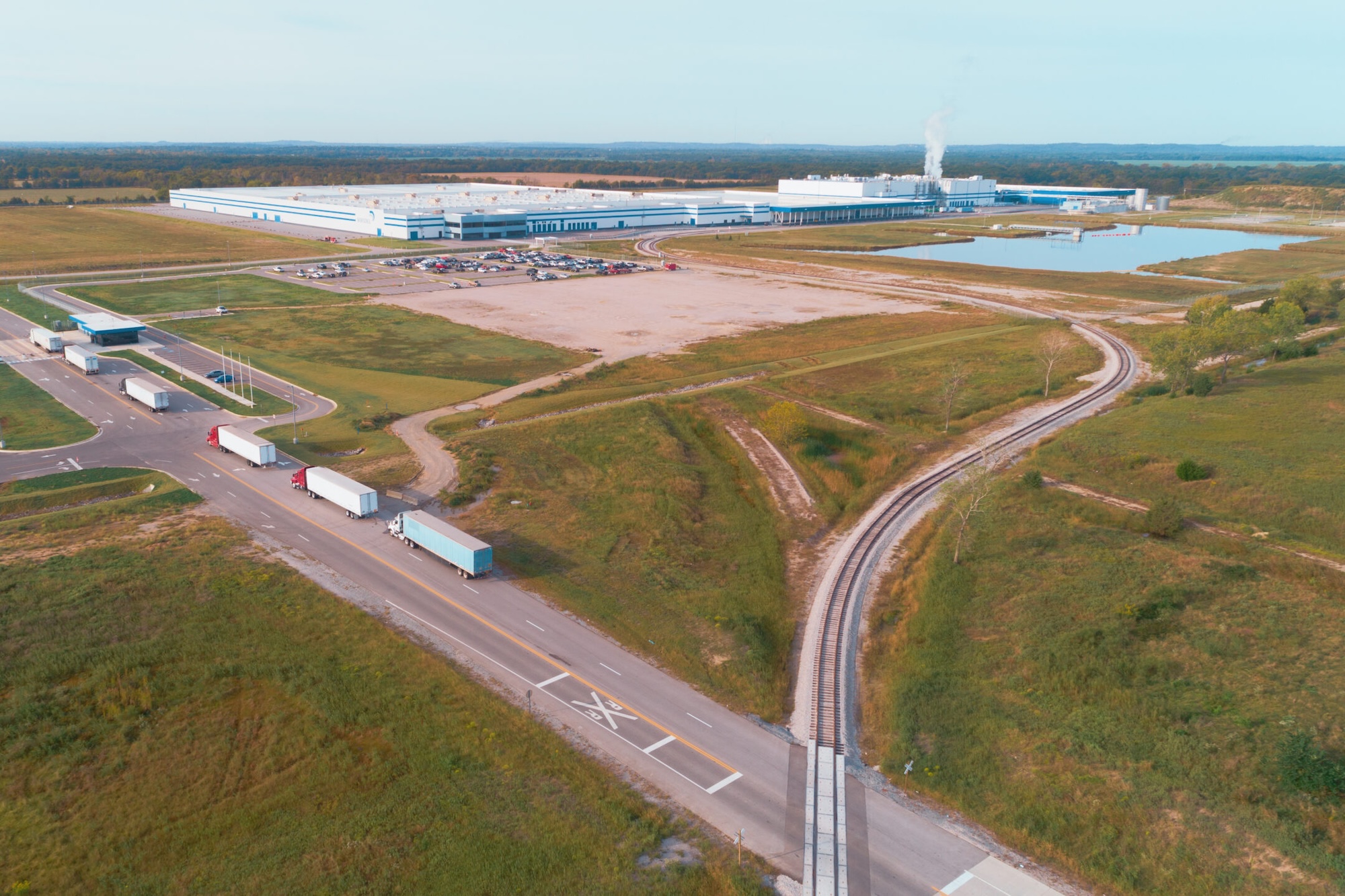
The project, known as the Oklahoma Primary Aluminum plant, is slated for development at the Tulsa Port of Inola. This industrial park is strategically located along the McClellan-Kerr Arkansas River Navigation System, a vital 445-mile waterway that connects Oklahoma’s interior to the Mississippi River and the Gulf of Mexico. However, the scale of the facility and its proximity to residential areas and agricultural land have transformed a standard industrial expansion into a high-stakes legal and political battleground.
A Massive Industrial Undertaking: The Scope and Scale
The proposal first gained international attention in the spring of 2025 when Emirates Global Aluminium (EGA), a firm owned by the United Arab Emirates, unveiled plans to build a primary aluminum plant in Oklahoma. The initial projections were ambitious, with EGA estimating a production capacity of approximately 661,000 U.S. tons of primary aluminum per year. To put this in perspective, such a facility would nearly double the current total production of primary aluminum in the United States.
The project’s profile grew even larger in early 2026 when Chicago-based Century Aluminum, a company majority-owned by the Swiss multinational Glencore, announced it would join the venture as a 40 percent partner. Following this partnership, the scope of the plant was expanded. Century Aluminum indicated that the facility would be "larger than previously envisioned," with a revised production target exceeding 826,000 tons annually. If completed, the Inola smelter would not only be the first new U.S. smelter since 1980 but would also stand as the largest and most technologically advanced facility of its kind in North America.
The Economic and Geopolitical Imperative
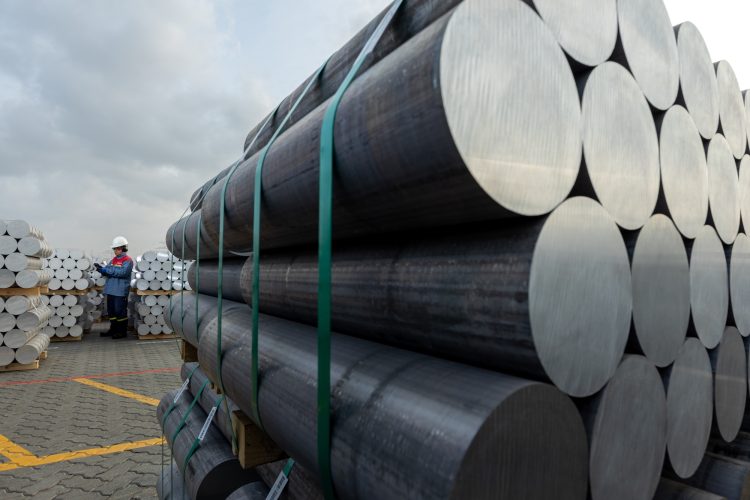
The push for domestic aluminum production is rooted in a significant shift in U.S. trade and defense policy. Aluminum is a critical material for a wide array of sectors, including aerospace, automotive manufacturing, construction, and defense. Despite its importance, the U.S. domestic smelting industry has been in a state of precipitous decline for decades. In 2000, the U.S. operated 24 primary aluminum smelters; by 2025, that number had dwindled to just six.
Currently, the United States imports more than 50 percent of the aluminum it consumes, with the vast majority sourced from Canada. However, geopolitical tensions and a shift toward isolationist trade policies have led some policymakers to view this reliance on imports—even from friendly neighbors—as a strategic vulnerability. Proponents of the Oklahoma plant argue that domesticating the supply chain is essential for price stability and national defense.
Oklahoma Governor Kevin Stitt has been a vocal advocate for the project, describing Emirates Global Aluminium as a "perfect partner" for the state. The economic promises are substantial: the project is expected to create thousands of temporary construction jobs and a significant number of permanent, high-paying industrial roles. Furthermore, the project has attracted significant federal backing, including a Department of Energy grant of up to $500 million, alongside $255 million in state-level incentives.
Chronology of Mounting Opposition
While the project was initially met with optimism by state officials, the local sentiment in Rogers County began to shift as more details emerged regarding the environmental footprint of the facility.
Spring 2025: Emirates Global Aluminium announces the initial proposal for the Inola plant. Governor Stitt welcomes the investment, citing job growth and industrial modernization.
October 2025: A survey conducted by the trade organization Industrious Labs reveals a complex public opinion landscape. While 60 percent of Oklahomans surveyed approved of the project for its economic benefits, 75 percent expressed concern regarding heavy industrial pollution. Notably, 44 percent of respondents "strongly agreed" that they had environmental concerns about bringing aluminum smelting to the state.
January 2026: Century Aluminum joins the project. The announcement of a larger facility and Century’s history of environmental litigation sparks renewed scrutiny. Local residents begin organizing on social media, forming the "Stop the Inola Smelter" group.
February 2026: Residents attend an Inola City Council meeting to voice grievances, citing a lack of community notification and the absence of comprehensive environmental impact studies.
March 2026: A community meeting draws 75 attendees, and a Change.org petition against the smelter gathers thousands of signatures. Residents like Thomas Harrington, a local with a background in industrial regulations, begin publicizing findings from public records.
June 2026: The conflict reaches a boiling point as Oklahoma Attorney General Gentner Drummond files a petition in Rogers County District Court to block the project, citing it as an "anticipatory public nuisance."
Environmental and Health Risks: The Hydrogen Fluoride Concern
The primary technical objection raised by residents and experts involves the emission of hydrogen fluoride (HF), a byproduct of the aluminum smelting process. Despite Century Aluminum’s claims that the plant would utilize "state-of-the-art" technology from EGA, internal reviews of the permit applications suggested a different reality.
Research conducted by local residents and highlighted by Attorney General Drummond indicates that the plant’s permitted emissions of hydrogen fluoride could be double those of modern, top-performing smelters in nations like Norway. Hydrogen fluoride is a highly corrosive and toxic gas. According to the U.S. Centers for Disease Control and Prevention (CDC), even low-level exposure can irritate the eyes and the respiratory tract. At high levels, inhalation can lead to pulmonary edema (fluid buildup in the lungs) and fatal cardiac arrhythmias.
The impact on the local ecosystem is another major concern. Inola is situated in a region where agriculture and cattle ranching are central to the economy. Hydrogen fluoride is known to be toxic to vegetation; when livestock consume fluoride-contaminated foliage, they can suffer from fluorosis, a condition that weakens bones and teeth, eventually leading to starvation or death. Drummond’s legal filing specifically argued that the smelter "wreaks havoc on cattle, threatening Oklahoma’s single largest agricultural sector."
Political Entanglements and Legal Action
The controversy has also become a lightning rod in Oklahoma’s partisan political landscape. The project gained an unexpected layer of complexity when President Donald Trump endorsed Mike Mazzei in the Republican primary for governor, bypassing Attorney General Gentner Drummond. This endorsement brought renewed focus to Trump’s own history with the project; during a 2025 visit to the United Arab Emirates, Trump had championed the aluminum deal.
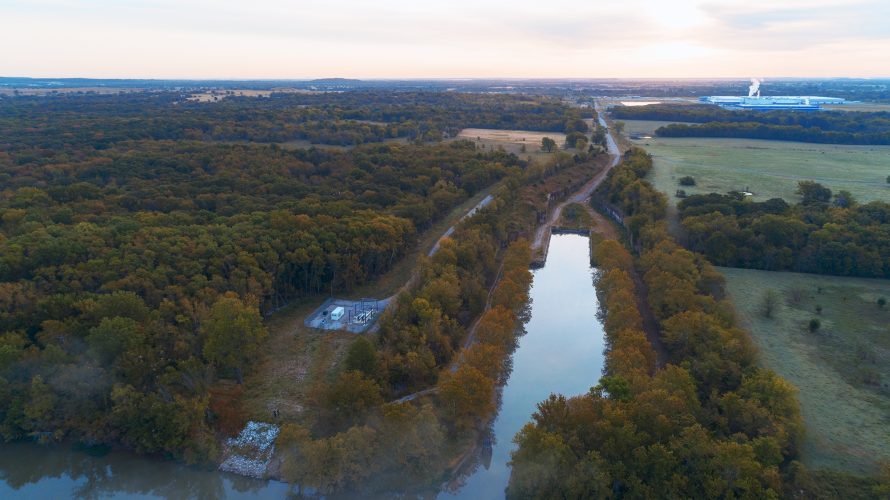
In his legal filing to block the smelter, Attorney General Drummond utilized rhetoric that highlighted the foreign ownership of the project, noting that the "controlling hand" behind the facility belongs to a "foreign sovereign more than 7,000 miles away." While critics have labeled some of this language as xenophobic, the legal core of Drummond’s petition focuses on the "anticipatory public nuisance" the plant would represent. He argues that the facility would occupy 350 acres along the Verdigris River, within three miles of schools, homes, and farms, placing an undue burden on the state’s electricity grid and water resources.
The lawsuit has prompted a media firestorm and intensified pressure on local governance. In response to the outcry, the Inola City Council recently moved to create the Inola Community Accountability Review and Engagement (ICARE) committee. This body is designed to provide residents with a direct voice in the planning process and to ensure that industrial developments at the port are held to rigorous transparency standards.
Broader Implications for the U.S. Industrial Strategy
The situation in Inola is emblematic of a broader national trend. As the United States attempts to "re-shore" critical manufacturing to reduce reliance on global supply chains, it is increasingly encountering the "Not In My Backyard" (NIMBY) phenomenon in rural areas that were previously considered amenable to industrial growth. Similar battles are currently being waged across the country over the placement of massive data centers, lithium mines, and battery manufacturing plants.
The outcome of the Inola smelter project will likely serve as a bellwether for future industrial projects in the U.S. It poses a fundamental question for policymakers: How can the nation achieve industrial independence and economic growth without compromising the health and environmental integrity of the local communities that host these facilities?
As the legal proceedings move forward in Rogers County District Court, the residents of Inola remain steadfast. Their movement, supported by environmental data and a growing legal challenge from the state’s top prosecutor, demonstrates that the path to industrial revival in the 21st century must navigate a much more complex landscape of public consent and environmental accountability than the industrial expansions of the past. For now, the "perfect partnership" envisioned by state leaders remains stalled by the very people it was intended to benefit.
