

In 2019, a somber procession ascended the slopes of the Borgarfjörður region in western Iceland, marking a pivotal moment in the global awareness of the climate crisis. Led by Iceland’s Prime Minister, Katrín Jakobsdóttir, and former Irish President Mary Robinson, a group of approximately 100 scientists, activists, and concerned citizens completed a two-hour trek to the summit of what was once the Okjökull glacier. At the peak, they installed a copper plaque inscribed with a "Letter to the Future," a message intended to resonate across centuries. This event, widely regarded as the first formal funeral for a glacier, signaled a shift in how humanity perceives the loss of the cryosphere—moving from abstract scientific data to a profound, shared sense of ecological grief.
The ceremony for Okjökull, or "Ok," was both a lamentation and a stark warning. The plaque’s inscription noted that Ok was the first Icelandic glacier to lose its status, and it warned that in the next 200 years, all of the island’s glaciers are expected to follow the same path. "This monument is to acknowledge that we know what is happening and what needs to be done," the text read. "Only you know if we did it." This intersection of mourning and activism has since sparked a global movement, as communities around the world grapple with the disappearance of the frozen giants that have defined their landscapes for millennia.
A Growing Chronology of Commemoration
The funeral for Okjökull was not an isolated incident but rather the catalyst for a series of international memorials. Following the 2019 event, other nations began to hold similar rites of passage for their receding ice masses. In Switzerland, hundreds of people dressed in black hiked the Glarus Alps to mourn the Pizol glacier, which had lost 80% of its volume since 2006. The ceremony featured a priest and traditional Swiss alphorns, blending cultural heritage with environmental tragedy.
In the United States, similar sentiments have taken hold. Memorial services have been organized for glaciers in the Pacific Northwest, including those on Mount Rainier and in the North Cascades. These events often feature eulogies, poetry, and musical performances by string quartets or flutists, creating a space for "solastalgia"—a term coined by philosopher Glenn Albrecht to describe the distress caused by environmental change in one’s home environment.
These ceremonies serve a dual purpose: they provide a psychological outlet for the collective grief associated with the Anthropocene, and they function as high-profile media events designed to pressure policymakers. By humanizing the ice—giving it a name, a history, and a funeral—activists hope to bridge the emotional gap that often prevents decisive climate action.
The Paradox of Last-Chance Tourism
As glaciers vanish, they have become unlikely magnets for global travel, giving rise to a phenomenon known as "last-chance tourism." This trend involves travelers flocking to endangered sites to witness them before they disappear forever. A 2026 study conducted by researchers at Rice University in Texas highlighted the staggering scale of this industry, noting that approximately 14 million people now visit the world’s most iconic glaciers annually.
From the Valdez Glacier in Alaska to the Mer de Glace in the French Alps, the influx of visitors represents a complex paradox. On one hand, seeing a melting glacier firsthand can be a transformative experience that fosters a deeper commitment to environmental stewardship. On the other hand, the carbon footprint of the flights, cruises, and infrastructure required to transport millions of people to these remote locations directly contributes to the warming that is destroying the ice.
Emmanuel Salim, a mountaineer and geography professor at the University of Toulouse, has explored this contradiction in his research. He suggests that tourists are effectively "loving glaciers to death." In the French Alps, for example, the Mer de Glace has retreated so significantly that the stairs leading from the Montenvers railway to the ice cave must be extended by dozens of steps every year. The very infrastructure built to celebrate the glacier now serves as a vertical measuring stick for its demise.
Quantifying the Loss: The Global Glacier Casualty List
To document this era of transition, Rice University has established the "Global Glacier Casualty List." This digital archive serves as a permanent record of glaciers that have either disappeared entirely or lost their classification as active glaciers. Since the year 2000, thousands of glaciers of varying sizes have been added to this list.
The criteria for being declared "dead" are scientific: a glacier must stop moving. When a body of ice becomes too thin to flow under its own weight, it is no longer a glacier but a stagnant patch of "dead ice." Anthropologist Cymene Howe, a co-author of the Rice University study, emphasizes that the loss is more than just physical. "To be near these giant bodies of ice is a powerful experience because they are unique natural wonders that move, creak, whisper and invite reflection," Howe stated. She notes that as these "frozen giants" fade, the opportunity for future generations to experience their majesty diminishes daily.
The data supporting these losses is stark. According to the World Glacier Monitoring Service, the global average mass balance of glaciers has been negative for decades, with the rate of loss accelerating in the 21st century. In regions like the Himalayas and the Andes, the retreat of glaciers threatens the water security of billions of people who rely on seasonal meltwater for agriculture, drinking water, and hydroelectric power.
Socio-Economic and Environmental Implications
The disappearance of glaciers carries profound implications that extend far beyond the tourism industry. In mountain communities, glaciers are often central to local identity and the economy. The loss of ice in the European Alps, for instance, is forcing a radical reimagining of the winter sports industry. Low-altitude ski resorts are increasingly relying on artificial snow, which is water-intensive and energy-heavy, or are pivoting toward summer hiking and mountain biking as their primary revenue streams.
Ecologically, the retreat of glaciers creates "proglacial" landscapes—areas of raw rock and sediment that are susceptible to landslides and glacial lake outburst floods (GLOFs). As glaciers melt, they often leave behind large lakes dammed by unstable debris. If these dams fail, they can release catastrophic volumes of water, destroying downstream villages and infrastructure.
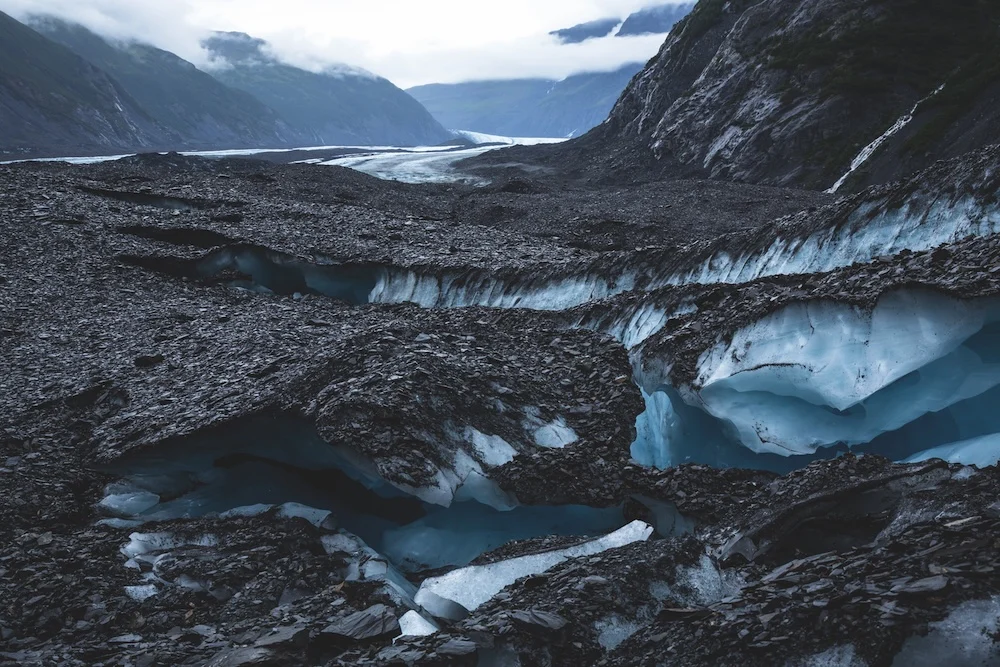
Furthermore, the loss of land-based ice is a primary driver of global sea-level rise. While the melting of small mountain glaciers contributes less to sea-level rise than the massive ice sheets of Greenland and Antarctica, their rapid rate of melting makes them a significant factor in the short term. The Valdez Glacier in Alaska, cited by researchers as one of the fastest-melting on Earth, exemplifies the localized changes that contribute to a global crisis.
Expert Analysis and Official Responses
The scientific community’s response to the rise of glacier funerals and last-chance tourism is nuanced. While many glaciologists welcome the increased public attention, there is a lingering concern that the focus on "mourning" may overshadow the technical work required for mitigation and adaptation.
"We are witnessing a shift from the ‘observation’ phase of climate change to the ‘experiential’ phase," says Dr. Howe. This shift suggests that the public is no longer satisfied with charts and graphs; they require a narrative to make sense of the changing world. The "Global Glacier Casualty List" serves as that narrative, providing a ledger of loss that is both factual and evocative.
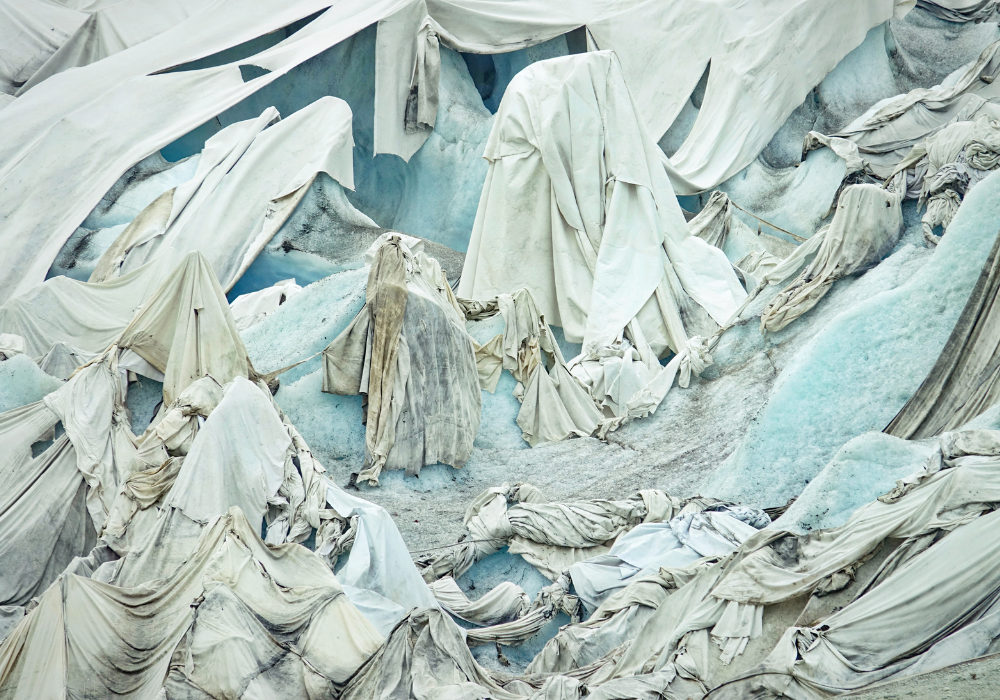
Governmental responses have varied. In Iceland, the funeral for Okjökull was used as a platform to reaffirm the country’s commitment to carbon neutrality. In France and Switzerland, regional governments are investing in "glacier protection" measures, such as covering sections of ice with UV-reflective blankets during the summer months. While these measures can slow melting on a micro-scale, experts agree they are temporary fixes that do not address the underlying cause of atmospheric warming.
Conclusion: A Legacy in Liquid Form
The "Letter to the Future" left on the Icelandic summit remains a haunting reminder of the current era’s responsibilities. As 14 million visitors a year continue to seek out the world’s remaining glaciers, the tension between appreciation and impact remains unresolved. The trend of glacier funerals suggests that humanity is beginning to process the permanence of its impact on the planet, transitioning from a state of denial or indifference to one of active witness.
The disappearance of glaciers is not merely a change in geography; it is a loss of history, culture, and a vital component of the Earth’s life-support system. Whether through the somber notes of a cello in the Alps or the data entries in a casualty list in Texas, the world is finally naming what it has lost. As the ice continues to whisper its final breaths, the question posed by the people of Iceland remains: will future generations look back and find that we did what was necessary, or will they only have plaques and casualty lists to remember the frozen giants of the past?
