

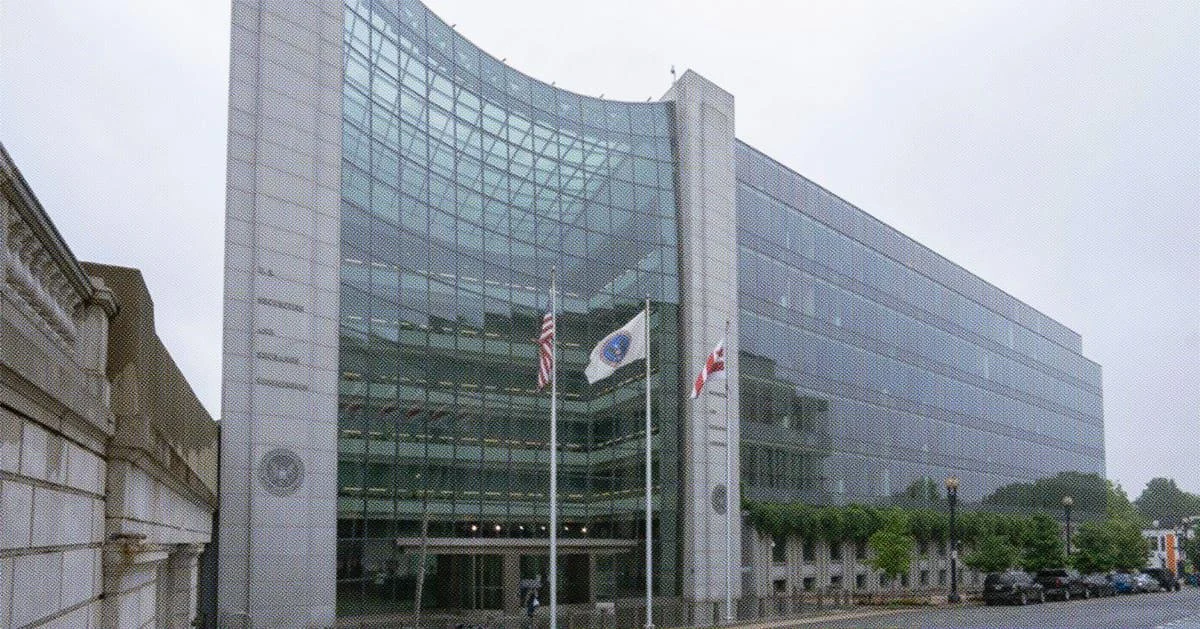
The Securities and Exchange Commission (SEC) announced Friday its intention to formally rescind the climate disclosure rules that were established during the Biden administration. This move, widely anticipated following Donald Trump’s victory in the 2024 presidential election, signals a significant rollback of environmental, social, and governance (ESG) reporting mandates for publicly traded companies in the United States.
The SEC’s proposal to eliminate these rules underscores a dramatic shift in regulatory priorities and the ongoing debate surrounding the scope of the commission’s authority. The rules, which aimed to standardize the reporting of climate-related risks and greenhouse gas emissions, never fully materialized in practice due to a series of legal challenges and administrative reversals.
A Tumultuous Regulatory Journey
The genesis of the SEC’s climate disclosure rules can be traced back to March 2022, when the commission initially proposed a comprehensive framework requiring U.S.-listed companies to disclose a range of climate-related information. This proposal was met with considerable debate, with proponents arguing it was essential for investors to accurately assess climate-related risks and make informed investment decisions. Critics, however, raised concerns about the potential financial burden on businesses and questioned the SEC’s statutory authority to mandate such disclosures.
In a significant development, just a month after the final rule was adopted in March 2024, the SEC, then under the leadership of Chair Gary Gensler, issued a stay on the regulations. This pause was a direct response to a legal challenge filed by a coalition of Republican-led states and business groups, who argued that the SEC had exceeded its mandate by imposing what they viewed as prescriptive environmental policy.
The subsequent presidential election in November 2024, which saw Donald Trump secure a second term, set the stage for further regulatory redirection. In March 2025, the SEC, now operating under an administration with a different approach to environmental regulation, voted to end its defense of the climate disclosure rules. This decision effectively rendered the regulations void of legal backing, even before the formal rescission process was initiated.
Rationale Behind the Proposed Rescission
In its official announcement on Friday, the SEC articulated its reasoning for proposing the rescission. The commission stated that the rules were deemed to have exceeded its statutory authority, a central argument raised by opponents during the rulemaking process.
The rescinded rules, in their final form adopted in March 2024, would have mandated certain U.S.-listed companies to disclose details regarding climate-related risks, corporate strategies for addressing these risks, and their governance structures related to climate matters. For a more limited group of companies, the rules would have also required reporting of material Scope 1 and Scope 2 greenhouse gas (GHG) emissions. Scope 1 emissions are direct emissions from a company’s owned or controlled sources, while Scope 2 emissions are indirect emissions from the generation of purchased electricity, steam, heating, and cooling.
It is important to note that the initial proposal in 2022 had also included a requirement for the disclosure of Scope 3 emissions, which are all other indirect emissions that occur in a company’s value chain. However, this particularly contentious element was removed from the final rule. Furthermore, the final rule included exemptions for many types of companies, aiming to mitigate some of the compliance burdens.
SEC Commissioner Mark T. Atkins, in a statement accompanying the announcement, emphasized the principles guiding the commission’s disclosure obligations. "SEC disclosure obligations should comply with the commission’s statutory authority, be guided by materiality as the North Star, avoid the practical effect of dictating corporate behavior and be imposed only when the expected benefits justify the likely costs and burdens," Atkins stated. This perspective highlights a focus on investor protection through material financial disclosures rather than mandating specific environmental policies.
Economic Considerations and Industry Impact
The potential economic ramifications of the original climate disclosure rules were a significant point of contention. One analysis suggested that the annual compliance costs for U.S. companies could have exceeded $6 billion. This figure represented more than double the total amount companies were previously spending on SEC regulatory compliance. Such substantial costs were a key concern for businesses, particularly smaller entities, and contributed to the legal challenges against the rules.
The rescission of these SEC-mandated rules does not, however, mean that companies are entirely free from climate-related reporting obligations. Many companies that would have been subject to the SEC’s requirements are likely already covered by a patchwork of other ESG reporting mandates. These include regulations at the state level within the U.S. and a growing body of international requirements, most notably in the European Union.
The EU, for instance, has been at the forefront of ESG regulation with its Corporate Sustainability Reporting Directive (CSRD), which imposes extensive disclosure obligations on a wide range of companies operating within its borders or with significant ties to the EU market. This directive requires detailed reporting on environmental, social, and governance matters, including climate change impacts, risks, and opportunities.
The global push for greater transparency in corporate sustainability performance continues, driven by investor demand, stakeholder expectations, and a growing awareness of climate-related financial risks. While the SEC’s specific rules are being withdrawn, the broader trend towards ESG disclosure remains a significant factor for global businesses.
Broader Implications and Future Outlook
The SEC’s decision to propose the rescission of the climate disclosure rules reflects a broader ideological divergence in regulatory approaches. The Trump administration has consistently expressed skepticism towards extensive environmental regulations and has prioritized reducing what it terms "burdensome" compliance requirements for businesses. This latest action aligns with that overarching policy direction.
The implications of this move are multifaceted. For companies that were preparing to invest in the systems and processes needed for SEC-mandated climate reporting, there will be a reallocation of resources. For investors and stakeholders who relied on the prospect of standardized climate data from U.S. public companies, the absence of these specific SEC rules may necessitate greater reliance on voluntary disclosures, third-party ESG ratings, and reporting frameworks from other jurisdictions.
The legal basis for the SEC’s proposed rescission, which centers on exceeding statutory authority, could also have implications for future regulatory endeavors. It suggests a narrower interpretation of the commission’s mandate, potentially limiting its ability to impose disclosures that are not directly tied to financial materiality in a traditional sense.
The debate over the appropriate role of the SEC in mandating ESG disclosures is far from settled. While the Biden-era rules are being rolled back, the underlying drivers for such disclosures – investor demand for climate risk information, growing awareness of climate change impacts, and the push for corporate accountability – are likely to persist. This may lead to a continued reliance on voluntary frameworks, industry-specific initiatives, and regulations from other governmental bodies and international organizations.
The timeline for the formal rescission process will involve a public comment period, during which stakeholders can submit their views on the SEC’s proposal. Following this period, the commission will review the comments and make a final determination on whether to adopt the rescission. However, given the commission’s vote to end its defense of the rules, the rescission is widely expected to be finalized.
In essence, the SEC’s proposed rescission of the climate disclosure rules marks a significant turning point in U.S. corporate regulation, signaling a retreat from mandatory, comprehensive climate reporting at the federal securities level. This development is occurring within a global context where ESG considerations continue to gain prominence, creating a dynamic and evolving landscape for businesses navigating disclosure requirements and stakeholder expectations. The long-term impact will depend on how companies adapt to this shifting regulatory environment and how investor demand for climate-related information continues to shape corporate behavior and reporting practices in the absence of federal mandates.
