

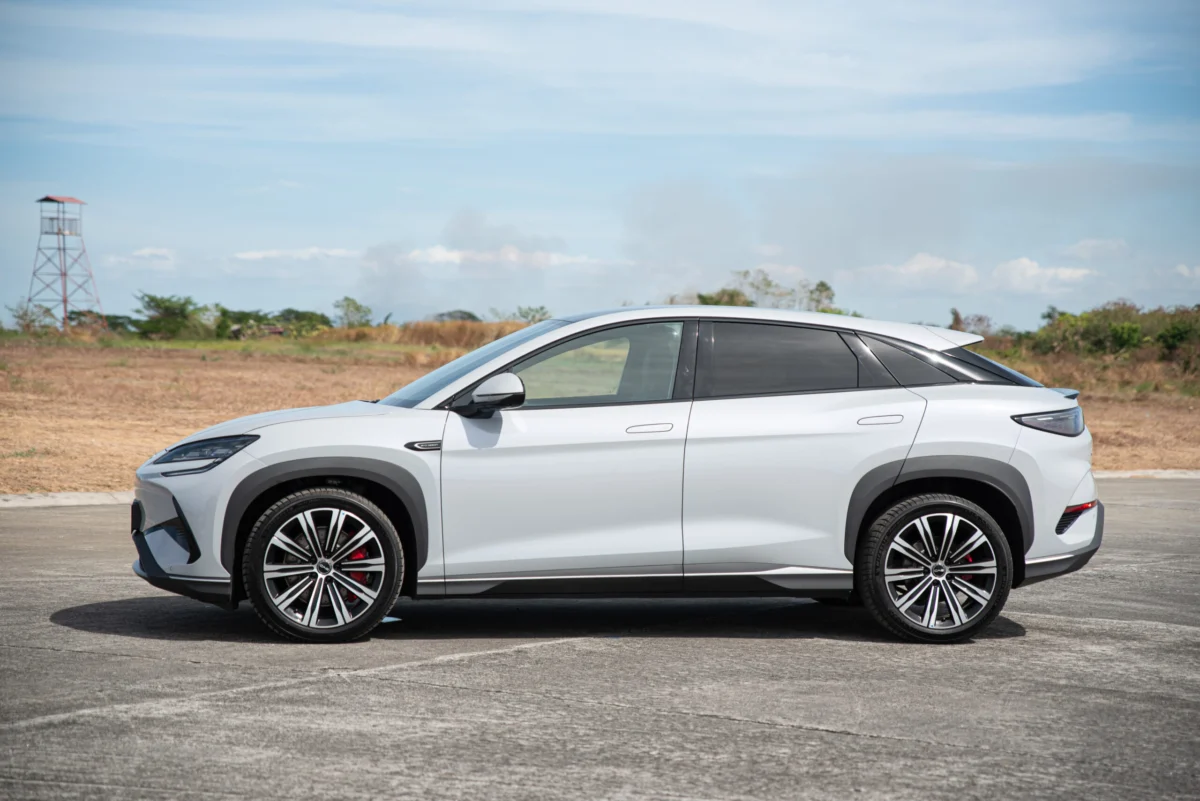
The Philippine automotive landscape has entered a new phase of electrification with the formal introduction of the BYD Sealion 7, a high-performance, all-electric SUV designed to challenge the traditional boundaries between sport-tuned engineering and family-oriented utility. Launched during a high-profile public event in Makati City, the Sealion 7 represents the latest flagship offering from BYD, the world’s leading manufacturer of new energy vehicles (NEVs). Distributed locally by ACMobility—the end-to-end mobility platform of Ayala Corporation—the vehicle is positioned as a cornerstone of the country’s transition toward sustainable transport, offering a blend of rapid acceleration, advanced digital integration, and long-range capability.
The arrival of the Sealion 7 comes at a pivotal time for the Philippine electric vehicle (EV) sector. As the government continues to implement the Electric Vehicle Industry Development Act (EVIDA), which provides tax incentives and operational perks for EV owners, the market has seen a surge in consumer interest. The Sealion 7 aims to capture a premium segment of this growing market, targeting drivers who seek the thrill of a sports sedan without sacrificing the space and versatility of a crossover.
Engineering Excellence and Powertrain Performance
At the heart of the BYD Sealion 7 is a sophisticated dual-motor configuration that provides an all-wheel-drive (AWD) experience. By utilizing two independent electric motors, the vehicle achieves a total system output of 523 horsepower and a staggering 690 Newton-meters of torque. This mechanical prowess translates to a zero-to-100 kilometers per hour acceleration time of just under five seconds, a figure that places it firmly within the territory of high-performance European SUVs.
Supporting this performance is BYD’s proprietary e-Platform 3.0, a dedicated EV architecture that integrates the battery into the vehicle’s structure. This Cell-to-Body (CTB) technology not only lowers the center of gravity for improved handling and stability but also enhances the overall structural integrity of the chassis. The Sealion 7 utilizes a lithium-iron-phosphate (LFP) "Blade Battery" pack with a capacity of 82.6 kilowatt-hours. LFP chemistry is widely regarded in the industry for its thermal stability and longevity compared to traditional nickel-cobalt-manganese (NCM) batteries.
Under standard testing conditions, the Sealion 7 boasts a theoretical range exceeding 500 kilometers on a single charge. For the Philippine context, this range is sufficient to facilitate long-distance travel from Metro Manila to northern hubs like Baguio or southern destinations in Bicol with minimal charging stops. To further optimize the driving experience, the vehicle features multiple driving modes, allowing the operator to toggle between efficiency-focused profiles for city traffic and high-response settings for highway cruising.
Aesthetic Design and Cabin Sophistication
The exterior of the Sealion 7 follows BYD’s "Ocean Aesthetics" design language, characterized by fluid lines, a sloping roofline, and a commanding stance. The aerodynamic profile is not merely for visual appeal; it is a functional necessity that reduces wind resistance, thereby extending the vehicle’s effective range.
Inside, the cabin is designed to provide a premium sensory experience. The use of high-quality materials is evident throughout the interior, with climate-controlled front seats that offer both heating and ventilation—a critical feature for the tropical Philippine climate. The seats are electronically adjustable, ensuring ergonomic comfort for long drives. Overhead, an expansive panoramic glass roof floods the cabin with natural light, creating an airy, open atmosphere that belies the vehicle’s sporty exterior.
Utility remains a core focus of the Sealion 7’s interior layout. The rear cargo area is accessible via an automated hatch equipped with a foot-activated sensor, providing hands-free convenience for users carrying groceries or luggage. In a departure from traditional internal combustion engine (ICE) layouts, the Sealion 7 also features a secondary storage compartment under the front hood, often referred to as a "frunk," which provides additional space for charging cables or smaller personal items.
Digital Integration and Safety Technology
The Sealion 7 serves as a showcase for BYD’s latest technological innovations. The centerpiece of the dashboard is a massive multimedia touchscreen that features a unique mechanical rotation function, allowing it to switch between landscape and portrait orientations depending on the driver’s preference or the specific app being used. The system supports seamless integration with major smartphone platforms, ensuring that navigation, music, and communication are always within reach.
In addition to the central screen, a heads-up display (HUD) projects vital information—such as current speed, navigation prompts, and safety alerts—directly onto the windshield. This allows the driver to maintain focus on the road while staying informed.
Safety is managed through a comprehensive suite of proactive driver-assistance systems. The vehicle utilizes a network of perimeter sensors and high-definition cameras to power features such as:
- Adaptive Cruise Control: Facilitating smart highway cruising by maintaining a safe distance from the vehicle ahead.
- Automatic Emergency Braking: Detecting potential collisions and applying the brakes to mitigate or prevent impact.
- Lane Keeping Assistance: Providing steering inputs to keep the vehicle centered within its lane.
- Driver Fatigue Monitoring: An internal sensor that analyzes facial cues and eye movements to detect signs of drowsiness, providing audible and visual alerts to the operator.
Bidirectional Charging: A Mobile Power Solution
One of the most practical features for the Philippine market is the Sealion 7’s bidirectional charging capability, commonly known as Vehicle-to-Load (V2L). This technology allows the vehicle’s massive battery to act as a mobile power station. Through a specialized adapter, owners can plug in household appliances, power tools, or camping equipment directly into the car.
In a country where weather-related power outages can occur, the V2L system provides a layer of energy security, allowing the vehicle to power essential household electronics during brownouts. It also enhances outdoor lifestyles, enabling users to run electric grills or lighting systems during provincial excursions or beach trips.
Market Positioning and Ownership Economics
ACMobility has priced the premium AWD variant of the BYD Sealion 7 at just under 2.6 million pesos. While this places it in the premium segment, the value proposition is bolstered by a comprehensive warranty package that covers both the vehicle chassis and the high-voltage battery system.
The financial appeal of the Sealion 7 extends beyond the initial purchase price. Electric vehicles generally require less maintenance than their ICE counterparts due to having fewer moving parts. The Sealion 7’s maintenance schedule requires professional servicing only once every 12 months or 20,000 kilometers, significantly reducing the total cost of ownership over time. Furthermore, the cost of electricity per kilometer in the Philippines remains lower than the cost of gasoline, providing ongoing savings for daily commuters.
To encourage early adoption, ACMobility has partnered with major institutional banks to offer specialized financing packages. For buyers who secure their units before the end of next month, these packages include reduced down payment options and complimentary comprehensive insurance for the first year of ownership.
The Strategic Role of ACMobility and Ayala Corporation
The launch of the Sealion 7 is not an isolated event but part of a broader strategic push by Ayala Corporation to lead the Philippine energy transition. Through ACMobility, the group is not only distributing world-class EVs but also investing heavily in the necessary infrastructure to support them.
Ayala has been aggressive in deploying charging stations across its network of malls, estates, and office towers. This "ecosystem approach" is designed to alleviate "range anxiety"—the fear that an EV will run out of power without a charging station nearby. By integrating the Sealion 7 into this ecosystem, ACMobility provides buyers with a holistic ownership experience that includes sales, after-sales service, and reliable charging access.
During the launch event, Bob Palanca, Managing Director of BYD Cars Philippines, emphasized that the Sealion 7 is intended to bridge the gap between performance and practicality. "With the BYD Sealion 7, consumers no longer need to choose between high-performance thrill and everyday practicality," Palanca stated. "This vehicle marks another key milestone as we continue to lead the country’s charge towards electrification."
Chronology of the Launch and Future Outlook
The debut in Makati City kicked off a multi-day mall roadshow, allowing the general public to inspect the vehicle and participate in test drives. This experiential marketing strategy is crucial for EVs, as it allows potential buyers to feel the instantaneous torque and quiet operation that define the electric driving experience.
The roadshow also featured the wider BYD portfolio, including the Atto 3, the Dolphin, and the Han, as well as the brand’s advanced plug-in hybrid (PHEV) options. This diverse lineup reflects a strategy to cater to various stages of EV readiness among Filipino consumers, offering everything from entry-level hatchbacks to high-performance flagship SUVs.
As the Sealion 7 begins to roll out to customers, it is expected to face stiff competition from other international brands. However, its combination of 500+ km range, 523 horsepower, and the backing of the Ayala Group’s infrastructure gives it a unique competitive edge.
In the broader context of Southeast Asia, the Philippines is emerging as a significant market for BYD. The success of the Sealion 7 will likely serve as a barometer for the demand for premium electric crossovers in the region. With its blend of "track-inspired" performance and family-friendly utility, the Sealion 7 is not just a new model; it is a statement of intent for the future of Philippine mobility. By prioritizing both the emotional appeal of driving and the practical needs of the modern family, BYD and ACMobility are making a compelling case that the era of the electric vehicle has truly arrived in the Philippines.
