

A profound "double scar" from past inflationary pressures and enduring geopolitical instability is significantly altering how consumers in the euro area perceive their economic future, potentially leading to a marked decline in retail expenditure. New research spearheaded by economists at the European Central Bank (ECB) indicates that households are now exhibiting heightened sensitivity to the financial repercussions of ongoing global conflicts, a vulnerability exacerbated by the cumulative economic traumas of the post-pandemic inflation surge and the 2022 invasion of Ukraine, which precipitated a dramatic escalation in energy prices.
According to the ECB researchers’ analysis, published in a recent blog post on Friday, the collective memory of these recent adverse economic events is actively shaping consumer expectations. This phenomenon is not merely a reaction to current developments but is deeply influenced by the lingering psychological and financial impact of these past crises. The researchers explicitly warned that these embedded mental "scars" serve to amplify fears of stagflation – a precarious economic scenario characterized by the simultaneous occurrence of rising inflation and declining economic growth.
Evidence supporting this assertion comes from the ECB’s March 2026 Consumer Expectations Survey. The data revealed a sharp upward revision in inflation expectations among euro area consumers, increasing by an average of 2.5 percentage points within just one month of the outbreak of the conflict in the Middle East in late February 2026. Concurrently, expectations for economic growth saw a notable decline, falling by approximately 1.2 percentage points during the same period.
While oil prices, a key bellwether for global energy costs and a significant driver of inflation, have seen a modest decrease of about 20% in May 2026, they remain substantially elevated, approximately 30% above pre-Iran war levels. This persistent premium underscores the ongoing inflationary pressures that consumers are forced to contend with.
A Legacy of Economic Shocks
The researchers emphasized that the current shift towards a more pessimistic, stagflationary outlook, while concerning, is not as severe as the energy-driven shock experienced in the aftermath of Russia’s invasion of Ukraine in 2022. However, they cautioned against complacency, highlighting a significant risk of consumer overreaction. This overreaction, they explained, stems from consumers extrapolating short-term anxieties into their medium-term financial planning and behavioral patterns.
The ECB analysis articulated the concept of consumers experiencing the current geopolitical events with a potential "double scar." The first scar represents the recent, acute surge in inflation that eroded purchasing power and created financial strain. The second scar is attributed to the prolonged and lingering effects of earlier geopolitical tensions, which have fostered a climate of persistent uncertainty.
"These two scars may reinforce each other and are likely to shape consumer expectations and behaviour in the coming months, as conflicts and heightened macroeconomic uncertainty persist," the researchers stated. This synergistic effect of past and present economic traumas creates a potent cocktail of apprehension that can significantly influence spending decisions.

In light of these evolving economic conditions and persistent inflationary pressures, the ECB is widely expected to implement a quarter-point interest rate hike in June 2026. This anticipated move by the central bank underscores the seriousness with which policymakers are viewing the current economic landscape and their commitment to combating inflation.
Retail Spending Reflects Economic Anxiety
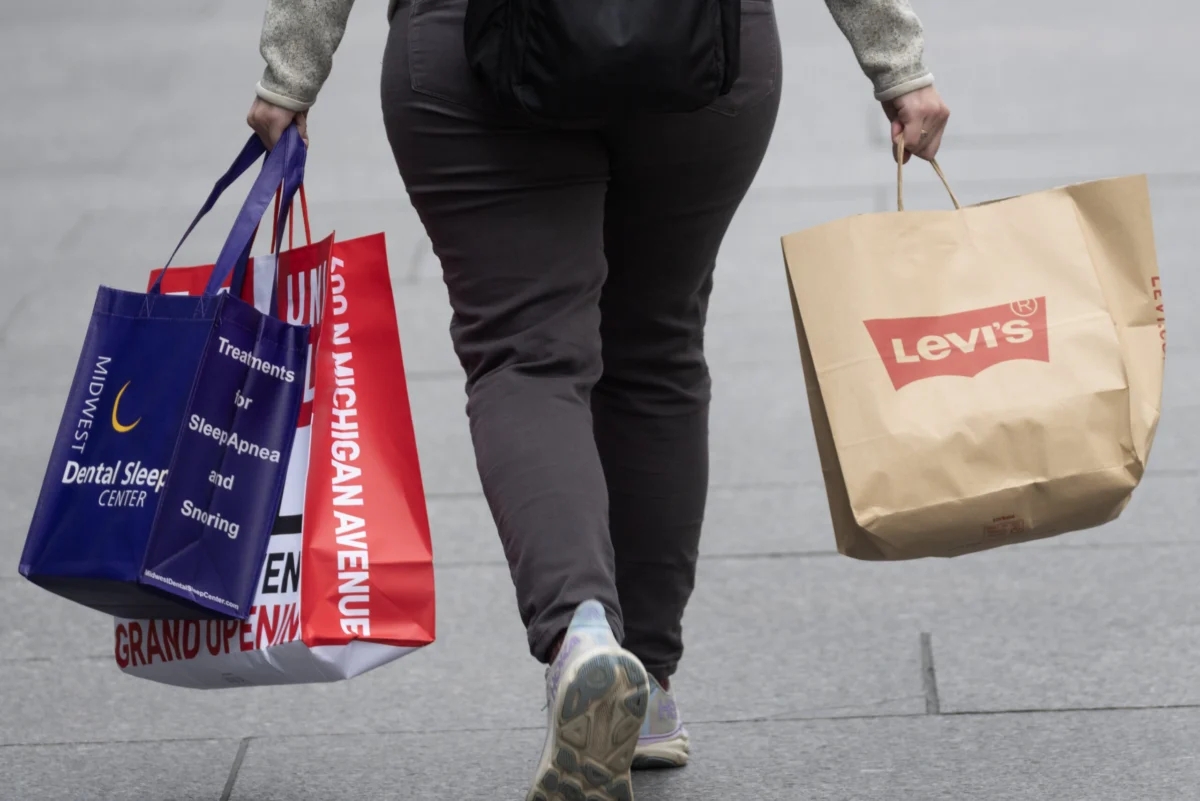
The palpable macroeconomic anxiety among consumers is translating directly into a more conservative approach to retail spending. Melissa Minkow, Global Director of Retail Strategy at CI&T, observed that consumers have become "hyper-aware" of escalating costs across various sectors.
"Grocery prices going up – those are routine purchases that consumers really feel hard hit the most," Minkow told CNBC’s "Squawk Box Europe" on Friday. This sentiment highlights how even essential spending categories are becoming a source of significant financial strain, forcing consumers to make difficult choices.
Minkow further characterized the current consumer as "very conservative" and "very picky with how they’re spending." This heightened selectivity means that discretionary purchases are likely to be scrutinized more intensely, and consumers may delay or forgo non-essential items altogether. The rising cost of fuel, she noted, is also contributing to increased delivery fees, a factor that consumers are increasingly resistant to.
The blurring lines between political events and their economic ramifications mean that retailers must adapt with agility. Minkow advised that businesses need to invest in technology and develop strategies that cater to cost-conscious shoppers. This proactive approach is crucial for navigating a new retail reality where geopolitical stability and consumer spending power are inextricably linked.
The Chronology of Economic Scarring
To fully appreciate the current consumer sentiment, it is essential to revisit the timeline of recent economic shocks that have contributed to this "double scar":
- Early 2020s: The onset of the COVID-19 pandemic triggers unprecedented supply chain disruptions and a surge in global demand, leading to the initial inflationary pressures.
- February 2022: Russia’s full-scale invasion of Ukraine sends shockwaves through global energy and commodity markets, causing a dramatic spike in inflation across the euro area and beyond. This event significantly amplifies the post-pandemic inflationary trend.
- Throughout 2022-2023: Central banks, including the ECB, embark on aggressive interest rate hiking cycles to combat persistently high inflation. This period is marked by economic uncertainty and concerns about a potential recession.
- Late 2025 – Early 2026: A new geopolitical conflict erupts in the Middle East (referred to as the "Iran war" in the ECB research). This event, while occurring in a different region, triggers renewed fears of energy supply disruptions and exacerbates existing inflationary concerns.
- March 2026: The ECB’s Consumer Expectations Survey registers a significant uptick in inflation expectations and a decline in growth expectations following the outbreak of the Middle East conflict, providing empirical evidence of the "double scar" effect.
- May 2026: Oil prices, though moderating slightly, remain considerably higher than pre-conflict levels, reinforcing consumer anxieties about ongoing inflationary pressures.
- June 2026: The ECB is widely anticipated to raise interest rates by 0.25 percentage points, signaling its continued commitment to price stability in the face of persistent economic headwinds.
Supporting Data and Broader Implications

The ECB’s research draws upon a robust dataset, including the quarterly Consumer Expectations Survey. This survey provides valuable insights into consumers’ perceptions of inflation, economic growth, personal financial situations, and spending intentions. The consistent upward revision of inflation expectations, particularly in the wake of geopolitical shocks, is a critical indicator of how deeply ingrained these fears have become.
The implication of this "double scar" phenomenon extends beyond mere sentiment. It directly impacts consumer behavior, leading to:
- Reduced Discretionary Spending: Consumers are likely to cut back on non-essential purchases, such as clothing, electronics, and leisure activities, as they prioritize essential goods and services.
- Increased Savings or Debt Reduction: Faced with uncertainty, individuals may opt to increase their savings or focus on reducing existing debt, further dampening aggregate demand.
- Shift to Value-Oriented Consumption: Consumers may actively seek out more affordable alternatives, private label brands, and promotional offers, leading to shifts in market share for retailers.
- Delayed Major Purchases: Significant expenditures, such as those on housing, vehicles, or large appliances, may be postponed until economic conditions appear more stable.
The impact on the retail sector is likely to be substantial. Retailers will need to navigate a more price-sensitive consumer base, potentially leading to lower sales volumes and tighter profit margins. Those who can adapt by offering compelling value propositions, optimizing their supply chains, and leveraging technology to enhance customer experience will be better positioned to weather the storm.
Official Responses and Analysis
While the ECB researchers have highlighted the psychological impact of past economic shocks, the central bank’s primary tool for addressing these concerns remains monetary policy. The anticipated interest rate hike in June is a clear signal that the ECB is prioritizing the fight against inflation. However, the effectiveness of such measures can be influenced by consumer sentiment. If consumers remain deeply pessimistic, even tighter monetary policy may not fully translate into desired behavioral changes.
Economists and market analysts are closely watching the interplay between geopolitical developments, energy prices, and consumer confidence. The resilience of the euro area economy will depend on its ability to navigate these complex and interconnected challenges. The "double scar" effect suggests that a swift return to robust consumer spending may be unlikely, and a sustained period of cautious behavior is more probable.
The research underscores a critical insight: economic well-being is not solely determined by current economic indicators but is also profoundly shaped by collective memory and past experiences. The lingering effects of high inflation and geopolitical turmoil have created a more risk-averse consumer, whose spending habits are now more sensitive to news of conflict and economic instability. This heightened sensitivity, amplified by the cumulative impact of recent crises, presents a significant challenge for policymakers and businesses alike as they strive to foster economic stability and growth in an increasingly unpredictable world.
