


The landscape of urban development in Ontario has reached a critical turning point as the provincial government, led by Premier Doug Ford, moves to dismantle decades of municipal environmental policy. With the recent passage of the Building Homes and Improving Transportation Infrastructure Act, 2024 (commonly referred to as Bill 98), the province has effectively stripped the City of Toronto of its ability to enforce the Toronto Green Standard (TGS), a pioneering framework that has served as a North American benchmark for sustainable building for nearly 20 years. This legislative shift represents a significant departure from the "carrot-and-stick" approach to green development, raising urgent questions about the future of Canada’s largest city in the face of an escalating climate crisis.
For two decades, Toronto has been a global leader in urban sustainability. Through the implementation of the Green Roof Bylaw and the TGS, the city successfully integrated environmental performance into the fabric of its massive construction boom—a boom that, until the recent international market cooling, saw Toronto lead North America in total building activity. However, the Progressive Conservative government’s omnibus legislation removes the legal foundations upon which these standards were built, specifically by eliminating references to mandatory "sustainable design" from the Planning Act and removing requirements for electric vehicle (EV) charging infrastructure in new developments.
The Evolution and Impact of the Toronto Green Standard
The Toronto Green Standard was introduced in 2006 as a voluntary set of guidelines before becoming a mandatory requirement for new development applications in 2010. It was designed to address the specific environmental challenges of a densifying metropolis: greenhouse gas emissions, the urban heat island effect, and stormwater management. Modeled after British Columbia’s innovative Energy Step Code, the TGS utilized a tiered system of performance targets. Tier 1 represented the mandatory minimum for all new developments, while Tiers 2 through 4 offered financial incentives—such as development charge refunds—for builders who achieved higher levels of energy efficiency and carbon reduction.
The impact of this policy was both measurable and profound. According to data provided by City of Toronto officials, the TGS has successfully mitigated nearly one million tonnes of greenhouse gas emissions over the past 16 years. For residents and building operators, the standard translated into tangible economic benefits, resulting in an estimated $407.6 million in utility cost savings. Furthermore, the 2010 Green Roof Bylaw, which Bill 98 also targets, fostered a specialized local industry valued at $50 million, resulting in the creation of over 1,200 green roofs across the city. These roofs do more than just provide aesthetic value; they are critical infrastructure for absorbing rainwater, reducing the load on aging sewer systems, and cooling the city during increasingly frequent heatwaves.
The Mechanics of Bill 98 and Provincial Rollbacks
Bill 98 is the latest in a series of legislative actions by the Ford government aimed at streamlining development by reducing regulatory "red tape." The government argues that these measures are necessary to accelerate housing construction and meet the province’s ambitious goal of building 1.5 million homes by 2031. However, critics argue that the "red tape" being targeted includes essential environmental protections that ensure new homes are resilient and affordable to operate in the long term.
The most controversial provision of Bill 98 is the removal of the term "sustainable design" from Section 41 of the Planning Act. This section previously allowed municipalities to include exterior design elements that addressed environmental sustainability in their site plan control processes. By striking this language, the province has removed the legal hook that allowed Toronto to mandate the TGS. Additionally, the bill eliminates the requirement for builders to provide "rough-ins" for EV charging stations in residential parking spots. This is a move that many industry analysts view as counterproductive, given the global shift toward electric mobility and the significantly higher cost of retrofitting buildings for chargers after construction is complete.
A Chronology of Environmental Deregulation
The passage of Bill 98 did not occur in a vacuum. It follows a multi-year effort by the provincial government to centralize planning authority and reduce municipal oversight:
- 2018: The PC government is elected with a mandate to "open Ontario for business," leading to immediate changes in environmental assessment processes.
- 2022: The province introduces Bill 23, the More Homes Built Faster Act, which significantly reduces development charges and limits the ability of conservation authorities to regulate development in sensitive areas.
- 2023: The government attempts to repeal legislation mandating green roofs, meeting significant pushback from environmental groups and city planners.
- 2024: Bill 98 is introduced and passed, providing the final blow to mandatory sustainable design standards and EV infrastructure requirements at the municipal level.
Stakeholder Reactions and Political Fallout
The reaction to Bill 98 has been divided along predictable lines. Toronto’s Chief Planner, Jason Thorne, expressed the city’s official opposition in a statement to Corporate Knights, noting that the changes "limit Toronto’s ability to advance local climate objectives." While the city has indicated it will cooperate with the province to implement the law, there is a clear sense of loss regarding the progress made under the TGS.
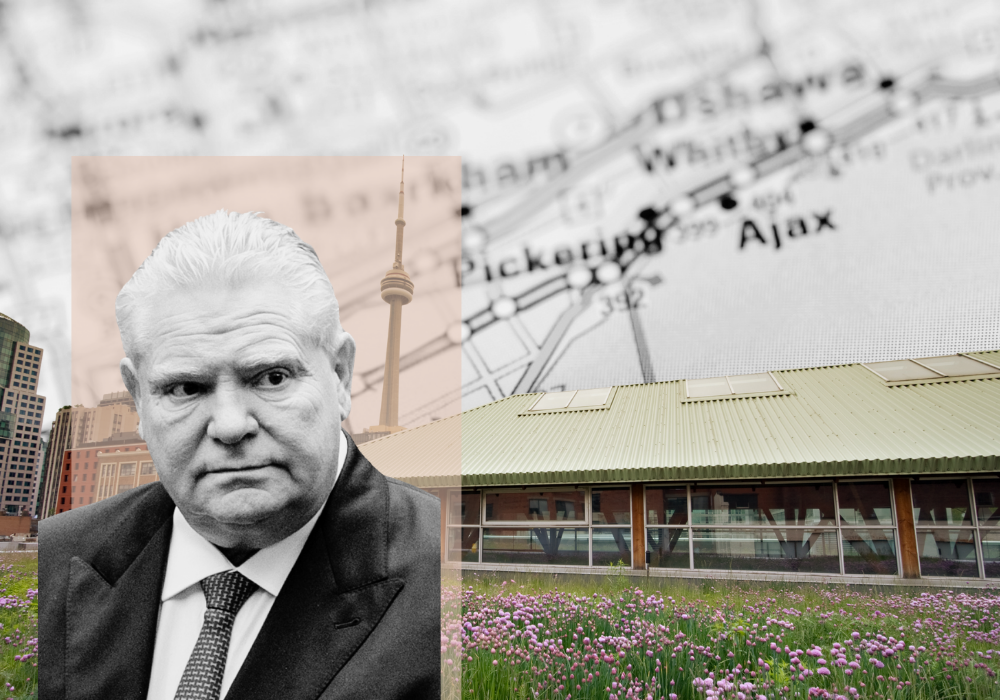
Environmental advocates have been more vocal in their condemnation. How-Sen Chong of the Toronto Environmental Alliance (TEA) emphasized the long-term financial burden being shifted onto future homeowners. "Just the energy efficiency piece [of the TGS] has saved Torontonians millions and millions of dollars," Chong noted, arguing that removing these standards will lead to higher energy bills as fossil fuel costs continue to rise.
From a political perspective, Peter Tabuns, the Ontario NDP’s environment and conservation critic, characterized the government’s policies as "backward-looking." He pointed out the irony of the province investing billions in EV battery manufacturing plants while simultaneously passing legislation that makes it harder for residents to actually charge those vehicles at home. Tabuns argued that destroying charging infrastructure is an act of "undermining the industry" that the province claims to support.
Economic Implications: Green Jobs vs. Construction Speed
One of the most significant enrichment points in this discussion is the economic trade-off between green standards and construction speed. The provincial government posits that the TGS added complexity and cost to the building process, thereby slowing down the delivery of much-needed housing. However, the TGS provided a level of predictability that many developers appreciated. Because the targets were increased at regular, predictable intervals, architects and suppliers could invest in green technologies and materials with the certainty that there would be a market for them.
The dismantling of these standards risks de-incentivizing the green building sector in Ontario. When developers are only required to meet the minimum standards of the Ontario Building Code—which lags significantly behind the TGS in terms of carbon performance—the demand for high-efficiency windows, advanced HVAC systems, and sustainable building materials may decline. This could lead to a "brain drain" of sustainable design talent to jurisdictions like British Columbia or the northeastern United States, where green standards remain robust.
The Resilience Gap: Stormwater and Heat
Beyond the economic and carbon impacts, there is the issue of urban resilience. Toronto’s infrastructure is under increasing strain from extreme weather events. The TGS and the Green Roof Bylaw were key components of the city’s climate adaptation strategy. Green roofs can retain up to 70% to 90% of the precipitation that falls on them, significantly reducing the risk of basement flooding and sewer overflows during heavy rains.
By making these features voluntary, the province may be inadvertently increasing the long-term costs of disaster recovery. As urban wildfires, extreme heatwaves, and "hundred-year storms" become more frequent, buildings constructed to lower standards will be more vulnerable. Phil Pothen, counsel for Environmental Defence, noted that while the province has allowed for more density through "missing middle" housing—a positive step for sustainability—it is simultaneously stripping away the tools needed to ensure that this density is built responsibly.
Future Outlook: Can Municipalities Adapt?
The passage of Bill 98 does not necessarily mean the end of all green building in Toronto, but it shifts the burden from regulation to persuasion. Municipalities may still be able to offer voluntary incentives to developers who choose to adopt green standards. However, without the "stick" of mandatory requirements, it remains to be seen how many developers will opt for higher-cost sustainable designs in a high-interest-rate environment.
There is also the possibility of legal and policy workarounds. Some planners suggest that municipalities could use "Community Benefits Charges" or other financial mechanisms to encourage green building. Furthermore, the current Toronto City Council, under Mayor Olivia Chow, has signaled a willingness to continue pursuing climate goals despite provincial interference. The city’s TransformTO Net Zero Strategy aims to reduce community-wide emissions to net zero by 2040, a goal that becomes significantly harder to achieve without the TGS.
The broader implication for Ontario is a growing patchwork of standards. While Toronto and other progressive municipalities struggle to maintain their environmental ambitions, other regions may default to the bare minimum, creating a "race to the bottom" in building quality. As the province continues to grapple with a housing crisis, the tension between building quickly and building well remains the central conflict of Ontario’s urban policy. Bill 98 has tipped the scales toward speed, but the environmental and economic bill for that decision may be one that future generations of Ontarians will be forced to pay.
