

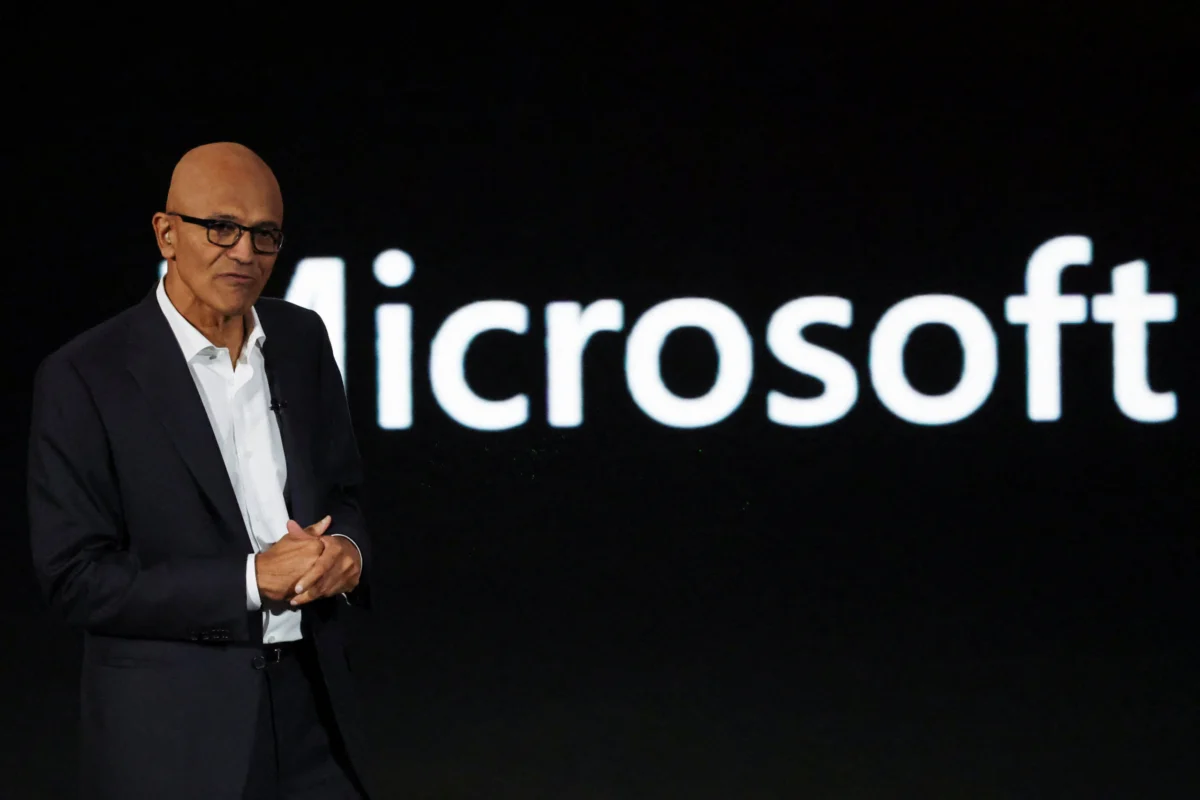
Versant Media, LLC, the prominent global media conglomerate and parent company behind a leading financial news network, finds itself at the epicenter of a pivotal industry transformation in 2026, as the demand for instantaneous market data clashes with established dissemination protocols and regulatory frameworks. The corporation, which proudly declares its commitment to "Global Business and Financial News, Stock Quotes, and Market Data and Analysis," continues to grapple with the inherent tension between comprehensive, verified reporting and the pervasive expectation of real-time information, highlighted by its ongoing disclosure that "Data is delayed at least 15 minutes" on many of its widely consumed platforms. This critical juncture for Versant Media, a company solidified by its © 2026 copyright, underscores broader industry challenges in delivering unparalleled financial insights while adhering to complex data licensing agreements, such as its long-standing partnership with Reuters.
The discourse surrounding data latency has intensified dramatically over the past half-decade, fueled by the relentless pace of algorithmic trading, the democratization of investing through accessible digital platforms, and a global financial ecosystem where milliseconds can translate into billions. Versant Media’s position, as a crucial conduit for millions of investors and financial professionals worldwide, places it under a unique spotlight. Its disclaimers regarding data delays, while standard practice for many public-facing financial news services due to exchange policies and licensing costs, are increasingly perceived by some segments of the market as an anachronism in an age of hyper-connectivity.
The Shifting Sands of Financial Data Dissemination
The traditional model of financial news dissemination, which Versant Media and its predecessors have perfected over decades, was built on the premise of delivering aggregated, analyzed, and contextualized information. News cycles were measured in hours, not seconds. Market data, often sourced from exchanges and consolidated by agencies like Reuters, was then distributed with agreed-upon delays, allowing primary market participants to maintain an informational edge and preventing arbitrage opportunities for those relying solely on free, delayed feeds. This structure underpinned the revenue models of both data providers and financial news organizations.
However, the advent of high-frequency trading (HFT) in the early 21st century irrevocably altered this landscape. HFT firms invest heavily in co-location services, placing their servers physically close to exchange matching engines to minimize latency, gaining microsecond advantages. This technological arms race trickled down, increasing pressure on all market participants, from institutional asset managers to individual retail investors, to seek faster access to data. The rise of fintech startups offering subscription-based real-time data feeds, often bypassing traditional media channels, further intensified the competitive environment for Versant Media.
By 2026, the global market for financial data and analytics is estimated to exceed $70 billion annually, growing at a compound annual growth rate (CAGR) of over 8% since 2020. This growth is largely driven by demand for low-latency data, advanced analytics, and AI-driven insights. Versant Media’s challenge is not merely technological but strategic: how to adapt its core offering to meet this evolving demand without undermining its existing business models, alienating its vast free user base, or compromising its journalistic integrity.
Chronology of Data Transparency Debates
The journey to the current debate over data latency has been long and multifaceted:
- Early 2000s: Introduction of electronic trading systems vastly increases transaction speeds. Initial discussions begin on the fairness of data access speeds.
- 2007-2008 Financial Crisis: Highlights the critical role of timely and accurate information in volatile markets. Calls for greater transparency intensify.
- 2010s: Rise of HFT becomes a major market structure debate. Regulators worldwide, including the SEC in the United States and ESMA in Europe, begin to scrutinize data fee structures and dissemination practices of exchanges. Concerns are raised that exchanges prioritize high-paying HFT firms with direct data feeds.
- 2015: Major financial news outlets, including those now under Versant Media’s umbrella, face increasing user feedback regarding perceived slowness of free market data. Some introduce premium subscription tiers for faster, though still often delayed, data.
- 2018: The U.S. Securities and Exchange Commission (SEC) proposes rule changes aimed at modernizing the infrastructure for public market data, seeking to increase competition and reduce costs, and address concerns about data access inequities.
- 2020-2022: The COVID-19 pandemic and subsequent market volatility underscore the importance of reliable financial information and data access for a rapidly growing retail investor base operating from home. Debates around "democratizing finance" often include calls for real-time data access for all.
- 2023-2025: Technological advancements in cloud computing and data streaming make real-time data distribution more feasible and cost-effective, putting further pressure on traditional data providers and news outlets to upgrade their infrastructure or risk obsolescence. Versant Media begins exploring advanced partnerships and internal R&D initiatives.
- 2026: Versant Media announces a strategic initiative aimed at redefining its market data offerings, directly addressing the 15-minute delay on core feeds. This initiative is widely anticipated to involve a multi-tiered approach, balancing free access with premium, real-time services.
Supporting Data and Market Dynamics
The financial industry’s reliance on data is paramount. A survey conducted in late 2025 by a leading market research firm indicated that over 60% of institutional traders would be willing to pay a premium of 10-25% for guaranteed sub-second market data latency. Among retail investors, while cost-sensitive, nearly 40% expressed frustration with delayed data, especially during fast-moving market events, and a significant minority indicated willingness to pay for a real-time option if affordable.
Versant Media’s existing partnership with Reuters, a global leader in providing real-time financial data, is a cornerstone of its data infrastructure. Reuters’ Eikon platform and its data feeds are renowned for their speed and breadth, serving thousands of financial professionals globally. The challenge for Versant Media is how to leverage this high-speed source data within its broader public-facing news ecosystem, which traditionally operates on different distribution models and regulatory constraints. Data licensing agreements with exchanges typically dictate the terms of redistribution, including permissible delays, and these are often designed to protect the exchanges’ own revenue streams from direct data sales.
The current revenue model for Versant Media is multifaceted, encompassing advertising, subscription services, and content licensing. While advertising revenue remains substantial, the push towards premium, specialized content, particularly for financial professionals, has become a strategic imperative. The introduction of a real-time data tier could significantly boost subscription revenues, but it must be carefully calibrated to avoid cannibalizing existing free users or running afoul of "Market Data Terms of Use and Disclaimers" set by exchanges and primary data providers.
Official Responses and Industry Reactions
In a recent internal memo, Ms. Evelyn Reed, CEO of Versant Media, LLC, acknowledged the growing clamor for faster data. "Our commitment at Versant Media has always been to empower our audience with the most accurate and insightful financial information," Reed stated. "In 2026, that commitment demands we re-evaluate how we deliver market data. We are actively engaged in discussions with our partners, including Reuters, and exploring advanced technological solutions to bridge the gap between regulatory requirements, licensing agreements, and the undeniable market demand for speed."
Sources close to Reuters, who requested anonymity due to ongoing commercial sensitivities, indicated their readiness to support Versant Media’s initiatives. "Our infrastructure is built for speed and reliability," one source commented. "We are continually enhancing our data pipelines to meet the most stringent latency requirements. Any collaboration with our partners to bring faster data to a broader audience is a natural extension of our mission."
Regulatory bodies have also weighed in on the broader issue of market data access. A spokesperson for the Financial Conduct Authority (FCA) in the UK reiterated their stance: "Ensuring fair and non-discriminatory access to market data is crucial for market integrity and investor protection. We continue to monitor data dissemination practices and costs to ensure they do not create undue barriers or distort competition." Similar sentiments have been echoed by officials at the SEC, who have historically pushed for greater transparency and lower costs in market data provision.
Industry analysts are largely optimistic about Versant Media’s potential moves. Dr. Kenji Tanaka, a lead analyst at Global Financial Intelligence, noted, "Versant Media has the brand, the reach, and the partnerships to make a significant impact. The 15-minute delay is a legacy issue that needs addressing. If they can successfully roll out a compliant, competitive real-time data offering, it could set a new benchmark for financial news organizations globally."
Broader Impact and Implications
The potential shift in Versant Media’s data strategy carries profound implications across the financial ecosystem:
- For Retail Investors: A more accessible and affordable real-time data option from a trusted source like Versant Media could significantly level the playing field. It would allow individual investors to react more swiftly to market events, reducing the informational disadvantage they often face compared to institutional players. This could lead to increased engagement and potentially more informed investment decisions, though it also carries the risk of encouraging excessive short-term trading.
- For Institutional Traders and Fund Managers: While many already subscribe to premium, low-latency data feeds, Versant Media’s move could influence their choice of supplementary news and analysis providers. A consolidated platform offering both in-depth journalism and competitive real-time data could prove highly attractive, simplifying workflows and potentially reducing overall data expenditure.
- For Financial Journalism: The initiative could usher in a new era for financial news. Journalists at Versant Media would have even more immediate access to data, enhancing their ability to provide real-time commentary and analysis. It could also push other financial news organizations to accelerate their own data strategies, intensifying competition and innovation in content delivery.
- Regulatory and Ethical Considerations: Any move towards real-time data by a major public platform like Versant Media will inevitably draw regulatory scrutiny. Questions regarding data ethics, potential for market manipulation (even unintentional), and ensuring fair access without creating new digital divides will need careful consideration. The "Market Data Terms of Use and Disclaimers" will become even more critical documents, requiring constant review and adaptation.
- Technological Advancement: The necessary infrastructure upgrades for Versant Media to deliver sub-second data to millions of users would push the boundaries of current streaming and cloud technologies. This could involve significant investments in edge computing, content delivery networks (CDNs), and advanced data processing capabilities, setting new industry standards.
As Versant Media, LLC, forges ahead into 2026, its strategic decisions regarding market data will not only shape its own future but also significantly influence the broader landscape of global business and financial news. The delicate balance between speed, accuracy, accessibility, and profitability will define the next chapter for this media giant and, by extension, for how the world consumes and reacts to financial information. The ongoing dialogue between technological capability, market demand, and regulatory oversight ensures that the evolution of financial data dissemination remains one of the most dynamic and critical narratives of the modern economy.
