

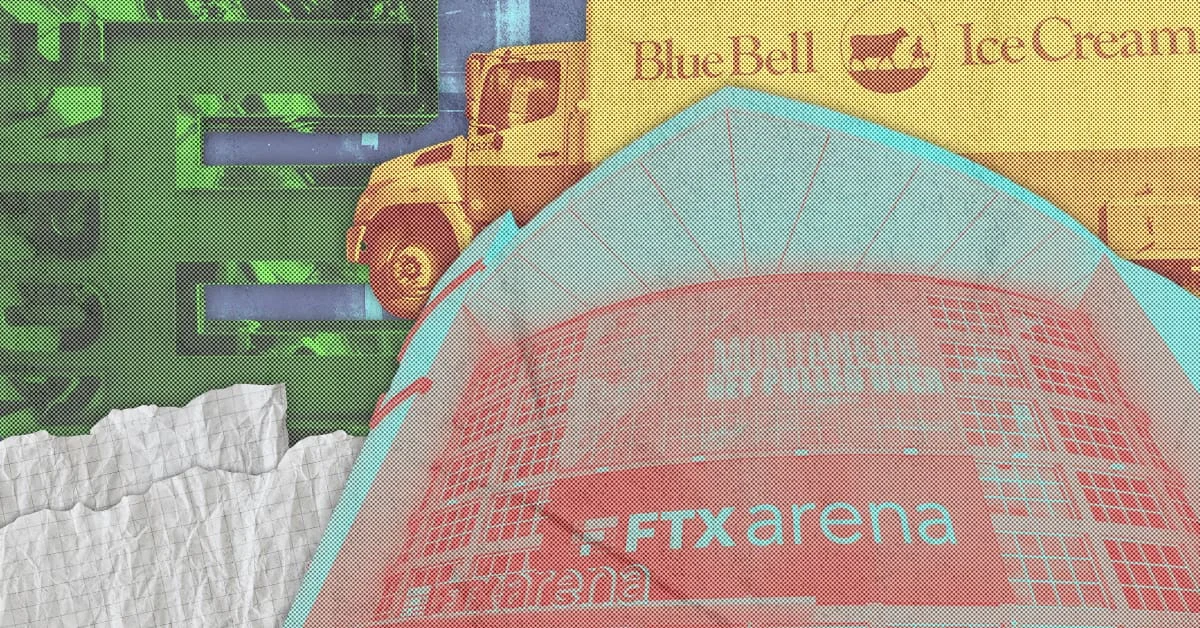
When corporate boards abdicate their oversight responsibilities, the consequences can range from strategic missteps to catastrophic financial fraud, impacting stakeholders, investor portfolios, and the very fabric of business integrity. Jim DeLoach of Protiviti continues his critical examination of governance failures, offering a stark look at three more high-profile cases that underscore the paramount importance of robust board oversight, ethical leadership, and unwavering accountability. These narratives serve as potent reminders of the devastating fallout when these principles are compromised, extending far beyond the immediate financial losses to erode trust and damage reputations for years to come.
Last month, DeLoach highlighted lessons gleaned from the downfall of Blockbuster and Washington Mutual, alongside the audacious fraud at Theranos, all stemming from governance breakdowns. These past examples emphasized the critical need for ethical conduct, effective risk management, clear accountability, and vigilant board oversight. The current analysis delves into three additional instances, one of which exemplifies a complete absence of governance, further illustrating the dire repercussions of insufficient oversight.
Enron: The Perils of Overcooked Books and Board Complicity
No examination of corporate governance failures is complete without a deep dive into Enron, a company once lauded on Wall Street, led by a charismatic CEO, a COO with a seemingly Midas touch, and a CFO showered with industry accolades. Enron’s spectacular collapse, now approaching its 25th anniversary, remains a chilling testament to the adage, “The higher they get, the harder they fall.” This infamous case of financial fraud was orchestrated through an opaque corporate and reporting structure that stretched the boundaries of mark-to-market accounting. By recording projected profits as actual earnings, Enron artificially inflated its reported profits, creating a mirage of financial health.
At the heart of Enron’s downfall was a deliberate subversion of its own conflicts-of-interest policy, facilitated by a waiver from its board of directors. This waiver allowed the CFO to engage in massive self-dealing through special purpose entities (SPEs) he controlled. These SPEs were designed to artfully move assets and debts off Enron’s balance sheet, presenting a misleadingly stable and less indebted financial picture. The CFO masterfully engineered complex financial instruments, often involving intricate investment partnerships and transactions that served no legitimate business purpose beyond disguising the company’s mounting debts and faltering business lines. He personally managed two hedge funds to which Enron could offload failing assets, thereby inflating revenue and profits while simultaneously removing these liabilities from the company’s books. In the process, he amassed millions in personal "management fees."
Enron’s public disclosures were intentionally convoluted, a deliberate strategy to obscure the true nature of its financial dealings and overall health from investors and analysts. This pervasive lack of transparency bred skepticism, scrutiny, and ultimately, a catastrophic loss of credibility and trust.
Timeline of Enron’s Downfall:
- 1985: Enron Corporation is formed from the merger of Houston Natural Gas and InterNorth.
- 1990s: Enron aggressively expands into energy trading and other markets, experiencing rapid growth and high stock valuations.
- 1997-2001: The company begins heavily utilizing Special Purpose Entities (SPEs) and complex accounting practices to hide debt and inflate earnings.
- 2001: Whistleblower Sherron Watkins alerts CEO Ken Lay to accounting irregularities.
- October 2001: Enron announces a $618 million loss and restates earnings, revealing billions in previously undisclosed debt.
- December 2, 2001: Enron files for Chapter 11 bankruptcy, at the time the largest in U.S. history.
- 2002: The Sarbanes-Oxley Act (SOX) is passed in response to Enron and other corporate scandals.
- 2006: Former Enron CEO Jeffrey Skilling is sentenced to 24 years in prison (later reduced).
- 2006: Former Enron CFO Andrew Fastow pleads guilty and testifies against other executives.
Lesson from Enron:
The critical question remains: "What was the board thinking?" By waiving its own policy, the board facilitated a severe conflict of interest, fundamentally compromising the company’s control structure. This allowed the CFO to operate with unchecked power, engaging in transactions where he essentially stood on both sides. A cornerstone of robust internal control is the presumption of arm’s-length transactions. Despite directors’ post-collapse protestations, evidence suggests the board possessed significant knowledge of the unfolding deception. They not only approved numerous suspect deals but also tacitly condoned the manipulation. For instance, a spreadsheet meticulously tracked the impact of the CFO’s structured finance deals on Enron’s credit rating, demonstrating how they artificially propped up the company’s rating to BBB+ when its true standing was closer to BB-. When this spreadsheet was presented to a director on the finance committee, the CFO was reportedly lauded as a “f***ing genius.”
The legislative response, the Sarbanes-Oxley Act of 2002, stands as a direct consequence of Enron’s malfeasance and similar corporate abuses. SOX reads like a comprehensive list of documented corporate wrongdoings, meticulously crafted to address each specific failing. The overarching lesson from Enron is that board actions that enable unethical and misleading practices create a fundamentally flawed corporate culture, starting with a compromised "tone at the top." This erosion of integrity can ultimately lead to a company’s demise.
Blue Bell Creameries: A Duty of Loyalty Failure in Food Safety
Blue Bell Creameries, a beloved ice cream brand with a significant regional following across more than 20 states, faced a devastating crisis in 2015. Investigations by the FDA and several state health agencies uncovered evidence of Listeria contamination in its products, a pathogen linked to three fatalities. This revelation forced Blue Bell to initiate a massive recall of all its ice cream products and cease all production operations, inflicting a severe blow to the company.
The ensuing fallout saw limited partners file a complaint alleging that the board had breached its common law fiduciary duties. In a landmark ruling, the court sided with the plaintiffs, stating, "Directors have a duty ‘to exercise oversight’ and to monitor the corporation’s operational viability, legal compliance, and financial performance. A board’s ‘utter failure to attempt to assure a reasonable information and reporting system exists’ is an act of bad faith in breach of the duty of loyalty."
This pivotal decision demonstrated that the rigorous "Caremark standard," which governs board oversight, could indeed be met by plaintiffs under specific circumstances. The court’s decision was heavily influenced by the case’s factual landscape: the straightforward nature of Blue Bell’s business model, the obvious and critical enterprise risk associated with food safety, the board’s apparent lack of focus on overseeing these issues, and the absence of any established protocols for reporting food safety developments to the board. The court concluded that these facts created "a reasonable inference that the directors consciously failed ‘to attempt to ensure a reasonable information and reporting system exist[ed].’"
Supporting Data and Implications of Blue Bell Case:
- Listeria Contamination: Listeria monocytogenes is a particularly dangerous bacterium that can cause severe illness, especially in pregnant women, newborns, older adults, and individuals with weakened immune systems. It can contaminate a wide range of foods, including dairy products, produce, and deli meats.
- Recall Scope: The recall affected all Blue Bell products produced at all three of its manufacturing facilities, impacting production lines and distribution networks across multiple states.
- Financial Impact: While specific financial figures are not publicly detailed in the provided text, the cessation of operations and extensive recalls would have resulted in millions of dollars in lost revenue, product disposal costs, and remediation expenses.
- Legal Precedent: The ruling reinforced the principle that directors cannot simply delegate oversight to management without establishing systems to ensure critical information reaches the board. This has broader implications for industries where public health and safety are paramount.
Lesson from Blue Bell:
Although the ruling applied to a limited partnership, its implications resonate powerfully for public boards and executive management. Boards must actively monitor mission-critical matters, especially those related to compliance and significant risks. This includes understanding who is accountable for key risks, the broad strokes of risk mitigation strategies, and the nature of any arising issues. Timely escalation of critical matters to the board is essential. In the Blue Bell case, had the board implemented an effective information and monitoring system, they might have had a stronger defense against claims of ignorance. The judiciary’s stance is clear: a passive, hands-off approach is unacceptable. The court signaled that directors cannot abdicate their oversight responsibilities by simply assuming management is handling critical issues adequately, particularly when the stakes involve public health.
FTX: Duped by a Siren Song of Crypto and Fraud
In the annals of corporate malfeasance, the collapse of FTX, a prominent cryptocurrency exchange, in 2022 serves as a modern-day cautionary tale, echoing the mythological Sirens whose alluring songs led sailors to shipwreck. FTX’s downfall exposed a web of widespread fraud, misrepresentations, and egregious mismanagement, with its founder and controlling shareholder, Sam Bankman-Fried, at its center. His perceived star power and public persona contributed significantly to the deception.
Unlike companies that might falter due to poor strategic choices, the FTX narrative is one of a scam from its inception. Customer funds deposited into FTX accounts were systematically diverted into bank accounts controlled by Alameda Research, a sister company also owned and controlled by Bankman-Fried. Alameda Research, a cryptocurrency trading firm, freely "borrowed" capital from FTX to fund its speculative trading activities and cover its risky bets. When customers attempted to withdraw their funds, FTX found itself unable to meet these demands, triggering a liquidity crisis. A significant portion of the firm’s assets was either tied up in illiquid investments or had been lost through Alameda’s reckless trading. This culminated in a bank run and FTX’s eventual bankruptcy.
The speculative trading generated substantial losses, compounded by sloppy recordkeeping, which led to a profound lack of transparency and a complete erosion of trust. Ultimately, it is estimated that more than $8 billion in customer deposits were embezzled and misappropriated for personal luxuries, lavish advertising campaigns, and political donations – a flagrant violation of trust and fiduciary responsibility that prioritized speculative ventures over the security of customer assets.
Several factors facilitated this massive fraud. Sam Bankman-Fried, the architect of the scheme, propagated a message of ethics and morality, effectively deceiving a wide array of individuals and institutions. This widespread belief might also be attributed to a collective desire to embrace the burgeoning cryptocurrency market and its perceived potential. The list of those who were "fooled" is extensive and includes prominent venture capital firms, institutional investors, and influential figures in the financial and political spheres.
Key Figures and Entities Involved:
- Sam Bankman-Fried: Founder and former CEO of FTX and Alameda Research. Known for his public persona as a proponent of effective altruism and crypto regulation.
- Alameda Research: A cryptocurrency trading firm, closely linked to FTX, which allegedly commingled customer funds and engaged in high-risk trading.
- FTX Investors: A broad spectrum of investors, including venture capital firms like Sequoia Capital, Thoma Bravo, and Paradigm, as well as individuals who deposited funds onto the exchange.
- Regulators: Agencies such as the Securities and Exchange Commission (SEC) and the Commodity Futures Trading Commission (CFTC) have been involved in investigations and legal proceedings.
- FTX’s Auditors: The accounting firm that audited FTX’s financial statements faced scrutiny for its role and subsequent penalties.
Timeline of FTX’s Collapse:
- 2019: FTX is founded by Sam Bankman-Fried and Gary Wang.
- 2019-2022: FTX experiences rapid growth, becoming one of the world’s largest cryptocurrency exchanges.
- July 2022: Reports emerge about the financial precariousness of Alameda Research, raising concerns about its close ties to FTX.
- November 2, 2022: CoinDesk publishes a report detailing the balance sheet of Alameda Research, revealing it held a significant amount of FTX’s native token, FTT, raising questions about its solvency.
- November 6, 2022: Binance, a rival exchange, announces its intention to sell its holdings of FTT.
- November 8, 2022: FTX experiences a massive liquidity crisis and a surge in withdrawal requests.
- November 11, 2022: FTX files for Chapter 11 bankruptcy. Sam Bankman-Fried resigns as CEO.
- November 22, 2022: John J. Ray III, who oversaw the Enron bankruptcy, takes over as CEO of FTX.
- December 2022: Sam Bankman-Fried is arrested in the Bahamas.
- March 2024: Sam Bankman-Fried is sentenced to 25 years in prison for fraud and conspiracy.
Lesson from FTX:
The incoming CEO of FTX, John J. Ray III, who also oversaw the Enron bankruptcy, described the situation as "such a complete failure of corporate controls and such a complete absence of trustworthy financial information." This stark assessment highlights the utter lack of governance. The board of directors, if it could even be called that, was comprised of the founder, an unnamed lawyer, and a former FTX executive. This body reportedly held no meetings and maintained no official records, rendering it utterly ineffective as a governing entity.
Furthermore, the scandal underscored the critical need for regulation within the burgeoning cryptocurrency industry. The accounting firm responsible for auditing FTX’s financial statements faced severe criticism and ultimately agreed to pay nearly $2 million to the SEC to resolve allegations of misconduct in its audits and auditor independence violations.
The absence of basic governance structures is astonishing, but equally remarkable is the profound lack of due diligence. Had basic questions been posed to the founder, such as whether FTX had a Chief Risk Officer or a Chief Financial Officer, the answers would have been a resounding "no." Bankman-Fried’s boasts of FTX’s robust controls and investor protection principles would have been exposed as hollow rhetoric had any probing inquiries been made into the specifics of this alleged control structure. An examination of the board’s composition would have revealed the absence of a functioning board capable of acting as a check on the founder’s unchecked power.
The intoxicating allure of the "siren song" created by Bankman-Fried and FTX, coupled with the irrational exuberance surrounding cryptocurrencies, appears to have blinded even intelligent individuals from asking the fundamental questions that would have served as crucial alarm bells. These questions, had they been asked and answered honestly, could have saved countless individuals and institutions from immense financial loss and distress.
In a telling postscript, Forbes introduced a "Hall of Shame" list in 2023, spotlighting ten individuals previously recognized on its prestigious "30 Under 30" list whose actions and reputations warranted a retraction of prior accolades. Unsurprisingly, the founder of FTX was among them.
The lessons learned from these governance failures are not merely academic exercises in avoiding past mistakes. When actively embraced by leaders and directors, these lessons can forge stronger, more resilient, and more effective organizations, better equipped to navigate the complexities of the modern business landscape. They also serve as a potent reminder of the enduring value of healthy skepticism and the non-negotiable necessity of robust, independent board oversight.
