

In the high-altitude valleys of the Himalayas, where the roar of a football stadium meets the silent flow of glacial rivers, an unprecedented alliance between professional sports and wildlife conservation is taking root. Thimphu City Football Club, a prominent fixture in the Bhutan Premier League, has transformed the simple act of scoring a goal into a lifeline for one of the planet’s most elusive and threatened avian species: the white-bellied heron (Ardea insignis). Through its innovative "Goals for a Cause" initiative, the club is leveraging the immense popularity of football in Bhutan to fund and publicize the protection of a bird that sits on the precipice of extinction.
The program operates on a performance-based donation model where donors commit a fixed monetary amount for every goal the team scores throughout the competitive season. This synergy ensures that every offensive play on the pitch at Changlimithang Stadium translates directly into resources for the Royal Society for the Protection of Nature (RSPN), the non-governmental organization leading the charge for heron conservation in Bhutan. For the players and the 15,000 fans who often fill the capital’s stands, the stakes of the game have transcended the league table, becoming a matter of national biological heritage.

The Critical Status of the White-Bellied Heron
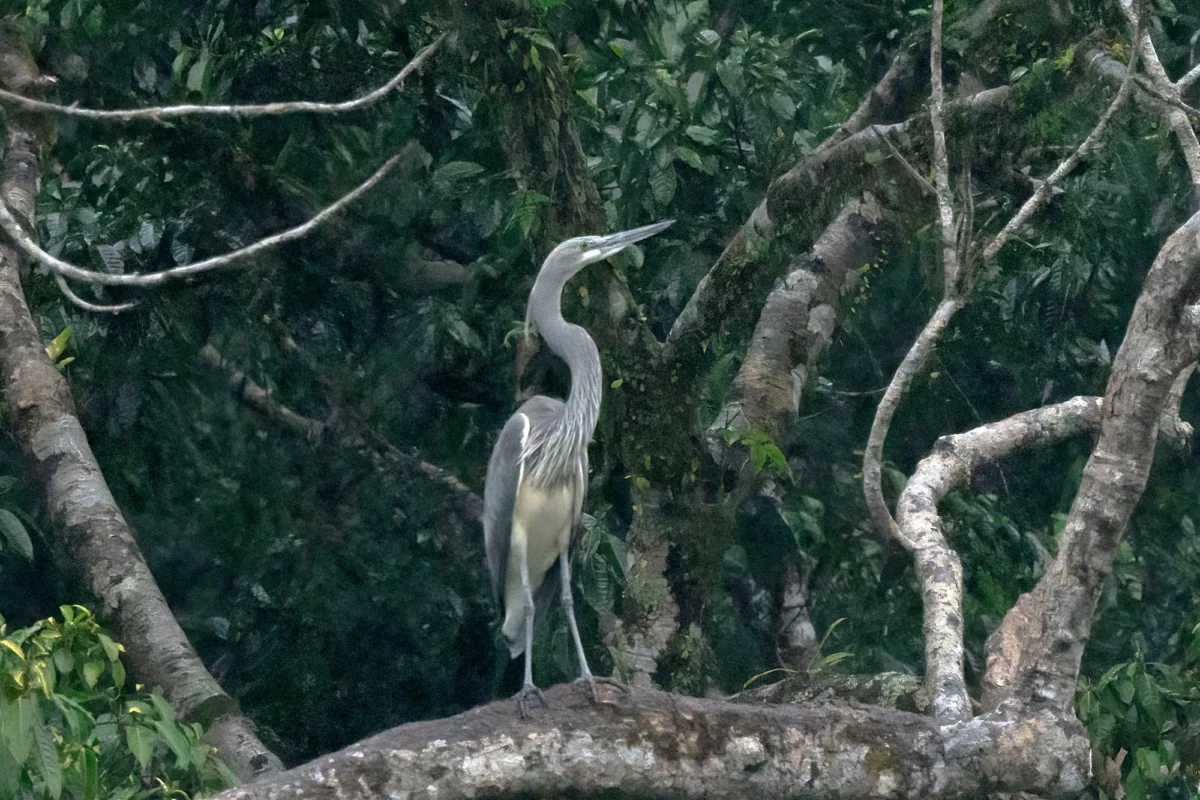
To understand the urgency of Thimphu City FC’s mission, one must look at the dire statistics surrounding the white-bellied heron. Reaching a height of 127 centimeters, it is the second-largest heron species in the world, surpassed only by the Goliath heron. Characterized by its majestic dark grey plumage, a contrasting white underbelly, and elegant silvery plumes on its crown, the bird is a specialist of the undisturbed, low-elevation riverine ecosystems of the eastern Himalayas.
However, the species is currently classified as "Critically Endangered" by the International Union for Conservation of Nature (IUCN) Red List. The global population is estimated at fewer than 60 individuals. According to the most recent census data, only 49 known birds remain in the wild across its entire range, which spans Bhutan, Northeast India, Myanmar, and parts of Tibet in China. Of these, Bhutan serves as the species’ most vital stronghold, hosting 31 individuals—more than 60 percent of the world’s remaining population.
The threats to the white-bellied heron are multifaceted. As a solitary and shy bird, it requires immense stretches of quiet, unpolluted river basins to hunt for fish. Human encroachment, particularly in the form of unregulated sand and stone mining, hydroelectric power development, and the growth of river-based tourism such as rafting, has systematically dismantled its habitat. Furthermore, the accelerating effects of climate change have led to erratic weather patterns in the Himalayas; early monsoons and flash floods frequently destroy nests and disrupt the breeding cycles of the few remaining pairs.

Chronology of a Conservation Partnership
The link between Thimphu City FC and the white-bellied heron is not an accidental marketing ploy but the result of a lifelong passion held by the club’s founder, Hishey Tshering. Before establishing the football club in 2012, Tshering spent decades immersed in Bhutan’s environmental sector. His career began as a communications officer for the RSPN, where he first encountered the plight of the heron. In 1998, he founded Bhutan Birding and Heritage Travels, a specialized tour agency that introduced international ornithologists to the country’s rich biodiversity.
When Tshering transitioned into the world of sports management, he sought a way to bridge his two passions. "At first glance, football and herons may seem to live in completely different worlds," Tshering noted. "One thrives in roaring stadiums, the other in quiet river valleys. One celebrates noise, the other depends on silence. Yet, I began to ask myself, ‘Why must conservation remain confined to workshops and research papers? Why not take the message to where the people are?’"
The "Goals for a Cause" initiative was launched as a direct answer to that question. By 2024, the program had gained significant momentum. During the 2025 season, Thimphu City FC demonstrated remarkable offensive prowess, scoring 65 goals in just 18 matches. This performance yielded immediate financial results. A single committed donor, contributing $25 per goal, generated $1,625—a sum that, in the context of Bhutanese conservation, is sufficient to provide specialized feed for five herons housed in the national conservation center for nearly four months.

Strategic Awareness and the "Save the Heron" Kit
Beyond the direct financial contributions, the club has utilized its brand to launch a massive public awareness campaign. Thimphu City FC introduced a specialized "away kit" featuring the "Save the Heron" slogan prominently across the chest. In a strategic move, the team wears this kit specifically for matches played in districts near known heron habitats, such as those in the Punakha and Wangdue Phodrang valleys.
This visual representation serves as a mobile billboard, sparking conversations among local communities who live in proximity to the birds. The club’s efforts have been amplified by the Bhutan Broadcasting Service (BBS), the nation’s sole television broadcaster, which frequently features the "Goals for a Cause" program during national news segments. In a country where football is the most popular sport and television reach is concentrated, this exposure is invaluable for educating the public on why certain river activities must be restricted to protect the heron’s nesting grounds.
Financial Realities and the "Sports for Nature" Framework
Despite the success of the conservation initiative, the club operates within a challenging economic environment. Unlike major football markets in Europe or the Americas, sports in Bhutan are largely non-commercial. The lack of competition in the domestic broadcasting market means there are no lucrative television rights deals to fund club operations. Furthermore, the small domestic market provides little incentive for large-scale corporate sponsorships.

To sustain the club and its charitable missions, Tshering often funds operations from his own pocket. However, the club’s commitment to the environment has earned it international prestige. Thimphu City FC was the first sports organization in Central Asia to sign onto the IUCN’s "Sports for Nature" framework. This international agreement requires sports organizations to adhere to four key pillars:
- Protecting nature and avoiding damage to habitats.
- Restoring and regenerating nature wherever possible.
- Understanding and optimizing supply chains.
- Educating and inspiring people to take action for nature.
This affiliation has increased the club’s global profile, potentially opening doors for international sponsors who value Environmental, Social, and Governance (ESG) criteria. The club’s recent qualification for the AFC Challenge League—a continental competition—further provides a platform to take the message of heron conservation to an Asian-wide audience.
Scientific Impact and Future Outlook
The funds raised through football are channeled into sophisticated conservation techniques managed by the RSPN. One of the primary uses for the funding is the deployment of GPS satellite transmitters. Because white-bellied herons are so rare and solitary, tracking their migratory movements and identifying new nesting sites is nearly impossible through traditional observation. GPS leg bands allow researchers to monitor the birds in real-time, providing data that can lead to the legal protection of specific river stretches.

Additionally, the money supports the White-bellied Heron Conservation Center in Tshimasham. This facility is crucial for captive breeding and for rearing chicks that have been rescued from nests threatened by flooding. The long-term goal is to create a self-sustaining population that can eventually be reintroduced into the wild to bolster the dwindling numbers in the river basins.
From a sociological perspective, the initiative aligns perfectly with Bhutan’s overarching philosophy of Gross National Happiness (GNH). One of the four pillars of GNH is environmental conservation. By integrating the national sport with the protection of a national symbol, Thimphu City FC is operationalizing the GNH philosophy in a way that resonates with the younger generation.
As the club looks toward future seasons, the "Goals for a Cause" model stands as a blueprint for other small-market sports teams worldwide. It demonstrates that financial limitations do not preclude social impact. By turning every strike of the ball into a contribution toward biodiversity, Thimphu City FC has proven that the beautiful game can indeed help preserve the beautiful world. In the words of Hishey Tshering, "Football has become another river feeding into the larger stream of hope for the white-bellied heron." For a species on the brink, that stream of hope is more critical now than ever before.
