

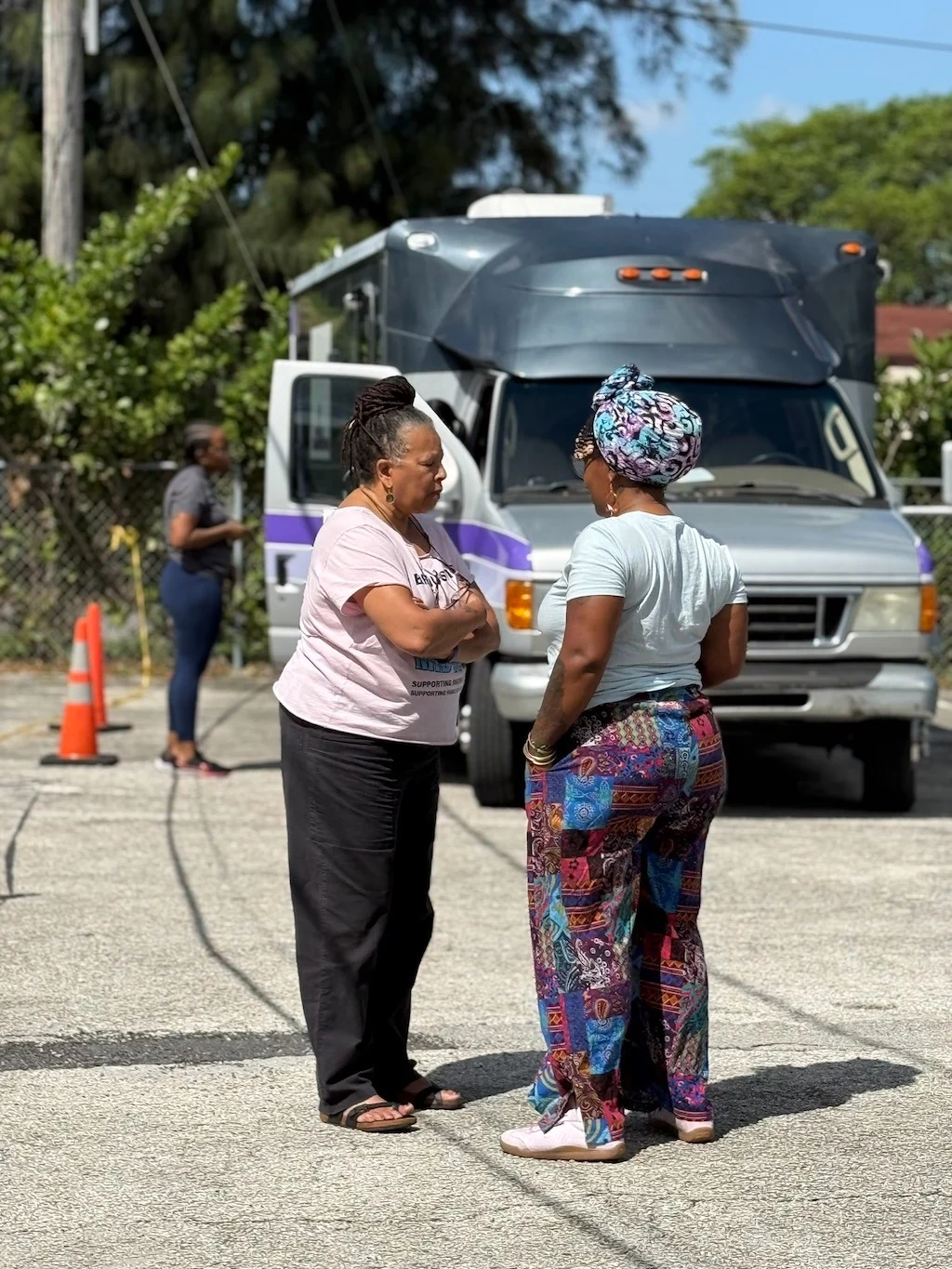
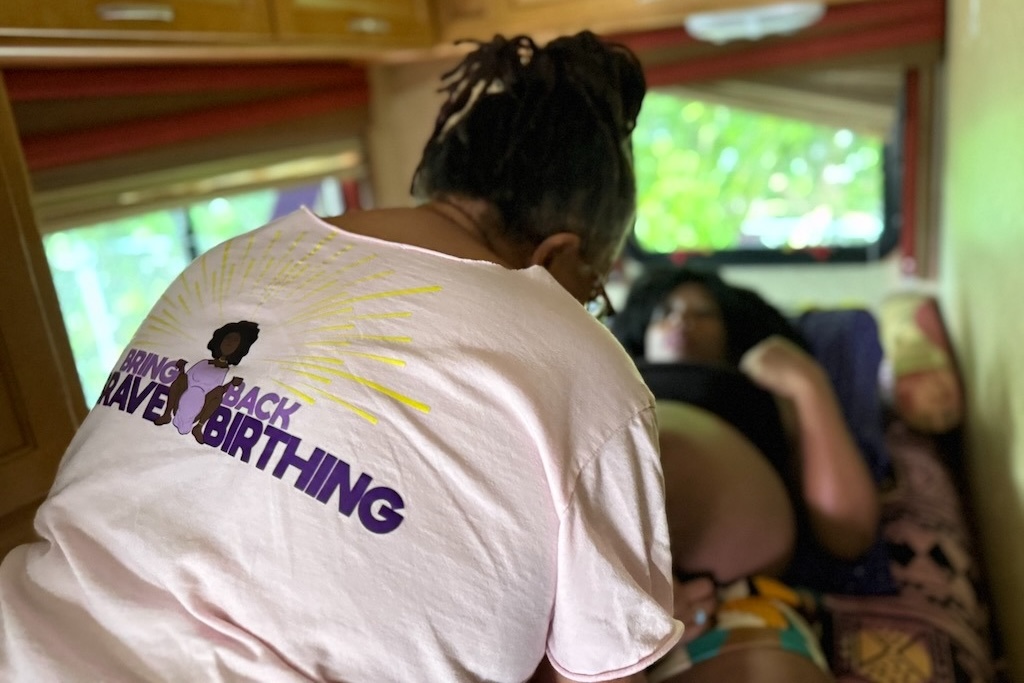
Inside a converted recreational vehicle parked in a Miami-Dade County parking lot, the clinical atmosphere of a traditional hospital is replaced by the warmth of tie-dyed purple sheets and the attentive presence of a community-based practitioner. Sheila Simms Watson, a midwife known affectionately by her patients as "Mama Sheila," gently examines Me’Asia Taylor, a young woman pregnant with her first child. This mobile unit, operated by the Southern Birth Justice Network (SBJN), represents a critical intervention in a region where maternal health outcomes for Black and Latino women remain disproportionately poor. By bringing prenatal, postpartum, and general wellness care directly into neighborhoods that face systemic barriers to healthcare, the SBJN is attempting to bridge a gap that traditional medical institutions have historically failed to close.
The Crisis of Maternal Mortality and Healthcare Access
The United States currently faces a maternal health crisis that is unparalleled among high-income nations. According to data from the Centers for Disease Control and Prevention (CDC), the U.S. maternal mortality rate is significantly higher than that of comparable countries, and the disparity is most acute among women of color. Black women are three times more likely to die from pregnancy-related causes than white women, regardless of their income or education level. Similarly, American Indian and Alaska Native women experience mortality rates double those of their white counterparts.
In Florida, the situation is compounded by a combination of geographic "maternity deserts" and the closure of labor and delivery units. In 2023 alone, more than two dozen hospital maternity wards closed across the nation, including several in South Florida. These closures force pregnant patients to travel significant distances for routine care and delivery, an obstacle that can lead many to forgo essential prenatal visits. For patients like Me’Asia Taylor, whose family history includes pre-eclampsia—a life-threatening condition characterized by high blood pressure—the lack of accessible, trustworthy care is not just an inconvenience; it is a matter of survival.
The SBJN mobile clinic addresses these barriers by prioritizing a "community-centered" model. "It really helps to disrupt this idea that patients must navigate these complex systems to receive care," explains Ndidiamaka Amutah-Onukagha, a maternal health scholar and professor at Tufts University. Instead, the mobile unit reimagines healthcare as a service that is responsive to the patient’s environment and cultural context.
A Chronology of Care: From Homestead to the Southern Birth Justice Network
The origins of this mobile midwifery initiative date back to approximately 2008, founded by the late midwife Ada "Becky" Sprouse. Recognizing the dire need for healthcare among migrant farmworkers in Homestead, an agricultural hub in Miami-Dade County, Sprouse began operating a mobile unit to provide free midwifery services to those who could not afford traditional medical care. Her work established a blueprint for grassroots maternal healthcare in the region.
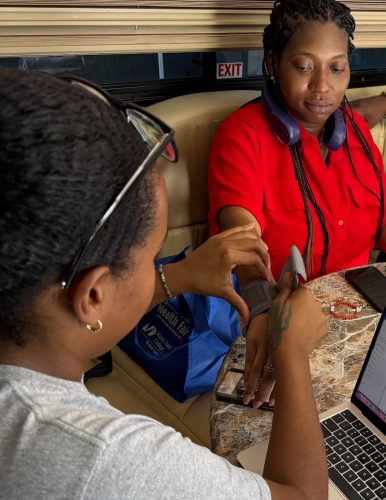
Following Sprouse’s passing, the initiative was handed over to Jamarah Amani, a midwife and the current executive director of the Southern Birth Justice Network. Under Amani’s leadership, the program was relaunched and its scope broadened to serve majority-Black and Latino neighborhoods throughout the county. Today, the mobile clinic operates several times a month, funded through a combination of federal and university grants as well as private donations. Approximately 70% of the clinic’s clientele are either uninsured or rely on Medicaid, highlighting the essential nature of the free services provided.
The SBJN has evolved beyond just a mobile clinic. It now functions as a comprehensive advocacy and training organization. The network trains doulas, provides telehealth services, offers mental health referrals, and advocates for legislative changes across the Southern United States. The organization is currently in the process of expanding its physical footprint, having recently purchased a building to open a freestanding birth center and planning the acquisition of a larger RV to increase its mobile capacity.
The Midwifery Model: Cultivating Trust and Combating Bias
A primary driver for patients seeking care at the mobile clinic is a profound lack of trust in the traditional medical establishment. Many women of color report feeling marginalized, dismissed, or ignored during hospital visits—a phenomenon documented by researchers as "implicit bias." Taylor, for instance, sought out the SBJN because she wanted a space where her concerns about her high-risk pregnancy would be heard. "I’ve just seen too many people have bad experiences," she noted.
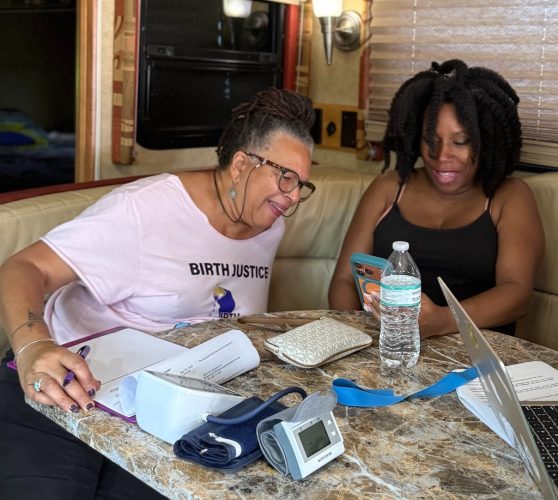
The midwifery model practiced by Watson and Amani emphasizes "slow care." Appointments are unrushed, allowing practitioners to ask about a patient’s mental health, sleep patterns, and support systems at home. This holistic approach is designed to make patients feel seen and respected. Isis Daaga, a mental health therapist and patient at the clinic, recalled a traumatic experience during her first birth at a hospital, where staff reportedly held her knees together to prevent delivery because the attending physician had not yet arrived. This experience led her to seek out the SBJN for her subsequent pregnancies. "They make me feel the way I try to make my clients feel—like it’s a safe space," Daaga said.
Research supports the efficacy of this model. Studies published in journals such as The Lancet have shown that midwifery-led care is associated with lower rates of cesarean sections, fewer preterm births, and higher levels of patient satisfaction. Dr. Jamila Perritt, an OB-GYN and CEO of Physicians for Reproductive Health, emphasizes that expanding access to midwifery and fostering collaboration between physicians and midwives is essential for improving maternal outcomes.
Historical Context: Reclaiming the Legacy of Black Midwives
The work of the Southern Birth Justice Network is deeply rooted in the historical tradition of Black midwifery in the United States. For centuries, Black midwives—often referred to as "Grand Midwives"—were the primary healthcare providers in their communities, particularly in the rural South. These women were not only medical practitioners but also community leaders and keepers of ancestral records.

During the Jim Crow era, when Black Americans were frequently denied entry to white-only hospitals, these midwives were the sole lifeline for pregnant women. However, the early 20th century saw a concerted effort by the medical establishment to dismantle the profession. Campaigns often utilized racist and sexist rhetoric, labeling midwives as "unhygienic" or "barbarous" to promote the burgeoning field of obstetrics. This shift was accompanied by unethical medical experimentation on Black women, a history that continues to fuel medical mistrust in contemporary communities.
The SBJN incorporates this history into its practice. A small drum is kept at the clinic’s booth to symbolize the heartbeat and ancestral reverence. "We talk about the legacy of Black midwives as health care providers, but also as social pillars, as community leaders, as resistors of oppression," Amani stated. By providing care in an RV, the network is not just offering a medical service; it is reclaiming a tradition of community-based healing.
Regulatory Challenges and the Path Forward
Despite the clear benefits of midwifery, practitioners face significant regulatory hurdles. In many states, particularly in the South, nurse-midwives are restricted from practicing independently and must have formal supervision agreements with physicians. These regulations are often criticized by health equity advocates as unnecessary barriers that contribute to the proliferation of maternity care deserts.

The legal landscape is currently shifting as advocates push for reform. The American College of Nurse-Midwives recently filed a lawsuit against the state of Mississippi over its practice restrictions. Similarly, Jamarah Amani and the SBJN joined a lawsuit challenging restrictions in Georgia. Proponents of these rules argue they ensure patient safety through physician oversight, but critics contend they limit the availability of care in the very areas that need it most.
In Florida, the SBJN continues to navigate these challenges while expanding its reach. The group is developing state-specific guides for pregnant patients’ rights in Louisiana, Massachusetts, Tennessee, and Texas, aiming to empower women with knowledge of their legal protections during childbirth.
Broader Implications for Healthcare Equity
The success of the Southern Birth Justice Network’s mobile clinic offers a potential roadmap for addressing broader healthcare inequities. By moving away from the "luxury concierge" image of midwifery and returning it to its grassroots, community-centered origins, the SBJN is demonstrating that high-quality, culturally competent care can be made accessible to the most vulnerable populations.

As maternal mortality rates continue to rise in the United States, the integration of mobile clinics and midwifery-led care represents a vital strategy for intervention. The model emphasizes that health equity is not just about the availability of medical technology, but about the presence of trust, the elimination of bias, and the willingness to meet patients exactly where they are. For the women of Miami-Dade County, the arrival of a purple-sheeted RV in their neighborhood is more than just a checkup—it is a commitment to their dignity and their lives.
