

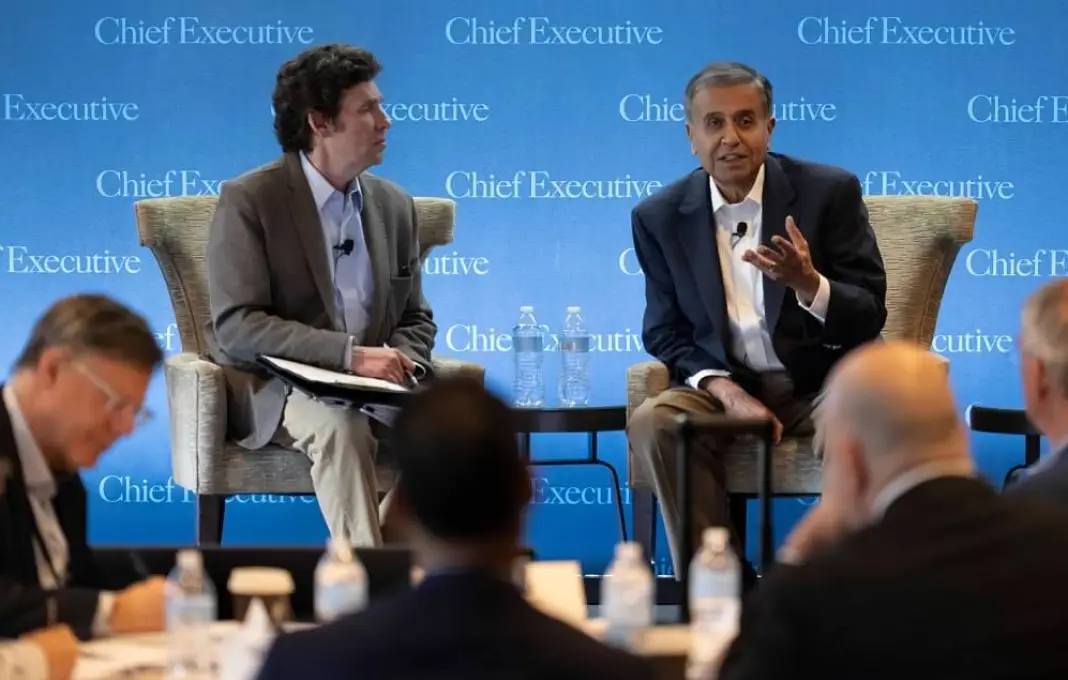
The manufacturing sector, often seen as the backbone of economies, is currently navigating a complex landscape fraught with geopolitical tensions, rapid technological advancements, and persistent economic uncertainty. In this environment, where tariffs, the rise of artificial intelligence (AI), and relentless margin pressure threaten to erode competitive advantages, a profound realization is emerging: the most enduring and potent strategy for survival and growth lies not in cutting-edge technology alone, but in the cultivation of a highly engaged and skilled workforce. This was a central theme resonating from the recent 2026 Manufacturing Leadership Summit held in St. Louis, a city increasingly recognized as a hub for innovative, people-first manufacturing practices.
The St. Louis Model: A Blueprint for Human-Centric Manufacturing
For three intensive days, industry leaders convened in St. Louis to explore the future of manufacturing. The summit, which included site visits to prominent local companies such as Barry-Wehmiller, The Gund Company, Cambridge Air Solutions, and Wadlow Electric, offered a firsthand look at what is being dubbed the "St. Louis Model." This model is characterized by a fundamental belief that a company’s commitment to its people and its pursuit of operational excellence are not mutually exclusive but are, in fact, intrinsically linked. Attendees observed how these organizations have cultivated a culture where genuine care for employees coexists with and actively drives disciplined, high-performing business operations.
The core tenet of the St. Louis Model is that investing in employees, fostering a sense of belonging, and empowering individuals are the most effective ways to build a sustainable competitive moat, even in an era dominated by AI and Industry 4.0. The data emerging from these companies strongly supports this assertion. The Gund Company, for instance, consistently ranks within the top 2.5 percent of publicly traded companies based on key financial performance indicators. Cambridge Air Solutions has demonstrated remarkable financial health, averaging a 12 percent bottom-line profit over the past decade and achieving a significant 40 percent increase in revenue per employee within a five-year span. Perhaps most strikingly, Gund reports a regrettable turnover rate of a mere 1-3 percent, a stark contrast to the industry average which hovers around 45 percent. This dramatic reduction in turnover translates directly into substantial cost savings, enhanced productivity, and a more stable, experienced workforce.
A Legacy of Shared Innovation: The Copyable Playbook
The success of the St. Louis Model is not attributed to proprietary secrets or exclusive technological advantages. Instead, it is a testament to a culture of open sharing and continuous learning. The leaders of these companies readily acknowledge that their methodologies are not entirely novel but are rather built upon a foundation of best practices, iteratively refined and adapted over time. Steve and Rich Gund, for example, explicitly stated that their company culture was heavily influenced by Barry-Wehmiller, which in turn benchmarked its practices from other organizations, tracing its roots back to the principles of the Toyota Production System. John Kramer of Cambridge Air Solutions echoed this sentiment, highlighting the collaborative spirit that fosters such advancements.
The practical application of this philosophy is evident in several key operational components:
- Daily All-Company Stand-Up Meetings: These brief, regular gatherings foster transparency, alignment, and a shared sense of purpose. They provide a platform for immediate communication of goals, challenges, and successes, ensuring that every employee is informed and engaged.
- Structured Listening Programs: Implementing formal mechanisms for employees to voice concerns, share ideas, and provide feedback is crucial. This goes beyond casual conversations, creating a structured environment where all voices are heard and valued, leading to a more responsive and adaptive organization.
- Frontline-Owned Continuous Improvement Time: Allocating dedicated time, such as 30 minutes daily, for frontline employees to identify and implement process improvements empowers those closest to the work. This fosters a culture of ownership and innovation, driving incremental gains that accumulate over time.
- Servant Leadership Training: Equipping every manager with training in servant leadership principles shifts the focus from command-and-control to support and empowerment. This approach prioritizes the needs and development of team members, fostering trust and boosting morale.
- Individual Development Conversations: Shifting the focus of performance reviews from punitive ratings to forward-looking discussions about career aspirations is a cornerstone of this model. Asking employees "where do you want to be in five years?" instead of simply discussing their current performance fosters engagement, loyalty, and a commitment to personal and professional growth within the organization.
Rich Gund aptly summarized this approach by stating, "You’re not going to produce a product by a bunch of random acts. You have to build processes and systems." He emphasized that organizational culture, much like product development, requires deliberate design, consistent execution, and a commitment to building robust systems.
Navigating Global Headwinds: The People Advantage
The insights gleaned from the St. Louis Summit are particularly pertinent in the current global economic climate. The persistent challenges of tariffs, geopolitical competition with China, the rapid integration of AI, significant margin pressures, and the inherent risks associated with workforce dynamics are all factors that demand strategic resilience. Companies that prioritize their people are better positioned to weather these storms for several interconnected reasons.
Enhanced Adaptability and Innovation
In an era where technological disruptions are constant and market demands shift rapidly, an engaged workforce is a company’s greatest asset for adaptation. Employees who feel valued and are encouraged to contribute ideas are more likely to proactively identify challenges and propose innovative solutions. This human element of innovation, driven by diverse perspectives and a shared commitment to improvement, can often surpass the capabilities of even the most advanced automation. For example, a study by the Boston Consulting Group in 2022 found that companies with highly engaged employees are 21 percent more profitable and significantly more innovative than those with disengaged workforces. The continuous improvement initiatives championed in St. Louis, where frontline workers are empowered to optimize processes, directly contribute to this agility.
Mitigation of Workforce Risks
The manufacturing sector has long grappled with a skilled labor shortage and an aging workforce. The high turnover rates observed in many companies not only represent a significant financial drain but also lead to a loss of institutional knowledge and productivity. By cultivating a people-first culture, companies can dramatically improve employee retention. This not only reduces recruitment and training costs but also ensures a stable, experienced, and highly productive workforce. The low turnover at Gund, for instance, suggests a deep well of retained expertise and a more cohesive team dynamic, which are invaluable in maintaining operational efficiency and quality. Furthermore, a strong culture can attract top talent, creating a virtuous cycle of engagement and high performance.
Resilience Against External Shocks
Tariffs and trade disputes can disrupt supply chains and increase the cost of raw materials. Geopolitical tensions can create uncertainty and impact global markets. In such volatile environments, a strong internal foundation built on employee commitment and operational efficiency becomes a crucial buffer. Companies with deeply ingrained processes for problem-solving and a workforce that is motivated to find solutions are better equipped to absorb shocks and pivot when necessary. When faced with rising input costs due to tariffs, for example, an engaged workforce might be more inclined to collaborate on finding cost-saving measures or developing alternative sourcing strategies.
The Strategic Imperative of AI Integration
The integration of AI and automation is reshaping manufacturing. However, the successful implementation of these technologies relies heavily on human oversight, interpretation, and strategic direction. A workforce that is not only skilled but also engaged and trusting of the organization’s vision is more likely to embrace and effectively utilize AI tools. Instead of viewing AI as a threat to their jobs, employees in a people-centric environment are more likely to see it as a tool to augment their capabilities, freeing them up for more complex and strategic tasks. The ability to train, manage, and leverage AI effectively is ultimately a human endeavor. Research from Deloitte highlights that companies investing in their workforce alongside technology are more likely to achieve successful digital transformations.
Broader Implications and the Future of Manufacturing
The St. Louis Model, with its emphasis on people as the core competitive differentiator, offers a compelling vision for the future of manufacturing. It suggests that the pursuit of technological advancement should not overshadow the fundamental importance of human capital. As global economic conditions continue to evolve, companies that prioritize employee well-being, development, and engagement will likely emerge as the most resilient and successful.
This people-centric approach is not merely a matter of corporate social responsibility; it is a strategic imperative. It fosters a virtuous cycle of innovation, productivity, and profitability. The success stories emerging from St. Louis serve as a powerful reminder that in the complex and often turbulent world of modern manufacturing, the most potent competitive advantage is, and will likely remain, the strength, dedication, and ingenuity of its people. The summit’s participants left with a renewed conviction that investing in the human element is not just a sound business practice, but the very foundation upon which future manufacturing success will be built. The challenge now lies in disseminating these principles widely, encouraging a broader adoption of the "St. Louis Model" across the global manufacturing landscape.
