

The landscape of urban real estate investment is often defined by a stark transition from idealistic ambition to pragmatic execution. For Taka Buranda, a 39-year-old Chicago resident and entrepreneur, this transition was not merely a financial pivot but a fundamental shift in lifestyle philosophy. Facing the perennial challenge of escalating rental costs and the existential weight of a traditional career path, Buranda embarked on a journey to secure his first multi-family investment in one of the nation’s most complex real estate markets. His search, characterized by a move away from the "turnkey pipe dream" toward a calculated value-add strategy, offers a definitive case study for modern urban investors.
The Economic Context of the Chicago Multi-Family Market
Chicago’s real estate market presents a unique dichotomy for investors. Unlike the hyper-inflated coastal markets of New York or San Francisco, Chicago remains one of the few major American metros where the "two-flat" and "three-flat" multi-family models are both culturally iconic and financially accessible. However, the market in 2024 has been shaped by high interest rates and a tightening inventory of well-maintained buildings.
For a first-time investor like Buranda, the barriers to entry are often psychological as much as they are financial. The "house hacking" strategy—occupying one unit of a multi-family property while renting out the others—has become a primary vehicle for wealth building in Chicago. By utilizing residential financing for a commercial-style asset, investors can offset their primary mortgage with rental income. Buranda’s entry into this space was precipitated by a stabilization of his personal finances, which included income from a full-time position, two small businesses, and his leadership of the Bag Talk Academy, a financial literacy initiative for youth.
The Search Criteria and the Role of Professional Guidance
Buranda entered the market with a budget of $500,000 to $600,000, a competitive range for two-to-three-unit buildings in Chicago’s "B" and "C" grade neighborhoods. Initially, his search was hampered by a common novice pitfall: the desire for a fully renovated, turnkey property that required zero immediate capital expenditure.
"Buying investment property in Chicago isn’t easy," noted Dan Nelson, a veteran agent with Compass who represented Buranda. "The biggest thing that holds people back is their mindset. Taka made some really big shifts in how he approached the search."

Nelson’s observation underscores a critical reality in the current market: the "perfect" property is often priced at a premium that erodes potential cash flow. To find a deal that met his long-term wealth-building goals, Buranda had to adjust his expectations, looking for properties that offered structural integrity and location-based upside rather than aesthetic perfection.
A Comparative Analysis of Three Strategic Options
During the search, Buranda and Nelson identified three distinct properties, each representing a different investment philosophy within the Chicago market.
Option 1: The Value-Add Play in Portage Park/Dunning
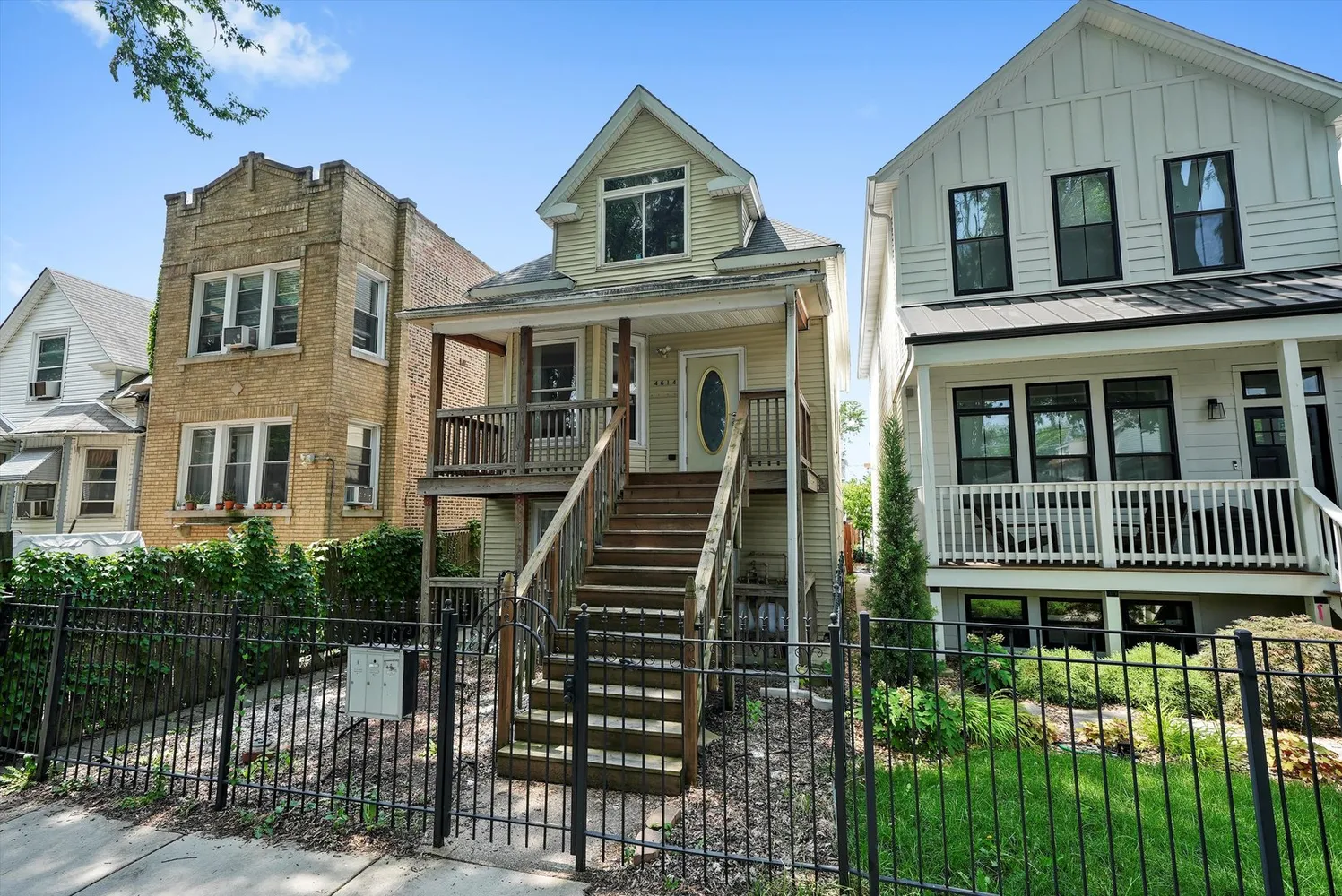
Located on West Patterson Avenue, this legal two-unit building was listed at $499,900. Spanning approximately 3,000 square feet, the property offered spacious floor plans and a three-car garage. Its proximity to the Kennedy Expressway and CTA bus routes made it an ideal candidate for commuters.
From an investment standpoint, Portage Park is often viewed as a stable, family-oriented neighborhood with steady appreciation. This property was a classic "value-add" opportunity; it was functional but required cosmetic and perhaps mechanical updates to reach its full market-rent potential. It represented a conservative entry point with significant upside through sweat equity.
Option 2: The Optimized Multi-Unit in Albany Park
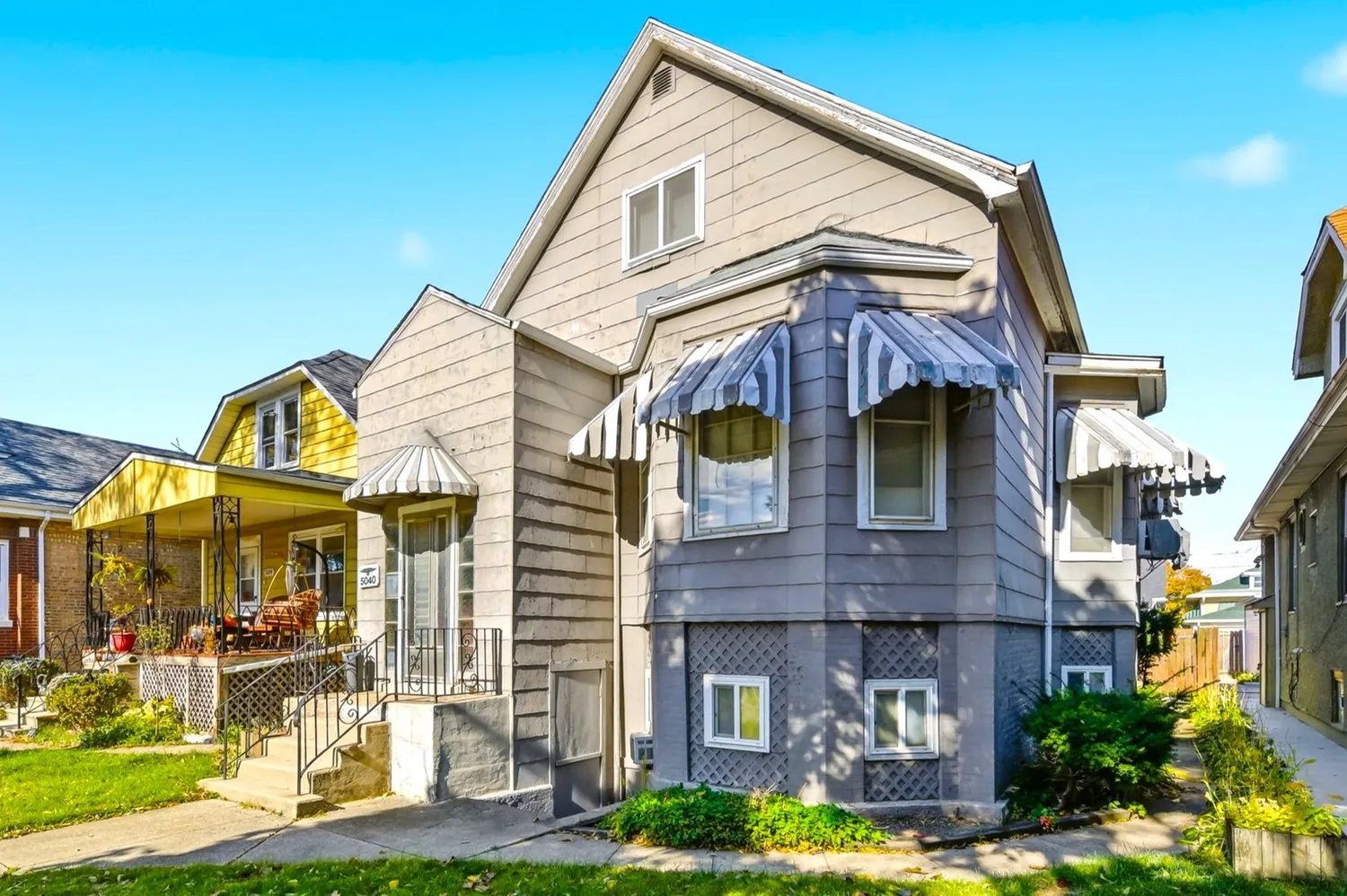
The second option, a turnkey multi-family building on North Springfield Avenue in Albany Park, was priced at $599,000. Albany Park is one of Chicago’s most diverse and densely populated neighborhoods, known for strong rental demand.
This property was unique because it was a legal two-unit that featured an additional "in-law" suite, effectively creating a three-unit income stream. One unit was already occupied by a tenant, providing immediate cash flow. While the price point was at the ceiling of Buranda’s budget, the existence of the third unit changed the debt-to-income calculus significantly.
Option 3: The High-Risk Fixer-Upper in Avondale
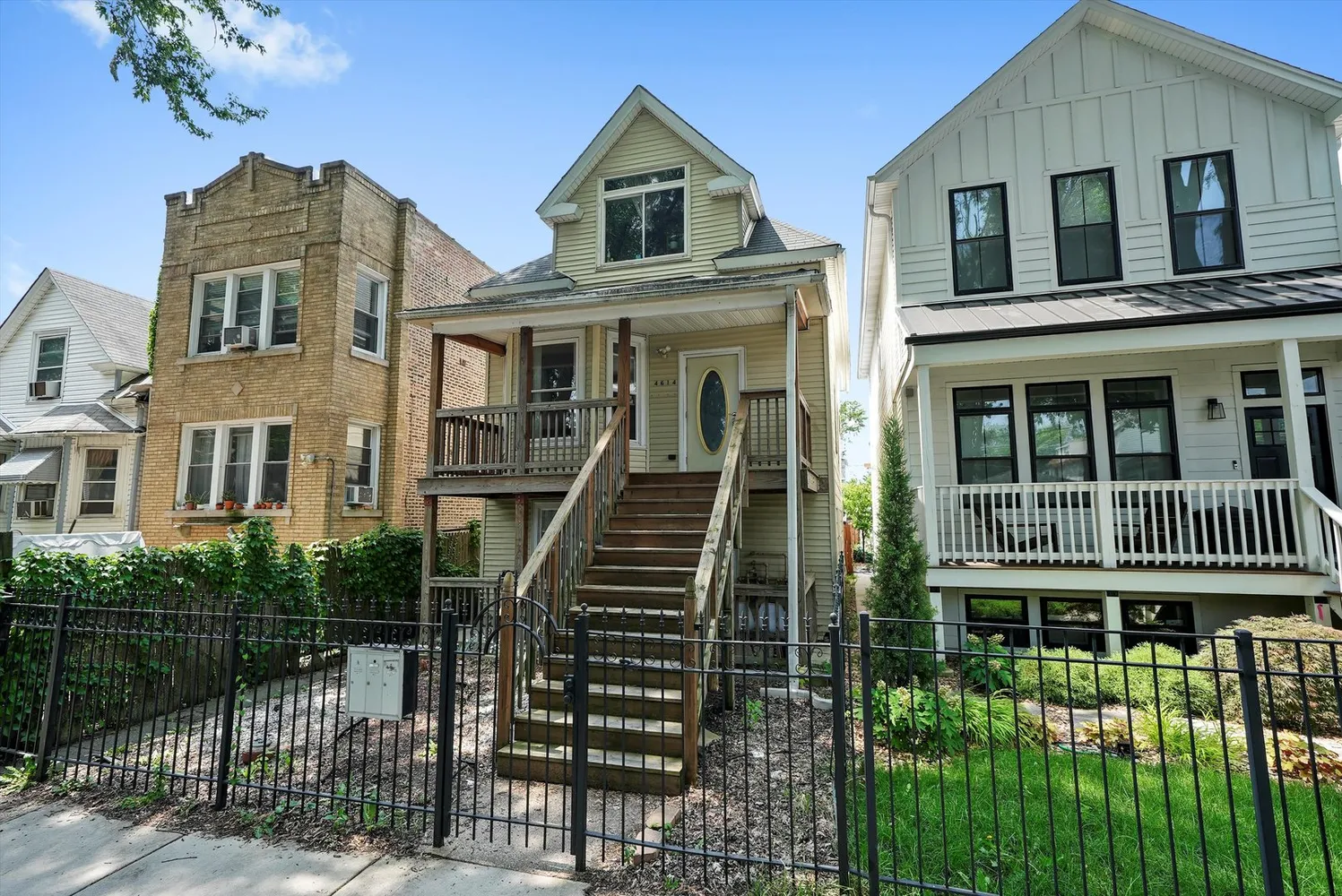
The most affordable option was a $399,900 building in Avondale. While the price was attractive, the property suffered from significant structural issues and water damage. Avondale has been cited by various real estate publications as one of the "hottest" neighborhoods in the country, suggesting that the long-term appreciation could be massive. However, for a first-time investor, the "gut rehab" nature of this project presented a high risk of capital depletion and project mismanagement.
The Selection: Why Albany Park Prevailed
Ultimately, Buranda selected Option 2, the $599,000 Albany Park property. This decision reflects a sophisticated understanding of "return on effort" versus "return on investment." While the Avondale property offered more potential equity gain, the Albany Park property offered immediate stability.
"Honestly, it felt like divine intervention," Buranda said of the discovery. The property allowed him to move into one unit while maintaining the existing tenant and preparing the third unit for the market.
Agent Dan Nelson emphasized the importance of the third unit in this specific deal. "I always encourage people to buy three units instead of two if they can. It’s really hard to cover a mortgage with just one rental unit. That extra unit makes a huge difference." In the Chicago market, the jump from a two-unit to a three-unit building often represents the tipping point where a property moves from "subsidized living" to "true cash flow."
Negotiation and Financial Closing
The acquisition of the Albany Park property was a masterclass in modern negotiation. Despite the competitive nature of the neighborhood, Buranda and Nelson initially submitted an offer $35,000 below the asking price.
The negotiation process was informed by a rigorous inspection period. In Chicago’s aging housing stock, inspections often reveal necessary repairs to electrical systems, roofing, or plumbing. Leveraging these findings, Buranda was able to secure a final sale price $10,000 below the original asking price, coupled with a $9,700 seller credit at closing.
Seller credits are particularly valuable in a high-interest-rate environment, as they can be used to buy down mortgage rates or cover closing costs, preserving the investor’s liquid cash for future repairs or reserves. This effectively lowered Buranda’s "all-in" cost and improved his Day 1 equity position.
Chronology of the Investment Journey
- Phase 1: Stabilization (2022-2023): Buranda focused on diversifying his income streams and building the financial profile necessary to qualify for a mid-six-figure loan in a rising-rate environment.
- Phase 2: Market Entry (Early 2024): Initial search focused on turnkey properties; realization that market pricing made these deals less viable for cash flow.
- Phase 3: Pivot and Identification (Spring 2024): Working with Dan Nelson, Buranda shifted focus to multi-unit potential and value-add opportunities in Albany Park and Portage Park.
- Phase 4: Negotiation (Mid 2024): Identification of the Springfield Avenue property; aggressive initial offer followed by inspection-based concessions.
- Phase 5: Closing and Occupancy (Late 2024): Successful acquisition with a sub-asking price and significant credits; transition to "landlord" status.
Broader Implications for Urban Wealth Building
Buranda’s success is more than a personal milestone; it is a validation of the principles he teaches at Bag Talk Academy. By practicing "house hacking," he has successfully converted a primary living expense—rent—into an appreciating asset that generates revenue.
The implications for the Chicago market are clear: while inventory is tight, opportunities exist for those willing to look past cosmetic imperfections and understand the underlying math of multi-unit properties. The "missing middle" housing (2-4 unit buildings) remains the most viable path for middle-class wealth creation in urban centers.
"I still can’t believe this is happening," Buranda reflected. "Teaching financial literacy has made me even more intentional about my own financial decisions. When you’re encouraging students to think about ownership and building wealth, you realize you have to practice what you preach."
As urban centers continue to grapple with housing affordability, the model provided by Taka Buranda and Dan Nelson serves as a blueprint. It highlights the necessity of professional partnership, the importance of psychological flexibility in the search process, and the enduring power of real estate as a tool for financial sovereignty. For Buranda, the search was not just about finding a building; it was about answering the "bigger, weirder question" of how to reclaim his time and labor from the traditional 9-to-5 cycle. In the heart of Albany Park, he found that answer.
