

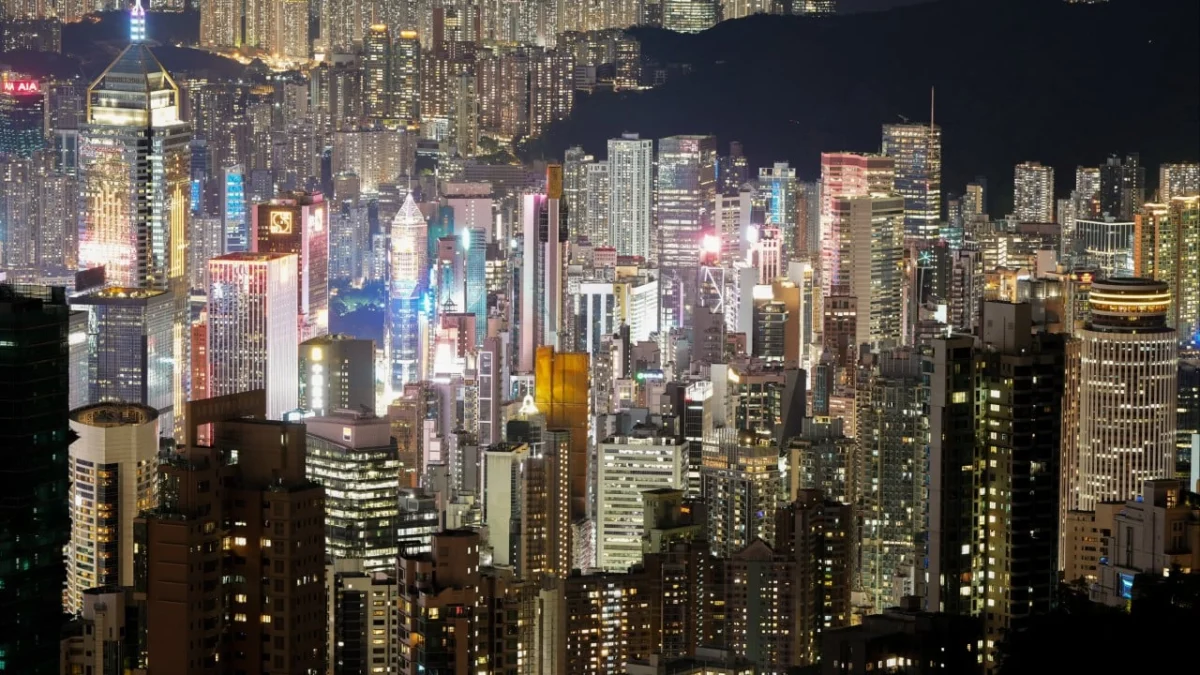
HK Electric, the primary energy provider for Hong Kong Island and Lamma Island, has announced a substantial increase in its monthly fuel surcharge, signaling a period of rising utility costs for hundreds of thousands of households and businesses. Starting in June 2026, the company’s fuel clause charge will rise to 31.3 HK cents per unit of electricity, marking a 20.4 per cent jump from the 26 HK cents recorded in May. The utility provider attributed this sharp upward adjustment to the ongoing instability in the Middle East, which has triggered significant fluctuations in international oil and liquefied natural gas (LNG) prices.
In a formal statement released on Friday, HK Electric warned that the current adjustment is only the beginning of a likely upward trend. Due to the "deferred effect" inherent in the company’s fuel cost recovery mechanism, the June price point does not yet fully reflect the most recent peaks in global energy markets. Consequently, the provider cautioned consumers that the fuel surcharge is expected to continue its ascent in the coming months as the full impact of geopolitical tensions filters through the supply chain.
Understanding the Tariff Structure: Basic vs. Fuel Clause
To understand the impact of this announcement, it is essential to look at how electricity bills are calculated in Hong Kong. The "net tariff"—the actual amount paid by the consumer—is comprised of two main components: the "basic tariff" and the "fuel clause charge."
The basic tariff covers the power company’s operating expenses, capital investments in infrastructure (such as power plants and transmission grids), and a permitted return on investment under the government’s Scheme of Control Agreement (SCA). The basic tariff is generally more stable and is reviewed on an annual basis. In contrast, the fuel clause charge is a pass-through mechanism. It is designed to allow utility companies to recover the actual costs of the fuels used to generate electricity, such as coal and natural gas.
Under the current regulatory framework, the fuel clause charge is revised monthly. This revision is based on the average actual fuel costs over the preceding three months. This rolling average creates a "deferred effect," meaning that when global oil prices spike suddenly due to a geopolitical event, the immediate impact on the consumer’s bill is dampened, but the higher costs eventually catch up and persist even if spot prices begin to stabilize.
The Geopolitical Catalyst: Conflict in the Middle East
The primary driver behind the 20.4 per cent surge is the volatile state of the Middle East. As of mid-2026, renewed tensions in the region have disrupted key shipping lanes and created uncertainty regarding the output of major oil-producing nations. For Hong Kong, which relies heavily on imported natural gas and coal to meet its energy needs, these global shifts have immediate local consequences.
Energy analysts note that the premium on "war risk" in maritime insurance, combined with the rerouting of tankers away from contested waters, has added significant logistical costs to energy imports. While HK Electric has diversified its fuel mix in recent years to include a higher proportion of natural gas—partly to meet the Hong Kong government’s carbon reduction targets—this shift has also increased the utility’s exposure to the highly volatile international LNG market. Unlike coal, which can be stockpiled more easily and often involves longer-term price stability, natural gas prices are frequently tied to global oil benchmarks or spot market fluctuations.
Chronology of Recent Tariff Adjustments
The June increase marks a pivot from the relative stability seen in the first quarter of 2026.
- January – March 2026: Fuel surcharges remained relatively flat as global markets absorbed the tail-end of a mild winter in the Northern Hemisphere.
- April 2026: Minor fluctuations began to appear as regional tensions in the Middle East escalated, though the three-month rolling average kept the surcharge below 26 cents.
- May 2026: The surcharge held at 26 HK cents, but HK Electric’s internal monitoring indicated that the cost of new fuel shipments arriving in Hong Kong was rising rapidly.
- June 2026 (Projected): The surcharge hits 31.3 HK cents. This represents the largest single-month percentage increase in over two years.
Looking ahead, if the conflict in the Middle East persists through the summer, analysts predict the surcharge could approach or exceed the record highs seen during the global energy crisis of 2022-2023.
Impact on Households and the Business Sector
The 20.4 per cent rise in the fuel surcharge will have a tangible impact on the monthly expenses of Hong Kong residents. For a typical household on Hong Kong Island consuming approximately 275 units of electricity per month, the fuel component of the bill will rise from HK$71.50 to approximately HK$86.08. While an increase of roughly HK$15 may seem modest for a single household, the cumulative effect across the economy is significant.
The commercial sector, particularly small and medium-sized enterprises (SMEs) in the catering and retail industries, is expected to feel the brunt of the increase. Restaurants, which require high energy loads for refrigeration and cooking, often see electricity as one of their top three operating costs alongside rent and labor.
"Any increase in overhead at this stage is difficult to swallow," said a representative from a Hong Kong Island-based restaurant association. "We are already facing high food import costs due to the same global supply chain issues. A 20 per cent jump in the fuel surcharge component of our power bill will inevitably lead to some of those costs being passed on to the consumer in the form of higher menu prices."
The Role of the Scheme of Control Agreement (SCA)
The financial relationship between the Hong Kong government and the two power companies—HK Electric and CLP Power—is governed by the Scheme of Control Agreement. The SCA is designed to ensure a stable and reliable power supply while allowing the companies to earn a capped return on their fixed assets.
However, the SCA has faced criticism during periods of high inflation and energy volatility. Critics argue that the "pass-through" nature of the fuel clause charge means that the utility companies do not have a strong enough financial incentive to hedge against fuel price spikes, as the costs are eventually borne by the ratepayers.
In response to such criticisms in the past, the government has occasionally utilized the "Fuel Clause Recovery Account" to smooth out sharp increases. This account acts as a buffer; when fuel prices are low, the surplus is collected, and when prices spike, the companies can draw from the account to avoid passing the full cost to consumers immediately. However, the sheer magnitude of the current price surge and the forecast for further increases suggest that any existing buffers may be insufficient to prevent the June hike.
Broader Implications and the Transition to Green Energy
The current crisis highlights a fundamental challenge in Hong Kong’s energy strategy. The city has been aggressively phasing out coal-fired generation in favor of natural gas and renewable energy to reach its goal of carbon neutrality by 2050. While natural gas is cleaner than coal, it is often more expensive and more sensitive to the geopolitical maneuvers of major exporters.
HK Electric has been expanding its gas-fired generation capacity at the Lamma Power Station, with newer units like L10, L11, and L12 coming online to replace aging coal units. Furthermore, the company is exploring the use of offshore wind farms and increased regional cooperation for zero-carbon energy imports. However, these infrastructure projects require massive capital investment, which is factored into the "basic tariff" component of the bill.
Environmental advocates argue that the current price shock should serve as a catalyst for more aggressive investment in energy efficiency and local renewable sources. "As long as we are dependent on imported fossil fuels, whether it’s oil, coal, or gas, Hong Kong’s economy will remain a hostage to global geopolitics," said an energy policy researcher at a local university. "The June surcharge increase is a reminder that the ‘green transition’ is not just about the environment; it’s about energy security and price stability."
Official Responses and Future Outlook
While HK Electric has provided the necessary data for the June adjustment, government officials from the Environment and Ecology Bureau are expected to monitor the situation closely. Historically, the government has provided one-off electricity subsidies to households during periods of extreme economic pressure, though no such measures have been announced yet in response to the June hike.
For now, the message from HK Electric is one of caution. The company has urged customers to adopt energy-saving measures as the summer months approach, which typically bring higher demand due to air conditioning. With the "deferred effect" still in play, the peak of the fuel surcharge may not be reached until late Q3 or early Q4 of 2026, depending entirely on the trajectory of the conflict in the Middle East and the stability of global shipping routes.
As June approaches, the residents of Hong Kong Island and Lamma Island must prepare for a tighter fiscal environment. The 20.4 per cent increase is a stark indicator of how interconnected the local economy is with global events, proving that a conflict thousands of miles away can directly impact the cost of living in one of the world’s leading financial hubs.
