

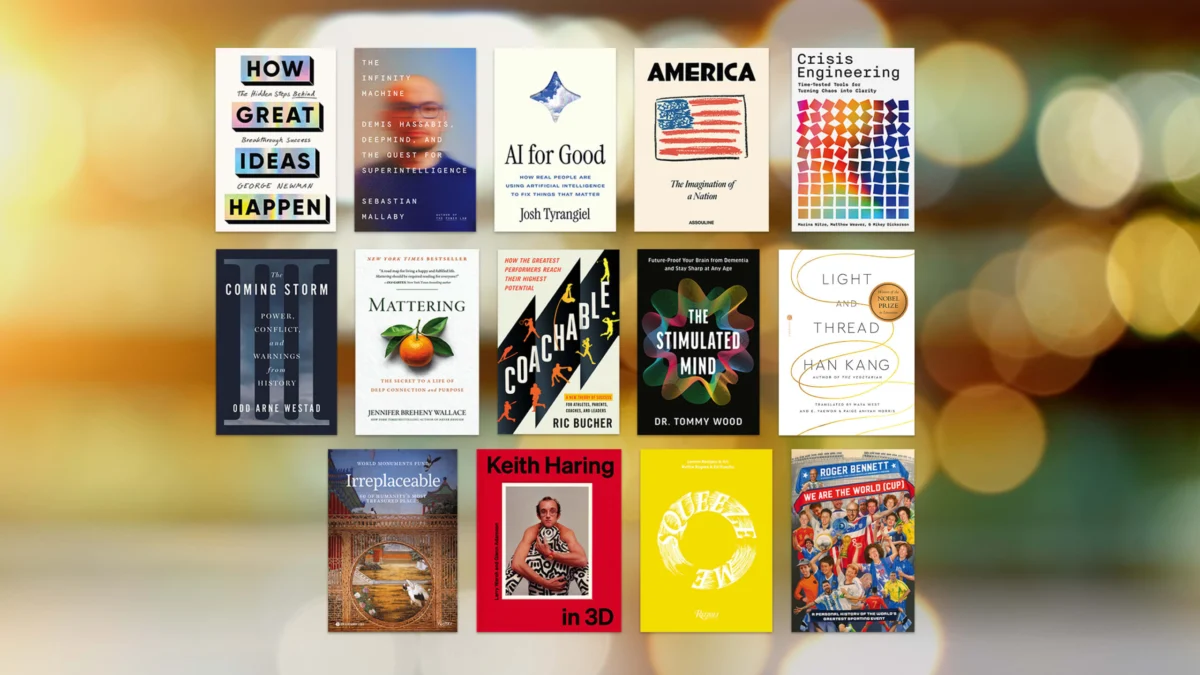
JPMorgan’s annual Summer Reading List, a highly anticipated curation for the world’s most affluent individuals, has been released, offering a revealing glimpse into the intellectual curiosities and strategic priorities of the global wealthy. Compiled from suggestions by JPMorgan’s client advisors across the globe, the 14 titles on this year’s list span an eclectic array of topics, from the transformative power of artificial intelligence and the pursuit of longevity to the intricacies of leadership, the burgeoning world of sports investing, and the critical dynamics of generational wealth transfer. This selection serves not merely as a guide for leisure reading but as a profound barometer of the prevailing concerns and aspirational pursuits shaping the decisions of ultra-high-net-worth (UHNW) individuals and family offices worldwide.
The Annual Curated Collection for the Affluent
For decades, JPMorgan Chase & Co., a titan in the global financial services industry, particularly through its Private Bank and Asset & Wealth Management divisions, has positioned itself not just as a manager of capital but also as a purveyor of knowledge and insights tailored to its elite clientele. The Summer Reading List epitomizes this approach, evolving from a simple recommendation into a significant cultural touchstone within the affluent community. It is a carefully curated resource designed to stimulate intellectual engagement, inform strategic thinking, and resonate with the complex lives of individuals who often balance vast financial empires with a keen interest in global trends and personal development. The list’s popularity stems from its perceived exclusivity and the implicit trust clients place in JPMorgan’s ability to identify relevant, insightful, and thought-provoking literature that addresses both their professional and personal spheres. It reflects a sophisticated understanding that wealth management extends beyond mere financial transactions to encompass intellectual enrichment and holistic well-being.
Decoding the Themes: Artificial Intelligence and the Future of Innovation
Unsurprisingly, artificial intelligence (AI) features prominently on this year’s list, with two dedicated titles underscoring its pervasive influence across industries and daily life. Sebastian Mallaby’s "The Infinity Machine" delves into the competitive landscape of AI innovation, profiling Demis Hassabis, CEO and co-founder of Google DeepMind, and the intense race for breakthroughs in the field. This selection resonates deeply with UHNW investors who are increasingly allocating capital to disruptive technologies and seeking to understand the foundational shifts AI is precipitating. The global AI market is projected to grow exponentially, with significant investment flowing into areas such as machine learning, natural language processing, and computer vision. For JPMorgan’s clients, who are often at the forefront of technological adoption and investment, understanding the minds behind these advancements is crucial for both portfolio strategy and broader societal comprehension.
Complementing this, Josh Tyrangiel’s "AI for Good" shifts the focus to the practical applications and positive societal impact of AI, exploring how the technology is already addressing everyday challenges. This duality in AI representation—from the cutting-edge race for discovery to its benevolent applications—reflects a nuanced client interest. While some clients are driven by the investment potential and disruptive capabilities of AI, others are equally concerned with its ethical implications, its role in philanthropy, and its capacity to solve grand global challenges. This balanced perspective highlights a growing trend among the wealthy to integrate purpose-driven investment with financial returns, seeking technologies that not only generate wealth but also contribute positively to society. Industry analysts suggest that this dual focus on innovation and impact will continue to shape investment decisions within the UHNW segment, particularly as younger generations assume control of family wealth.
The Pursuit of Human Potential: Mind, Body, and Leadership
Beyond technology, the list underscores a profound and growing interest among the wealthy in human optimization, encompassing leadership, cognitive performance, and longevity. Cognitive scientist George Newman’s "How Great Ideas Happen" explores the development of skills essential for discovery and innovation. This resonates with business leaders, entrepreneurs, and philanthropists who continuously seek to foster creativity and strategic thinking within their organizations and personal endeavors. The book’s inclusion suggests a client base eager to understand the mechanics of breakthrough thinking, not just to apply it in their ventures but also to cultivate it within their families and next-generation leaders.
Further addressing human potential, neuroscientist and physician Dr. Tommy Wood’s "The Stimulated Mind" offers strategies for maintaining brain adaptability and focus. This reflects a broader societal trend, amplified within the affluent demographic, towards optimizing health and cognitive function. The longevity market, encompassing everything from advanced diagnostics to personalized nutrition and biohacking, is a multi-trillion-dollar industry experiencing rapid growth. UHNW individuals often have access to the most cutting-edge medical research and personalized wellness programs, and books like Dr. Wood’s provide intellectual scaffolding for these practical pursuits. Wealth managers observe that clients are increasingly investing in their "healthspan" as much as their "wealthspan," recognizing that sustained cognitive acuity and physical vitality are paramount for enjoying their prosperity and maintaining their leadership roles.
Beyond Traditional Assets: The Rise of Sports Investing
A particularly intriguing addition to this year’s list is NBA analyst Ric Bucher’s "Coachable," which distills leadership lessons from conversations with iconic sports figures such as Michael Jordan, Tom Brady, and Diana Taurasi. The inclusion of a sports-themed book signals the increasing prominence of sports as an investment class and a cultural touchstone among the wealthy. Sports franchises, particularly in major leagues like the NBA, NFL, and MLB, have seen their valuations soar, attracting significant investment from UHNW individuals and private equity firms. Beyond team ownership, there is a growing interest in sports technology, media rights, and athlete management.
For clients engaged in sports investing, "Coachable" offers insights into the psychology of peak performance, resilience, and team dynamics—qualities that are directly transferable to business leadership and investment strategy. Furthermore, the burgeoning field of athlete wealth management, a specialized niche within private banking, indicates a deep intertwining of sports and finance. JPMorgan, like other leading financial institutions, serves a significant number of professional athletes and sports entrepreneurs. The lessons derived from the relentless pursuit of excellence and the strategic decision-making in high-stakes environments, as explored in Bucher’s book, provide a unique lens through which to view leadership and success, resonating strongly with a client base that often operates in similarly competitive arenas.
Navigating the Great Wealth Transfer: Family, Legacy, and Purpose
Perhaps one of the most critical and enduring themes on the list, particularly for family offices, is the generational transition of wealth and leadership. Darin Oduyoye, Chief Communications Officer of J.P. Morgan Asset & Wealth Management, highlighted the significant interest in books addressing this topic. Jennifer Breheny Wallace’s "Mattering" is specifically cited as resonating with next-generation family leaders. Oduyoye elaborated, stating, "Her message is resonating with next-generation family leaders — centered on purpose, identity, and how rising decision-makers define what they want to pursue — especially as families navigate leadership transition and legacy."
This emphasis on "mattering" speaks to a fundamental shift in the priorities of younger generations inheriting significant wealth. Unlike previous generations who might have focused predominantly on wealth preservation and growth, the next generation often seeks to align their financial decisions with their values, pursuing purpose-driven investments, philanthropy, and social impact. The "Great Wealth Transfer," estimated to be trillions of dollars globally over the coming decades, is driving a re-evaluation of how wealth is managed, deployed, and transmitted. Family offices, which manage the private wealth of UHNW families, are increasingly grappling with the complexities of intergenerational communication, succession planning, and the cultivation of a shared family purpose. Data from leading wealth management firms indicates that over 70% of family offices identify succession planning and educating the next generation as top priorities. "Mattering" offers a framework for these discussions, helping rising leaders define their identity and purpose beyond the inherited fortune, ensuring that the family’s legacy extends beyond financial capital to encompass social and intellectual capital.
A Chronology of Influence: Evolution of the JPMorgan List
While the exact inception date of JPMorgan’s Summer Reading List is not publicly detailed, its consistent annual release points to a long-standing tradition within the institution, likely originating decades ago as an informal recommendation service that gradually formalized into a cornerstone of its client engagement strategy. Over the years, the themes reflected in the list have evolved considerably, mirroring shifts in global economics, technological advancement, and societal values. Early iterations of such lists from financial institutions might have heavily emphasized classic business literature, economic theory, and biographies of titans of industry.
However, as the nature of wealth and the interests of the wealthy diversified, so too did the scope of the reading list. The late 20th and early 21st centuries saw the emergence of technology-focused books, reflecting the dot-com boom and the subsequent digital revolution. Environmental, Social, and Governance (ESG) considerations, once niche, began appearing more frequently as clients increasingly sought to integrate sustainability into their investment strategies. More recently, the list has broadened to include topics on mental well-being, personal development, art, and culture, acknowledging the holistic lifestyle of the affluent. This chronological evolution underscores JPMorgan’s commitment to remaining attuned to the multifaceted needs and intellectual curiosities of its clients, adapting its thought leadership to stay relevant in a rapidly changing world. The current list, with its blend of AI, longevity, leadership, and generational transition, represents the culmination of this adaptive strategy, reflecting the complex, interconnected challenges and opportunities faced by today’s global elite.
Broader Implications: A Barometer of Elite Interests
The JPMorgan Summer Reading List is more than just a collection of books; it functions as a powerful cultural artifact and an unofficial barometer of the prevailing intellectual and strategic currents within the global affluent community. Its contents are dissected by wealth managers, industry analysts, and even other financial institutions looking to glean insights into the mindset of the world’s wealthiest individuals. For publishers, a placement on this list can translate into significant sales and heightened prestige, cementing a book’s status as a must-read within a highly influential demographic.
The list implicitly reinforces JPMorgan’s position as a thought leader, demonstrating its understanding not only of financial markets but also of the broader socio-economic, technological, and personal development trends that shape its clients’ lives. It fosters a sense of intellectual community among its clients, providing shared talking points and intellectual frameworks. Furthermore, it subtly shapes the discourse among the affluent, guiding their attention towards issues that JPMorgan deems critical for their future success and well-being. By curating such a list, JPMorgan effectively offers a "hidden curriculum" for the wealthy, subtly influencing their perspectives on innovation, leadership, societal impact, and personal growth, thereby solidifying its role as an indispensable advisor in all aspects of its clients’ lives.
In conclusion, the 2024 JPMorgan Summer Reading List stands as a meticulously crafted reflection of the contemporary concerns and aspirations of the global wealthy. From grappling with the accelerating pace of artificial intelligence and extending human potential to strategically navigating the complexities of generational wealth transfer and exploring unconventional investment avenues like sports, the selected titles offer profound insights. This annual tradition transcends mere literary recommendations, serving as a critical indicator of the evolving priorities within the ultra-high-net-worth segment, while simultaneously reinforcing JPMorgan’s strategic position as a comprehensive guide for its clients in an increasingly intricate world.
