

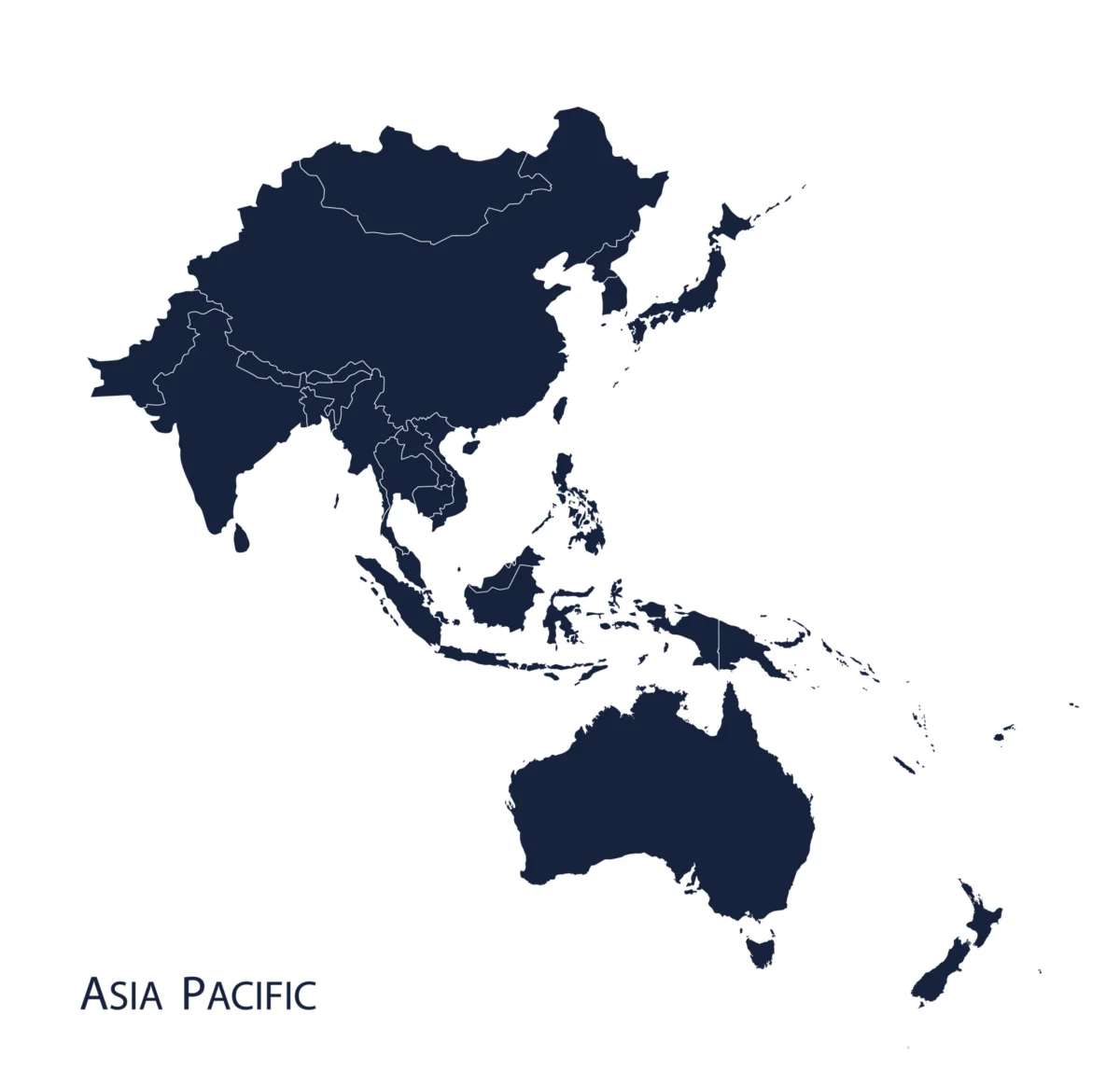
The Asia-Pacific (APAC) region, a powerhouse of economic dynamism and rapid technological advancement, stands at a critical juncture. Boards of directors and investment committees across the region are grappling with a complex and increasingly fractured geopolitical landscape. The traditional imperative of short-term profit maximization is no longer sufficient. Instead, a profound challenge has emerged: how to pivot towards a model of corporate stewardship that skillfully balances ambitious growth with unwavering resilience. This evolving paradigm is driven by a confluence of factors, including swift technological adoption, significant demographic shifts, deep economic interdependence, and a stark rise in protectionism, supply chain vulnerabilities, and escalating geopolitical rivalries. For leaders tasked with steering corporate entities, the message is unequivocal: governance structures must adapt. This necessitates a concerted effort to bridge existing educational deficits, cultivate integrated systems thinking, and fundamentally embed long-term resilience into the very fabric of corporate strategy.
The Shifting Sands: Fragmentation as the New Global Reality
The current geopolitical climate is characterized by a departure from predictable global order. The rise of nationalistic policies, trade disputes, and regional conflicts signifies a structural shift rather than a transient disruption. Boards in APAC must acknowledge that this fragmentation is not a temporary anomaly but a defining characteristic of the contemporary global operating environment. This recognition demands a fundamental reevaluation of governance models, prioritizing agility, adaptability, and proactive foresight.
Historically, many multinational corporations have benefited from a relatively stable global trade environment, enabling optimized supply chains and predictable market access. However, recent events, such as the COVID-19 pandemic and ongoing geopolitical tensions in Eastern Europe and the South China Sea, have starkly exposed the fragility of these interconnected systems. The imposition of sanctions, export controls, and tariffs can disrupt critical inputs, alter market access overnight, and necessitate rapid strategic realignments. For instance, the semiconductor industry, a cornerstone of modern technology, has become a focal point of geopolitical competition, with nations vying for control over production and technological leadership. This has led to increased investment in domestic chip manufacturing and a growing trend towards supply chain regionalization or "friend-shoring."
Bridging the Governance Knowledge Gap
A significant hurdle for many APAC boards lies in the uneven distribution of governance literacy, particularly concerning emerging and complex challenges. Expertise in sustainability, the pervasive impact of digital transformation, and the nuanced intricacies of geopolitical risk often varies considerably among board members. To effectively navigate this complex terrain and lead with conviction, a continuous and robust educational framework is essential.
According to a recent report by the World Economic Forum, the average tenure of a board member has increased, leading to a greater accumulation of experience but also potentially a slower adoption of new knowledge. This highlights the critical need for ongoing professional development. Boards that fail to proactively invest in enhancing director capabilities risk being caught off guard by systemic shocks, leading to reactive decision-making and significant value erosion. The integration of Environmental, Social, and Governance (ESG) principles, for example, is no longer a niche concern but a mainstream expectation from investors, regulators, and consumers alike. Boards must possess a sophisticated understanding of how climate change, social inequality, and ethical corporate practices directly influence financial performance and long-term viability.
The Power of Systems Thinking: Connecting the Dots
The tendency for boards to address challenges in isolation—a phenomenon often termed "siloed thinking"—can foster short-termism and obscure the interconnected nature of global risks and opportunities. Systems thinking offers a potent antidote, providing a framework for understanding how economic, social, environmental, and political factors are inextricably linked and mutually influential.
Consider the cascading effects of regulatory changes. A new climate regulation enacted in a major Western market, such as the European Union’s Carbon Border Adjustment Mechanism (CBAM), can have profound ripple effects. For APAC companies exporting to the EU, this could translate into increased operational costs due to carbon pricing, necessitating investments in greener production methods or the absorption of higher expenses. This, in turn, might impact their competitiveness in other markets and influence their raw material sourcing strategies. Without a systems thinking approach, boards might only focus on the immediate compliance cost, failing to anticipate the broader implications for their entire value chain, competitive positioning, and long-term strategic direction.
This integrated perspective is crucial for identifying second-order effects and anticipating unintended consequences. For instance, a decision to diversify supply chains away from a politically unstable region, while seemingly prudent, could inadvertently create new vulnerabilities if the alternative sourcing locations lack robust labor protections or environmental standards, leading to future reputational damage or operational disruptions.
The Delicate Balance: Growth and Enduring Resilience
The allure of rapid growth, particularly within the dynamic and expanding markets of APAC, can create a powerful temptation for short-term gains. However, this pursuit can inadvertently undermine the long-term resilience necessary to weather inevitable storms. Effective stewardship demands a strategic balancing act, where immediate shareholder returns are carefully weighed against the imperative of sustainable value creation.
Resilience, in this context, is not merely the antithesis of growth; it is, in fact, its essential prerequisite in an increasingly volatile world. Companies that prioritize resilience often build more robust supply chains, diversify their customer bases, invest in agile operational capabilities, and maintain strong financial health, enabling them to not only survive but also thrive during periods of disruption. For example, companies that had invested in diversified manufacturing bases prior to the pandemic were often better positioned to maintain production and fulfill orders when specific regions experienced lockdowns.
The concept of "agility" is paramount. This involves not just the capacity to react to change but also the foresight to anticipate it and the flexibility to adapt quickly. This can manifest in various ways, from investing in flexible manufacturing processes to developing a workforce with adaptable skill sets. Furthermore, a strong balance sheet, characterized by manageable debt levels and sufficient liquidity, provides a critical buffer against unexpected economic downturns or sudden increases in the cost of capital.
Practical Strategies for APAC Boards and Investment Committees
To navigate this complex environment, boards and investment committees in APAC can implement several actionable strategies:
- Enhanced Risk Management Frameworks: Move beyond traditional risk assessments to a more dynamic and forward-looking approach that incorporates geopolitical, climate, and technological disruption scenarios. This involves horizon scanning, scenario planning, and stress testing of business models.
- Diversification of Supply Chains and Markets: Actively seek to reduce over-reliance on single suppliers, geographies, or customer segments. This could involve near-shoring, friend-shoring, or establishing redundant supply chains.
- Investment in Digital Transformation and Cybersecurity: Recognize that digital infrastructure and robust cybersecurity measures are critical for operational resilience, data protection, and maintaining competitive advantage in an increasingly digitized world. The proliferation of cyber threats, often state-sponsored or linked to geopolitical tensions, necessitates significant investment and ongoing vigilance.
- Talent Development and Succession Planning: Cultivate a workforce with adaptable skills and foster a culture of continuous learning. Ensure robust succession plans are in place for key leadership roles, particularly those that require navigating complex international environments.
- ESG Integration into Strategy: Embed ESG considerations not as a separate initiative but as an integral part of the core business strategy. This includes understanding and mitigating climate-related risks, ensuring ethical labor practices across the value chain, and promoting good corporate governance.
- Scenario-Based Boardroom Discussions: Dedicate specific board sessions to exploring plausible future scenarios, including those involving significant geopolitical shifts, technological breakthroughs, or environmental crises. This encourages strategic thinking and preparedness.
- Stakeholder Engagement: Foster stronger relationships with a broader range of stakeholders, including employees, suppliers, customers, and local communities. This can provide valuable insights and build resilience through collaborative problem-solving.
Stewardship: The New Standard for Leadership
In an era defined by geopolitical fragmentation, the luxury of short-termism is no longer a viable option for APAC boards. The future belongs to those entities that proactively embrace stewardship—a governance philosophy characterized by informed decision-making, interconnected thinking, and an unwavering commitment to resilience. By diligently bridging educational gaps, cultivating sophisticated systems thinking, and harmonizing growth objectives with long-term resilience, boards and investment committees across Asia can not only safeguard enterprise value but also significantly contribute to regional stability and sustained prosperity.
Stewardship is not a passive stance; it is a deliberate and active leadership choice. The challenges confronting APAC boards are immense, but so too is the profound opportunity to redefine the very essence of corporate governance for a new, complex, and interconnected global era. This proactive approach to governance is crucial for building companies that are not only profitable but also robust, adaptable, and capable of navigating the inherent uncertainties of the 21st century.
This discussion aligns with broader trends identified in CAIA’s recent report, The World Rewired. The report delves into the interconnected shifts reshaping the investment landscape, emphasizing the need for a more holistic and forward-thinking approach to strategy and governance. The insights presented in The World Rewired underscore the urgency for leaders to adapt to a rapidly evolving global context, much like the imperative for APAC boards to embrace stewardship.
About the Contributor
Nick Pollard, Managing Director for APAC at the CAIA Association, brings over 15 years of extensive international finance experience within the Asia-Pacific region. His current role focuses on driving the CAIA Association’s expansion in this pivotal market, leveraging his expertise in business development and a deep commitment to nurturing the next generation of finance professionals. Prior to his tenure at CAIA, Pollard spent seven years as Managing Director for the CFA Institute in APAC, where he cultivated strong relationships with institutional partners, employers, universities, and regulatory bodies. His earlier career included senior leadership positions at The Royal Bank of Scotland’s Coutts Asia division, where he served as CEO, and subsequently as Head of International Learning and Professional Development for Coutts International. Pollard’s professional journey began with NatWest Group, where he honed his skills in marketing and talent development. Having lived and worked in the APAC region for nearly two decades, he is uniquely positioned to understand and address the region’s significant economic and demographic transformations. He holds a B.A. from University College, London.
To learn more about the CAIA Association and its role in shaping the future of investing, please visit https://caia.org/.
