

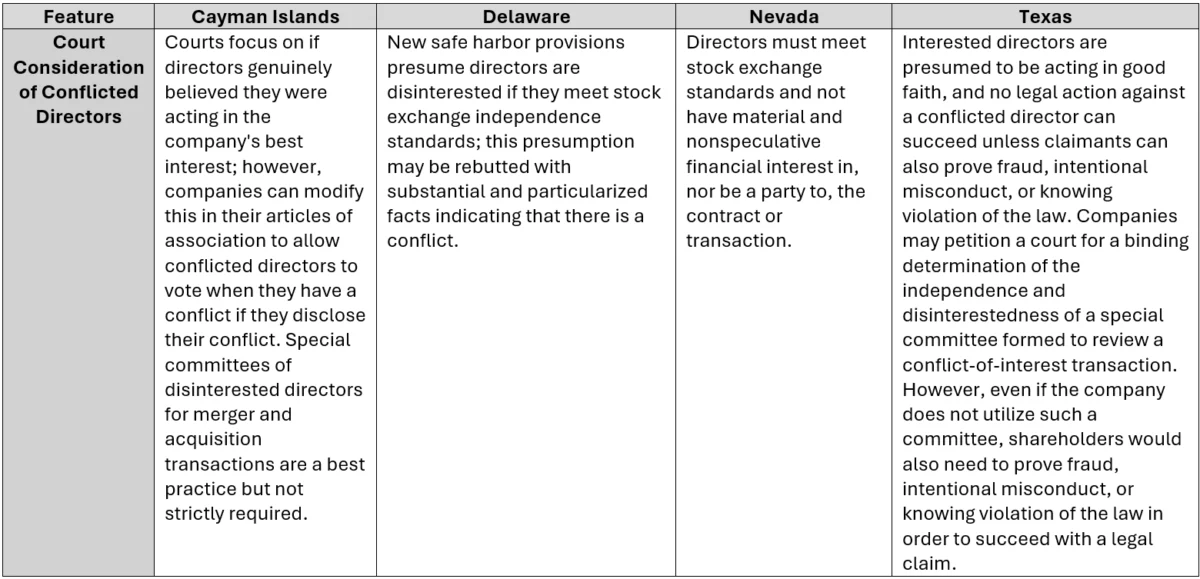
A pivotal research memorandum authored by James Crowe, Research Manager at the Council of Institutional Investors (CII), offers a granular examination of the distinct legal frameworks governing corporate governance and shareholder rights in Delaware, Nevada, Texas, and the Cayman Islands. Published on May 14, 2026, this comprehensive analysis, rooted in the Council of Institutional Investors Research and Education Fund’s extensive work, provides institutional investors, legal professionals, and corporate leaders with a high-level comparative overview of critical governance provisions and investor protections. The document systematically dissects variations in director and officer liability, fiduciary duties, and shareholder litigation rights, illuminating how these foundational elements shape corporate oversight and the safeguarding of investor interests across these prominent jurisdictions.

Understanding the Landscape of Corporate Law
The selection of Delaware, Nevada, Texas, and the Cayman Islands for this comparative study is strategically significant. Delaware has long been the preeminent jurisdiction for corporate law in the United States, home to a vast majority of Fortune 500 companies due to its well-established, sophisticated, and predictable legal system, particularly its Court of Chancery, renowned for its expertise in corporate disputes. Nevada has emerged as a notable alternative, often appealing to companies seeking perceived advantages in corporate flexibility and director protections. Texas, a major economic hub with a substantial corporate presence, presents its own distinct legal nuances. The Cayman Islands, a prominent offshore financial center, offers a different regulatory and legal environment, frequently utilized by international businesses and investment funds.
This comparative analysis is particularly timely given the ongoing evolution of corporate governance standards and the increasing scrutiny from institutional investors on matters of accountability, transparency, and shareholder value. The Council of Institutional Investors, representing a significant portion of the world’s largest pension funds, endowments, and foundations, plays a crucial role in advocating for best practices in corporate governance. Their research, therefore, carries considerable weight in shaping corporate strategy and regulatory discourse.

Key Areas of Comparative Analysis
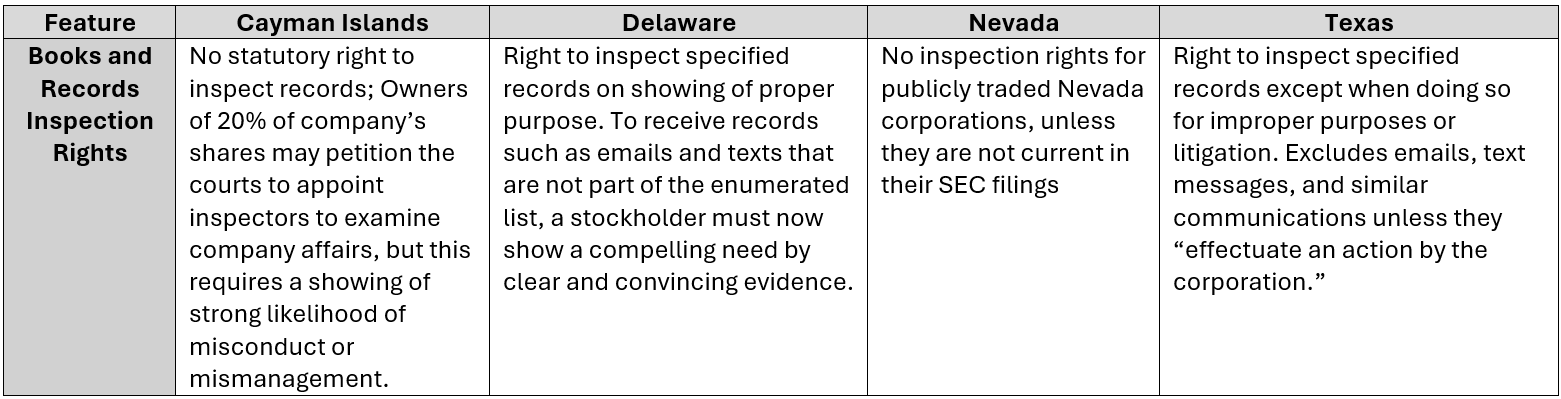
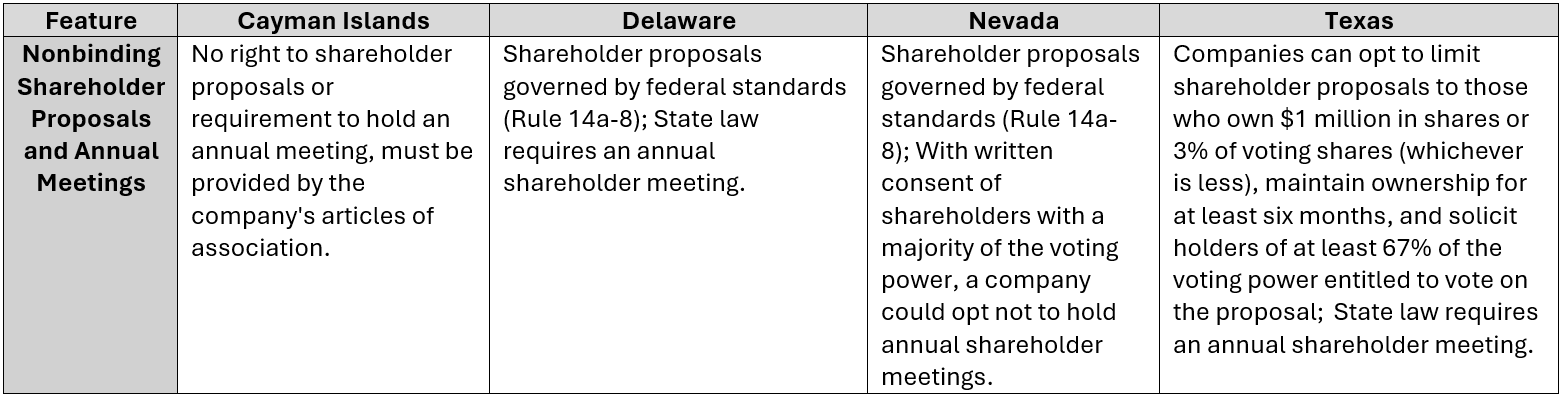
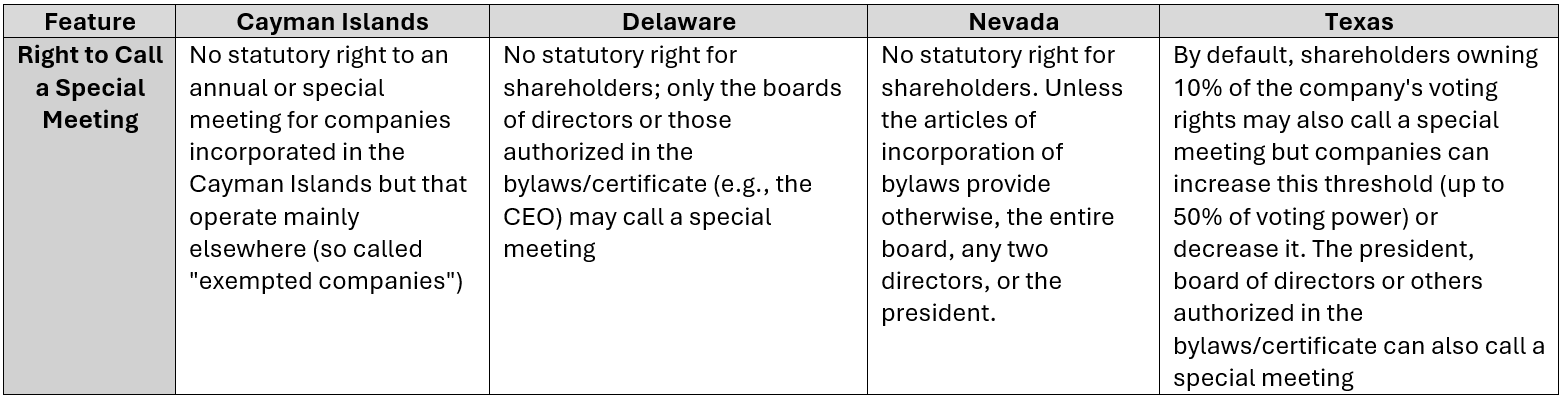
The memorandum, presented through detailed tables and analysis, delves into several critical aspects of corporate law that directly impact corporate oversight and investor protections:
Director and Officer Liability
One of the most significant distinctions across jurisdictions lies in the scope of director and officer (D&O) liability. Delaware law, under Section 102(b)(7) of its General Corporation Law, allows for the exculpation of directors from monetary liability for breaches of the duty of care, provided such breaches do not involve intentional misconduct, knowing violations of law, or improper personal benefit. This provision has been instrumental in attracting companies to Delaware, as it provides a degree of protection for directors, encouraging them to take informed business decisions without undue fear of personal financial ruin.

Nevada, in contrast, offers even broader protections for directors and officers. Nevada Revised Statutes §78.138 grants broad indemnification rights and significantly limits personal liability for corporate officers and directors, often extending protections beyond what is available in Delaware, particularly concerning breaches of fiduciary duties not involving intentional misconduct or knowing violations of law. This can be a significant draw for companies prioritizing director autonomy and reduced personal risk.
Texas law, while offering director and officer liability protections, generally aligns more closely with common law principles, though specific statutory provisions may provide certain immunities. The extent of protection often hinges on the specific circumstances of alleged misconduct and the company’s charter provisions.

The Cayman Islands, operating under a statutory framework influenced by English common law, provides protections for directors, particularly regarding their fiduciary duties. However, the scope and application of these protections can differ, often involving principles of "business judgment" and adherence to the company’s articles of association. The jurisdiction’s approach to liability can be more nuanced, particularly in cases involving fraud or gross negligence.
Fiduciary Duties
The nature and extent of fiduciary duties owed by directors and officers are central to corporate governance. In Delaware, directors owe three primary fiduciary duties: the duty of care, the duty of loyalty, and the duty of good faith. The duty of care requires directors to act with the care that a reasonably prudent person in a like position would exercise under similar circumstances. The duty of loyalty mandates that directors act in the best interests of the corporation and its shareholders, avoiding self-dealing and conflicts of interest. The duty of good faith, increasingly emphasized, requires directors to act with an honest belief that their actions are in the best interests of the corporation.

Nevada law also imposes fiduciary duties on directors and officers, but the interpretation and enforcement of these duties can differ. While loyalty and good faith are generally recognized, the practical application and the extent to which these duties can be modified or limited by corporate charters can be more flexible than in Delaware.
Texas law, similar to Delaware, recognizes the duties of loyalty and good faith, and the duty of care. However, specific statutory provisions and judicial interpretations shape their application, often emphasizing the "best interest of the corporation" as the paramount consideration.

In the Cayman Islands, directors owe fiduciary duties to the company, which generally encompass duties of care, skill, diligence, and loyalty. The interpretation of these duties is guided by common law principles and the company’s constitutional documents. The emphasis is often on acting honestly and in accordance with the company’s best interests, with specific protections for directors acting in good faith and within the bounds of their authority.
Shareholder Litigation Rights
The ability of shareholders to initiate and pursue legal action against a corporation or its fiduciaries is a crucial aspect of corporate accountability. Delaware law provides robust avenues for shareholder litigation, including derivative suits (brought on behalf of the corporation) and direct suits (brought by shareholders to vindicate their own rights). The procedural requirements for initiating such suits, particularly demand requirements in derivative litigation, are well-defined.
Nevada law also permits shareholder litigation, but its procedural rules and the thresholds for bringing certain types of claims may differ from Delaware. Some companies may seek to structure their governance to limit the scope or ease of shareholder litigation.
Texas law offers shareholders avenues for litigation, including derivative actions. The specific requirements and the effectiveness of these rights can depend on various factors, including the company’s structure and the nature of the alleged wrongdoing.
The Cayman Islands provide shareholders with mechanisms for redress, including derivative actions and winding-up petitions in cases of unfairly prejudicial conduct. However, the procedural landscape and the practicalities of pursuing litigation from an offshore jurisdiction can present unique challenges and considerations for investors.
Implications for Corporate Oversight and Investor Protection
The variations in these core legal principles have significant implications for how corporations are governed and how effectively investor rights are protected.
- Director Accountability: Jurisdictions offering broader D&O liability protections might, in some instances, lead to less rigorous oversight if not balanced by strong internal controls and independent board structures. Conversely, the certainty of liability protections in Delaware can foster a more dynamic and entrepreneurial environment, assuming directors remain diligent and act in good faith.
- Shareholder Voice: The ease or difficulty of shareholder litigation directly influences the power of shareholders to hold management and boards accountable. Jurisdictions with more accessible litigation rights may empower shareholders to address corporate governance failures more effectively.
- Attracting Business: Companies often choose their jurisdiction of incorporation based on these legal frameworks. Delaware’s sophisticated and predictable system, coupled with reasonable liability protections, has historically made it a preferred choice. However, alternative jurisdictions like Nevada may appeal to companies seeking specific advantages, potentially leading to a more fragmented corporate landscape.
- Investor Strategy: Institutional investors must carefully consider the legal environment of the companies in which they invest. Understanding the nuances of D&O liability, fiduciary duties, and shareholder rights in different jurisdictions is critical for developing effective engagement strategies and assessing governance risks. For instance, an investor engaging with a company incorporated in the Cayman Islands might approach the engagement differently than with a Delaware-incorporated entity, given the differing legal and practical considerations.
A Deeper Dive into Specific Provisions
The memorandum likely elaborates on specific provisions within each jurisdiction’s corporate statutes and influential case law. For example, it might detail:
- Indemnification Provisions: The extent to which companies can indemnify their directors and officers for legal expenses and liabilities incurred in their capacity. This is a key area where Nevada often offers more expansive provisions.
- Advance Payment of Expenses: Whether companies can advance legal expenses to directors and officers facing litigation.
- Business Judgment Rule: The application and scope of the business judgment rule, which shields directors from liability for honest mistakes of judgment made in good faith. This rule is a cornerstone of corporate law in all these jurisdictions but can be interpreted and applied differently.
- Shareholder Inspection Rights: The rights of shareholders to inspect corporate books and records, which is crucial for effective oversight and for gathering information to support litigation.
- Dissenter’s Rights: The rights of minority shareholders who dissent from certain corporate actions, such as mergers, to receive fair value for their shares.
The inclusion of specific statutory references and citations to landmark court cases would further enhance the memorandum’s utility, providing readers with the precise legal authority underpinning the comparative analysis.
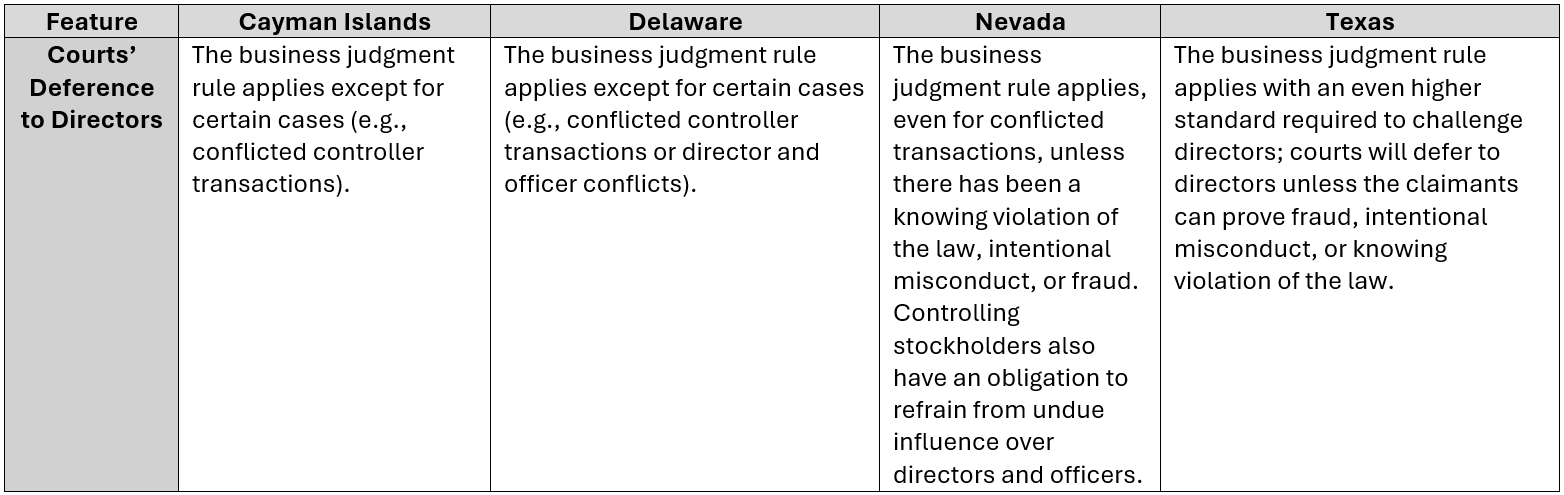
The Role of the Council of Institutional Investors
The Council of Institutional Investors’ commitment to producing such detailed research underscores its mission to promote strong corporate governance and enhance long-term shareholder value. By providing clear, comparative data, the CII equips its members and the broader investment community with the knowledge necessary to make informed decisions, engage effectively with corporate management, and advocate for policies that protect investor interests. The organization’s work in this area is not merely academic; it directly influences corporate behavior and regulatory development.
Conclusion and Future Considerations
The research presented by James Crowe and the Council of Institutional Investors Research and Education Fund serves as an invaluable resource for navigating the complex landscape of corporate governance across different legal jurisdictions. The distinctions highlighted in director and officer liability, fiduciary duties, and shareholder litigation rights are not merely technical legal points; they have tangible consequences for corporate accountability, the protection of investor capital, and the overall health of the business ecosystem. As corporate structures become increasingly globalized and investor demands for transparency and accountability continue to rise, such comparative analyses become ever more critical for informed decision-making and effective advocacy. The ongoing evolution of corporate law in each of these jurisdictions will undoubtedly necessitate future updates and further research to ensure investors remain equipped with the most current and comprehensive understanding of their rights and the governance structures of the companies they own.
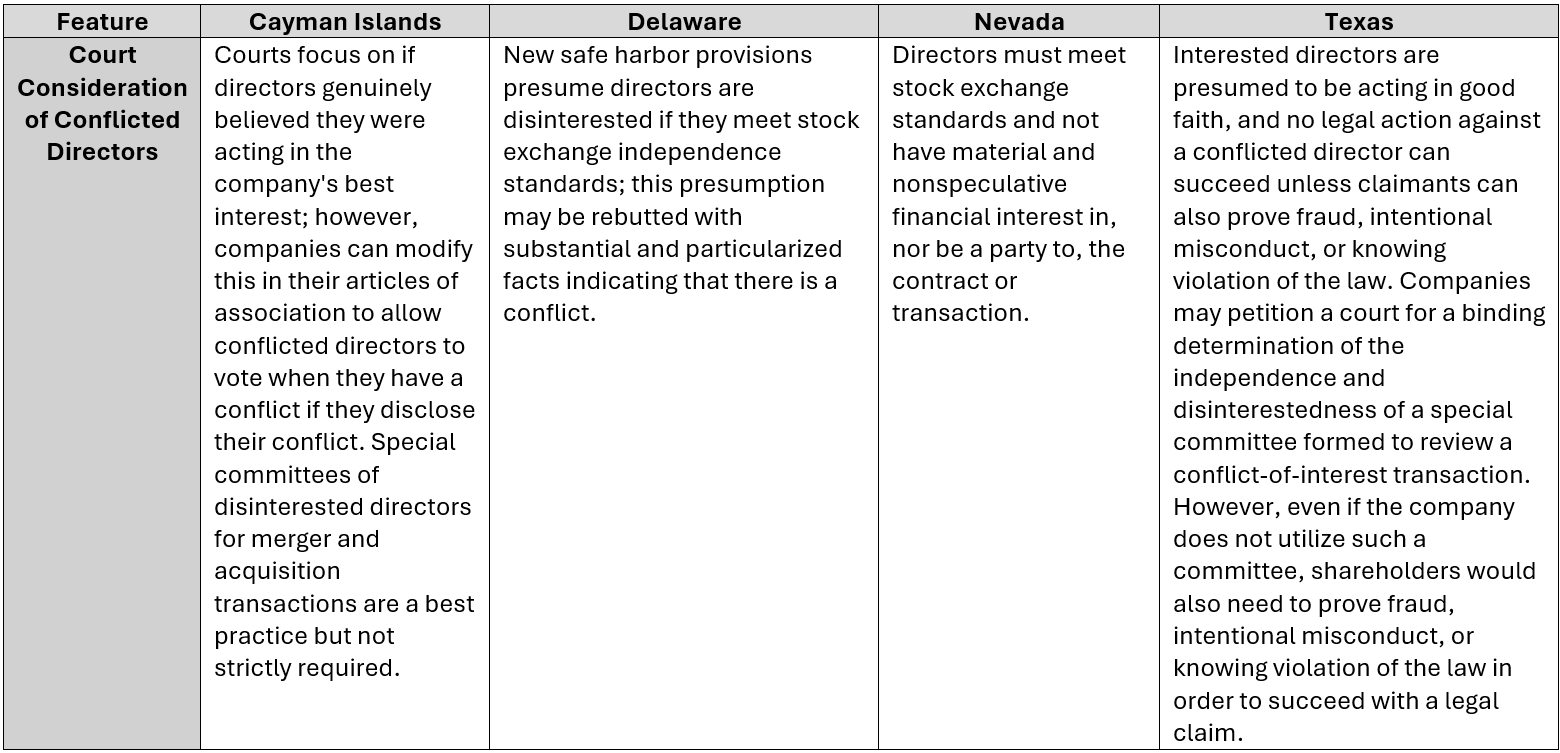
The memorandum’s comprehensive nature, as evidenced by the detailed tables and analysis within the publication, provides a crucial roadmap for understanding the regulatory environments that shape corporate behavior. The acknowledgements to Benjamin Edwards, Con Hitchcock, Ann Lipton, William Moon, and Charuni Patibanda-Sanchez suggest a collaborative effort in refining the research, indicating a robust peer review process designed to ensure accuracy and comprehensiveness. Any remaining errors, as the authors duly note, are their own, a standard and transparent acknowledgment in scholarly and analytical work. The availability of the complete publication, including footnotes, for download further democratizes access to this vital information, empowering a wider audience to engage with the complexities of corporate governance.
