

The recent decisions by local government authorities in Germany and New Zealand to remove or block the installation of memorials dedicated to "comfort women"—women forced into sexual slavery by the Imperial Japanese Army during World War II—have sparked a significant resurgence of nationalist sentiment within Japan’s ruling Liberal Democratic Party (LDP). These administrative actions, viewed as diplomatic victories by Tokyo’s conservative wing, threaten to reignite a long-standing historical dispute that has historically strained relations between Japan and South Korea, as well as Japan’s broader reputation on the international stage.
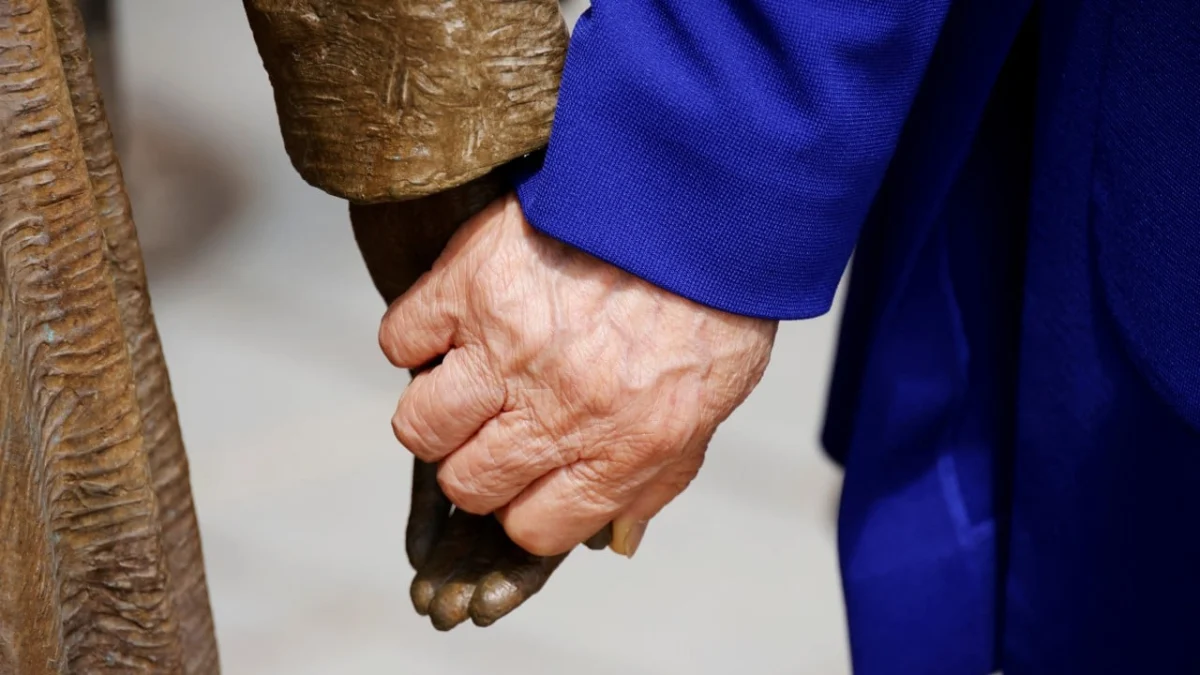
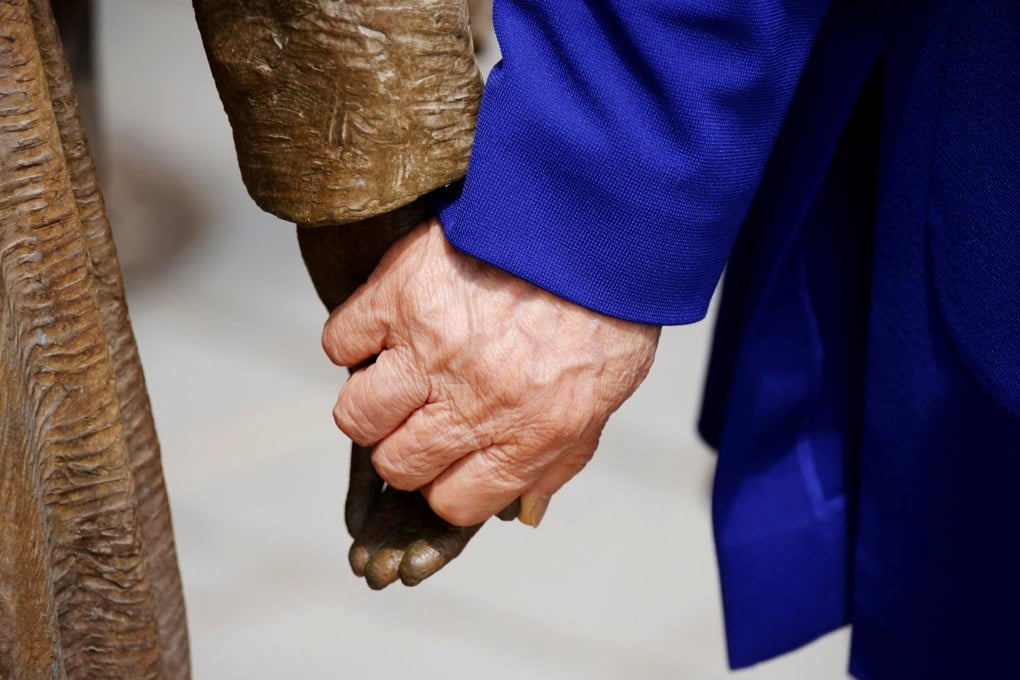
The controversy centers on the "Statue of Peace," a bronze figure of a seated girl that has become a global symbol for the victims of Japan’s wartime military brothel system. While South Korean civic groups have successfully installed dozens of these statues across the globe to commemorate the victims and demand a formal, legal apology, the Japanese government has consistently lobbied for their removal, arguing that such monuments serve to promote anti-Japanese sentiment and contradict previous diplomatic settlements.
The Recent Removals: Berlin and Auckland
In Berlin’s Mitte district, a "Statue of Peace" erected in 2020 by the Korea Verband, a local civic group, has been the subject of a protracted legal and diplomatic tug-of-war. Despite initial support from local residents and the district council, the Berlin city government recently moved to rescind the permit for the statue’s public display. After several appeals and temporary reprieves, the statue was reportedly removed from its original site, though it continues to be exhibited in alternative, less prominent locations within the German capital.
Parallel to the developments in Europe, the city council of Auckland, New Zealand’s largest metropolis, recently reversed a prior decision that would have allowed the installation of a similar memorial. The council cited concerns over community cohesion and the potential for the statue to become a flashpoint for international political conflict. This reversal followed months of quiet but persistent lobbying from Japanese diplomatic missions and local Japanese community groups who argued that the memorial presented a one-sided historical narrative.
Within the halls of the Japanese National Diet, these developments have been met with vocal approval from the LDP’s more hawkish members. During a joint meeting of the LDP’s Foreign Affairs Division and the Foreign Affairs Research Council on Tuesday, party members were briefed by Foreign Ministry officials on the status of these memorials. Kei Takagi, the head of the Foreign Affairs Division, emphasized that the party must remain vigilant and "deal properly" with these international developments, signaling a more aggressive stance in Japan’s "history wars."
Historical Background: The Comfort Women System
The term "comfort women" is a translation of the Japanese euphemism ianfu, referring to women and girls who were forced into sexual slavery by the Imperial Japanese Army in occupied territories before and during World War II. While historical estimates vary, many scholars and international organizations, including the United Nations, suggest that between 20,000 and 200,000 women were affected. The majority of these victims were from the Korean Peninsula, then under Japanese colonial rule, though women from China, the Philippines, Indonesia, and even the Netherlands were also coerced into the system.
For decades, the issue remained largely suppressed until the early 1990s, when Kim Hak-sun, a former victim, went public with her testimony. This triggered a wave of activism and forced the Japanese government to address the issue. In 1993, then-Chief Cabinet Secretary Yohei Kono issued the "Kono Statement," which acknowledged the military’s involvement in the recruitment and management of the brothels and expressed "sincere apologies and remorse."
However, in the decades since, the political climate in Japan has shifted toward a more revisionist view of history. Many conservative politicians, including the late Prime Minister Shinzo Abe, questioned the extent of coercion involved, arguing that there was no documented evidence of the military "forcibly taking away" women. This shift has led to a cycle of apologies followed by retractions or contradictory statements, which has deeply frustrated South Korean survivors and their advocates.
The Legal and Diplomatic Framework
Japan’s primary defense against the installation of these statues is the claim that all claims related to its colonial rule (1910–1945) were settled "completely and finally" under the 1965 Treaty on Basic Relations between Japan and the Republic of Korea. As part of this treaty, Japan provided $300 million in grants and $200 million in low-interest loans to South Korea, which Tokyo maintains covered all individual compensation claims.
In an attempt to resolve the specific issue of comfort women, the two governments reached a landmark agreement in December 2015. Under the administration of Shinzo Abe and then-South Korean President Park Geun-hye, Japan offered a new apology and contributed 1 billion yen ($9 million) to a foundation to support the surviving victims. Both nations agreed that the issue would be "finally and irreversibly" resolved, provided Japan fulfilled its obligations.
The 2015 deal, however, faced immediate backlash in South Korea. Critics argued that the victims themselves were not consulted and that the apology lacked legal weight. When President Moon Jae-in took office in 2017, he effectively sidelined the agreement, eventually dissolving the Japan-funded foundation. This move infuriated Tokyo, which accused Seoul of "moving the goalposts" and failing to uphold international treaties.
Chronology of the Memorial Disputes
The "statue wars" began in earnest in 2011, when the first Statue of Peace was placed in front of the Japanese Embassy in Seoul. Since then, the movement has expanded internationally, creating a timeline of diplomatic friction:
- December 2011: The first statue is erected in Seoul during the 1,000th "Wednesday Demonstration" by survivors and supporters.
- 2013: The first statue in the United States is installed in Glendale, California, leading to an unsuccessful legal challenge by Japanese-American residents backed by the Japanese government.
- December 2015: Japan and South Korea sign the "Final and Irreversible" agreement. Japan explicitly requests the removal of the Seoul statue.
- 2017: A statue is placed in front of the Japanese Consulate in Busan, leading Japan to temporarily recall its ambassador to South Korea.
- September 2020: The Berlin statue is installed. Japan’s Foreign Ministry immediately protests to the German government.
- 2023–2024: President Yoon Suk-yeol of South Korea seeks a rapprochement with Japan, focusing on security cooperation against North Korea. However, civic groups continue to push for memorials abroad.
- April 2024: Auckland City Council reverses its decision to permit a memorial, citing "diplomatic sensitivities."
- May 2024: Berlin authorities confirm the removal of the Mitte district statue, prompting the LDP to call for a "firm assertion" of Japan’s position globally.
Analysis of the LDP’s Resurgent Hardline Stance
The LDP’s renewed focus on these statues is not merely about historical accuracy; it is a manifestation of a broader domestic political strategy. For the conservative base of the LDP, the "comfort women" memorials are seen as part of a "propaganda war" designed to diminish Japan’s international standing. By successfully lobbying for their removal, the LDP can claim a victory for national dignity.
However, this hardline approach carries significant diplomatic risks. While current South Korean President Yoon Suk-yeol has prioritized mending ties with Tokyo to form a united front against regional threats, the historical issue remains highly emotive for the South Korean public. If the Japanese government appears too celebratory or aggressive in its efforts to dismantle these memorials, it could undermine Yoon’s efforts and trigger a fresh wave of anti-Japanese sentiment in Seoul.
Furthermore, the pressure on cities like Berlin and Auckland puts local governments in an uncomfortable position. These municipalities often view the statues through the lens of human rights and the prevention of sexual violence in conflict. When Japan frames the issue as a bilateral diplomatic dispute, it forces these cities to choose between upholding universal human rights values and maintaining smooth economic and diplomatic relations with a major global power.
Broader Implications for Japan’s Global Image
The removal of these statues may provide a short-term sense of relief for Tokyo’s elites, but the long-term impact on Japan’s "soft power" is more complex. International human rights organizations and feminist groups often view the removal of comfort women memorials as an attempt to erase historical atrocities.
In the United States and Europe, the comfort women issue is increasingly framed not just as a dispute between two Asian nations, but as a landmark case in the history of women’s rights. By aggressively campaigning against these statues, Japan risks being perceived as a nation that is unwilling to fully confront its past, a narrative that contrasts sharply with Germany’s own long-term efforts at historical atonement (Vergangenheitsbewältigung).
As the LDP continues to press its case, the "statue wars" are likely to persist. For the survivors, whose numbers are dwindling each year, these memorials represent a final attempt to secure a place in history that acknowledges their suffering. For Tokyo, they represent a hurdle to the "normalization" of the country’s identity.
The recent victories in Berlin and Auckland have clearly "electrified" the LDP, as noted by observers. Yet, as long as the underlying historical grievances remain unaddressed by a consensus that includes the victims themselves, the removal of bronze statues is unlikely to erase the memory of the events they represent. Instead, the diplomatic rift may only widen, casting a shadow over the future of Northeast Asian security and cooperation at a time when regional stability is more fragile than ever.
