

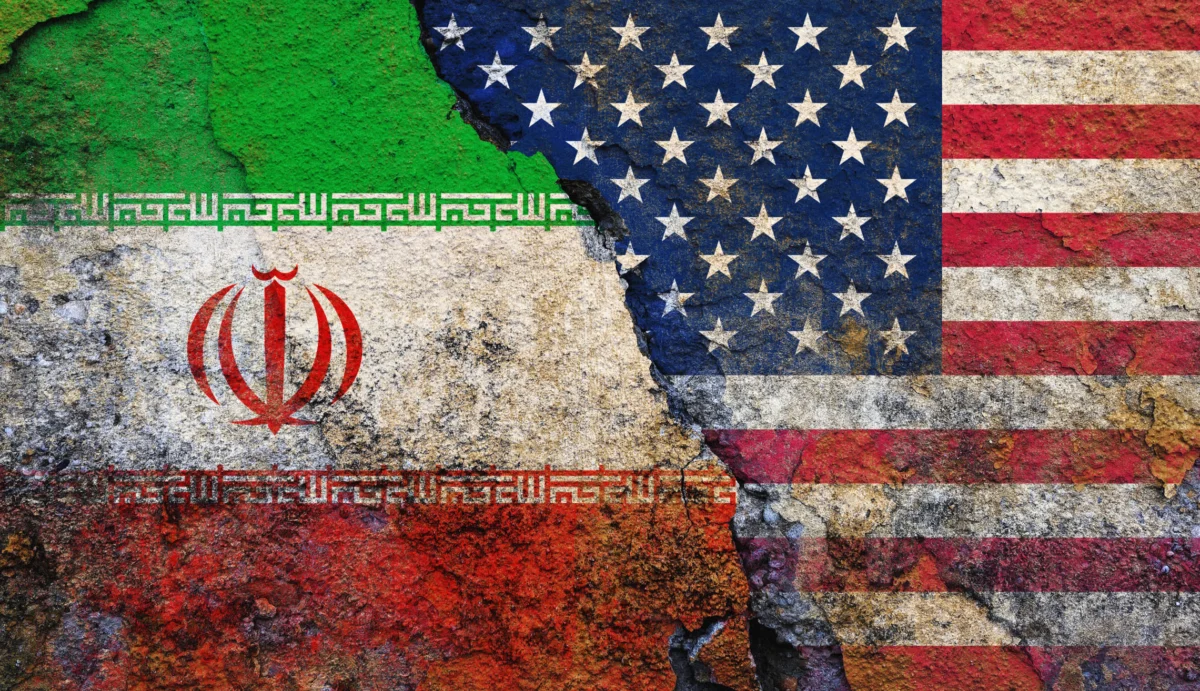
Hope for a potential diplomatic breakthrough between the United States and Iran has seen a notable uptick on prediction markets, with traders on platforms like Kalshi significantly increasing the perceived likelihood of a nuclear deal being reached by 2026. This surge in optimism follows a recent Axios report indicating that the two long-antagonistic nations were nearing an agreement aimed at de-escalating tensions and potentially including a moratorium on Iranian nuclear enrichment, a critical component of any future accord.
On Kalshi, a platform where users bet on the outcome of future events, the probability of the U.S. and Iran reaching a nuclear deal at some point in 2026 surged. Following the Axios report published on Wednesday, traders now assign a 58% chance that a comprehensive agreement will be finalized by 2027. More immediately, the prospects for a deal materializing even sooner, by September of the current year, have risen to 47%. These figures represent a marked increase from pre-report levels, reflecting a renewed, albeit cautious, sense of possibility in a notoriously complex diplomatic landscape. While these elevated odds indicate a fresh wave of optimism, they still fall short of the peak confidence observed in mid-April, when hope for a swift resolution to the conflict was at its zenith. At one point on April 17, the odds of a nuclear deal being struck by June of the same year exceeded 70%, underscoring the volatile nature of these predictions, which are highly sensitive to geopolitical developments and media reports.
The event contract on Kalshi is designed to resolve to "yes" if the United States officially announces, signs, or accepts a deal from Iran pertaining to its nuclear program. The Axios report, which served as the catalyst for this market shift, suggested that while the two countries were close to an agreement to end various regional conflicts often referred to broadly as "the war in the Middle East," the immediate focus was on nearing a framework for negotiations specifically concerning the nuclear issue. Crucially, the report highlighted that any broader agreement to de-escalate regional tensions could potentially encompass a moratorium on Iranian nuclear enrichment, a key demand from the international community and a central element of previous nuclear accords.
In response to the reported developments, Iran confirmed on Wednesday that it was reviewing a U.S. proposal. However, by Thursday, neither Washington nor Tehran had provided further details or official confirmation of any new developments, leaving the specifics of the purported agreement framework and the pace of negotiations shrouded in diplomatic silence. This lack of immediate official corroboration highlights the delicate and often clandestine nature of such high-stakes discussions. Parallel to Kalshi, traders on Polymarket, another prediction market platform, demonstrated even greater optimism for a deal before 2027, placing the odds at a more robust 65%. The commercial relationship between CNBC and Kalshi, which includes customer acquisition and a minority investment, is a pertinent disclosure for context regarding the reporting on these market movements.
Historical Context and the Genesis of the Nuclear Dispute
The current efforts to reach a nuclear agreement are deeply rooted in decades of fraught relations between the United States and Iran, characterized by mutual suspicion, geopolitical rivalry, and the overarching concern regarding Iran’s nuclear ambitions. Iran’s nuclear program, initiated in the 1950s with U.S. assistance for peaceful energy purposes, became a source of international contention following the 1979 Islamic Revolution and subsequent revelations about its undeclared activities. Concerns escalated in the early 2000s when the International Atomic Energy Agency (IAEA) uncovered evidence of Iran’s pursuit of enrichment technologies, raising fears that its program could be diverted towards developing nuclear weapons.
These fears led to a series of United Nations Security Council resolutions imposing sanctions on Iran and a protracted period of multilateral negotiations. The culmination of these diplomatic efforts was the Joint Comprehensive Plan of Action (JCPOA), signed in July 2015 by Iran and the P5+1 group (China, France, Germany, Russia, the United Kingdom, and the United States), along with the European Union.
The JCPOA was hailed as a landmark achievement in non-proliferation. Under its terms, Iran agreed to significantly curtail its nuclear program, including reducing its centrifuges by two-thirds, enriching uranium only to a 3.67% purity level (far below weapons-grade), and shipping out the vast majority of its enriched uranium stockpile. In return, international sanctions related to its nuclear program were lifted, opening avenues for Iran’s reintegration into the global economy. The agreement also established a robust verification regime overseen by the IAEA, granting inspectors unprecedented access to Iranian nuclear facilities.
The Unraveling of the JCPOA and Escalation of Tensions
The carefully constructed framework of the JCPOA began to unravel in May 2018 when the U.S. administration under President Donald Trump unilaterally withdrew from the agreement, arguing it was fundamentally flawed and did not adequately address Iran’s ballistic missile program or its regional malign activities. Following the U.S. withdrawal, Washington reimposed crippling economic sanctions on Iran, adopting a "maximum pressure" campaign aimed at forcing Tehran back to the negotiating table for a "better deal."
In response to the U.S. withdrawal and the inability of European signatories to fully mitigate the impact of renewed American sanctions, Iran began to progressively scale back its commitments under the JCPOA starting in May 2019. Tehran steadily increased its uranium enrichment levels, first to 4.5%, then to 20%, and most recently to 60% purity – a level far exceeding the JCPOA limit and technically close to weapons-grade (around 90%). Furthermore, Iran has reduced its cooperation with IAEA inspectors, limited surveillance at some facilities, and increased its stockpile of enriched uranium, significantly shortening its "breakout time" – the theoretical period needed to produce enough fissile material for a nuclear weapon. These actions have heightened international alarm and intensified the urgency of diplomatic efforts.
Chronology of Recent Diplomatic Overtures and Market Reactions
The current fluctuations in prediction market odds reflect a dynamic and often opaque series of indirect negotiations and diplomatic signals:
- Early 2021: Following the inauguration of President Joe Biden, who had expressed a desire to return to the JCPOA, indirect talks began in Vienna aimed at reviving the deal. These talks, however, stalled in mid-2022 amidst persistent disagreements and escalating regional tensions.
- Late 2023 – Early 2024: Sporadic reports emerged of back-channel communications and potential prisoner exchanges, often seen as indicators of ongoing, albeit quiet, diplomatic engagement.
- Mid-April 2026: A period of heightened optimism swept through prediction markets, pushing the odds of a nuclear deal by June to over 70%. This surge likely reflected a confluence of factors, including rumors of specific proposals circulating and a perceived urgency to de-escalate broader regional conflicts. The exact catalysts for this peak remain somewhat speculative, but often relate to reports of progress in indirect talks or a perceived shift in geopolitical calculations.
- May 6, 2026 (Wednesday): The Axios report, citing multiple sources, indicated that the U.S. and Iran were close to an agreement. The report suggested a two-pronged approach: a broader agreement to end regional conflicts, which could include a moratorium on Iranian nuclear enrichment, and a framework for future negotiations specifically on the nuclear issue. This report immediately triggered a significant upward revision of odds on prediction platforms.
- May 6, 2026 (Wednesday): Iran publicly stated it was reviewing a U.S. proposal, adding a layer of official acknowledgment to the diplomatic activity, even if the specifics remained undisclosed.
- May 7, 2026 (Thursday): Both the U.S. and Iran remained silent on any new developments, providing no further details or official confirmations regarding the status of the negotiations or the content of the proposal under review. This diplomatic reticence is common in sensitive negotiations, designed to prevent premature leaks or misinterpretations that could derail progress.
Supporting Data and Key Iranian Nuclear Metrics
Understanding the context of a potential deal requires a glance at Iran’s current nuclear posture compared to JCPOA limits:
- Uranium Enrichment Level: Under the JCPOA, Iran was limited to enriching uranium to 3.67% purity. Currently, Iran is enriching uranium to 60% purity at facilities like Natanz and Fordow. This level is far beyond what is needed for civilian nuclear power and is only a technical step away from weapons-grade uranium (approximately 90%).
- Enriched Uranium Stockpile: The JCPOA limited Iran’s stockpile of low-enriched uranium to 300 kilograms (660 pounds) in a specific chemical form. Estimates from the IAEA have indicated that Iran’s current stockpile far exceeds this limit, measured in thousands of kilograms, further shortening its potential breakout time.
- Advanced Centrifuges: The JCPOA restricted Iran to using only first-generation IR-1 centrifuges for uranium enrichment at its Natanz facility. Iran has since installed and operated cascades of more advanced centrifuges (e.g., IR-2m, IR-4, IR-6) at both Natanz and Fordow, which are significantly more efficient and faster at enriching uranium.
- IAEA Access and Monitoring: While some IAEA monitoring continues, Iran has reduced cooperation with the agency, notably by disabling surveillance cameras and limiting access to certain sites, making it harder for international inspectors to provide a complete picture of Iran’s nuclear activities.
Any new agreement would almost certainly seek to reverse these escalations, bringing Iran back into compliance with stringent limits on enrichment, stockpiles, and centrifuge development, coupled with enhanced IAEA verification measures.
Official Responses and Anticipated Reactions
The immediate official responses to the Axios report have been characterized by caution and a lack of specific detail. Iran’s acknowledgment of reviewing a U.S. proposal is a significant diplomatic signal, confirming that channels of communication are active and that proposals are indeed being exchanged. However, the subsequent silence from both sides on Thursday underscores the sensitivity of the negotiations and the reluctance to comment publicly before any concrete agreement is reached.
Should a deal materialize, reactions from various stakeholders would be diverse:
- United States: The Biden administration would likely present a deal as a crucial step towards de-escalating regional tensions, preventing nuclear proliferation, and potentially freeing up resources to address other global challenges. However, it would face scrutiny from domestic political opponents who might argue it’s too lenient or a concession to Iran.
- Iran: The Iranian government would likely frame an agreement as a victory for its diplomatic resistance and a means to alleviate international sanctions, potentially boosting its struggling economy. Hardliners, however, might criticize any perceived concessions.
- European Allies (France, Germany, UK): These nations, who remained committed to the JCPOA even after the U.S. withdrawal, would likely welcome a return to a diplomatic solution, seeing it as essential for regional stability and global non-proliferation efforts. They would likely emphasize the importance of robust verification.
- International Atomic Energy Agency (IAEA): The IAEA would be central to verifying any new agreement. Its statements would focus on the technical aspects of monitoring and verification, emphasizing the need for full cooperation from Iran and comprehensive access for its inspectors.
- Regional Adversaries (Israel, Saudi Arabia): These countries have consistently expressed deep skepticism or outright opposition to nuclear deals with Iran, fearing they legitimize Iran’s nuclear program or fail to curb its regional influence. They would likely voice strong concerns, potentially demanding stricter terms or seeking security assurances.
- Russia and China: As signatories to the original JCPOA, Russia and China would likely welcome a return to multilateral diplomacy and the restoration of an international agreement, aligning with their broader geopolitical interests in regional stability and challenging U.S. unilateralism.
Broader Impact and Implications of a Potential Deal
The implications of a U.S.-Iran nuclear deal, whether a framework or a comprehensive agreement, would reverberate across geopolitical, economic, and security spheres:
Geopolitical Implications:
- Regional De-escalation: The Axios report explicitly links the nuclear issue to an effort to "end the war in the Middle East." A deal could significantly reduce tensions in proxy conflicts involving Iran, such as those in Yemen, Syria, Iraq, and Lebanon. This could pave the way for broader regional stability, potentially fostering dialogue between Iran and its Arab neighbors.
- U.S. Influence and Diplomacy: A successful deal would reaffirm the utility of diplomacy and multilateralism in resolving complex international disputes, bolstering the Biden administration’s foreign policy approach. It could also free up U.S. diplomatic bandwidth to focus on other global challenges.
- Iran’s Regional Standing: Sanctions relief and a return to international legitimacy could strengthen Iran’s internal stability and its regional influence, although this remains a concern for its adversaries.
- Non-Proliferation Regime: A deal that significantly rolls back Iran’s nuclear program would be a major victory for the global non-proliferation regime, preventing a potential arms race in the Middle East and reinforcing the Nuclear Non-Proliferation Treaty (NPT).
Economic Implications:
- Oil Markets: A comprehensive deal that includes sanctions relief would likely lead to an increase in Iranian oil exports. Iran possesses some of the world’s largest proven oil and natural gas reserves. An influx of Iranian crude onto global markets could help stabilize or even lower oil prices, offering relief to energy-consuming nations. The potential for this market impact is closely watched by traders and policymakers.
- Sanctions Relief: The lifting of U.S. and international sanctions would allow Iran to access frozen assets, resume international banking, and attract foreign investment. This could significantly boost Iran’s struggling economy, which has been severely impacted by years of punitive measures.
- Global Trade: Increased trade with Iran could open new markets for international businesses and facilitate global supply chains, although geopolitical risks would likely remain a consideration for investors.
Security Implications:
- Reduced Nuclear Risk: The primary security benefit of a deal would be the significant reduction in the risk of Iran developing nuclear weapons, thereby preventing a major proliferation crisis in one of the world’s most volatile regions.
- Regional Security Architecture: While a deal might address nuclear concerns, regional adversaries like Israel and Saudi Arabia would continue to monitor Iran’s ballistic missile program and its support for various proxy groups. Any comprehensive regional security framework would need to address these broader concerns.
- Arms Control: A successful nuclear deal could potentially lay the groundwork for broader arms control discussions in the Middle East, although this remains a highly ambitious long-term goal.
In conclusion, the shifting sands of prediction markets reflect a renewed, albeit fragile, hope for a diplomatic resolution to the U.S.-Iran nuclear standoff. While the recent Axios report has injected fresh optimism, the history of U.S.-Iran relations, the complexities of the nuclear issue, and the broader regional dynamics underscore the formidable challenges that remain. The coming months will be critical in determining whether these elevated odds translate into a tangible diplomatic breakthrough or if the current wave of optimism ultimately fades, much like previous efforts, leaving the region’s nuclear future uncertain.
