

The landscape of global luxury real estate is undergoing a profound transformation, characterized by soaring prices, diminishing square footage per million dollars, and an unprecedented mobility of ultra-high-net-worth individuals (UHNWIs). A recent analysis, highlighted in CNBC’s Inside Wealth newsletter and based on the latest Knight Frank Wealth Report, paints a vivid picture of a market where a million dollars no longer commands the space it once did, particularly in the world’s most coveted locations.
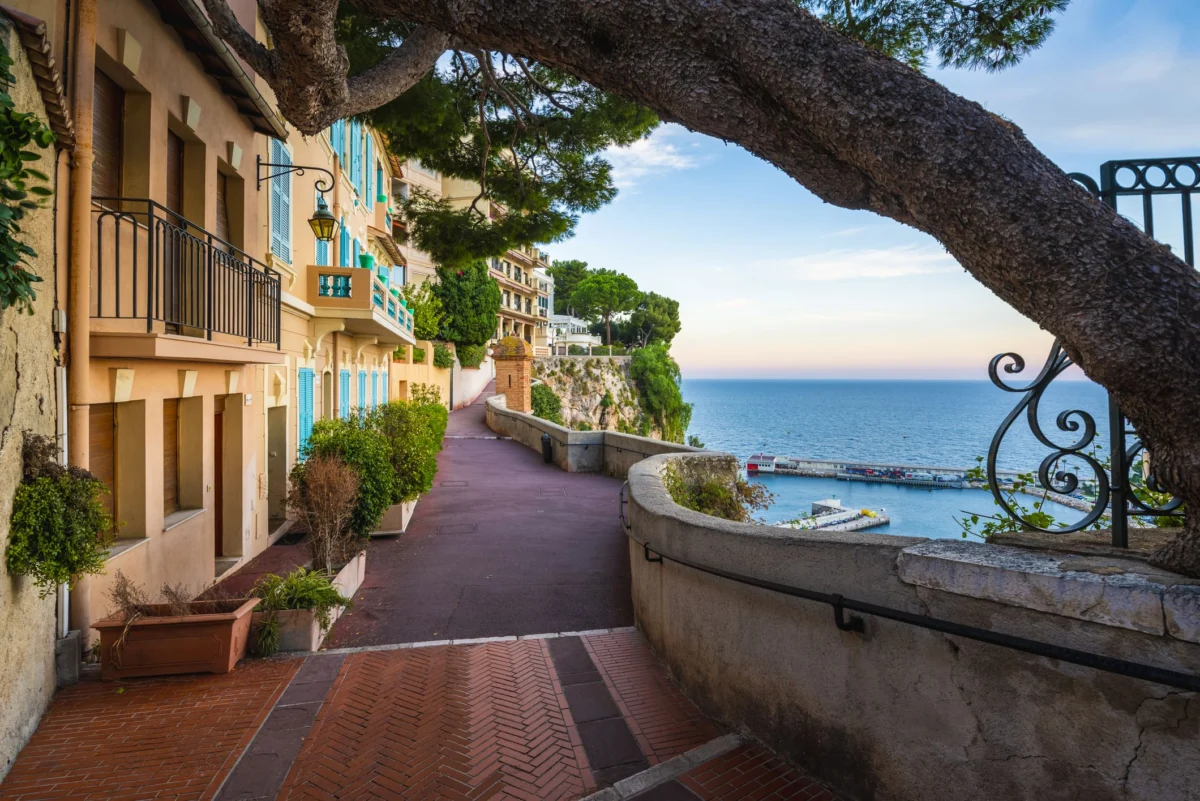
In the opulent Principality of Monaco, widely recognized as the globe’s most expensive luxury market by square meter, a staggering $1 million now procures a mere 16 square meters (approximately 172 square feet) of prime residential property. This figure represents a further contraction from the 17 square meters (182 square feet) obtainable in 2020, underscoring the relentless upward pressure on prices in this exclusive enclave nestled on the French Riviera. The appeal of Monaco, with its favorable tax regime, unparalleled security, and glamorous lifestyle, continues to draw the world’s wealthiest, driving demand far beyond its limited supply.
Hong Kong, another bastion of extreme wealth and dense urban living, ranks as the second most expensive market, where the same $1 million investment yields a modest 22.5 square meters (about 242 square feet). In comparison, established global hubs like New York appear relatively more accessible, offering 33.9 square meters (365 square feet) for a million dollars, though still a fraction of what one might find in less prime locations. London, Singapore, and Geneva also feature prominently in the upper echelons of global luxury pricing, reflecting their status as critical financial centers and desirable residential destinations for the world’s elite.
The Driving Forces Behind Luxury’s Ascent
The escalating cost of luxury real estate is not an isolated phenomenon but rather a reflection of broader macroeconomic trends and the unique dynamics of the UHNWI demographic. Last year, prices for prime residential properties across 100 markets tracked by Knight Frank surged by an average of 3.2%. This growth notably outpaced the 2.9% increase observed in mainstream global housing prices, indicating a distinct decoupling where the top tier of the market is exhibiting stronger, more resilient growth.
Several factors converge to fuel this trend. Foremost among them is the sustained growth in global wealth, particularly among UHNWIs—individuals with $30 million or more in net worth. These individuals, whose numbers and collective wealth have expanded significantly over the past decade, view luxury real estate not just as a residence but as a strategic asset for wealth preservation, diversification, and a tangible store of value against economic uncertainties and inflation. The demand for trophy assets in stable, desirable locations remains consistently high, often exceeding the available supply of truly prime properties.
Beyond wealth accumulation, lifestyle aspirations play a crucial role. UHNWIs often seek properties that offer exclusivity, privacy, exceptional amenities, and access to world-class cultural, educational, and leisure opportunities. The desire for secondary or tertiary residences in diverse geographies, catering to different seasons, business needs, or family preferences, further intensifies demand across multiple luxury markets globally.
Regional Hotspots and Unprecedented Growth
The past year witnessed remarkable growth in specific luxury markets, with the Middle East leading the charge. Dubai, United Arab Emirates, emerged as a standout performer, with prime property prices rocketing by an astonishing 25% in the past year alone. Over the last five years, Dubai’s luxury market has experienced an almost unprecedented surge of nearly 200%. This meteoric rise is largely attributable to the emirate’s proactive policies aimed at attracting foreign investment and talent, its tax-friendly environment, world-class infrastructure, and its growing appeal as a safe haven amid global geopolitical shifts. The influx of wealthy individuals from Europe, Asia, and other parts of the Middle East has created a formidable demand wave.
Tokyo, Japan, presented another compelling narrative of luxury growth, with prices soaring by an impressive 58% in the past year. This surge can be attributed to several factors, including a stable economic environment, historically low interest rates making borrowing attractive, a strong domestic market, and increasing international interest from buyers seeking a sophisticated urban lifestyle coupled with relative value compared to other global metropolises. Manila in the Philippines, Seoul in South Korea, and Prague in the Czech Republic also recorded strong price appreciation, signaling the diversification of luxury investment beyond traditional Western hubs.
Emerging Frontiers and Future Trajectories
Looking ahead, Knight Frank identifies several future hotspots for luxury real estate investment. Mumbai, India, is projected to be a significant growth area, driven by India’s rapidly expanding economy, a burgeoning class of UHNWIs, and increasing urbanization. Brisbane, Australia, with its lifestyle appeal, relative affordability compared to Sydney and Melbourne, and upcoming infrastructure projects, is also poised for strong growth. Miami, United States, continues to attract wealthy individuals with its favorable tax environment, vibrant cultural scene, and robust economy, particularly drawing residents from higher-tax states. Hong Kong, despite its current high prices, is also anticipated to maintain its status as a critical luxury market, albeit with potential shifts in buyer demographics and motivations.
The Mobility of Wealth: A "Dip-in, Dip-out" Model
A defining characteristic of the contemporary luxury real estate market is the increasing global mobility of wealth. The report highlights that UHNWIs are more nomadic than ever, acquiring multiple homes across different continents and frequently moving between cities for business, leisure, or a change of scenery. This heightened mobility is driven by a complex interplay of factors, including rising tax burdens, evolving regulatory pressures, and a desire for diverse lifestyle experiences.
Liam Bailey, Global Head of Research at Knight Frank, elaborates on this phenomenon, observing that established luxury hubs like London are increasingly transitioning towards a "dip-in, dip-out" model. These cities remain crucial destinations for business, cultural engagement, and connectivity but are becoming less attractive for permanent residence due to increasing tax and regulatory complexities. Wealthy individuals may maintain pieds-à-terre in these cities for shorter stays while establishing primary residences in jurisdictions with more favorable fiscal policies.
This strategic migration of capital is reshaping urban landscapes and property markets. Bailey emphasizes that "Every market that wants to succeed in attracting UHNW capital over the next decade needs to be positioned at an attractive point on the tax curve." This sentiment explains the allure of cities like Miami, Milan, and Dubai, which offer compelling tax environments. In contrast, while New York and London continue to attract the wealthy due to their unparalleled lifestyle offerings and business concentration, their less attractive tax regimes are prompting a re-evaluation among some UHNWIs regarding long-term residency. The clear message is that capital is actively seeking environments with lower friction and jurisdictions that actively court wealth through advantageous policies.
Broader Implications and Socio-Economic Impact
The sustained growth and shifting dynamics of the luxury real estate market carry significant broader implications. Economically, the inflow of UHNW capital can stimulate local economies, generate employment in high-end services, and drive investment in infrastructure and amenities. However, it also contributes to growing wealth inequality and can exacerbate housing affordability crises, even in the mainstream market, as the overall cost of living in desirable cities rises.
Urban planning in these luxury hubs faces unique challenges. The demand for ultra-luxury properties often leads to redevelopment that caters exclusively to the affluent, potentially displacing existing communities and altering the social fabric of neighborhoods. Cities must balance the economic benefits of attracting UHNW investment with the need to maintain social cohesion and provide accessible housing and services for all residents.
Furthermore, the "dip-in, dip-out" model suggests a future where certain global cities might evolve into transient hubs for the wealthy, rather than places of deep, permanent community engagement for this demographic. This could impact local philanthropy, civic participation, and the long-term investment in public goods if primary allegiances lie elsewhere.
A Look Back and Forward
The current luxury real estate boom follows a period of significant volatility. Post-2008 financial crisis, the market saw a flight to quality and safe-haven assets, with luxury property often filling that role. The COVID-19 pandemic further accelerated trends, as a renewed focus on space, privacy, and lifestyle amenities drove demand, particularly in suburban and rural luxury markets, though urban centers have since rebounded strongly.
Looking ahead, while global economic headwinds, rising interest rates, and geopolitical uncertainties could introduce periods of moderation, the fundamental drivers of luxury real estate demand — wealth creation, diversification needs, and lifestyle aspirations of a growing UHNWI population — are expected to endure. The competition among cities to attract and retain this mobile capital will intensify, with tax policy, regulatory stability, and quality of life remaining paramount considerations. The shrinking square footage per million dollars serves as a tangible metric of this enduring, evolving, and increasingly globalized quest for prime property.
