


Major medical breakthroughs targeting cellular aging are poised to enter the public domain within the next ten years, according to prominent billionaire investor Jim Mellon. Speaking at Spear’s 500 Live on May 6th, Mellon expressed a strong conviction that the first truly effective anti-aging therapies, capable of halting, slowing, or even reversing the aging process, will become available to the general population by 2034. His optimistic outlook stems from ongoing clinical trials and significant investment in the burgeoning life sciences sector.
Mellon, a notable figure in life sciences investment through his venture Juvenescence, participated in a panel discussion titled "The Art of Aging: How to Flourish Amid the Longevity Revolution." The event, held at The Savoy in London, brought together a diverse group of experts to explore the future of human lifespan and healthspan. Alongside Mellon were Dr. Angela Rai, a General Practitioner and medicines management lead at The London General Practice; Duncan Garrood, CEO of Riverstone Living, a senior living business backed by Goldman Sachs; and Professor Georgina Ellison-Hughes, a specialist in regenerative muscle physiology at King’s College London.
The longevity sector is experiencing unprecedented growth, reflecting a global shift in focus towards extending not just years of life, but years of healthy, active living. Recent market reports indicate the sector is currently valued at approximately $800 billion and is projected to surge to an estimated $1.87 trillion by 2034. This rapid expansion is fueled by significant investments from tech moguls and entrepreneurs who view human aging as a solvable biological challenge. Figures like Jeff Bezos, through his backing of biotech startup Altos Labs, and Bryan Johnson, who dedicates substantial personal resources to extending his "healthspan," exemplify this trend. Even Elon Musk has publicly characterized human aging as an "extremely solvable problem," underscoring the growing scientific and commercial interest in the field.
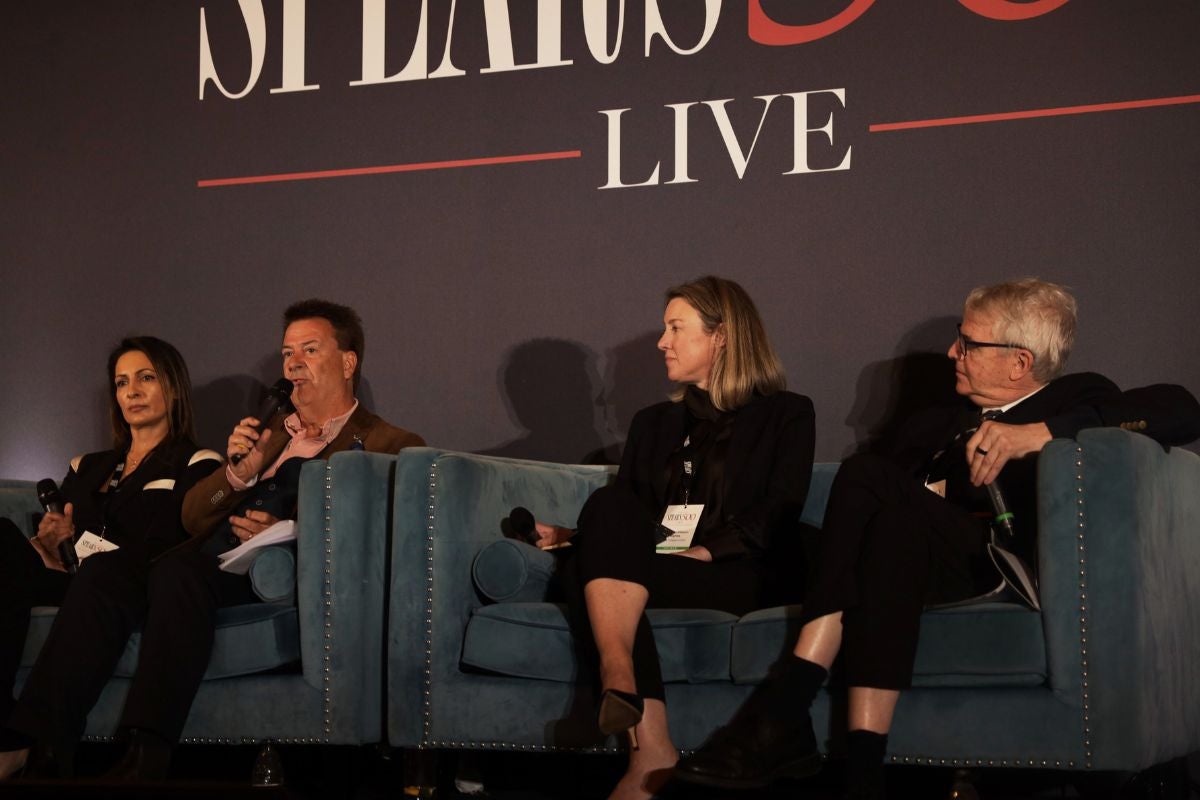
The panel unanimously agreed that a dual approach, addressing both lifespan and healthspan – the period of life spent in good health and free from debilitating conditions – is crucial for navigating the coming longevity revolution. "Doing something about longevity is not a nice-to-have: it’s an imperative, because the world is ageing very rapidly," Mellon emphasized, highlighting the demographic realities facing societies worldwide.
Revolutionary Advancements in Cellular Rejuvenation
The core of Mellon’s prediction lies in the progress of senolytic drugs. These novel therapeutics are designed to target senescent cells, often referred to as "zombie" cells. These cells, while no longer functional, fail to die and instead secrete harmful inflammatory compounds that contribute to tissue damage and aging-related diseases. Professor Ellison-Hughes confirmed that senolytic drugs have advanced to clinical trial stages, with preclinical studies demonstrating significant improvements in tissue function, overall lifespan, healthspan, and physical capabilities.
Another area of intense research, according to Professor Ellison-Hughes, is partial genetic reprogramming. This cutting-edge technique aims to restore dysfunctional cells to a younger, healthier state by manipulating their genetic pathways. She cited the work of Dr. David Sinclair at Harvard Medical School, who is exploring the application of partial reprogramming to restore vision in patients with glaucoma, an age-related condition characterized by optic nerve damage. The potential for this technology to address a range of age-related ailments is generating considerable excitement within the scientific community.

Beyond experimental therapies, the panel also discussed the potential repurposing of existing medications. Mellon suggested that weight-loss drugs like Mounjaro and Wegovy, known for their efficacy in treating type 2 diabetes, could be utilized in preventative healthcare. Administered in small doses, these drugs might offer protective benefits against cardiovascular and neurological conditions, in addition to their primary function. Even the shingles vaccine was mentioned as a potential, albeit difficult to quantify, factor in reducing dementia risk, suggesting a multifaceted approach to enhancing healthspan.
The Longevity Revolution: Redefining Aging and Retirement
As the prospect of significantly extended lifespans becomes more tangible, the discourse is shifting towards redefining societal norms and personal perspectives on aging. Duncan Garrood, whose company Riverstone Living specializes in high-end later-living developments, articulated a philosophy that de-emphasizes chronological age. "We don’t even use the word [at Riverstone], because this is about people living a quality life for as long as they can. Age is irrelevant; it’s about the quality of how we live," he stated. Garrood shared anecdotes of Riverstone residents engaging in activities like skydiving, illustrating that vitality and a zest for life are not bound by age.
Dr. Angela Rai observed that her patients increasingly focus on their "biological age" rather than their chronological age. This biological age can be assessed through various metrics, including epigenetic and metabolic testing, which measure the body’s functional decline. She noted that many of her patients report a biological age significantly younger than their chronological age, reflecting a subjective sense of well-being and health. "It depends on how you feel," she remarked, underscoring the growing importance of subjective health assessments.

Jim Mellon posited that the traditional life stages – birth, learning, earning, retirement, and expiration – will need a fundamental reevaluation. "I think we are just going to have to reinvent life, because at the moment people think that life is about being born, learning, earning, retiring and then expiring," he declared. This perspective necessitates a rethinking of societal structures, particularly the concept of retirement age, as individuals remain healthier and more capable for longer periods. The economic and social implications of a population living and working well into what is currently considered old age are vast and will likely require significant policy adjustments.
The Spear’s 500 Live Event: A Hub for Longevity Discourse
Spear’s 500 Live, the event where these discussions took place, is a premier gathering for private client professionals and key stakeholders in the private wealth and family office ecosystem. The 2026 edition, held on May 6th, provided a platform for industry leaders to engage in critical conversations shaping the future of wealth, health, and lifestyle. The event was presented in association with esteemed partners including the Charities Aid Foundation, CMB Monaco, Guernsey Finance, HCA Healthcare UK, Payne Hicks Beach, Riverstone, Scott Dunn Private, and Stewardship.
The comprehensive discussions at Spear’s 500 Live underscore a pivotal moment in human history, where scientific innovation is intersecting with a growing societal desire to not just live longer, but to live better. While the promise of groundbreaking anti-aging drugs is on the horizon, the panelists stressed that immediate actions remain paramount. These include maintaining a healthy lifestyle through regular movement, balanced nutrition, robust social connections, adequate sleep, and consistent health screenings. As Mellon succinctly put it, the path forward involves embracing "moderation in all things" while eagerly anticipating the revolutionary advancements that could redefine the human experience.

The event also featured a video presentation, allowing attendees and a wider audience to delve deeper into the insights shared. A video titled "Meet billionaire investor Jim Mellon: ‘I’m betting my fortune on living to 150’" provided further context on Mellon’s personal commitment and vision for the future of longevity.
For those interested in further exploring the topics discussed, Spear’s 500 Live continues to be a leading forum for insights into the private client world. Commercial inquiries regarding future Spear’s events can be directed to [email protected]. The ongoing dialogue and research in the longevity sector promise to reshape not only individual lives but the very fabric of society in the decades to come.
