

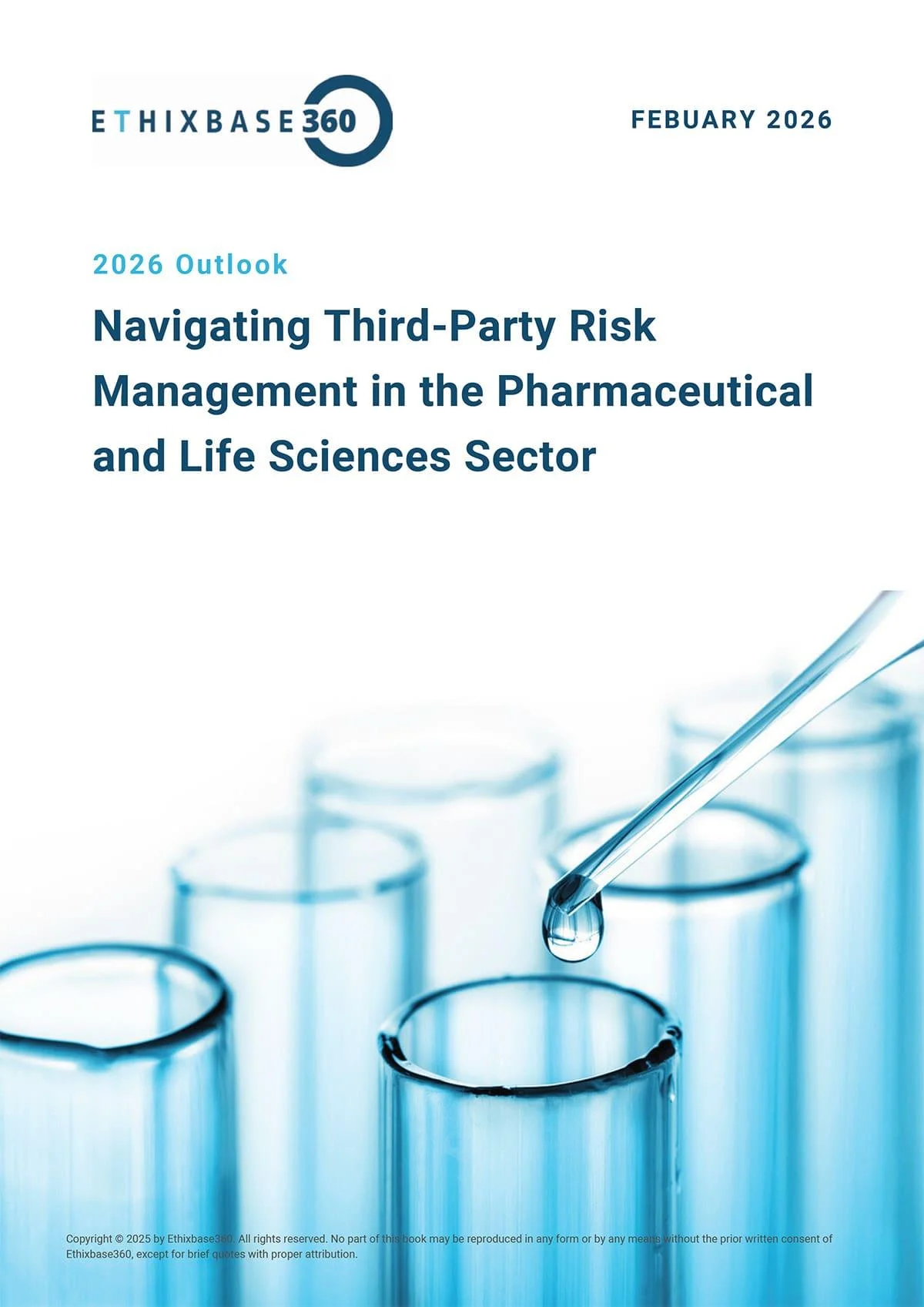
The pharmaceutical and life sciences sector is confronting an increasingly intricate landscape of regulatory scrutiny, expanding environmental, social, and governance (ESG) obligations, and intensifying geopolitical pressures that are reshaping global supply chains. In response to these evolving challenges, Ethixbase360 has released its "Pharma & Life Sciences 2026 Outlook," a comprehensive guidebook designed to equip industry leaders with the insights and strategies necessary to effectively manage third-party risks. This latest edition, building upon the foundation of the 2025 outlook, meticulously examines the upward trajectory of regulatory expectations and the dynamic nature of enforcement activities across various jurisdictions.
The core challenge facing pharmaceutical and life sciences organizations lies in their ability to maintain stringent compliance mandates while simultaneously preserving agility and competitiveness. At the heart of this delicate balancing act are third-party relationships. The industry relies on extensive networks of external partners that are integral to every facet of the product lifecycle, from the initial stages of discovery and research to the complex processes of manufacturing, distribution, and market access. However, these indispensable collaborations also introduce a spectrum of risks that extend far beyond the boundaries of the organizations themselves. Ineffective management of these third-party risks can precipitate a cascade of detrimental consequences, including severe regulatory breaches, disruptive operational failures, significant reputational damage, and escalating financial liabilities.
Ethixbase360’s "Pharma & Life Sciences 2026 Outlook" aims to provide a clear and actionable perspective on the sector’s most material third-party risk exposures. It delves into the prevailing regulatory currents and outlines the essential operational capabilities that organizations must cultivate to effectively manage risk at scale within an environment characterized by escalating complexity.
Key Insights from the 2026 Outlook
The 2026 edition of the outlook offers a detailed examination of critical risk areas and strategic imperatives for the pharmaceutical and life sciences industry. While the specific contents are not fully enumerated in the provided text, the overarching theme is the necessity for enhanced visibility, accountability, and resilience across extended third-party ecosystems. This is particularly crucial given the interconnected nature of global supply chains, where a disruption at one node can have far-reaching repercussions.
For leaders in compliance, legal departments, procurement, and risk management, this outlook serves as an indispensable tool. It is structured to empower organizations to integrate a more robust approach to understanding and mitigating risks associated with their external partners, thereby fostering greater operational stability and safeguarding their long-term viability.
The Shifting Regulatory and Geopolitical Landscape
The pharmaceutical and life sciences sector has long been subject to rigorous oversight due to the critical nature of its products and their impact on public health. However, recent years have witnessed a significant acceleration in the pace and scope of regulatory evolution. Post-pandemic, the emphasis on supply chain resilience has intensified, driven by vulnerabilities exposed during global health crises. Governments worldwide are increasingly scrutinizing the security and integrity of pharmaceutical supply chains, demanding greater transparency and robust risk mitigation strategies.
Furthermore, the expanding scope of ESG obligations is placing new pressures on life sciences companies. Investors, regulators, and the public are demanding that companies demonstrate strong performance in environmental sustainability, ethical labor practices, and corporate governance. For third-party relationships, this translates into a need to ensure that partners adhere to similar, or even higher, standards. This includes evaluating the environmental impact of manufacturing processes, ensuring fair labor practices throughout the supply chain, and upholding stringent ethical guidelines in all business dealings.
Geopolitical tensions also play a significant role. The increasing fragmentation of global trade and the rise of protectionist policies can disrupt established supply routes, lead to increased tariffs, and create uncertainty in market access. Pharmaceutical companies, with their global operations and reliance on international sourcing of raw materials and specialized manufacturing capabilities, are particularly vulnerable to these shifts. This necessitates a proactive approach to diversifying supply chains, understanding regional regulatory differences, and building resilience against unforeseen geopolitical events.
The Central Role of Third-Party Relationships
Third-party relationships are not merely a peripheral aspect of the pharmaceutical and life sciences business model; they are fundamental to its very operation. From contract research organizations (CROs) that drive innovation, to contract manufacturing organizations (CMOs) that produce vital medicines, to distributors and logistics providers that ensure timely delivery, these external partners are indispensable. They offer specialized expertise, economies of scale, and geographic reach that can be difficult or impossible for individual companies to replicate internally.
However, each of these relationships represents a potential conduit for risk. A failure in quality control by a CMO could lead to product recalls, patient harm, and severe regulatory penalties. A data breach at a third-party IT service provider could compromise sensitive clinical trial data or patient information, leading to significant legal and reputational damage. Non-compliance with sanctions or anti-bribery regulations by a distributor in a foreign market could result in hefty fines and debarment from operating in that region.
The challenge is compounded by the sheer scale and complexity of these networks. Many large pharmaceutical companies engage with thousands of third parties globally, each with its own set of inherent risks and regulatory requirements. Effectively mapping, assessing, and monitoring these relationships requires sophisticated systems, robust processes, and a deep understanding of the diverse risk landscape.
Ethixbase360’s Contribution to Risk Management
Ethixbase360 positions itself as a key enabler for organizations seeking to navigate these complexities. The company’s platform is designed to help companies operationalize ownership transparency, a critical element in understanding the ultimate beneficiaries of third-party entities and identifying potential conflicts of interest or illicit financial flows. By integrating Ultimate Beneficial Ownership (UBO) data into third-party risk management and sanctions compliance frameworks, Ethixbase360 aims to provide a single, defensible system for managing these critical areas.
The "Pharma & Life Sciences 2026 Outlook" is a testament to this commitment, offering a structured approach to understanding and mitigating the unique risks faced by the sector. It underscores the importance of proactive risk assessment, continuous monitoring, and the implementation of effective controls to safeguard against potential disruptions and ensure ongoing compliance.
Supporting Data and Industry Trends
The need for enhanced third-party risk management is not merely theoretical; it is underscored by real-world data and industry trends. For instance, a recent report by a leading risk management consultancy indicated that supply chain disruptions were a top concern for over 70% of pharmaceutical executives surveyed in 2023. The report also highlighted that over 40% of these disruptions were linked to issues with third-party vendors.
In terms of regulatory enforcement, figures from the U.S. Food and Drug Administration (FDA) and the European Medicines Agency (EMA) show a consistent increase in warning letters and fines issued for manufacturing quality issues, which often stem from inadequate oversight of contract manufacturers. Similarly, anti-bribery and corruption enforcement actions, such as those brought under the U.S. Foreign Corrupt Practices Act (FCPA) and the UK Bribery Act, frequently involve third-party intermediaries operating in international markets. These enforcement actions can result in multi-million dollar penalties and severe reputational damage.
The growing emphasis on ESG is also manifesting in tangible ways. For example, initiatives like the Pharmaceutical Supply Chain Initiative (PSCI) are promoting responsible supply chain practices, including labor rights, ethical business conduct, and environmental stewardship. Companies that fail to demonstrate compliance with such initiatives risk losing preferred supplier status with major pharmaceutical clients.
Strategic Implications for the Sector
The insights provided by the Ethixbase360 outlook carry significant strategic implications for pharmaceutical and life sciences organizations.
- Enhanced Due Diligence: The outlook emphasizes the need for more thorough and ongoing due diligence on all third parties, extending beyond initial onboarding to continuous monitoring of their financial health, regulatory compliance, and ethical conduct. This includes understanding the full chain of subcontracting.
- Supply Chain Diversification and Resilience: Geopolitical instability and the risk of single-source dependencies necessitate proactive strategies for diversifying supply chains. This might involve identifying alternative suppliers in different geographic regions, investing in domestic manufacturing capabilities, or building strategic partnerships to ensure continuity of supply.
- Integration of ESG into Risk Frameworks: Companies must integrate ESG considerations into their third-party risk assessments and management processes. This means evaluating suppliers not only on their technical capabilities and cost but also on their environmental impact, labor practices, and governance standards.
- Leveraging Technology for Visibility and Automation: The complexity of managing third-party risks at scale demands the adoption of advanced technological solutions. Platforms like Ethixbase360 offer the potential to automate many of the manual processes involved in risk assessment, monitoring, and reporting, thereby increasing efficiency and accuracy.
- Building a Culture of Compliance: Ultimately, effective third-party risk management requires more than just robust systems and processes; it necessitates a strong culture of compliance embedded throughout the organization. This involves clear communication of policies, comprehensive training, and accountability at all levels.
Official Responses and Industry Reactions
While specific official statements from regulatory bodies or industry associations regarding the Ethixbase360 outlook are not provided, the underlying themes of the report align with the stated priorities of numerous regulatory agencies and industry groups. For instance, the FDA has consistently highlighted the importance of a robust Quality Management System (QMS) that extends to contract manufacturing organizations. Similarly, the U.S. Department of Justice (DOJ) and the Securities and Exchange Commission (SEC) have repeatedly emphasized the need for companies to have effective compliance programs that prevent and detect bribery and corruption, often involving third-party agents.
Industry bodies, such as PhRMA (Pharmaceutical Research and Manufacturers of America) and BIO (Biotechnology Innovation Organization), also advocate for responsible business practices and the adoption of best practices in supply chain management. The focus on transparency and risk mitigation is a shared concern across the sector, driven by the imperative to protect public health and maintain public trust.
Broader Impact and Future Outlook
The challenges highlighted in Ethixbase360’s "Pharma & Life Sciences 2026 Outlook" are not unique to this sector. However, the stakes are arguably higher in pharmaceuticals and life sciences due to the direct impact on patient health and safety. The ability of companies to effectively manage their third-party risks will be a critical determinant of their long-term success and their capacity to innovate and deliver essential medicines to global markets.
As regulatory frameworks continue to evolve and geopolitical landscapes remain dynamic, the demand for comprehensive and proactive risk management strategies will only intensify. The "Pharma & Life Sciences 2026 Outlook" by Ethixbase360 serves as a timely and essential resource for industry leaders, providing them with the strategic foresight and operational guidance needed to navigate these complex challenges and build a more resilient and compliant future. The ultimate goal is to ensure the integrity of the pharmaceutical supply chain, protect patients, and maintain the trust placed in this vital industry.
