

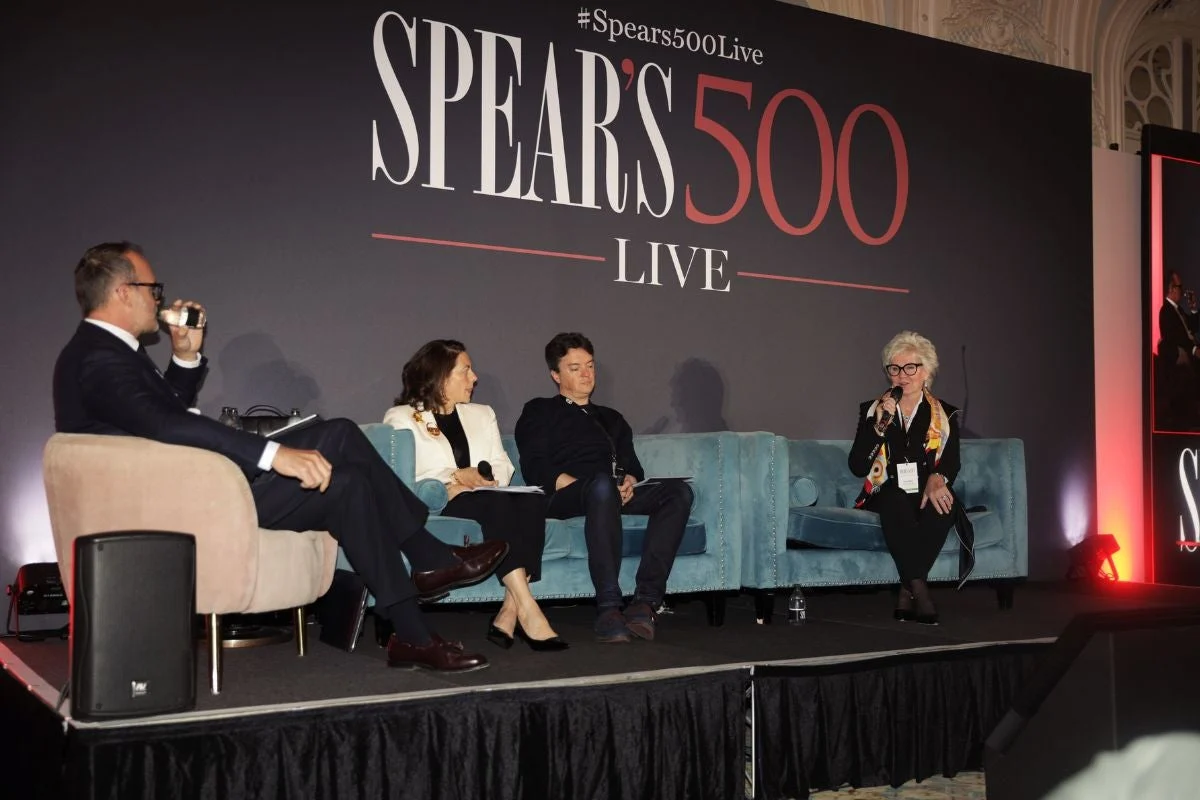
The landscape of luxury is undergoing a profound transformation, moving away from ostentatious displays of wealth towards a more nuanced and introspective definition of value. This paradigm shift, discussed extensively at Spear’s 500 Live event in London, emphasizes intangible assets such as privacy, trust, and deeply personal relationships over traditional markers like product exclusivity and brand heritage. Modern luxury consumers are increasingly seeking "quiet luxury," where the emotional resonance and the feeling of being understood and valued take precedence over material possessions.
The sentiment was powerfully articulated by Alyne Hansen-Damm, founder of AHD Consulting, during a panel discussion at the prestigious event held at The Savoy. "Luxury is no longer about the product and the price, nor even the craftsmanship and the history of the brand," Hansen-Damm stated. "It’s about how it makes the client feel. Emotional connection is key." This sentiment underscores a growing recognition that true luxury lies in bespoke experiences and a profound understanding of individual needs and desires, rather than simply the acquisition of high-value goods.
Joining Hansen-Damm on the panel were Jules Maury, Head of Scott Dunn Private, a bespoke travel concierge service catering to ultra-high-net-worth (UHNW) clients, and Jamie Caring, founder of the consultancy Sevengage and a prominent figure from a family empire built on exclusive restaurants and private members’ clubs. Their collective insights painted a vivid picture of a luxury market evolving to meet the sophisticated demands of today’s affluent individuals.
The Rise of Intangible Value in Luxury
The traditional markers of luxury—exquisite craftsmanship, storied brand histories, and exorbitant price tags—are no longer sufficient to capture the attention and loyalty of contemporary affluent consumers. Instead, a growing emphasis is being placed on the intangible aspects of luxury, often referred to as "quiet luxury." This includes the assurance of privacy, the cultivation of genuine trust, and the nurturing of meaningful personal relationships. These elements, while difficult to quantify, are becoming the true arbiters of luxury for a discerning clientele.
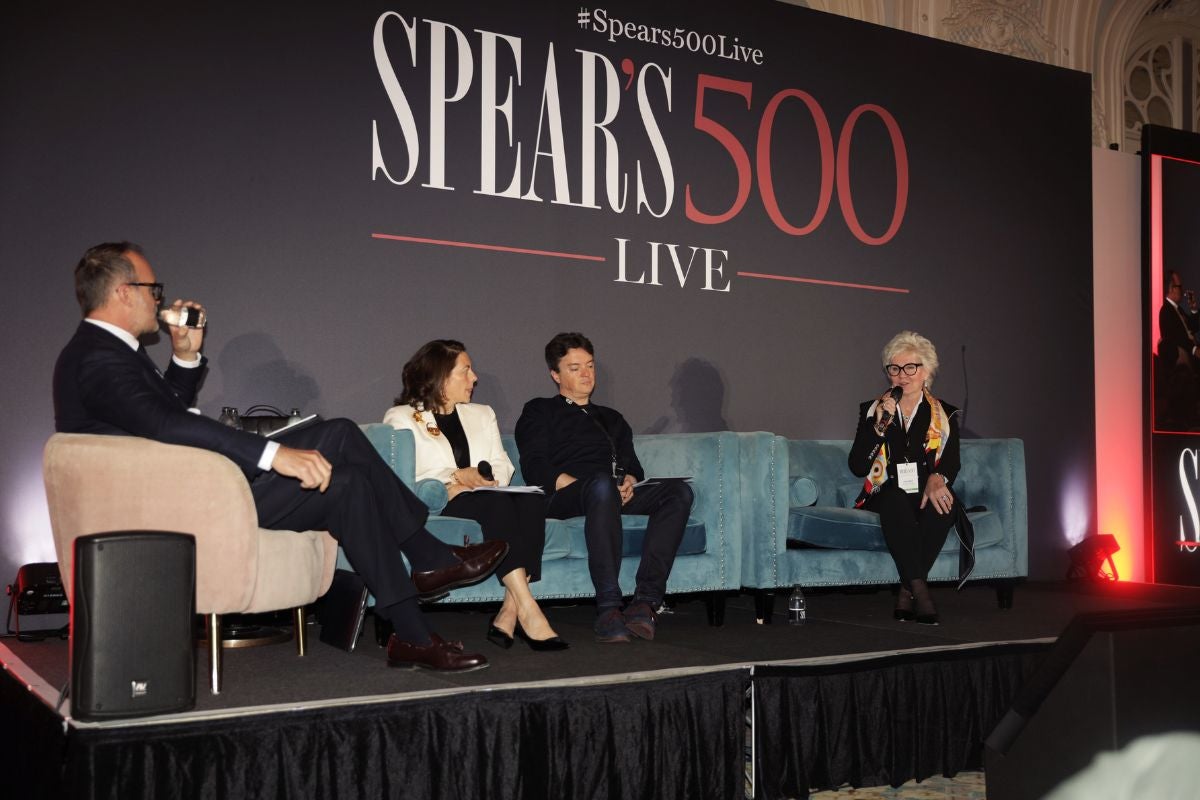
Jamie Caring elaborated on this shift, stating, "True luxury is linked to cultural relevance and emotive impact. And it’s centred around trust and privacy." He further observed a duality in consumer behavior, noting, "A lot of luxury is linked to heritage and brands that have decades of reputation. But luxury consumers are also looking for convenience, innovation and modern technology." This suggests that while established brands can leverage their legacy, they must also adapt to incorporate contemporary expectations of seamless service and technological integration.
Jules Maury’s experience with Scott Dunn Private provides a tangible example of this trend. Her company specializes in crafting unique travel experiences for UHNW families, often acting as a vital antidote to the intense pressures of their fast-paced lives. "They’re time-poor, their lives are fast-paced and they get burned out," Maury explained. "And when they get burned out, they come to us to take them and their family somewhere special. For them, true luxury is having one person, a relationship manager, who knows them inside out and knows what their family wants and all the things they enjoy." This highlights the power of personalized service and the deep trust built through consistent, empathetic engagement.
Shifting Brand Strategies: From Transactional to Relational
The evolving consumer mindset necessitates a fundamental shift in how luxury brands approach their clientele. The focus is moving from transactional sales to building enduring relationships, a concept that resonates deeply with the idea of a private members’ club experience.
Caring noted that this trend has compelled brands to adopt strategies akin to those of exclusive clubs. He cited examples such as Audemars Piguet’s AP House in London, a club-style venue designed for client events, and the pop-up Louis Vuitton Hotel, which blurred the lines between retail, hospitality, and exhibition. These initiatives aim to create immersive brand experiences that foster a sense of belonging and exclusivity.
"You walk into a members’ club and they know your name and your partner’s name, and which seat you like to sit in and that your brother is in hospital," Caring elaborated. "Hyper-personalisation is about relationships." This level of intimate knowledge and proactive care is the hallmark of genuine luxury service.
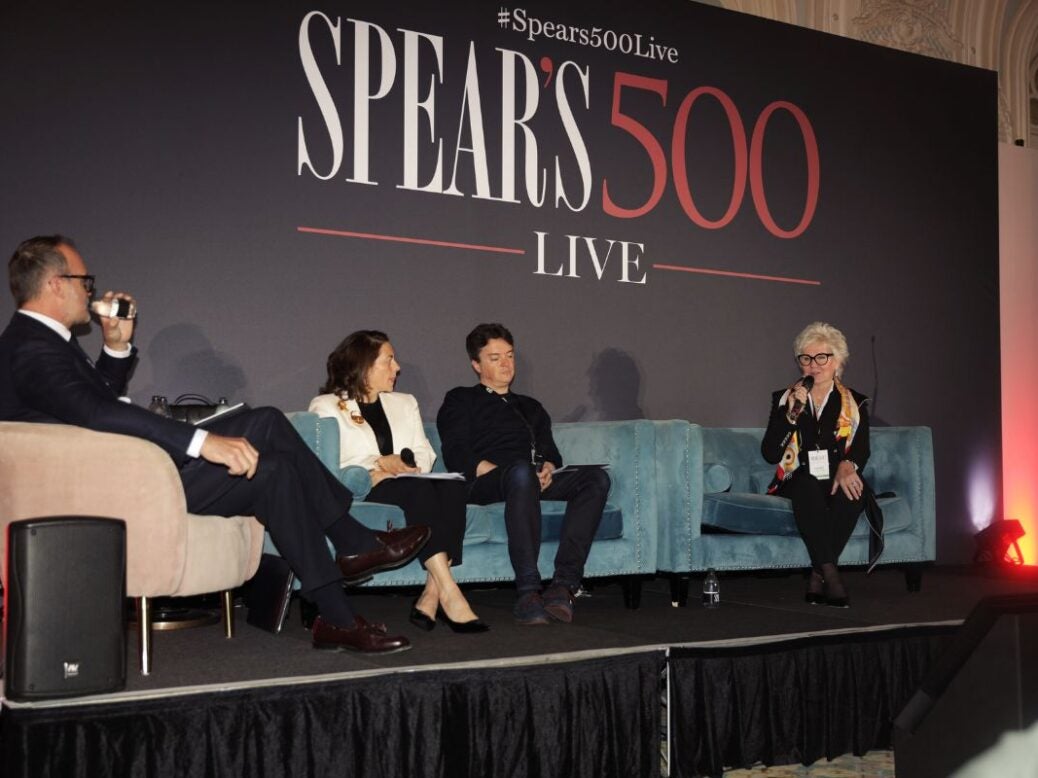
However, Hansen-Damm cautioned that many brands are still struggling to adapt. "To an extent, everything is still now focused on sales and not the actual relationship with the client," she observed. "The aim would be to be invited to the client’s wedding." This ambitious goal illustrates the ultimate measure of client loyalty and brand integration: becoming an indispensable part of a client’s life journey, rather than just a vendor.
She further emphasized the need for brands to embrace "the art of servicing, where there’s no pressure to buy." The current transactional nature of many luxury interactions is palpable to clients, leading to a disconnect. "Client relationships that are going well are those where the brand is not trying to sell them something forcefully but build an honest relationship. It’s not about huge spectacle, it about thoughtfulness and the emotion that will be generated through those experiences." This calls for a more subtle, authentic approach that prioritizes client well-being and emotional connection over immediate sales figures.
The Enduring Importance of Value and Authenticity
Despite the embrace of intangible luxuries, the principle of value remains paramount, especially for ultra-high-net-worth individuals. Jules Maury cautioned against the temptation to exploit the demand for luxury, particularly during high-profile events. "People will pay for anything as long as the service is there," she said. "But some places are charging a lot but they’re not delivering the quality. Today, the ultra-high-net-worth community does questions prices. Those clients won’t pay if they think something’s over-priced, if it’s taking the Mickey." This indicates a sophisticated consumer base that, while willing to spend, is acutely aware of perceived value and will not tolerate being overcharged for subpar experiences.
Hansen-Damm echoed this sentiment, warning against the practice of artificially inflating prices to maintain an illusion of scarcity, a tactic that gained traction post-pandemic. "Clients are not stupid, they know how it works and they don’t like it," she stated. "Something has to change in the luxury world because clients are moving away from these brands." This suggests a potential backlash against brands that prioritize profit over genuine client relationships and perceived value.
Jamie Caring pointedly criticized the emerging trend of ultra-exclusive, high-fee clubs, citing examples like The Leconfield Club with its reported £500,000 joining fee and the upcoming "superclub" The Pembroke. He argued that such ventures, which seem to rely solely on their exorbitant price tag as a selling point, are fundamentally flawed. "If the story is that you’re the most expensive thing you’ve ever seen, it’s not a story," he contended. "If you’re selling memberships, no one wants them." This indicates that exclusivity must be underpinned by genuine value, unique experiences, and a compelling narrative, rather than just a high price point.

Caring also offered a critical perspective on the future of established players like Soho House, which recently transitioned back to private ownership. He suggested that rebuilding trust with members, particularly after a challenging public listing, could take up to a decade. "If they were really brave, they would re-curate their membership, but I don’t think they can afford to," he remarked, hinting at the complex balancing act between maintaining exclusivity and broader appeal.
A Retrenchment Towards Curation and Privacy
The consensus among the panelists was that the luxury sector is entering a phase of "reverse democratisation." Following a period where the internet and social media broadened access to brands and experiences, there is now a discernible movement towards more curated, limited, and private spaces.
"There is a retrenchment, the opposite of democratisation, with smaller, more curated, more limited spaces for luxury," Caring explained. "It’s much more private than it was." This trend signifies a return to a more traditional model of luxury, where scarcity and exclusivity are key drivers, but with an added layer of sophisticated, personalized service.
Jules Maury summarized the essence of this shift: "When you have someone who really wants to spend time talking to you, as opposed to someone who just wants to hand you an Amex card, that’s when the transaction almost moves behind you, when you’ve broken the glass ceiling." This powerful metaphor encapsulates the ultimate aspiration of luxury service providers: to transcend mere financial transactions and establish genuine, human connections that define true luxury.
The Spear’s 500 Live Event: A Hub for Private Client Professionals
Spear’s 500 Live, the event at which these insights were shared, serves as a pivotal gathering for private client professionals and key figures within the private wealth and family office ecosystem. The 2026 edition, held on May 6th at The Savoy in London, provided a critical platform for discussions on the evolving dynamics of wealth management, philanthropy, and the luxury market. The event, presented in association with partners including the Charities Aid Foundation, CMB Monaco, Guernsey Finance, HCA Healthcare UK, Payne Hicks Beach, Riverstone, Scott Dunn Private, and Stewardship, underscores the interconnectedness of these sectors and the importance of informed dialogue among industry leaders.

The discussions at Spear’s 500 Live highlight a significant evolution in the perception and delivery of luxury. The future, it seems, is not about shouting wealth from the rooftops, but about experiencing it in a way that is deeply personal, emotionally resonant, and built on a foundation of unwavering trust and understanding. As brands navigate this new terrain, those that prioritize authentic relationships and tangible value over superficial displays will undoubtedly lead the way.
