

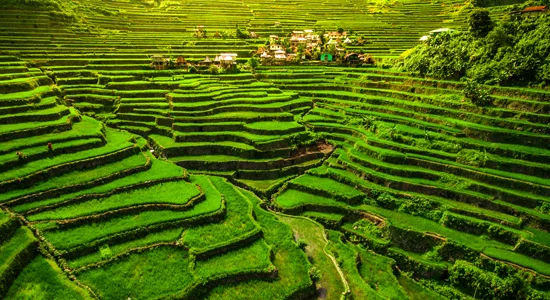
The Philippines sovereign wealth fund has articulated a strategic objective to "catalyze" its domestic agriculture sector, signaling a significant shift in national investment priorities and an embrace of global trends toward sustainable land use and food security. This ambition is unfolding against a backdrop of substantial international capital flows into agricultural and environmental initiatives, as evidenced by recent developments such as BTG’s successful closure of a $1.24 billion Reforestation Fund, the mixed performance of U.S. farmland investments, and a significant $91 million restoration project backed by prominent entities like Bregal Sphere, the World Bank, and Mirova. These concurrent events underscore a growing recognition of agriculture and land management as critical sectors for both economic development and environmental stewardship.
National Imperative: Bolstering the Philippine Agriculture Sector
The Philippine archipelago, with its diverse geography and a population heavily reliant on agricultural output for both sustenance and livelihoods, faces persistent challenges in optimizing its food production capacity. Issues ranging from climate change impacts, such as typhoons and droughts, to inefficiencies in supply chains and limited access to modern farming technologies have historically constrained the sector’s growth potential. The explicit intention of the Philippines’ sovereign wealth fund to "catalyze" this sector suggests a proactive approach to address these deep-seated challenges.
A "catalytic" role implies more than just passive investment. It suggests an active strategy to stimulate growth, innovation, and efficiency. This could encompass a range of interventions, including:
- Direct Investment in Modernization: Funding for advanced agricultural technologies, such as precision farming, hydroponics, vertical farming, and improved irrigation systems, could significantly boost yields and resource efficiency.
- Infrastructure Development: Investments in rural infrastructure, including roads, storage facilities, and processing plants, are crucial for reducing post-harvest losses and improving market access for farmers.
- Research and Development: Allocating resources to agricultural research institutions to develop climate-resilient crops, sustainable farming practices, and disease-resistant varieties.
- Capacity Building and Training: Programs designed to upskill farmers and agricultural workers in modern techniques, financial management, and market engagement.
- Support for Smallholder Farmers: Initiatives to provide access to credit, insurance, and markets for the vast number of smallholder farmers who form the backbone of the Philippine agricultural landscape.
- Promoting Sustainable Practices: Encouraging and incentivizing the adoption of environmentally friendly farming methods, such as organic agriculture, agroforestry, and water conservation, to ensure long-term ecological health and resilience.
The establishment and operationalization of a sovereign wealth fund itself represent a significant financial development for the Philippines. Such funds are typically endowed with national assets and are designed to generate long-term returns for the benefit of the nation, often by investing in strategic sectors that offer both economic and social advantages. By targeting agriculture, the fund signals an understanding of its foundational importance to the Philippine economy and its potential as a driver of inclusive growth.
Global Investment Currents: Agriculture and Land as Strategic Assets
The Philippines’ focus on agriculture aligns with a broader global trend where land and its productive capacity are increasingly viewed as strategic assets, both for economic returns and for addressing pressing environmental concerns. The recent milestones in international sustainable land investment provide a compelling context for the Philippines’ own ambitions.
BTG’s Reforestation Fund Reaches $1.24 Billion: BTG, a specialist in sustainable land management and forestry, announced the successful closing of its Reforestation Fund at an impressive $1.24 billion. This substantial capital raise underscores investor confidence in the financial viability and environmental impact of large-scale reforestation projects. Such initiatives are critical for carbon sequestration, biodiversity conservation, watershed protection, and the sustainable production of timber and other forest products.
- Supporting Data & Context: Reforestation and afforestation efforts are increasingly recognized as vital tools in the global fight against climate change. The United Nations’ REDD+ (Reducing Emissions from Deforestation and Forest Degradation) framework highlights the economic value of forests beyond timber. Investments like BTG’s are pivotal in channeling private capital towards these nature-based solutions. The fund’s success suggests a maturing market for environmental assets and a growing appetite for investments that offer both financial returns and measurable environmental benefits, such as carbon credits.
- Implications: The scale of BTG’s fund indicates that significant private capital is available for projects that can demonstrate robust environmental and financial performance. This could serve as a model or a source of partnership for the Philippines as it seeks to develop its own land-based carbon sinks or sustainable forestry initiatives.
U.S. Farmland Delivers -0.20 Percent Q1 Average Total Return: In contrast to the enthusiasm for reforestation, the U.S. farmland sector experienced a slight negative average total return of -0.20 percent in the first quarter. This data point, while modest, highlights the inherent volatility and cyclical nature of agricultural commodity markets and land values.
- Supporting Data & Context: Farmland returns are influenced by a multitude of factors, including commodity prices, interest rates, weather patterns, government policies, and global demand. A slight dip in returns does not necessarily signal a long-term downturn but can reflect short-term market adjustments. For instance, a decline in crop prices or an increase in input costs could contribute to such a figure.
- Implications: This data serves as a reminder that agricultural investments, while potentially lucrative, are not without risk. For the Philippines’ sovereign wealth fund, it underscores the importance of thorough due diligence, diversification within the agricultural sector, and a long-term investment horizon. It also emphasizes the need to understand local market dynamics and to mitigate risks through hedging strategies or by focusing on sub-sectors with more stable demand.
Bregal Sphere, World Bank, and Mirova Back $91 Million Restoration Project: A significant $91 million restoration project has garnered backing from a consortium including Bregal Sphere, the World Bank, and Mirova. This collaborative effort signifies a multi-faceted approach to land restoration, likely encompassing ecological rehabilitation, sustainable land management practices, and community engagement.
- Supporting Data & Context: Land degradation is a global crisis, impacting food security, biodiversity, and water resources. Restoration projects aim to reverse these trends by re-establishing ecosystems, improving soil health, and enhancing the livelihoods of local communities. The involvement of development finance institutions like the World Bank alongside private equity and asset management firms like Bregal Sphere and Mirova demonstrates a blended finance approach, leveraging public and private capital to achieve ambitious environmental and social goals.
- Implications: The participation of these influential entities suggests a high level of confidence in the efficacy and scalability of such restoration efforts. It also points to the increasing convergence of environmental and financial objectives in investment strategies. For the Philippines, this type of blended finance model could be particularly relevant for funding large-scale ecosystem restoration initiatives, such as mangrove rehabilitation or reforestation of degraded watersheds, which are crucial for climate resilience and biodiversity.
Strategic Alignment and Potential Synergies
The Philippines sovereign wealth fund’s ambition to catalyze its agriculture sector can be viewed as a strategic move to leverage national resources for both economic growth and enhanced environmental sustainability. The global investment trends observed in forestry and land restoration offer valuable insights and potential avenues for collaboration.
Timeline and Chronology: While the article does not provide a specific timeline for the Philippines’ sovereign wealth fund’s initiatives, the recent global developments suggest a period of accelerated activity in sustainable land investment. The establishment and subsequent strategic directives of sovereign wealth funds are typically long-term processes. However, the current global emphasis on climate action and food security may be prompting a more immediate focus on sectors like agriculture and natural resource management. The successful closure of BTG’s fund and the substantial backing for the restoration project indicate a current momentum in these areas.
Statements and Reactions (Inferred): While no direct statements from the Philippines’ sovereign wealth fund are provided in the snippet, the objective to "catalyze" agriculture suggests a proactive and interventionist stance. One can infer that stakeholders within the Philippine agricultural sector—farmers’ groups, agribusinesses, researchers, and policymakers—would likely welcome such a strategic infusion of capital and expertise. However, there might also be calls for transparency, equitable distribution of benefits, and a focus on inclusive development that prioritizes smallholder farmers.
Globally, the backing of the $91 million restoration project by the World Bank and Mirova implies a belief in the efficacy of such interventions for both ecological recovery and sustainable economic development. The mixed returns from U.S. farmland serve as a data point for investors and policymakers to consider the inherent risks and the importance of diversified strategies.
Broader Impact and Implications for the Philippines
The Philippines’ strategic focus on its agriculture sector, driven by its sovereign wealth fund, carries profound implications for the nation’s future:
- Enhanced Food Security: A revitalized agricultural sector is paramount for ensuring a stable and affordable food supply for the growing population, reducing reliance on imports, and mitigating the impact of global supply chain disruptions.
- Economic Growth and Job Creation: Agriculture remains a significant employer in the Philippines. Investments in modernization, value addition, and sustainable practices can create new, higher-skilled jobs and stimulate rural economies, thereby reducing poverty and inequality.
- Climate Change Resilience: By promoting sustainable and climate-smart agricultural practices, the Philippines can enhance its resilience to the impacts of climate change, such as extreme weather events and changing rainfall patterns. Investments in reforestation and land restoration directly contribute to carbon sequestration and ecosystem services.
- Environmental Stewardship: A conscious effort to "catalyze" agriculture with a focus on sustainability can lead to improved land and water management, biodiversity conservation, and reduced environmental degradation.
- Attracting Further Investment: The strategic deployment of a sovereign wealth fund can act as a catalyst for attracting additional private and institutional investment into the agricultural sector, signaling a supportive policy environment and a commitment to long-term development.
The success of this initiative will hinge on several factors: the effective governance and management of the sovereign wealth fund, robust partnerships with the private sector and international organizations, the active participation of local communities and farmers, and a policy framework that supports innovation, sustainability, and equitable access to resources and markets. The Philippines’ move to proactively invest in and transform its agricultural landscape, inspired by global trends in sustainable land management, represents a significant step towards a more prosperous, resilient, and environmentally sound future.
