

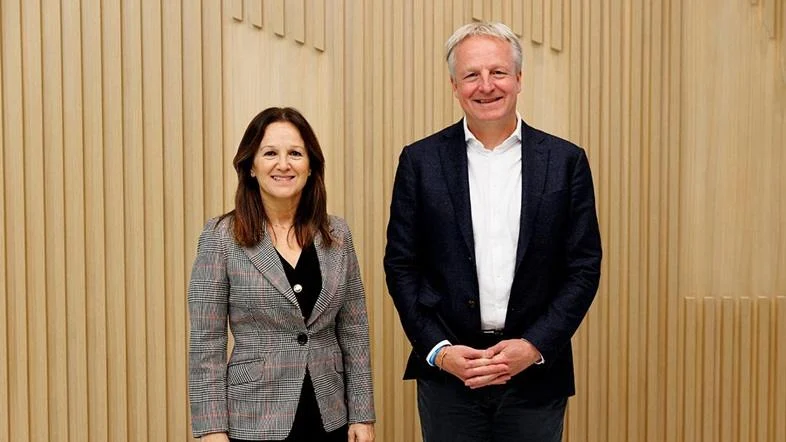
The landscape of the European energy transition has reached a significant milestone with the announcement of a strategic partnership between Madrid-based energy giant Moeve and global professional services leader Accenture. This collaboration is specifically designed to empower industrial enterprises to navigate the complexities of decarbonization, providing a comprehensive framework that integrates sustainable energy supplies with cutting-edge digital intelligence. As heavy industry faces mounting pressure from both regulatory bodies and global markets to reduce its carbon footprint, this partnership seeks to bridge the gap between ambitious climate goals and the practical, economic realities of industrial operations.
Under the terms of the agreement, Moeve will deploy its extensive portfolio of low-carbon energy solutions, including renewable electricity, biomethane, and hydrotreated vegetable oil (HVO). These energy products are critical components for sectors that are traditionally difficult to electrify, such as heavy manufacturing, chemical processing, and long-haul logistics. Simultaneously, Accenture will provide the technological backbone of the initiative, utilizing generative artificial intelligence (AI), data analytics, and digital modeling to create precise, actionable decarbonization roadmaps for shared clients.
A Strategic Response to the Industrial Climate Crisis
The industrial sector remains one of the most significant contributors to global greenhouse gas emissions, accounting for approximately 30% of total emissions worldwide. While many companies have committed to "Net Zero" targets by 2050, the path to achieving these goals is fraught with technical and financial hurdles. The partnership between Moeve and Accenture, branded under the "Moeve decarbonize" initiative, arrives at a critical juncture where the focus of corporate sustainability is shifting from mere reporting to active, systemic transformation.
Central to this collaboration is the challenge of Scope 3 emissions—those produced throughout a company’s value chain, including suppliers and end-users. For most industrial firms, Scope 3 emissions represent the vast majority of their total carbon footprint, yet they are the most difficult to track, measure, and mitigate. By combining Moeve’s physical energy assets with Accenture’s digital capabilities, the partners aim to provide a "360-degree" view of the value chain, allowing companies to identify emission hotspots and implement targeted reduction strategies without compromising their market competitiveness.
The Technological Edge: Generative AI and Digital Twins
Accenture’s contribution to the partnership centers on the deployment of advanced digital technologies. In the current industrial environment, data is often siloed across different departments and geographic locations, making it nearly impossible to gain an accurate picture of energy consumption and emission levels. Accenture intends to leverage generative AI to synthesize these complex datasets, providing industrial leaders with real-time insights into their carbon performance.
One of the primary tools to be utilized is the development of "digital twins"—virtual replicas of physical industrial systems. These models allow companies to simulate various decarbonization scenarios, such as switching from natural gas to biomethane or integrating large-scale solar arrays into their power mix. By modeling these transitions in a virtual environment, companies can assess the impact on production costs, energy efficiency, and total emissions before making significant capital investments. This data-driven approach is designed to de-risk the transition to cleaner energy systems, ensuring that sustainability efforts are both environmentally effective and fiscally responsible.
Moeve’s Energy Portfolio: Driving the Molecule Revolution
For Moeve, this partnership represents a major step forward in its evolution from a traditional fossil fuel company to a diversified leader in sustainable energy. Formerly known as Cepsa, the company underwent a major rebranding and strategic pivot in late 2024 to reflect its commitment to the "Positive Motion" strategy. This strategy emphasizes the production of "green molecules" as the cornerstone of the energy transition for heavy industry and transport.
Key to Moeve’s offering in this partnership is Hydrotreated Vegetable Oil (HVO), a renewable diesel that can be used in existing internal combustion engines without modification. HVO can reduce CO2 emissions by up to 90% compared to traditional diesel, making it an ideal "drop-in" solution for heavy-duty transport and industrial machinery. Additionally, Moeve’s focus on biomethane—produced from organic waste—provides a circular economy solution that helps reduce methane leaks while providing a high-energy fuel source for thermal industrial processes.
By offering these solutions in tandem with renewable electricity, Moeve provides a holistic energy menu that caters to the diverse needs of the industrial sector. This versatility is essential, as the energy transition is not a "one-size-fits-all" endeavor; different industries require different energy densities and delivery methods to maintain operational integrity.
Chronology of the Transition: From Cepsa to Moeve
The partnership with Accenture is the latest chapter in a multi-year transformation for Moeve. To understand the significance of this deal, it is necessary to look at the timeline of the company’s strategic shifts:
- March 2022: The company, then operating as Cepsa, launched its "Positive Motion" 2030 strategy. The plan outlined an investment of €8 billion to lead the production of green hydrogen and second-generation biofuels in Spain and Portugal.
- 2023: The company accelerated its development of the Andalusian Green Hydrogen Valley, one of the largest hydrogen projects in Europe, establishing a foundation for industrial-scale decarbonization.
- October 2024: Cepsa officially rebranded to Moeve. The new identity was designed to signal a definitive break from its petroleum-focused past and a future centered on sustainable energy and chemical solutions.
- Early 2025: Moeve expanded its biomethane production capabilities through a series of strategic acquisitions and partnerships with agricultural waste processors across the Iberian Peninsula.
- May 2026: The formalization of the partnership with Accenture, marking the transition from infrastructure development to service-oriented solutions for the broader industrial market.
Official Perspectives on the Collaboration
Leadership from both organizations emphasized that the partnership is born out of necessity, as the technical requirements for decarbonization have outpaced the internal capabilities of many industrial firms.
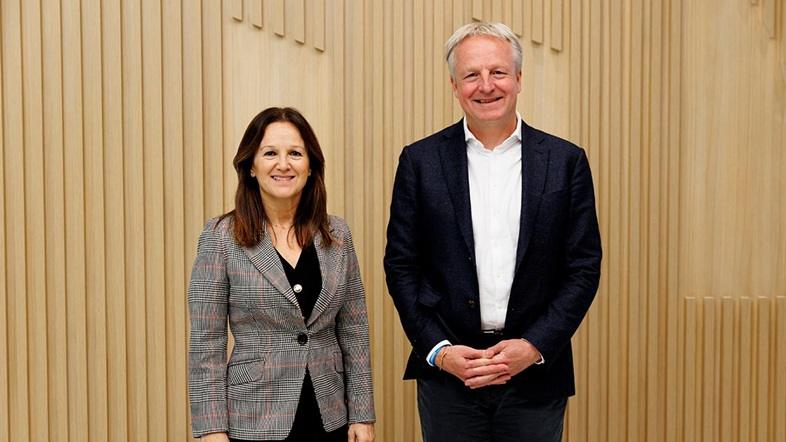
Mercedes Oblanca, Market Unit Lead for Spain and Portugal at Accenture, highlighted the complexity of the task at hand. "The decarbonization of industry is a complex challenge that requires a combination of strategy, technology, and rigorous execution," Oblanca stated. She noted that by making Accenture’s expertise in AI and data digitalization available to Moeve’s customers, they are enabling the design of "realistic, data-driven decarbonization roadmaps" that account for the entire value chain.
Maarten Wetselaar, CEO of Moeve, echoed this sentiment, pointing to the synergy between the two firms. "The combination of Moeve’s energy expertise with Accenture’s strategic and technological vision enables us to offer comprehensive and differentiated solutions in a market undergoing profound transformation," Wetselaar said. His comments reflect a broader trend in the energy sector where "Energy-as-a-Service" models are becoming more prevalent, shifting the focus from selling raw commodities to providing managed sustainability outcomes.
Supporting Data and Market Implications
The economic stakes of this partnership are underscored by recent data regarding carbon pricing and regulatory compliance in Europe. The European Union’s Emissions Trading System (EU ETS) has seen carbon prices fluctuate significantly, reaching over €100 per ton in recent years. For heavy industries, these costs represent a substantial threat to profitability. Furthermore, the implementation of the Carbon Border Adjustment Mechanism (CBAM) means that industrial products produced with high carbon intensity will face tariffs when entering the EU, making decarbonization a prerequisite for global trade.
According to industry analysts, the market for industrial decarbonization services in Europe is expected to grow at a compound annual growth rate (CAGR) of over 15% through 2030. Companies that can provide a "one-stop-shop" for both energy supply and digital optimization are positioned to capture a significant share of this burgeoning market.
The "Moeve decarbonize" initiative specifically targets sectors such as steel, cement, and chemical manufacturing. These industries are responsible for nearly 20% of the EU’s total CO2 emissions. In Spain and Portugal, where Moeve has its strongest presence, the industrial sector is a vital component of the national GDP. Ensuring that these industries remain competitive while meeting the stringent requirements of the EU’s "Fit for 55" package is a matter of national economic security.
Broader Impact and Future Outlook
The Moeve-Accenture partnership serves as a blueprint for how the energy sector and the professional services sector can collaborate to tackle climate change. By integrating the physical supply of green energy with the digital tools necessary to manage it, the two companies are addressing the "implementation gap" that has hindered many corporate sustainability programs.
Looking forward, the success of this initiative will likely depend on the scalability of the technologies involved. As generative AI becomes more sophisticated, its ability to optimize energy grids and supply chains in real-time will become a decisive factor in industrial efficiency. For Moeve, the partnership provides a direct channel to a high-value customer base, ensuring a steady demand for its growing production of green hydrogen, HVO, and biomethane.
Furthermore, this collaboration reinforces the role of the Iberian Peninsula as a leading hub for the European energy transition. With its abundant solar and wind resources, combined with a robust industrial base and strategic location, the region is well-positioned to become a laboratory for the "green molecules" economy.
As industrial companies across the globe watch the results of the "Moeve decarbonize" initiative, the partnership between Moeve and Accenture may well define the next era of industrial operations—one where sustainability is not a cost center, but a core driver of digital innovation and long-term economic resilience. The move from theoretical roadmaps to data-backed, molecule-driven execution marks a new maturity in the corporate response to the climate crisis, signaling that the era of industrial transformation has truly begun.
