

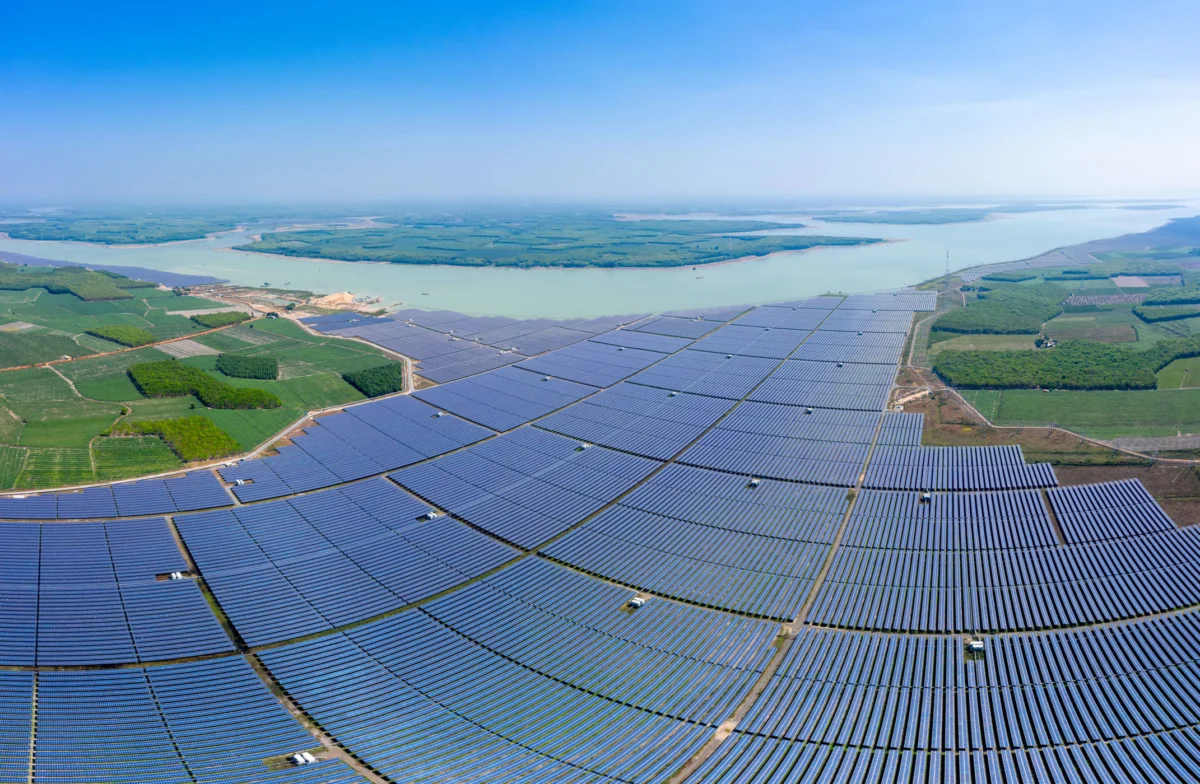
The Asian Development Bank (ADB) has launched an ambitious $70 billion initiative aimed at revolutionizing energy and digital infrastructure across the Asia-Pacific region, with Southeast Asia poised to be the primary beneficiary. This monumental program, which sets a funding deadline of 2035, is designed to establish a pan-Asia power grid and an expansive Asia-Pacific digital highway, addressing critical infrastructure gaps and fostering unprecedented regional connectivity. The overarching goal is to lower costs, expand opportunities, and deliver reliable power and digital access to hundreds of millions of people, thereby underpinning the region’s future growth and competitiveness.
Addressing a Critical Infrastructure Gap
The Asia-Pacific region, home to more than half of the world’s population, faces significant challenges in meeting its burgeoning energy demands and bridging a persistent digital divide. Many developing economies in Southeast Asia, in particular, grapple with fragmented power grids, high energy costs, and insufficient digital infrastructure, which hinder economic growth and social development. The ADB’s "Connecting Asia" plan directly confronts these issues by proposing integrated solutions that transcend national borders.
"Energy and digital access will define the region’s future," affirmed ADB President Masato Kanda in a statement announcing the initiative. Kanda emphasized that such connectivity is fundamental for Asia and the Pacific to grow, compete, and integrate effectively. "By linking power grids and digital networks across borders, we can lower costs, expand opportunity, and bring reliable power and digital access to hundreds of millions of people," he added, underscoring the transformative potential of the plan.
While the $70 billion allocation targets the entire Asia-Pacific, expert analysis strongly suggests that Southeast Asia will emerge as the principal recipient of this significant investment push. This strategic focus is informed by a confluence of factors, including the region’s rapid economic growth, substantial infrastructure needs, and the readiness of its member countries to undertake large-scale development projects.
Strategic Focus on Southeast Asia
The ADB’s traditional lending patterns and its mandate often prioritize developing member countries based on their growth needs, project readiness, and overall developmental impact, rather than solely on market size. This approach naturally steers a larger share of funding towards Southeast Asian nations, which are undergoing significant industrialization and urbanization. Greg Statton, vice president and chief technology officer for Asia Pacific and Japan at AI-powered data security firm Cohesity, highlighted this trend, noting that countries like China, India, and Japan have largely evolved beyond the need for extensive ADB financing.
China, for instance, has developed its own robust financial institutions and policy frameworks to fund its massive infrastructure projects. India, while still receiving a fair amount of ADB funding, also possesses strong access to capital markets and primarily finances its major projects domestically. Japan, conversely, stands as a major funder of the ADB itself, contributing significantly to the bank’s capacity to invest in other developing economies.
Chasen Nevett, managing partner of principal investments at GMA Capital Partners, further elaborated on why Southeast Asia presents a more compelling investment landscape for the ADB. "Larger economies such as China, India, and Japan already have more established domestic capital markets, deeper infrastructure financing channels, and greater fiscal capacity to fund large-scale projects internally," Nevett explained. In stark contrast, Southeast Asia remains "structurally underbuilt in both energy interconnection and digital infrastructure." This combination, he argued, "creates a more efficient deployment environment for capital, where each dollar can unlock broader private sector participation and accelerate regional integration." The implication is that ADB’s investment in Southeast Asia can act as a powerful catalyst, drawing in additional private sector funds and maximizing the impact of every dollar spent.
The Dual Pillars: Power Grid and Digital Highway
The ADB’s initiative is structured around two interconnected pillars: the pan-Asia power grid and the Asia-Pacific digital highway. These components are designed to be mutually reinforcing, creating a comprehensive ecosystem for sustainable development.
The Pan-Asia Power Grid: Powering Growth and Sustainability
The proposed pan-Asia power grid is a visionary concept aimed at connecting national and subregional power systems across borders. This integration promises several critical benefits:
- Enhanced Reliability and Stability: By allowing power to flow across borders, countries can share excess capacity and draw power during shortages, reducing the risk of blackouts and improving grid stability. This is particularly crucial for nations with volatile renewable energy sources.
- Lower Energy Costs: Regional power trading can optimize electricity generation, allowing countries to purchase power from the most cost-effective sources available in the network. This competition and efficiency can lead to lower prices for consumers and industries.
- Accelerated Renewable Energy Integration: Many Southeast Asian nations possess abundant renewable energy resources—such as hydropower in Laos and Cambodia, and solar and wind potential in Vietnam and Thailand—but lack the infrastructure to transmit this clean power to major demand centers. The pan-Asia power grid aims to facilitate cross-border clean energy flows, significantly boosting the region’s renewable energy penetration and helping meet climate change targets. The ADB explicitly aims to integrate nearly 20 gigawatts of renewable energy across borders and link 22,000 circuit-kilometers of transmission lines by 2035. This scale of integration would represent a monumental shift towards a cleaner energy mix for the region.
- Energy Security: Diversifying energy sources and suppliers through a connected grid reduces reliance on single points of failure or specific fossil fuel imports, enhancing overall energy security for member states.
Scott Dunn, strategy and growth lead for Asia at infrastructure consulting firm AECOM, highlighted the specific suitability of ADB’s plans for the region. He noted that markets like Laos, Thailand, Vietnam, and Cambodia, despite their abundant hydropower and rapidly expanding solar and wind capacities, are constrained by insufficient cross-border transmission capacity to move this clean power to where it is most needed. The ADB’s plans are "effectively designed for these conditions," Dunn stated, recognizing the critical need for interoperable transmission systems.
The Asia-Pacific Digital Highway: Bridging the Digital Divide
Complementing the energy infrastructure, the Asia-Pacific digital highway aims to close the persistent digital infrastructure gap in the region. This initiative encompasses the development of high-speed fiber optic networks, secure data centers, and advanced digital platforms that will connect communities, businesses, and governments. The implications are far-reaching:
- Economic Empowerment: Enhanced digital connectivity is a cornerstone of the modern digital economy. It enables e-commerce, supports digital entrepreneurship, and facilitates the growth of tech-driven industries, driving job creation and economic diversification.
- Improved Public Services: A robust digital infrastructure allows for the delivery of e-government services, remote education, and telemedicine, particularly benefiting underserved rural populations and improving overall social equity.
- Regional Integration and Data Flow: A seamless digital highway will facilitate cross-border data flow, crucial for regional trade, financial transactions, and collaborative research. It supports the aspirations of initiatives like the ASEAN Economic Community, fostering greater integration and efficiency.
- Innovation and Competitiveness: Reliable and affordable internet access is vital for innovation. It allows businesses to adopt new technologies, participate in global value chains, and remain competitive in an increasingly digital world.
Key Beneficiaries within Southeast Asia
Within Southeast Asia, Indonesia, Vietnam, and the Philippines are anticipated to be the largest beneficiaries of the $70 billion funding. This expectation is based on ADB’s historical lending patterns and current priorities, which consider factors such as population size, critical infrastructure needs, and the existence of active project pipelines.
- Indonesia: As the largest economy and archipelago nation in Southeast Asia, Indonesia faces unique challenges in connecting its vast network of islands. The ADB funding will be crucial for improving grid connectivity, developing its enormous renewable energy potential (especially geothermal and solar), and expanding its digital infrastructure to support its rapidly growing digital economy.
- Vietnam: Undergoing rapid industrialization and experiencing significant energy demand growth, Vietnam is aggressively pursuing renewable energy targets (solar and wind). The ADB’s investment will support the build-out of its transmission networks, both domestically and for cross-border power sharing, while also bolstering its digital transformation agenda.
- Philippines: Another archipelagic nation, the Philippines suffers from grid stability issues, high electricity costs, and vulnerability to climate change. ADB funding will be vital for strengthening its grid, promoting renewable energy, and closing its digital divide to improve access to essential services and foster economic resilience.
While Malaysia and Thailand are more developed in terms of infrastructure, they are also expected to benefit from the ADB initiative, albeit with a potentially lower "marginal impact" due to their more established base. These countries serve as crucial regional hubs for energy and data infrastructure. Malaysia, for instance, boasts the largest data center project pipeline in Southeast Asia, accounting for roughly 60% of all proposed projects in the region. Along with Thailand, it is projected to lead data-center load demand in Southeast Asia by 2035, according to Wood Mackenzie. ADB funding can support the expansion and integration of these critical hubs into the broader regional networks, enhancing their capacity and connectivity.
Even smaller economies like Laos and Cambodia, rich in hydropower potential, stand to gain immensely. Their ability to export clean energy to demand centers like Thailand and Vietnam would be significantly boosted by improved cross-border transmission lines, providing a vital source of revenue and supporting their economic development.
Timeline, Targets, and Complementary Initiatives
The 2035 deadline for funding projects underscores the long-term vision of the ADB initiative. This timeframe allows for phased implementation, complex planning, and the mobilization of necessary resources and expertise. The specific targets—integrating nearly 20 gigawatts of renewable energy and linking 22,000 circuit-kilometers of transmission lines—provide clear metrics for success and demonstrate the scale of the transformation envisioned.
It is also important to note that the ADB’s initiative operates within a broader ecosystem of regional green investment. For example, Singapore’s central bank, through its Green Investments Partnership, is actively backing bio-energy and solar projects across Southeast Asia. Such complementary efforts from various financial institutions and governments signal a concerted regional push towards sustainable infrastructure development and highlight the growing recognition of its importance.
Broader Impact and Implications
The ADB’s $70 billion connectivity plan carries profound implications for the Asia-Pacific region, extending beyond mere infrastructure development.
- Economic Transformation: By providing reliable and affordable energy and digital access, the initiative will act as a powerful engine for economic growth. It will attract foreign direct investment, foster new industries, create millions of jobs, and significantly boost regional GDP. Businesses will benefit from lower operational costs, improved supply chain efficiency, and expanded market access.
- Environmental Sustainability: The emphasis on renewable energy integration and cross-border clean power flow is critical for the region’s climate goals. By displacing fossil fuel-based generation, the initiative will contribute significantly to reducing carbon emissions, combating air pollution, and transitioning towards a greener economy. This aligns with global efforts to achieve net-zero targets and build climate resilience.
- Social Equity and Inclusion: Bridging the digital divide will have a transformative impact on social equity. Communities that previously lacked internet access will gain access to educational resources, healthcare services, financial tools, and economic opportunities, reducing inequalities and empowering individuals. Reliable power access also improves living standards, supports small businesses, and enhances overall quality of life.
- Strengthened Regional Integration: The physical and digital connections forged by this initiative will deepen regional integration. It will foster greater cross-border trade, facilitate knowledge sharing, and strengthen political and economic cooperation among member states. This enhanced connectivity aligns with the aspirations of the ASEAN Connectivity 2025 master plan, promoting a more cohesive and prosperous Southeast Asia.
- Technological Advancement: The demand for advanced digital infrastructure and smart grid technologies will spur innovation and technology transfer within the region. This will encourage local expertise development and potentially position Southeast Asia as a hub for certain green and digital technologies.
Challenges Ahead
Despite its immense potential, the implementation of such a vast and complex initiative will undoubtedly face challenges. These include:
- Regulatory Harmonization: Coordinating policies and regulations across multiple sovereign nations for power trading and digital data flow will require significant diplomatic effort and technical collaboration.
- Financing Beyond ADB: While $70 billion is substantial, the total infrastructure needs of the region are far greater. Mobilizing additional private sector investment and co-financing from other multilateral development banks will be crucial.
- Geopolitical Considerations: Cross-border infrastructure projects can sometimes be influenced by geopolitical dynamics, requiring careful navigation and strong regional commitment.
- Project Implementation Risks: Large-scale infrastructure projects are inherently complex, prone to delays, cost overruns, and environmental concerns, necessitating robust project management and oversight.
Nevertheless, the ADB’s $70 billion commitment represents a critical inflection point for the Asia-Pacific, particularly Southeast Asia. By prioritizing interconnectedness in energy and digital domains, the initiative lays the groundwork for a more resilient, sustainable, and prosperous future for hundreds of millions, positioning the region at the forefront of global development. The coming decade and beyond will witness the tangible realization of this ambitious vision, reshaping the economic and social fabric of one of the world’s most dynamic regions.
