

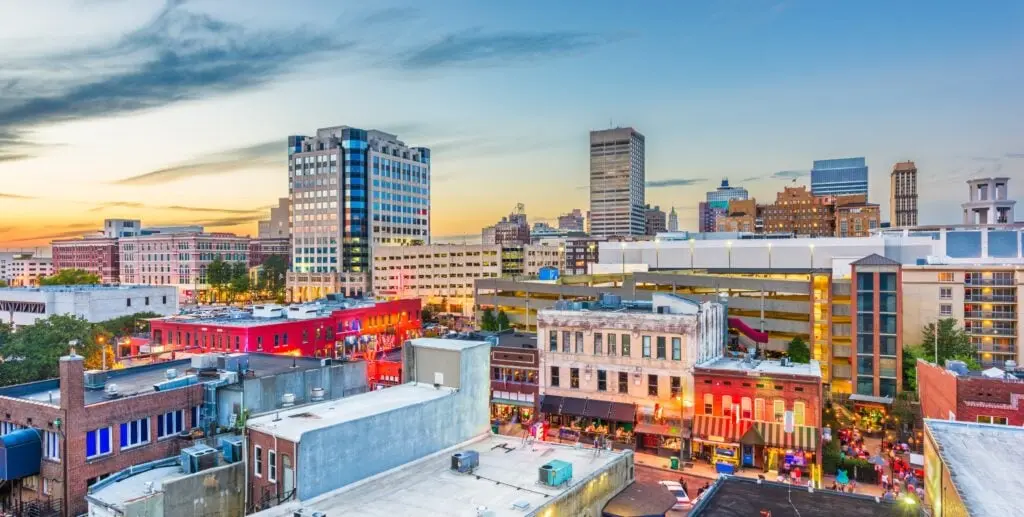
The Memphis metropolitan area has emerged as the primary destination for real estate investment in the United States, outpacing all other major markets in investor activity during the first half of 2026. According to the Realtor.com 2026 Investor Report, the region recorded the highest investor buyer share among the 50 largest U.S. metros, with institutional and private investors accounting for 20.5% of all residential purchases. This statistic indicates that approximately one in every five homes sold in the region is being acquired for the purpose of rental income or portfolio expansion.
While the broader Memphis market is often associated with high-yield, low-cost urban properties, a significant shift in capital is moving toward the southern periphery of the metro area. DeSoto County, Mississippi, which encompasses the cities of Southaven and Olive Branch, has become a focal point for investors seeking a rare trifecta: high-performing public schools, affordable entry points, and massive industrial tailwinds. As the Memphis metro area navigates a period of significant economic transition, the distinction between the urban core and its Mississippi suburbs is becoming a critical factor for domestic and international capital.
The Economic Transformation of the Memphis Metro
The appeal of the Memphis region to investors is rooted in a fundamental disconnect between property values and rental demand. In the first half of 2026, the median investor purchase price in the Memphis metro stood at approximately $126,500. This figure represents nearly half of the overall metro median price of $250,000, suggesting that investors are finding significant value in the lower-to-middle tiers of the housing stock.
However, the narrative of the "cheap rental" is being replaced by a more sophisticated economic story involving multi-billion-dollar infrastructure projects. The region is currently the site of three of the most significant industrial investments in the Southeastern United States. These projects are expected to reshape the demographic profile of the area over the next decade.
In Southaven, Mississippi, Elon Musk’s artificial intelligence venture, xAI, is currently developing its third major data center. This project, which Governor Tate Reeves has lauded as a cornerstone of the state’s burgeoning tech sector, is expected to create hundreds of permanent high-tech roles and thousands of secondary jobs in construction and subcontracting. Simultaneously, across the Mississippi River, Google has announced a $4 billion data center campus in West Memphis, further solidifying the region’s status as a logistics and technology hub.
Further to the northeast, Ford Motor Company and battery manufacturer SK On continue their development of BlueOval City. While the project has seen adjustments—including a pivot toward gas-powered truck production starting in 2029—Ford has reaffirmed its commitment to creating approximately 5,800 jobs at the site. These industrial anchors are providing a level of economic stability that is attracting long-term buy-and-hold investors who prioritize tenant quality and employment diversity.
DeSoto County: A Strategic Sub-Market Profile
DeSoto County serves as a unique case study in suburban growth within a major metropolitan framework. As of 2025, the county’s population reached approximately 197,900 residents, making it the third-most populous county in Mississippi. Despite its proximity to downtown Memphis, DeSoto County operates under a distinct legislative, fiscal, and educational framework that differentiates it from Shelby County, Tennessee.
The two primary engines of this growth are Southaven and Olive Branch. Southaven, with a population of approximately 57,493, serves as the commercial heart of the county. Olive Branch, with a population of 47,365, has frequently been cited by national publications for its quality of life. Bloomberg Businessweek once recognized Olive Branch as the fastest-growing city in the nation over a twenty-year span. While the pace of growth has normalized to a steady 1.3% annually between 2020 and 2024, the median household income remains robust at approximately $100,000—significantly higher than the regional average.
For real estate investors, the Mississippi side of the state line offers a different tax structure and a more conservative regulatory environment for landlords. Residents in these cities often maintain a "best of both worlds" lifestyle, commuting to high-paying jobs in Memphis or utilizing the Memphis International Airport—the busiest cargo airport in the world—while benefiting from Mississippi’s localized governance and school systems.
The Education Advantage and Tenant Retention
One of the most significant drivers of property value in DeSoto County is the performance of the DeSoto County School District. In particular, Olive Branch’s elementary, middle, and high schools have consistently earned 10 out of 10 ratings from GreatSchools, a metric that directly correlates with residential demand.
In many high-growth American metros, homes zoned for top-tier school districts command a premium that often erodes the potential for positive cash flow. However, Olive Branch has maintained a level of affordability that is increasingly rare in the Sun Belt. As of October 2026, the typical home value in Olive Branch was reported at $333,768. For investors, this price point allows for the acquisition of high-quality assets that attract "school-district renters"—families who move specifically for educational access.
Industry analysts note that families tied to a specific school district exhibit lower turnover rates and higher lease renewal probabilities. This reduces vacancy costs and administrative overhead, making DeSoto County an attractive alternative to the higher-turnover urban environments often found in the Memphis city center.
Chronology of Regional Development and Growth
The current investment climate in the Memphis-DeSoto corridor is the result of a multi-decade trajectory of industrial expansion:
- 1990s–2010s: Olive Branch and Southaven transition from rural communities to major suburban hubs, driven by the expansion of FedEx and the logistics industry in Memphis.
- 2020–2022: The COVID-19 pandemic accelerates migration to the suburbs, with DeSoto County seeing a surge in out-of-state residents seeking lower density and better schools.
- 2021: Ford announces BlueOval City, a $5.6 billion investment in Haywood County, Tennessee, signaling a shift toward large-scale manufacturing in the region.
- 2024–2025: Tech giants xAI and Google announce massive data center investments in Southaven and West Memphis, totaling billions in new capital.
- 2026: Realtor.com confirms Memphis as the #1 investor market in the U.S. Preliminary data from the Tennessee Bureau of Investigation (TBI) shows a 28.3% decline in reported crime in Shelby County, signaling a potential shift in the region’s long-standing reputation.
Addressing the "Memphis Stigma" and Safety Trends
A persistent challenge for the Memphis metro area has been its reputation regarding public safety. Historically, high crime rates in certain urban pockets have deterred risk-averse investors. However, 2026 data suggests a significant turning point. In the first half of the year, the overall reported crime rate in Shelby County fell by 28.3% compared to the same period in 2025. Violent crime rates have reached levels lower than those recorded in 2011, which was previously considered a modern low point for the city.
Investors who treat the entire 50-mile metro area as a monolith often miss the nuances of the Mississippi suburbs. DeSoto County has historically maintained lower crime statistics than the urban core, contributing to its status as a "safe haven" for families. As crime rates in the city center continue to trend downward, the overall stability of the metro area is expected to improve, potentially leading to cap rate compression and increased property appreciation across the region.
Broader Implications for the Real Estate Industry
The concentration of investor activity in the Memphis-DeSoto region reflects a broader trend in the American real estate market: the search for "yield-plus-growth" markets. Unlike the coastal markets where investors rely almost exclusively on appreciation, or the deep-value markets where they rely on high cash flow with little growth, DeSoto County offers a hybrid model.
The presence of turnkey providers and property management firms specializing in out-of-state ownership has further lowered the barrier to entry. Companies like Memphis Investment Properties (MIP), which has operated in the area since the early 1980s, now manage thousands of units with collection rates exceeding 97%. The availability of specialized financing, including fixed rates as low as 5% in a fluctuating interest rate environment, has kept the momentum high despite national economic headwinds.
Conclusion
The Memphis metropolitan area, anchored by the rapid development of DeSoto County, represents a unique frontier in the 2026 housing market. By combining the logistical power of a global shipping hub with the technological promise of AI data centers and the social stability of top-rated school districts, the region has positioned itself as a leader in residential investment.
While the "Memphis" headline often focuses on affordability, the real story lies in the suburbs of Southaven and Olive Branch. As $30 billion in new investment matures over the next five years, the demand for high-quality rental housing in these school districts is projected to outpace supply. For investors, the opportunity lies in recognizing the distinction between the metro’s past reputation and its current economic reality. In the landscape of American real estate, DeSoto County stands as a testament to the enduring value of strong fundamentals: jobs, schools, and sensible pricing.
