

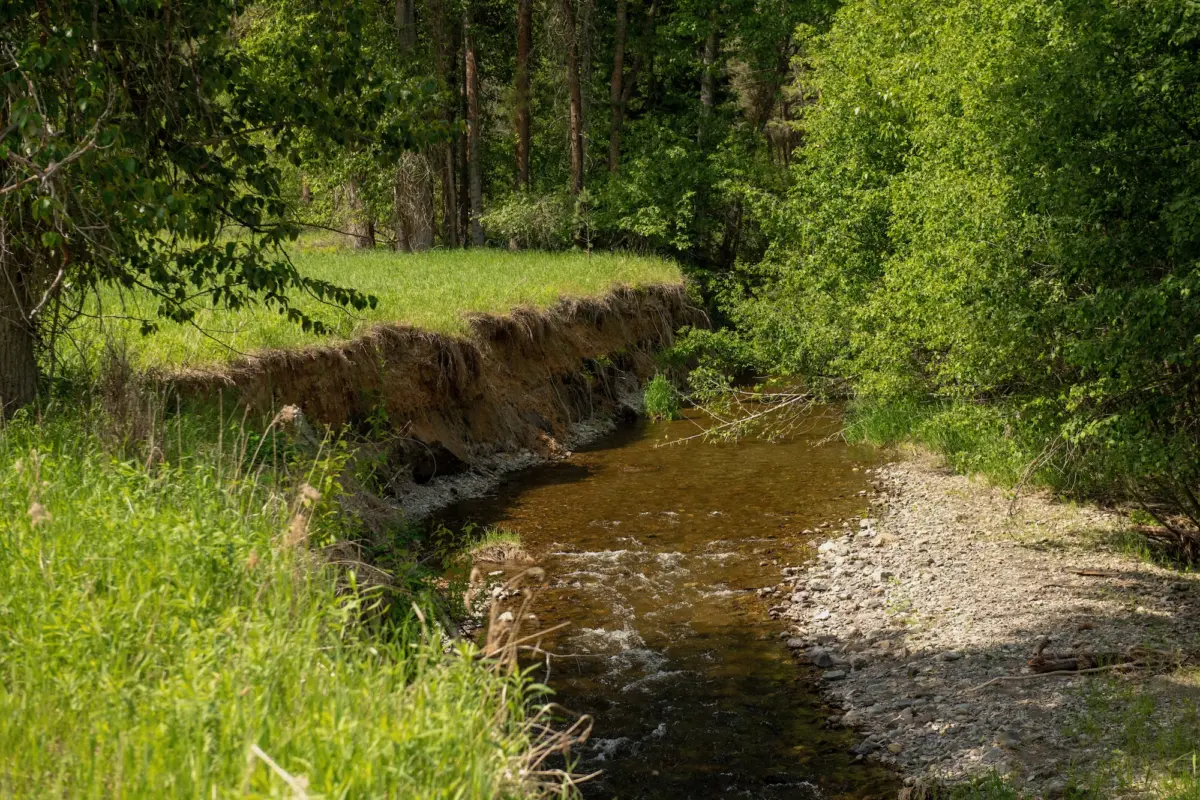
In the rugged landscape of Okanogan County, Washington, the abandoned Bodie Mine has stood for decades as a silent monument to the region’s industrial past. While its structures crumble and its tunnels remain dark, the environmental impact of the site remains dangerously active. For years, toxic tailings containing arsenic, lead, and mercury have eroded into the nearby Toroda Creek, threatening local ecosystems and water quality. Until recently, organizations like Trout Unlimited, which sought to remediate the site, were deterred by a complex web of federal liability laws that essentially treated any group attempting a cleanup as the "owner" of the pollution. This legal stalemate changed in 2024 with the passage of the Good Samaritan Remediation of Abandoned Hardrock Mines Act, a piece of legislation designed to provide a "shield" for well-intentioned third parties.
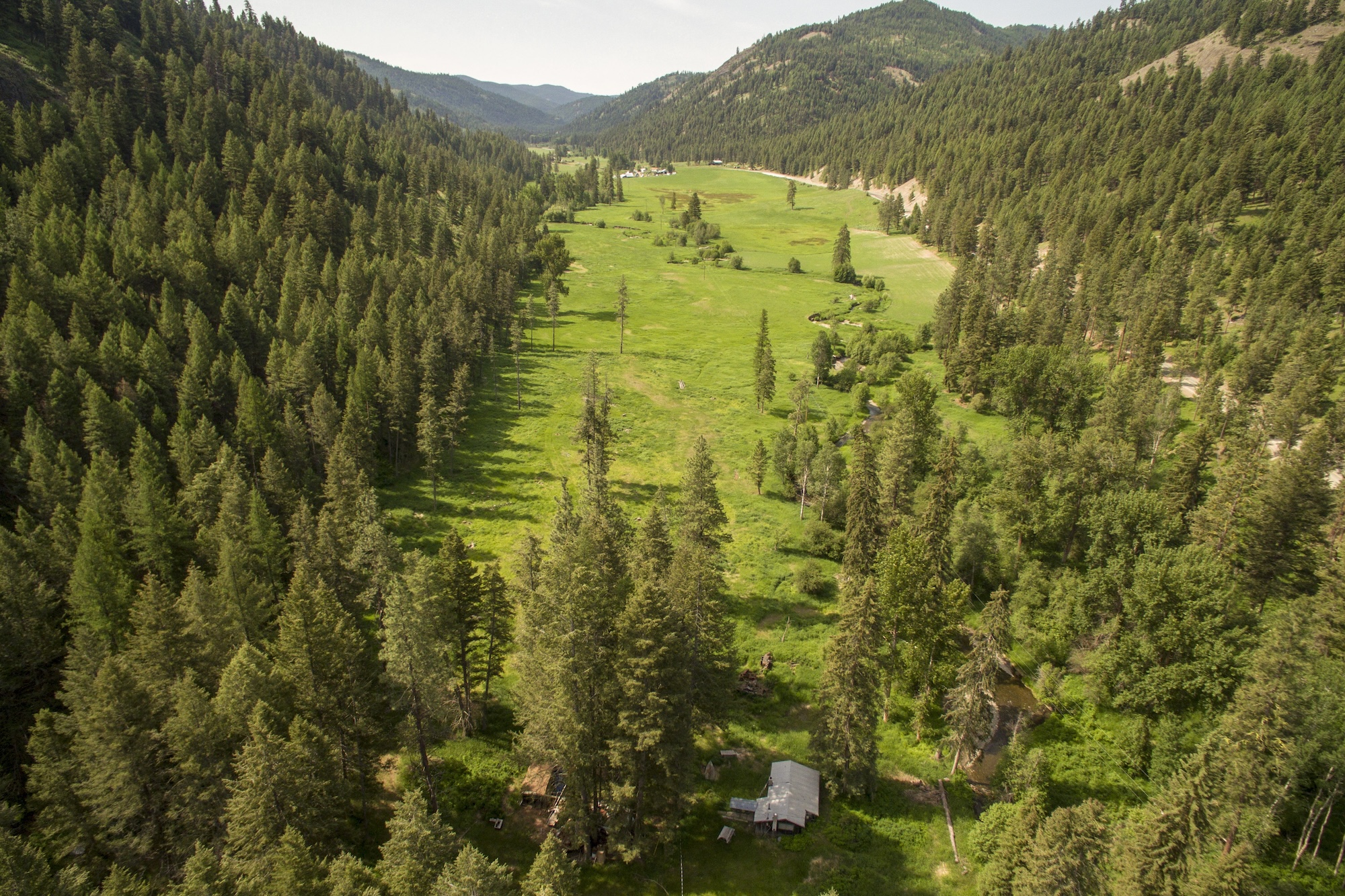
In September 2026, the United States Environmental Protection Agency (EPA) officially issued the first permit under this new law to Trout Unlimited. The Bodie Mine project serves as the inaugural pilot in a federal experiment to determine if liability protection can finally unlock the restoration of the estimated 500,000 abandoned mines scattered across the United States. While the project is a landmark achievement for conservationists, it also highlights the staggering scale of the nation’s abandoned mine problem and the significant financial and regulatory hurdles that remain.
The Liability Trap: Why Abandoned Mines Remained Untouched
For over a century, the primary obstacle to cleaning up abandoned hardrock mines—those that produced gold, silver, copper, and other minerals—was not a lack of will, but a fear of litigation. Under the Clean Water Act and the Comprehensive Environmental Response, Compensation, and Liability Act (CERCLA), also known as the Superfund law, any entity that begins a cleanup operation at a site discharging pollutants can be held legally responsible for that pollution in perpetuity.
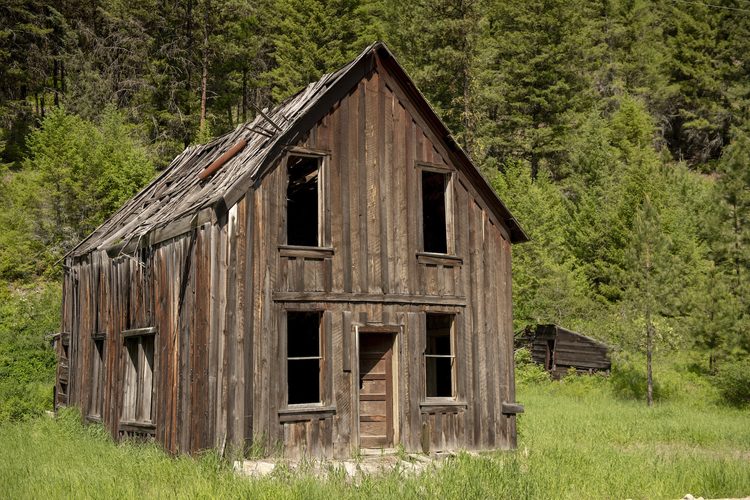
Conservation groups and state agencies often found themselves in a "Catch-22." If they stepped in to install water treatment systems or move toxic waste piles, they could be sued for any remaining discharge, even if their efforts significantly improved the overall health of the watershed. Corey Fisher, the public lands policy director for Trout Unlimited, noted that the legal framework effectively penalized those trying to fix problems they did not create. For decades, this led to a "hands-off" approach to thousands of sites that continued to leak acid mine drainage and heavy metals into American waterways.
The Good Samaritan Act of 2024 was designed to break this cycle. By providing a limited liability waiver, the law allows "Good Samaritans"—non-profits, state agencies, and local governments—to conduct remediation projects without the threat of being held liable for the mine’s entire environmental history. However, the law was passed with strict caveats to prevent mining companies from using the "Good Samaritan" label to reprocess old waste for profit under the guise of restoration.

The Bodie Mine Pilot: A Microcosm of Restoration
The Bodie Mine cleanup is the first of a maximum of 15 pilot projects authorized under the initial seven-year trial period of the Act. Though the project is small by industrial standards, its success is critical for the future of the legislation. The scope of work involves the removal of approximately 790 tons of contaminated tailings. These waste products are the crushed rock and processed materials left over from mining operations, which in the case of Bodie Mine, are rich in heavy metals.
Trout Unlimited estimates that the project will prevent roughly 104 tons of contaminated sediment from entering Toroda Creek annually. The $500,000 price tag for the project is being met through a combination of public and private funding, including contributions from the organization’s membership base. By removing these sediments from the streambank, the project aims to restore the natural flow of the creek and protect downstream fish populations, including trout and salmon species that are sensitive to heavy metal toxicity.

This project is classified as a "nonpoint source" cleanup, meaning the pollution is spread across the landscape rather than coming from a single pipe or ditch. Historically, these projects have been slightly easier to navigate legally than "point source" cleanups, but the Good Samaritan permit simplifies the process significantly, replacing years of laborious legal negotiations with a streamlined federal authorization.
A Chronology of U.S. Mining Regulation and the Road to Reform
The crisis of abandoned mines is rooted in the General Mining Law of 1872, a Civil War-era statute signed by President Ulysses S. Grant to encourage westward expansion. The law allowed miners to stake claims on public lands and extract minerals without paying royalties to the federal government or providing any plan for environmental reclamation. For over a century, miners could simply walk away from exhausted sites, leaving behind open shafts and toxic waste.

It was not until the 1970s that the U.S. began implementing modern environmental protections. The Clean Water Act (1972) and the Surface Mining Control and Reclamation Act (1977) introduced stricter standards, but they were largely focused on active operations or coal mining. Hardrock mining—the extraction of metals—remained largely exempt from the "polluter pays" mechanisms that were applied to the coal industry.
The push for a Good Samaritan law began in the late 1990s but faced repeated setbacks in Congress. Environmental advocates were often split; some feared that any relaxation of the Clean Water Act would set a dangerous precedent, while others argued that the status quo of "perfect being the enemy of the good" was allowing watersheds to deteriorate. The 2024 Act represents a compromise: a pilot program with a sunset clause, ensuring that the impact of the liability waivers can be studied before the law is made permanent.

The Funding Gap: A $60 Billion Challenge
While the Good Samaritan Act addresses the legal barriers to cleanup, experts warn that it does not solve the underlying financial crisis. The National Association of Abandoned Mine Land Programs estimates that the total cost to address the physical and environmental hazards of all abandoned mines in the U.S. exceeds $60 billion.
Current federal funding is a mere fraction of that amount. The Abandoned Hardrock Mine Reclamation Program, recently established to provide grants for these projects, receives approximately $5 million per year. At this rate, it would take thousands of years to address the national backlog of sites.
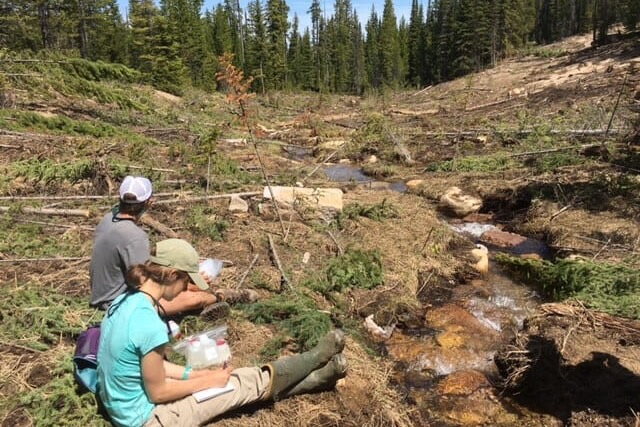
Aaron Mintzes, deputy policy director at Earthworks, points out that the U.S. is an outlier among mining nations for its lack of a royalty system. "The United States is the only nation in the world that receives zero royalties from hardrock mining," Mintzes stated. "As a result, there’s no polluter-pay funding mechanism for abandoned hardrock mine cleanup." In contrast, the coal industry pays into a dedicated fund that has successfully reclaimed thousands of sites across Appalachia and the Midwest.
The disparity is evident in states like Pennsylvania, which has utilized coal reclamation funds to build over 350 water treatment systems. While Pennsylvania has its own state-level Good Samaritan Act, officials there emphasize that the funding—not just the legal protection—is what drives large-scale restoration.

Implications for Point Source Pollution and Water Treatment
One of the most significant hopes for the federal Good Samaritan Act is that it will eventually allow third parties to tackle "point source" pollution. These are sites where acid mine drainage—a highly acidic, orange-tinted liquid—pours directly out of mine adits (horizontal tunnels) into rivers. Treating this water requires the construction of active or passive treatment plants, which are subject to the strictest regulations of the Clean Water Act.
Under current law, any group that builds a treatment plant must obtain a National Pollutant Discharge Elimination System (NPDES) permit. These permits require the water to be treated to extremely high standards, often equivalent to drinking water. For a non-profit or a small state agency, the cost and legal risk of maintaining such a facility are prohibitive. If the pilot projects under the Good Samaritan Act can demonstrate that "partial" treatment—improving water quality significantly even if it doesn’t reach perfect standards—is better than no treatment at all, it could revolutionize the restoration of Western rivers.

The Future of the Pilot Program
The EPA is currently looking for 14 additional projects to fill out the pilot program. While the Bodie Mine is the first, interest is reportedly growing among state mining agencies and conservation groups. Mike Bastach, a spokesperson for the EPA, indicated that the agency plans to have all 15 permits granted and active within the next two to three years.
The data gathered from these 15 sites will be presented to Congress at the end of the seven-year trial. Lawmakers will then have to decide whether to expand the program, let it expire, or modify it to include a more robust funding mechanism.

For organizations like Trout Unlimited, the Bodie Mine project is more than just a cleanup; it is a proof of concept. If successful, it will show that when the fear of litigation is removed, the path to environmental recovery becomes much clearer. However, as the sun sets over the clearing in Okanogan County, the 500,000 other abandoned mines across the country remain a reminder that the Bodie Mine is just the first step in a very long journey toward healing the American landscape.
The transition to clean energy—which requires a massive increase in the mining of minerals like lithium, copper, and cobalt—adds a layer of urgency to this issue. Proponents of the Good Samaritan Act argue that the industry cannot credibly move forward into a "green" future without first addressing the toxic legacy of its past. By proving that abandoned mines can be safely and effectively reclaimed, the Bodie Mine project may provide the momentum needed to turn a century of environmental neglect into a new era of responsible land stewardship.
