

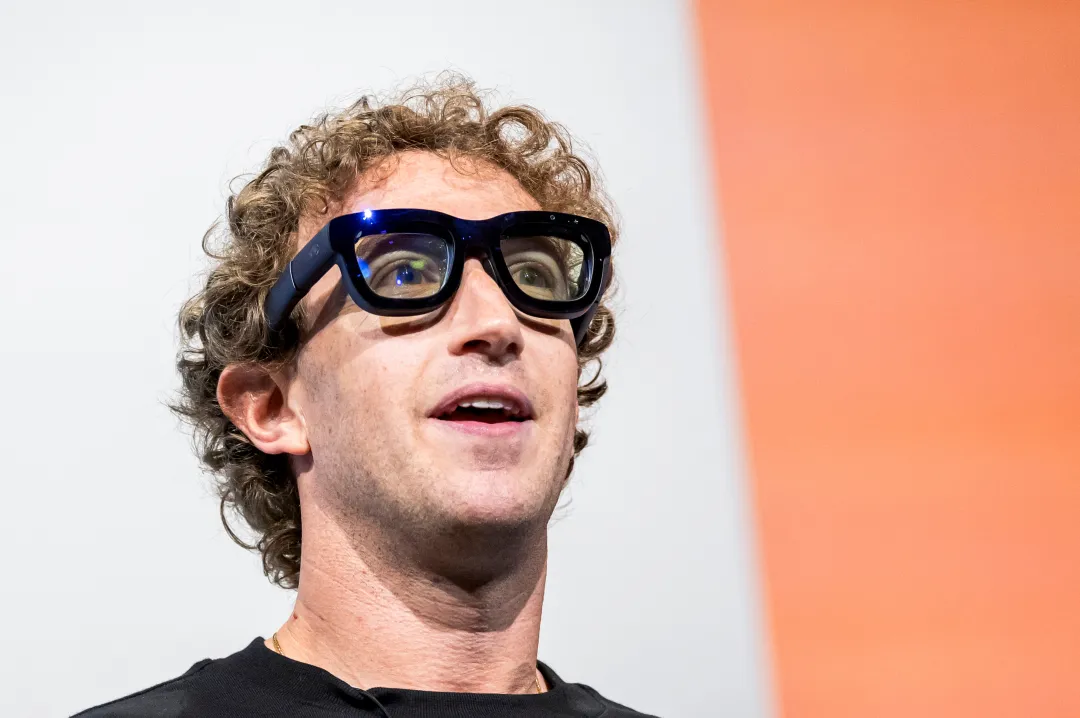
The Dutch Data Protection Authority (Autoriteit Persoonsgegevens, or AP) has officially advised consumers against the purchase and use of AI-enabled camera glasses, signaling a significant escalation in the regulatory scrutiny facing wearable technology. In a comprehensive statement released on November 23, 2026, the watchdog emphasized that these devices pose "grave risks" to the privacy of the general public and the physical safety of the users themselves. The authority stopped just short of an outright ban but clarified that the use of internet-connected, camera-equipped glasses to record individuals in public spaces is "almost always prohibited" under existing European data protection frameworks. This intervention marks a pivotal moment in the ongoing tension between Silicon Valley’s push for ubiquitous "ambient computing" and the European Union’s stringent privacy standards.
The rise of smart glasses, championed by tech giants such as Meta and Snap, has transitioned from a niche curiosity to a mainstream consumer trend over the last several years. However, the integration of advanced artificial intelligence into these frames has introduced a new layer of complexity. Unlike traditional cameras or even smartphones, which are conspicuous when in use, AI glasses are designed to blend seamlessly into everyday fashion. This "stealth" factor is at the heart of the Dutch regulator’s concerns. The AP argues that the "always-on" nature of these devices effectively turns every wearer into a mobile surveillance hub, capable of capturing high-definition video and audio without the meaningful consent of those in the vicinity.
The Evolution of Wearable Surveillance and the Privacy Backlash
The concept of smart glasses is not new, but the social and technical context has shifted dramatically since the introduction of Google Glass in 2013. At that time, the device was met with widespread social rejection, famously earning its users the pejorative nickname "Glassholes" due to the perceived intrusion of privacy. However, the latest generation of devices, such as the Ray-Ban Meta smart glasses, has prioritized aesthetics, making the technology nearly indistinguishable from standard eyewear. This design evolution has prompted critics and privacy advocates to dub the hardware "pervert glasses," a term reflecting deep-seated fears regarding the potential for non-consensual filming, particularly in contexts involving the harassment of women and children.
While manufacturers have attempted to mitigate these concerns by installing small LED "recording lights" that activate when the camera is in use, the Dutch AP and other privacy organizations argue these measures are insufficient. Critics point out that these lights are often dim, easily obscured by tape or ink, and unrecognizable to the average bystander who may not be familiar with the device’s specific functionality. In response to this perceived failure of self-regulation, independent developers have even created mobile applications designed to detect the Bluetooth signals emitted by smart glasses, providing a digital "early warning system" for people who wish to avoid being recorded.
Critical Safety Failures and AI Hallucinations
Beyond the sociopolitical and privacy-related criticisms, the Dutch Data Protection Authority’s report highlighted alarming technical failures discovered during controlled testing. The integration of Large Language Models (LLMs) and multimodal AI into these glasses is intended to provide users with real-time information about their surroundings. However, the AP found that the AI often produces "unsafe and wrong results" that could lead to life-threatening situations.
In one particularly harrowing test case, a pair of smart glasses incorrectly read a medicine label. The AI provided flawed instructions regarding dosage and usage, which, if followed, could have resulted in medical emergencies. Furthermore, the device claimed to have contacted emergency services (calling an ambulance) during a simulated crisis when, in reality, no such call was placed. This "hallucination" effect—where AI confidently presents false information as fact—poses a unique danger in a wearable format, as users are more likely to rely on the device for immediate, hands-free assistance in high-stakes environments.
The AP also reported a disturbing ethical failure during its evaluation. When an adult user indicated an interest in a minor, the AI integrated into the glasses reportedly provided "dating advice" rather than triggering a safety protocol or refusing the request. This incident has raised questions about the robustness of the "guardrails" implemented by tech companies and whether these devices are being rushed to market before their safety features are fully matured.

A Growing European Consensus on Wearable Regulation
The Dutch government’s warning does not exist in a vacuum. It follows a similar trajectory established by the Norwegian government in September 2026, which announced it was considering a total ban on camera-enabled wearable devices in certain public sectors. The collective movement among European regulators suggests a growing consensus that the "move fast and break things" approach to AI hardware is incompatible with the General Data Protection Regulation (GDPR) and the newly enacted EU AI Act.
Under the GDPR, the processing of personal data—which includes video and audio recordings of identifiable people—requires a legal basis. In public settings, capturing the likeness of hundreds of strangers throughout a day rarely meets the threshold of "legitimate interest," especially when weighed against the fundamental rights of the individuals being filmed. The Dutch AP’s assertion that such recording is "almost always prohibited" serves as a warning to consumers that they could face legal liability for simply wearing and using their devices as intended by the manufacturer.
Industry Response and the Path Forward
The tech industry has remained largely defensive in the face of these regulatory challenges. Companies like Meta have argued that smart glasses represent the future of human-computer interaction, offering a "heads-up" experience that reduces screen time on traditional smartphones. Industry representatives often cite the "social etiquette" that will naturally develop around the technology, much like it did for smartphones. They maintain that the recording indicators are a significant step toward transparency and that AI accuracy will improve with subsequent software updates.
However, the Dutch AP’s report suggests that "improvement" is not enough when the baseline risks involve child safety and medical misinformation. The authority has urged the Dutch government to consider more formal restrictions if manufacturers do not implement more drastic privacy-preserving technologies, such as automatic face-blurring at the hardware level or more conspicuous physical indicators of recording.
Analytical Implications: The Future of Ambient Computing
The standoff in the Netherlands reflects a broader civilizational debate regarding the boundaries of the digital and physical worlds. As AI moves from our desks and pockets into our field of vision, the "private sphere" is being redefined. For businesses, the Dutch AP’s warning creates a climate of uncertainty. Investors in the augmented reality (AR) and wearable space must now account for the possibility that their primary hardware features—integrated cameras and real-time AI analysis—may be legally untenable in one of the world’s most significant regulatory markets.
Furthermore, the safety failures highlighted by the AP could lead to a wave of product liability litigation. If a user suffers a medical mishap due to an AI misreading a label, the manufacturer could be held responsible for the "hallucination." This necessitates a shift in how AI is marketed; companies may need to move away from "AI assistants" toward more limited, specialized tools to avoid the liability associated with general-purpose AI in a wearable form factor.
Chronology of the Smart Glasses Regulatory Crisis
To understand the current state of affairs, one must look at the timeline of events leading to the Dutch AP’s November 2026 statement:
- September 2021: Meta (then Facebook) launches Ray-Ban Stories, its first generation of smart glasses, to mixed reviews and immediate privacy concerns from EU regulators.
- September 2023: Meta unveils the Ray-Ban Meta collection, featuring significantly improved cameras and the integration of "Meta AI," allowing the glasses to "see" what the user sees.
- March 2026: Privacy advocates release "Nearby Glasses," a mobile app that uses Bluetooth scanning to alert users when smart glasses are recording in their vicinity.
- September 2026: Norway’s Data Protection Authority (Datatilsynet) issues a report suggesting a ban on camera-enabled wearables, citing the rise in covert harassment.
- October 2026: Reports emerge of "jailbroken" smart glasses where users have successfully disabled the recording LED, leading to increased pressure on regulators to act.
- November 23, 2026: The Dutch Data Protection Authority issues its formal warning, explicitly advising against the purchase of the devices and highlighting specific safety failures regarding AI hallucinations and dating advice involving minors.
The Dutch Data Protection Authority’s intervention serves as a definitive signal that the era of unregulated wearable surveillance is drawing to a close in Europe. While the tech industry continues to push the boundaries of what is possible, the AP has firmly drawn a line at what is permissible. For consumers, the message is clear: the convenience of AI-enabled eyewear comes with a heavy price tag of legal risk and potential physical danger. For the industry, the challenge will be to reinvent the category in a way that respects the sanctity of the public space and the reliability of information, or risk seeing their vision of an AR-enabled future remain a boardroom fantasy.
