

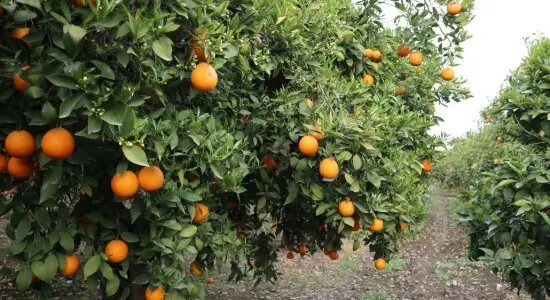
The investment landscape for agricultural assets and sustainable forestry is experiencing significant activity, with major players setting ambitious targets and new mandates emerging. Kempen, a prominent European asset manager, is reportedly aiming to raise €1 billion for its farmland fund as it concurrently expands its direct operational capabilities. This move signals a strategic shift towards greater control and value creation within its agricultural investments.
Kempen’s Ambitious Farmland Fund and Direct Operations Strategy
Kempen’s initiative to gather €1 billion for its farmland fund underscores a growing investor appetite for tangible assets that offer inflation hedging and long-term, stable returns. Farmland, historically a resilient asset class, has seen increased interest from institutional investors seeking diversification beyond traditional equities and bonds. The sector’s appeal is amplified by its role in global food security and the potential for sustainable practices to generate both financial and environmental returns.
The decision to expand direct operational capabilities alongside fundraising is a crucial development. Historically, many institutional investors have accessed farmland through indirect ownership structures, such as leasing land to established farming businesses. However, a direct operational approach allows asset managers like Kempen to exert greater influence over land management, implement best practices in sustainable agriculture, and potentially capture a larger share of the value chain. This could involve direct management of farming operations, investment in advanced agricultural technologies, and a more hands-on approach to land stewardship.
The expansion into direct operations suggests a sophisticated understanding of the agricultural sector’s complexities. It implies an investment in expertise, from agronomists and farm managers to specialists in supply chain logistics and sustainable farming techniques. This strategic pivot is likely driven by the recognition that active management can unlock significant alpha and mitigate risks associated with commodity price volatility, climate change impacts, and evolving regulatory landscapes.
Background Context: The Rise of Farmland as an Institutional Asset Class
Farmland has steadily evolved from a niche investment to a mainstream asset class for institutional investors over the past two decades. Factors contributing to this trend include:
- Demographic Shifts: A growing global population necessitates increased food production, creating a fundamental demand driver for agricultural land.
- Inflation Hedging Properties: Farmland, as a productive asset, tends to perform well during inflationary periods, as the value of agricultural output can rise alongside general price levels.
- Low Correlation with Traditional Assets: Agricultural returns have historically shown low correlation with stock and bond markets, offering valuable diversification benefits to institutional portfolios.
- ESG Considerations: Growing emphasis on Environmental, Social, and Governance (ESG) factors has positioned sustainable agriculture as an attractive investment theme. Farmland managed with a focus on soil health, water conservation, and biodiversity can align with investor mandates for positive impact.
- Yield Generation: Beyond capital appreciation, farmland can generate income through crop sales, livestock, or rental agreements, providing a steady stream of cash flow.
However, investing in farmland is not without its challenges. These include the illiquidity of the asset, the need for specialized knowledge in agricultural management, susceptibility to weather events and disease, and evolving land use policies. Kempen’s move towards direct operations suggests they are equipped to navigate these complexities.
Connecticut Pension Fund’s Commitment to Homestead Credit Fund
In parallel, the Connecticut Retirement Plans and Trust Funds (CRPTF) has committed $150 million to the Homestead credit fund. This significant allocation highlights the trust placed in the fund manager and the perceived attractiveness of its credit-focused strategy within the real estate or agricultural sector.
While the specific details of the Homestead credit fund are not provided in the excerpt, credit funds typically invest in debt instruments, such as loans or bonds, issued by companies or projects. In the context of real estate or agriculture, this could mean providing financing for property development, agricultural infrastructure, or working capital for farming operations.
A $150 million commitment from a public pension fund like CRPTF is a substantial vote of confidence. Public pension funds, with their long-term liabilities, often seek stable, income-generating investments that can preserve capital while providing steady returns. The commitment suggests that the Homestead credit fund likely offers a compelling risk-adjusted return profile, possibly by leveraging its expertise in a specific sector to underwrite debt that is attractive to institutional investors.
Background Context: The Role of Credit Funds in Real Estate and Agriculture
Credit funds play a vital role in providing essential capital to sectors that may face challenges accessing traditional bank financing, especially for specialized or growth-oriented projects. In real estate, credit funds can finance development pipelines, bridge loans for acquisitions, or provide mezzanine debt. In agriculture, they can support farmers with operational expenses, capital expenditures for machinery, or investments in land improvements.
The increasing complexity and capital intensity of modern agriculture, coupled with evolving lending practices by traditional banks, have created opportunities for specialized credit funds. These funds can offer tailored financing solutions that meet the specific needs of agricultural businesses, thereby contributing to the sector’s growth and resilience.
FMO’s Search for a Sub-Saharan Forestry Manager
The Dutch development bank FMO is actively seeking a sub-Saharan forestry manager for a $125 million fund. This initiative underscores the growing importance of sustainable forestry in emerging markets, particularly in Africa, and FMO’s commitment to supporting environmentally and socially responsible investments.
Forestry assets can offer attractive long-term returns, coupled with significant environmental benefits such as carbon sequestration, biodiversity conservation, and watershed protection. The demand for timber and wood products, driven by global population growth and urbanization, continues to underpin the economic rationale for forestry investments.
FMO’s focus on sub-Saharan Africa highlights the region’s vast, underutilized forest resources and the potential for sustainable forest management to contribute to economic development and climate change mitigation. By seeking a specialized manager, FMO aims to leverage local expertise and implement best practices in forest stewardship.
Background Context: Sustainable Forestry Investments in Emerging Markets
Sustainable forestry investments in emerging markets are gaining traction for several reasons:
- Climate Change Mitigation: Forests are critical carbon sinks, and investments in sustainable forestry can contribute significantly to global carbon reduction targets. This is particularly relevant in the context of carbon credits and sustainable finance initiatives.
- Economic Development: Sustainable forestry can create jobs, support local communities, and provide income streams through responsible harvesting and timber sales.
- Biodiversity Conservation: Well-managed forests are vital habitats for diverse ecosystems. Investments that prioritize conservation can deliver significant environmental co-benefits.
- Demand for Sustainable Timber: Growing consumer and corporate demand for sustainably sourced timber and wood products creates a market for responsibly managed forest assets.
- Investment Opportunities: Emerging markets often present more attractive land acquisition costs and growth potential compared to developed markets, albeit with higher perceived risks.
FMO’s role as a development finance institution is crucial in de-risking such investments and attracting private capital to these regions. Their involvement signals a commitment to ensuring that these forestry projects not only deliver financial returns but also adhere to high environmental and social standards.
Global Awards 2026: A Call for Entries
The announcement that entries for the Global Awards 2026 close on November 30th serves as a timely reminder for industry participants to prepare their submissions. While the specific nature of these awards is not detailed, such accolades typically recognize excellence, innovation, and significant achievements within a particular sector. In the context of the other news items, it is plausible these awards are related to investment, finance, agriculture, or sustainability.
These awards often play a crucial role in:
- Benchmarking Excellence: They provide a platform to identify and celebrate leaders and best practices within the industry.
- Driving Innovation: The pursuit of awards can incentivize companies to push the boundaries of what is possible.
- Enhancing Reputation: Winning or being nominated for prestigious awards can significantly boost a company’s credibility and market standing.
- Attracting Talent and Capital: A strong reputation built on industry recognition can make a company more attractive to potential employees and investors.
Broader Market Implications and Analysis
The confluence of these announcements points to several key trends shaping the investment landscape:
- The Maturation of Alternative Asset Classes: Farmland and forestry are no longer fringe investments but are increasingly integrated into institutional portfolios. The scale of Kempen’s fundraising and the Connecticut pension fund’s commitment illustrate this shift.
- Increased Demand for Direct Control and Value Creation: Kempen’s move towards direct operations signals a desire to capture more value and exert greater influence over investment outcomes, moving beyond passive ownership. This trend is likely to continue as investors seek to differentiate their portfolios and enhance returns.
- The Growing Importance of ESG and Sustainable Investing: FMO’s focus on sub-Saharan forestry and the general appeal of sustainable agriculture highlight the integration of ESG principles into investment strategies. Investors are increasingly looking for assets that deliver both financial and positive environmental/social impact.
- Specialized Expertise is Key: The successful deployment of capital in complex sectors like agriculture and forestry requires specialized knowledge and operational capabilities. The demand for experienced managers, as seen in FMO’s search, is a testament to this.
- The Role of Development Finance Institutions: Organizations like FMO are instrumental in catalyzing investment in emerging markets by de-risking projects and fostering sustainable development. Their involvement can unlock significant private sector capital.
- The Global Nature of Investment: While Kempen is European and Connecticut is in the US, FMO’s focus is on Africa, demonstrating the interconnectedness of global capital flows and the diverse geographical opportunities available.
Potential Future Developments and Analysis
The success of Kempen’s €1 billion farmland fund could spur further fundraising efforts in the sector, potentially leading to increased competition for prime agricultural land and greater adoption of advanced farming technologies. For investors, this could mean more opportunities but also potentially higher valuations.
The commitment from the Connecticut pension fund to the Homestead credit fund suggests a potential increase in debt financing availability for real estate and agricultural projects. This could accelerate development and expansion within these sectors, provided the underlying credit quality remains robust.
FMO’s initiative in sub-Saharan forestry is likely to encourage more investment in sustainable land management across the continent. This could have significant implications for climate change mitigation, local economies, and biodiversity preservation. It may also lead to the development of more sophisticated financing structures for forestry assets in emerging markets.
The Global Awards 2026, by celebrating achievements, will likely influence future strategies and investment decisions as companies strive to emulate successful models and innovative approaches.
In conclusion, the current investment climate is characterized by a strong interest in real assets with tangible value, a growing emphasis on sustainability, and the increasing sophistication of investment strategies. The moves by Kempen, the Connecticut pension fund, and FMO are indicative of these broader trends, shaping the future of capital allocation in agriculture, forestry, and beyond. The continued evolution of these sectors will be closely watched by investors seeking long-term, resilient, and impactful investment opportunities.
