

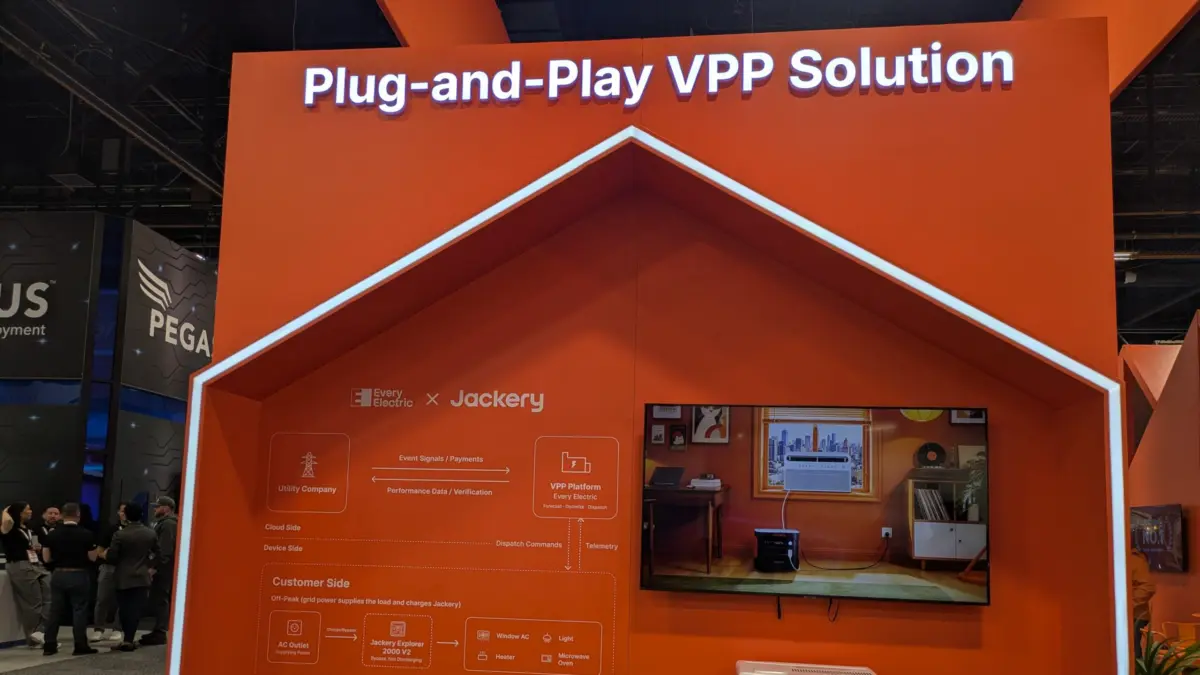
The landscape of urban energy management is undergoing a significant transformation as portable power leader Jackery and Brooklyn-based energy aggregator Every Electric have finalized a strategic partnership to debut the nation’s first plug-in Virtual Power Plant (VPP). Formally announced at the RE+ clean energy conference in Las Vegas, the initiative aims to address the unique energy challenges faced by New York City’s high-density residential sectors. By utilizing consumer-grade portable batteries to store and discharge energy during periods of peak demand, the program offers a scalable solution for grid stabilization that bypasses the traditional barriers to entry for apartment dwellers, such as high installation costs and restrictive building codes.
The Evolution of the Virtual Power Plant Model
A Virtual Power Plant is a cloud-based distributed power plant that aggregates the capacities of heterogeneous Distributed Energy Resources (DERs) for the purposes of enhancing power generation, as well as trading or selling power on the electricity market. Traditionally, VPPs have relied on large-scale assets such as rooftop solar arrays, electric vehicle (EV) fleets, or permanently installed home battery systems like the Tesla Powerwall. However, these solutions are often inaccessible to the millions of Americans living in multi-family housing units where structural modifications are prohibited and space is at a premium.
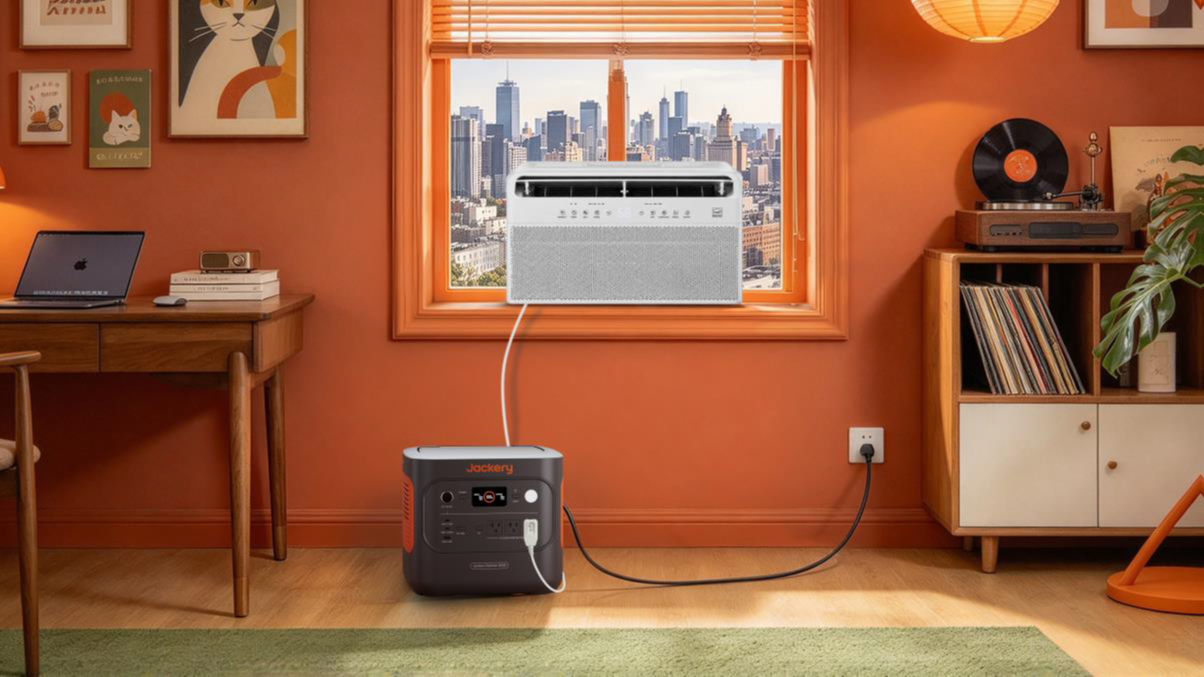
The Jackery and Every Electric partnership redefines this model by utilizing "plug-and-play" hardware. Instead of requiring a licensed electrician to wire a battery into a home’s main electrical panel, the program uses the Jackery Explorer 2000 v2, which connects directly to standard 120V wall outlets. This allows the system to be deployed in minutes, making it the most agile VPP infrastructure currently available in the United States.

Technical Specifications and Hardware Integration
At the heart of the program is the Jackery Explorer 2000 v2, a portable power station designed with automotive-grade Lithium Iron Phosphate (LFP) battery chemistry. LFP batteries are increasingly favored in residential settings due to their thermal stability and long cycle life, often rated for over 10 years of daily use. The Explorer 2000 v2 offers a capacity of 2,042 Wh and a continuous output of 2,200 W, with a surge capacity of 4,400 W.
The device’s integration into the VPP is managed through Every Electric’s proprietary software platform. The software monitors real-time grid conditions and communicates with the Jackery unit to automate energy management. During periods of low demand, typically overnight or during mid-day when solar production is high, the battery draws power from the grid. When demand peaks—usually during late afternoon heatwaves when air conditioning use surges—the battery discharges to power the connected appliance, such as a window air conditioning unit.
By discharging at the point of use, the battery effectively "shaves" the peak load from the grid. Because the energy does not flow back through the meter into the utility’s lines, the system avoids the complex permitting and interconnection agreements required for traditional "behind-the-meter" storage. This simplified architecture is a key driver behind the program’s rapid scalability.
Economic Incentives and Consumer Participation
The program is structured to provide immediate financial benefits to participants with zero upfront cost. Under the standard enrollment tier, customers receive the Jackery hardware for free and earn a passive income by allowing Every Electric to manage the battery’s charge and discharge cycles. For those looking for a higher return on investment, a second tier allows customers to purchase the battery at a subsidized price of $650. These owners can earn up to $250 annually in rebates and performance payments, potentially recouping their investment in less than three years.

Every Electric acts as the intermediary, aggregating the storage capacity of thousands of individual units and selling the combined "negawatts" (energy not consumed from the grid) to Consolidated Edison (Con Edison), the primary utility provider for New York City. The revenue generated from these utility-scale contracts is then distributed among the participants.
The trial phase of the program successfully utilized 2,000 batteries to prove the concept’s efficacy in real-world urban conditions. Following the success of the pilot, a larger rollout is scheduled for 2025. Demand for the program has already reached significant levels, with over 15,000 New York City households currently on the waitlist.
Comparative Cost Analysis: Plug-In vs. Utility-Scale BESS
One of the most compelling arguments for the plug-in VPP model is its cost-effectiveness relative to traditional utility-scale Battery Energy Storage Systems (BESS). According to data from the National Renewable Energy Laboratory (NREL), the national average for a fully installed utility-scale BESS in 2024 was approximately $334 per kilowatt-hour (kWh) of capacity. In high-cost environments like New York City, where labor, permitting, and real estate costs are significantly higher, this figure can escalate dramatically.
In contrast, the discounted Jackery Explorer 2000 v2 used in this program represents a cost of approximately $318 per kWh. Because the system requires no professional installation or specialized permitting, it effectively undercuts the price of utility-scale infrastructure while providing the added benefit of localized resiliency. Furthermore, traditional home batteries often require thousands of dollars in electrical upgrades; the plug-in VPP model eliminates these "soft costs" entirely.
Strategic Context: RE+ and the Shift Toward Distributed Resiliency
The announcement of the Jackery-Every Electric partnership at RE+ in Las Vegas highlights a shifting priority within the clean energy sector. While much of the conference focused on the massive energy demands of AI-driven data centers, the plug-in VPP represents a push toward "Power to the People"—decentralizing energy benefits to individual households.
Industry analysts note that while data centers can leverage the Clean Electricity Investment Tax Credit (Section 48) to cover up to 50% of their storage costs, residential renters have historically been excluded from such incentives. This VPP bridge the gap, allowing apartment dwellers to contribute to carbon reduction goals while gaining a layer of emergency preparedness. In the event of a localized blackout, the Jackery units can be disconnected from the VPP and used as a backup power source for essential devices like medical equipment, smartphones, or refrigerators.
Regulatory Drivers: Local Law 97 and NYC’s Green Mandate
The timing of this rollout coincides with the tightening of New York City’s environmental regulations. Under Local Law 97 (LL97), buildings over 25,000 square feet are required to meet strict greenhouse gas emission limits starting in 2024, with even more stringent targets set for 2030. Property owners who fail to comply face substantial fines.
While LL97 primarily targets building systems like boilers and lighting, the deployment of distributed storage can assist in overall building efficiency. By reducing the peak demand of individual apartments, a building’s total load profile becomes more manageable, potentially helping property managers stay within their emissions caps.

Furthermore, New York City’s fire codes are among the most stringent in the world, often making the installation of large-scale lithium-ion batteries in residential basements a regulatory nightmare. The use of smaller, portable, and safety-certified LFP units provides a workaround that satisfies safety concerns while still achieving the desired grid-balancing effects.
Future Implications and Scalability
While the current program focuses on 120V window air conditioners—a ubiquitous feature of the New York City summer landscape—the potential for expansion is vast. Jackery has already signaled interest in incorporating 240V portable units into future iterations of the VPP. These larger units could support higher-draw appliances such as heat pumps or electric ranges, facilitating the broader electrification of older buildings without the need for expensive service upgrades to the building’s electrical backbone.
The success of the New York City model will likely serve as a blueprint for other high-density urban areas with volatile electricity pricing and aging infrastructure, such as Boston, Chicago, and San Francisco. As the "missing middle" of energy storage—the renters and apartment dwellers—finally gains access to the clean energy economy, the aggregate impact on grid stability and carbon reduction could be profound.
As the program moves toward its full-scale rollout in 2025, the partnership between Jackery and Every Electric stands as a testament to how consumer technology, when coupled with innovative software aggregation, can solve systemic infrastructure problems. By turning a simple household appliance into a grid-stabilizing asset, the plug-in VPP offers a vision of a more resilient, equitable, and efficient urban energy future.
