

The Guiding Stars nutrition guidance program marks its 20th anniversary this year, representing a significant milestone in the effort to translate complex nutritional science into actionable consumer data. Since its inception in 2006, the program has transitioned from a localized retail initiative into a sophisticated, multi-sector system utilized by grocery chains, educational institutions, hospitals, and corporate workplaces across North America. This two-decade journey highlights a persistent tension in the American food landscape: the conflict between fleeting, often commercially driven dietary fads and the steady, evidence-based progression of public health science. As the program enters its third decade, its evolution reflects broader shifts in how society understands the relationship between diet, chronic disease prevention, and the social determinants of health.
The necessity for such a program is underscored by the sheer scale of the American weight loss and wellness industry. Valued at more than $300 billion annually, this sector encompasses everything from specialized meal plans and cookbooks to behavioral coaching and supplements. However, public health experts note that despite this massive expenditure, consumer health outcomes remain precarious. Current data from the Centers for Disease Control and Prevention (CDC) indicates that more than 60 percent of American adults live with at least one chronic disease, and 40 percent manage two or more. Many of these conditions, including type 2 diabetes and heart disease, are directly influenced by long-term nutritional patterns.
The Social Determinants of Nutritional Health
The challenge of healthy eating is rarely a simple matter of individual willpower. Public health research has increasingly focused on the "social determinants of health," which include income levels, time constraints, geographic proximity to grocery stores (the "food desert" phenomenon), and literacy regarding nutritional labeling. For many shoppers, the grocery store is a site of information overload. Conflicting marketing claims, such as "all-natural," "low-fat," or "heart-healthy," often obscure the actual nutrient density of a product.
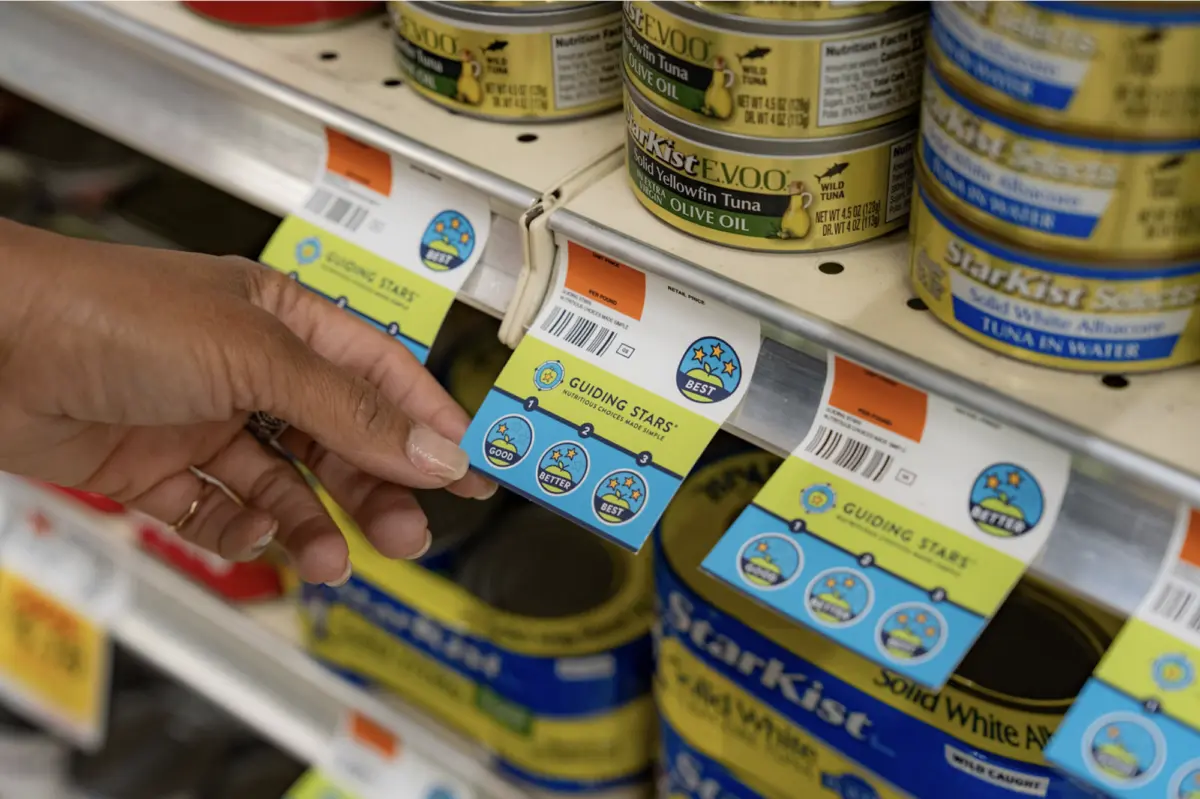
Guiding Stars was developed specifically to mitigate this confusion. By utilizing a patented algorithm developed by an independent scientific advisory panel, the program evaluates food items based on a transparent set of criteria. Products earn one, two, or three stars—indicating good, better, or best nutritional value—based on the presence of health-promoting ingredients like fiber, whole grains, and Omega-3 fatty acids, versus components to limit, such as added sugars, saturated fats, sodium, and artificial colors.
2000–2010: The Low-Carb Resurgence and the Launch of Clarity
The early 2000s were defined by a massive resurgence in low-carbohydrate dieting, most notably the Atkins and South Beach diets. While these programs varied in their specifics, they shared a common theme of restrictive eating that often contradicted federal dietary guidelines. The 2005 Dietary Guidelines for Americans emphasized a balanced approach, advocating for nutrient-dense foods across all groups, including fiber-rich fruits and whole grains—items often shunned by strict low-carb adherents.
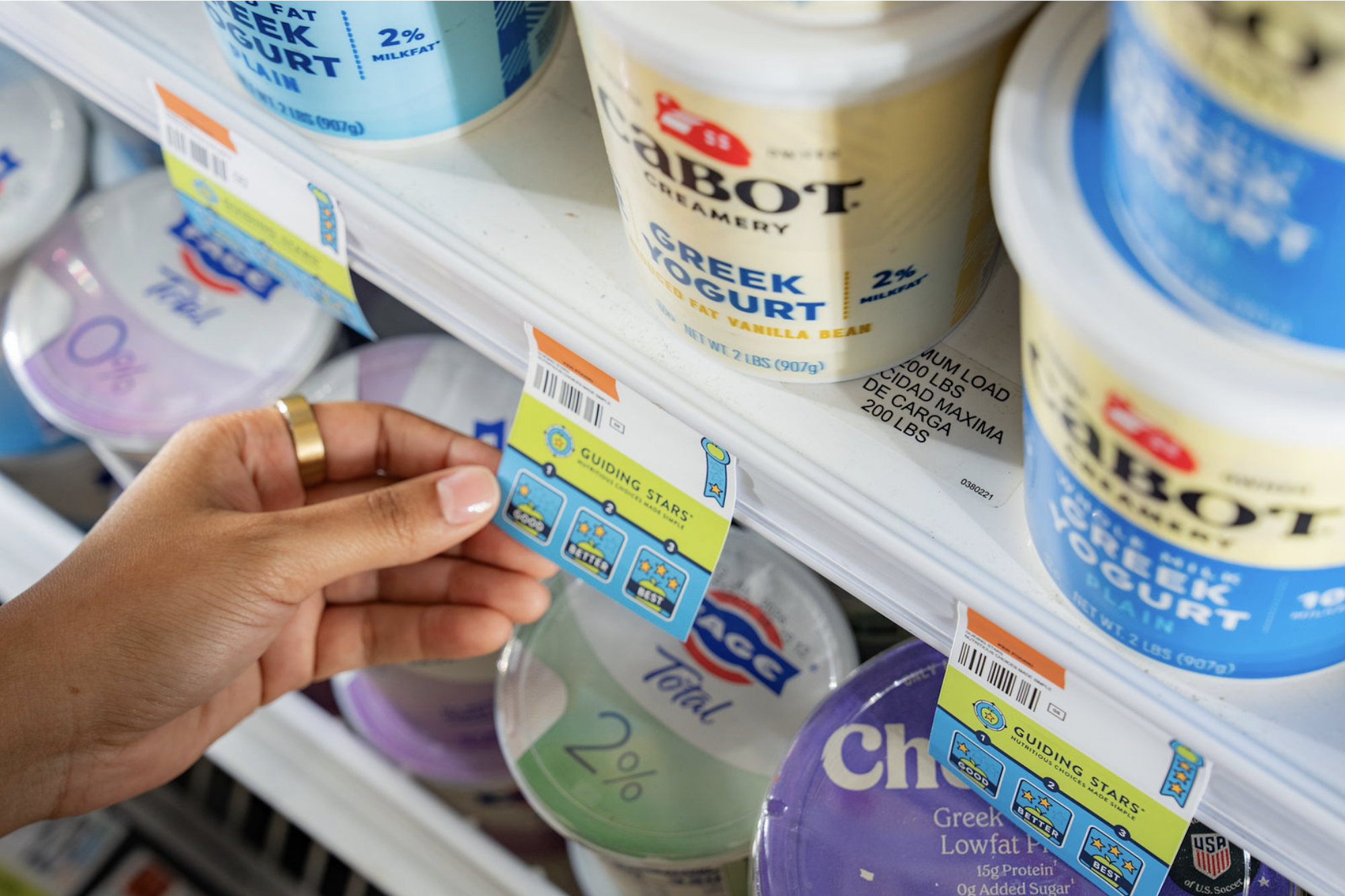
In 2006, a landmark Food and Health Survey by the International Food Information Council (IFIC) revealed a profound level of public confusion. Only one-third of respondents believed the health information they received was consistent. Many reported avoiding foods recommended by health authorities because of trending diet advice. It was in this climate of uncertainty that Guiding Stars launched its first on-shelf tags.
The program’s impact was immediate. By 2009, the U.S. Surgeon General cited Guiding Stars as a model for improving nutrition during the CDC’s inaugural Conference on Obesity Prevention. This recognition validated the program’s core philosophy: that simplifying the "choice architecture" of a grocery store could lead to measurable improvements in public health.
2010–2015: Ancestral Eating and the MyPlate Transition
The early 2010s saw a shift toward "ancestral" eating patterns, most notably the Paleolithic (Paleo) diet. This trend encouraged consumers to cut out grains and legumes in favor of meats, nuts, and seeds. Simultaneously, the "juice cleanse" phenomenon took hold, driven by social media influencers promising rapid detoxification. Healthcare professionals, however, warned that these crash diets lacked essential fibers and could lead to nutrient deficiencies.
During this period, the U.S. Department of Agriculture (USDA) replaced the long-standing "Food Pyramid" with "MyPlate," a simpler visual guide designed to show consumers that half their plate should consist of fruits and vegetables. Guiding Stars mirrored this evolution toward simplicity and transparency. In 2013, research published in the journal Food Policy confirmed the efficacy of this approach. The study found that Guiding Stars’ front-of-pack and shelf-tag scoring significantly shifted consumer demand toward more nutritious options, proving that when shoppers are given clear data, they tend to make healthier choices.
To maintain scientific integrity, the Guiding Stars scientific advisory panel amended its algorithm during this era to implement stricter limits on added sugars. "The algorithm is reviewed and adjusted as needed to ensure that we remain consistent with the most current nutrition recommendations," noted dietitian Leslie Fischer, PhD, a member of the advisory panel. This commitment to "living" science allowed the program to remain relevant even as federal guidelines evolved.
2015–2020: The Plant-Based Meat Boom and Eating Patterns
The mid-to-late 2010s were characterized by the "plant-based meat craze." Upstart brands utilized food technology to create meat alternatives that appealed to "flexitarians"—consumers looking to reduce meat intake without sacrificing taste. While these products were marketed as healthier alternatives, many were highly processed and contained high levels of sodium.
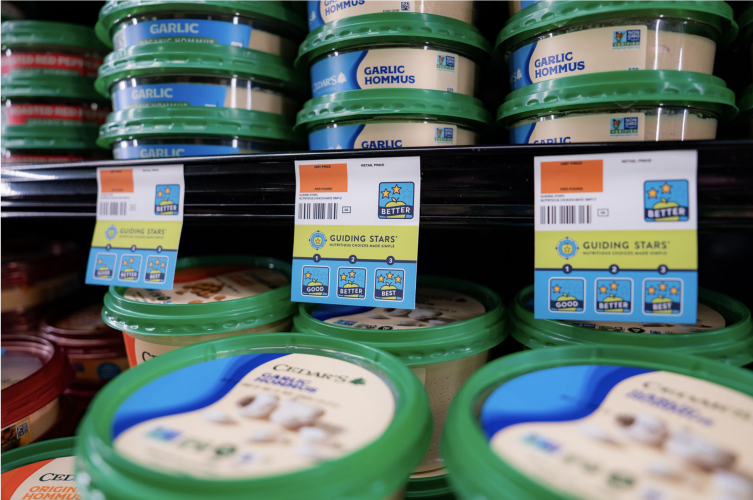
This era coincided with the 2015 Dietary Guidelines for Americans, which moved away from focusing on individual nutrients to emphasizing overall "eating patterns." This shift acknowledged that health is the result of cumulative choices rather than a single "superfood" or a single "bad" ingredient. Guiding Stars adapted by updating its scoring for dietary cholesterol and Omega-3 fatty acids, ensuring that its ratings reflected the latest consensus on heart health and healthy fats. By this time, the program had expanded its footprint to over 2,400 stores across 22 U.S. states and parts of Canada, becoming the largest nutrition guidance program in North America.
2020–Present: Gut Health, GLP-1s, and the Future of Guidance
The current decade has seen a pivot toward "functional" nutrition, focusing on gut health, the microbiome, and fermented foods. Simultaneously, the rise of GLP-1 receptor agonists like Ozempic and Mounjaro has fundamentally changed the conversation around weight loss, moving it from a purely behavioral framework to a medicalized one. Despite these shifts, the fundamental need for high-quality nutrition remains. Even patients on weight-loss medications require nutrient-dense diets to maintain muscle mass and metabolic health.
In response to the evolving beverage market—including the explosion of energy drinks and functional waters—Guiding Stars launched a dedicated beverage algorithm in 2022. Subsequent updates in 2023, 2024, and 2025 have refined guidance on non-nutritive sweeteners and infant/toddler nutrition, aligning with the most recent federal dietary guidelines.
Analysis of Implications and Broader Impact
The 20-year history of Guiding Stars provides a clear case study in the power of data-driven public health interventions. The program’s success suggests three major implications for the future of nutrition:
- Translation is Key: Scientific consensus is often trapped in academic journals. Programs that can translate that science into a "one-second" visual cue (like a star rating) are essential for bridging the gap between knowledge and behavior.
- Algorithm Transparency Builds Trust: Unlike proprietary marketing labels, the Guiding Stars algorithm is based on public, peer-reviewed standards from organizations like the World Health Organization (WHO) and the National Academy of Sciences. This transparency is vital in an era of "greenwashing" and "health-washing."
- Institutional Integration: The expansion of the program into schools and hospitals indicates that nutrition guidance is no longer just a retail tool; it is becoming a standard component of institutional wellness.
As Guiding Stars looks toward the next twenty years, the integration of digital technology—such as mobile apps and online grocery interfaces—will likely play a central role. While food fads will undoubtedly continue to cycle through the public consciousness, the foundation of evidence-based guidance remains the most reliable tool for navigating the complex modern food environment. By maintaining a rigorous, science-first approach, the program continues to provide a stable reference point in an ever-changing marketplace, proving that while diets may fizzle out, sound nutrition science remains the "guiding star" for long-term health.
