


The landscape of American nutrition has undergone a radical transformation over the last twenty years, shifting from the restrictive low-carb mandates of the early 2000s to the complex, biological discussions surrounding gut health and GLP-1 medications today. Amidst this flux, the Guiding Stars nutrition guidance program marks its 20th anniversary, offering a lens through which to view the evolution of evidence-based dietary science. Since its inception in 2006, the program has transitioned from a localized retail initiative into a nationally recognized system utilized by grocery chains, hospitals, schools, and workplaces. Its longevity serves as a counter-narrative to the "fad diet" industrial complex—a sector of the U.S. economy now valued at more than $300 billion annually.
While weight loss programs and cookbooks represent a massive commercial enterprise, public health experts emphasize that what individuals eat is frequently dictated by factors beyond personal willpower. The social determinants of health—including income levels, geographic proximity to grocery stores, and available time for meal preparation—play a primary role in nutritional outcomes. In this context, the mission of Guiding Stars has been to provide a bridge between complex, often-conflicting scientific data and the practical, split-second decisions made by consumers in grocery aisles. By utilizing a patented algorithm that rates food based on nutrient density, the program has sought to demystify health claims that are often obscured by marketing trends.
The 2000s: From Low-Carb Mania to Scientific Standardization
The early 2000s were defined by a resurgence of the "Low-Carb Craze," a trend that traced its roots back to Dr. Robert Atkins’ 1972 publication, Dr. Atkins’ Diet Revolution. While the diet had been popular in the 1970s, it reached a cultural zenith in the mid-2000s, leading to a proliferation of "net carb" labeling and a sudden consumer aversion to bread, pasta, and fruit. In 2003, Dr. Arthur Agatston’s The South Beach Diet further refined this trend by distinguishing between "good" and "bad" carbohydrates, emphasizing the glycemic index.
However, as millions of Americans began eliminating entire food groups, federal nutrition guidance remained focused on balance. The 2005 Dietary Guidelines for Americans emphasized nutrient density and the importance of whole grains, fiber-rich fruits, and vegetables—advice that stood in direct opposition to the more extreme low-carb protocols. This disconnect created a vacuum of consumer trust. According to the inaugural Food and Health Survey released by the International Food Information Council (IFIC) in 2006, only one-third of Americans believed the health information they received was consistent. Many reported avoiding foods recommended by the government because popular trends suggested they were unhealthy.
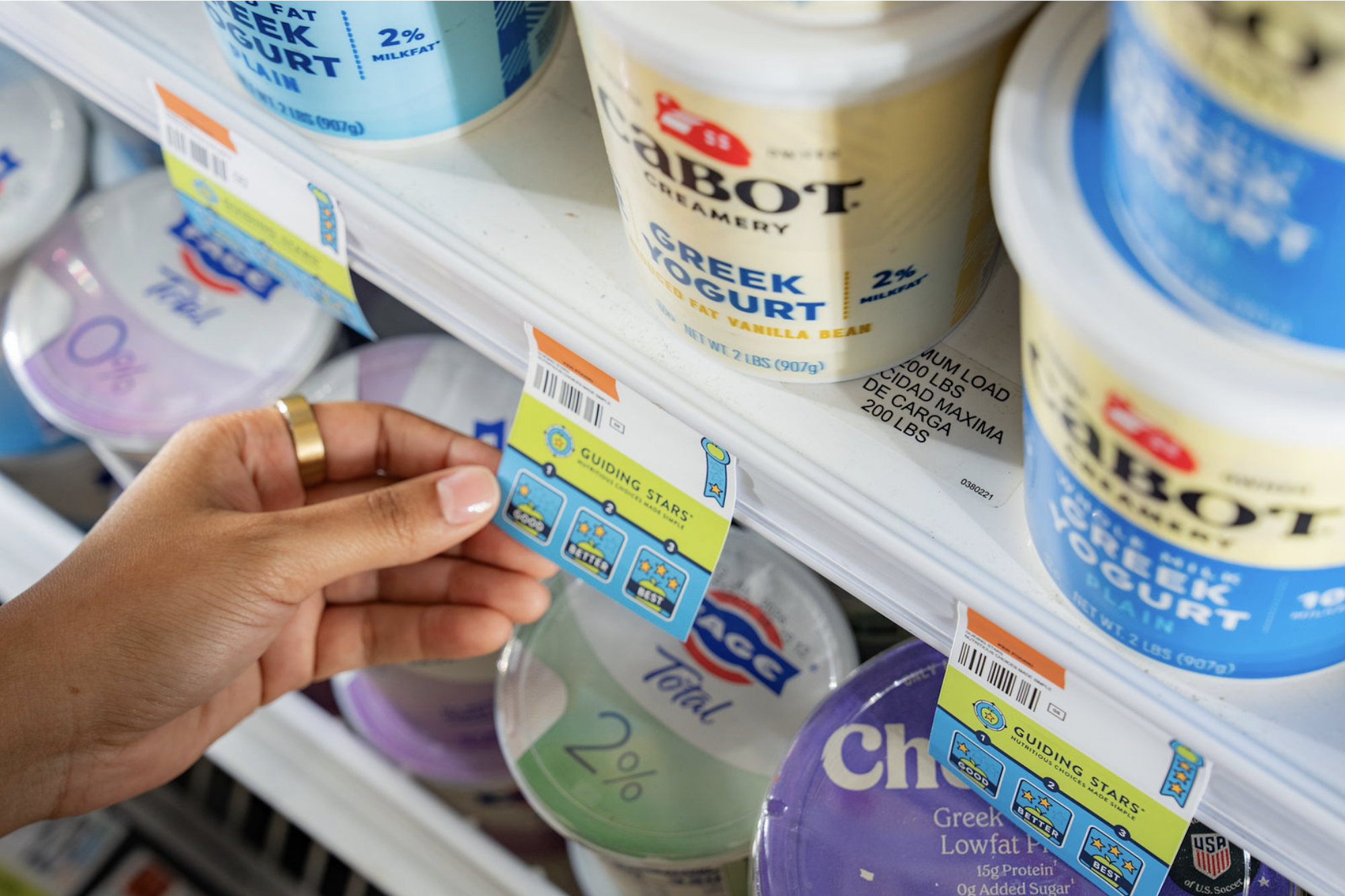
Recognizing this confusion, Guiding Stars launched in 2006 as the first on-shelf nutrition rating program of its kind in the United States. Developed by an independent scientific advisory panel, the program’s algorithm was designed to translate the 2005 federal guidelines into a simple visual cue. Foods were rated with one, two, or three stars—indicating "good," "better," or "best" nutritional value—based on their content of vitamins, minerals, fiber, and whole grains versus saturated fats, trans fats, cholesterol, and added sodium. By 2009, the program had gained enough traction that the U.S. Surgeon General cited it as a successful model for improving nutrition at the Centers for Disease Control and Prevention’s (CDC) Conference on Obesity Prevention.
The Early 2010s: Ancestral Eating and the Juice Cleanse Boom
As the low-carb trend matured, the early 2010s ushered in a fascination with "ancestral eating" and "detoxification." The Paleolithic (Paleo) diet gained mainstream traction, encouraging consumers to eat like hunter-gatherers by cutting out legumes, dairy, and grains. Simultaneously, the "juice cleanse" became a social media phenomenon, marketed as a way to "reset" the body, despite warnings from healthcare professionals that such crash diets could lead to nutrient deficiencies and metabolic stress.
Scientific guidance during this era moved toward simplifying the visual representation of a healthy meal. In 2011, the USDA replaced the long-standing "Food Pyramid" with "MyPlate," a graphic divided into four sections—vegetables, fruits, grains, and protein—with a side of dairy. The 2010 Dietary Guidelines for Americans, which informed MyPlate, placed a renewed emphasis on reducing sodium and saturated fat while increasing seafood and low-fat dairy intake.
Guiding Stars adapted its algorithm during this period to reflect these shifts. The program’s scientific advisory panel, which includes dietitians and PhD-level nutritionists, began implementing more conservative limits on added sugars. This was a critical pivot, as emerging research began to link high sugar consumption more definitively to obesity and type 2 diabetes. A 2013 study published in the journal Food Policy by researchers from the USDA confirmed the efficacy of this approach, finding that front-of-pack and shelf-tag nutrition scoring significantly shifted consumer demand toward more nutritious food choices.
The Mid-to-Late 2010s: The Plant-Based Meat Revolution
The latter half of the 2010s was characterized by a massive surge in plant-based meat alternatives. Startups utilized food technology to create burgers and sausages that mimicked the taste and texture of animal protein, appealing to "flexitarians" concerned about environmental sustainability and animal welfare. By 2019, an IFIC survey found that over 70 percent of Americans had tried plant-based meat, though many did so out of curiosity rather than long-term dietary commitment.
Scientifically, the 2015-2020 Dietary Guidelines for Americans introduced a significant paradigm shift: a focus on "eating patterns" rather than individual nutrients. Instead of viewing a single food in isolation, the guidelines encouraged looking at the "total package" of a person’s diet over time. This holistic approach recognized that healthy eating is an adaptable framework that can fit various cultural preferences and budgets.
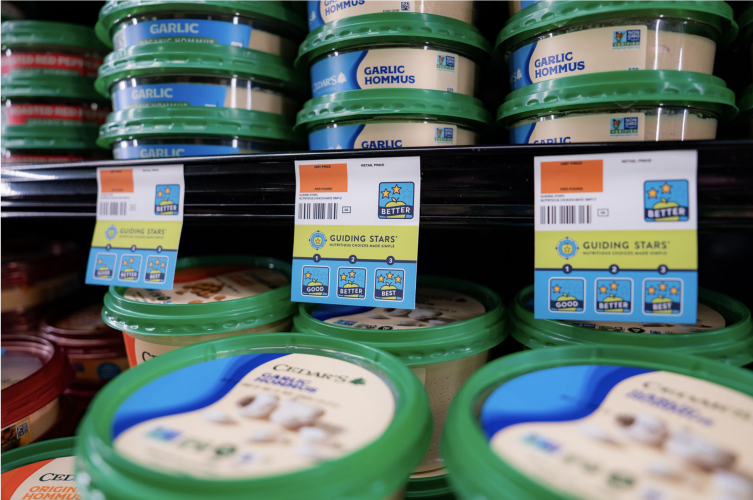
In response, Guiding Stars updated its algorithm to refine how it scored dietary cholesterol and Omega-3 fatty acids. As the program expanded to over 2,400 stores across 22 states and parts of Canada, it became a primary tool for researchers studying consumer behavior. Peer-reviewed studies in both the U.S. and Canada consistently showed that the presence of the star ratings helped consumers navigate the "health halo" of marketing—particularly in the plant-based meat category, where high sodium and processing levels sometimes offset the benefits of a meat-free protein source.
The 2020s: Gut Health, GLP-1s, and the Crisis of Chronic Disease
The current decade has seen the rapid rise of the ketogenic (Keto) diet, a high-fat, ultra-low-carb regimen that has largely supplanted the original Atkins model. However, the conversation has recently shifted toward the microbiome and gut health, with a focus on fermented foods, prebiotics, and probiotics. Most significantly, the 2020s have seen the cultural and medical rise of GLP-1 receptor agonists like Ozempic and Mounjaro, which have changed the narrative of weight management from one of "discipline" to one of biological regulation.
Despite these medical advancements, the U.S. remains in the midst of a public health crisis. CDC data indicates that more than 60 percent of American adults suffer from at least one chronic disease, such as heart disease, cancer, or diabetes, and 40 percent have two or more. The economic burden of these diet-related conditions is measured in hundreds of billions of dollars in healthcare costs and lost productivity.
In the face of these challenges, Guiding Stars has continued to accelerate its scientific updates. In 2022, the program launched a dedicated beverage algorithm to address the unique nutritional profile of drinks, including the impact of non-nutritive sweeteners. Further updates in 2023, 2024, and 2025 have aligned the program with the newest research regarding infant and toddler nutrition and the evolving understanding of ultra-processed foods.
Impact and Broader Implications for the Future
As Guiding Stars enters its third decade, the program’s evolution highlights a fundamental truth in public health: while fads are fleeting, the necessity of evidence-based guidance is permanent. The program’s success is built on the transparency of its algorithm, which is regularly reviewed to match the USDA’s five-year update cycle for federal dietary guidelines.
The broader implications of this 20-year journey are significant for the retail and healthcare sectors. As more retailers adopt "food as medicine" initiatives, the ability to provide objective, third-party nutrition ratings becomes a competitive advantage. For consumers, the simplicity of the "stars" provides a defense against "greenwashing" and misleading packaging claims.
Looking forward, the scientific advisory panel for Guiding Stars has already begun reviewing the most recent federal updates to ensure that the icons on grocery shelves remain a reflection of the latest consensus in nutrition science. In an era where social media influencers often wield more power than medical professionals in shaping diet trends, the role of standardized, evidence-based systems like Guiding Stars is more critical than ever. The program’s 20-year history proves that while the "what" of nutrition may change as science advances, the "how"—providing clear, accessible, and honest information—remains the most effective tool for improving public health.
