

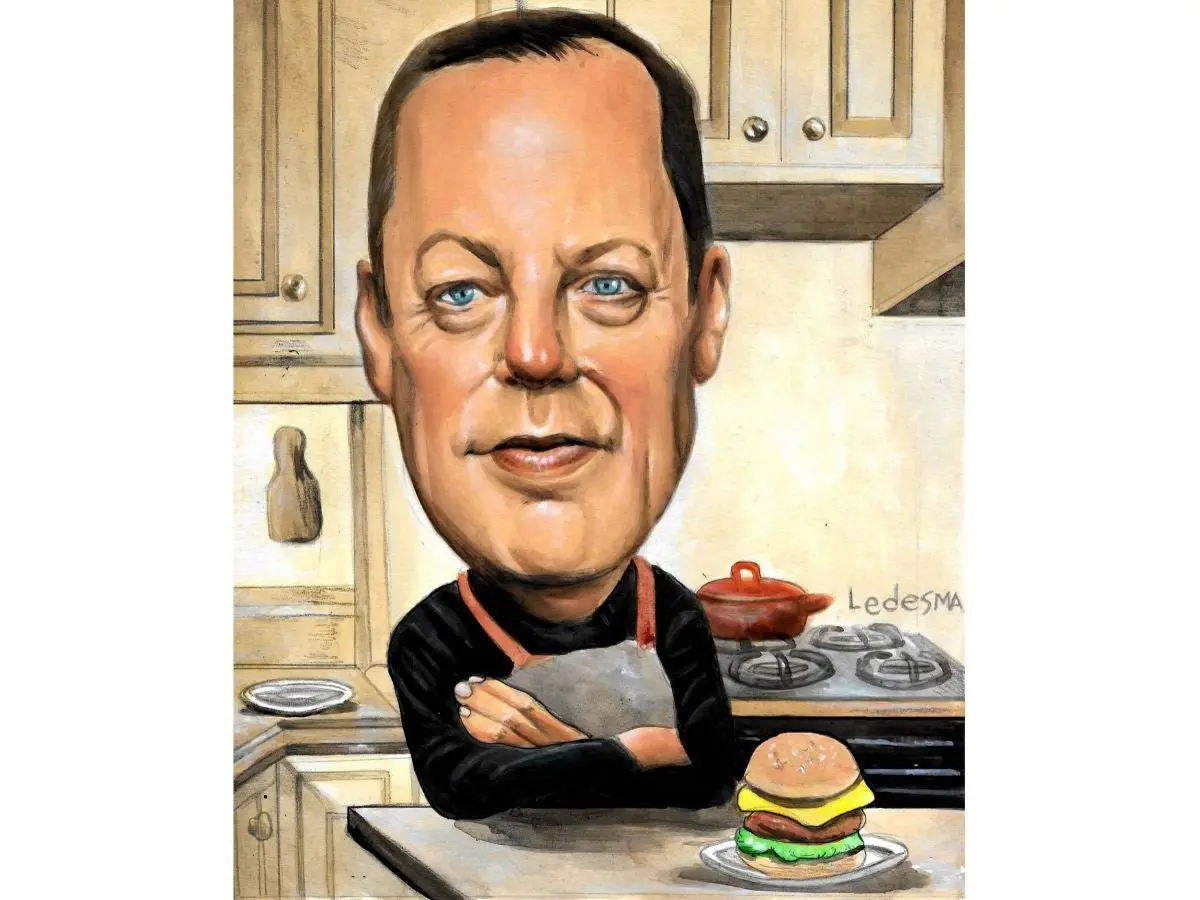
On a crisp Friday afternoon, the usually tranquil high street of Burford, a picturesque Cotswold town, hummed with activity. This scene, however, was a stark contrast to the challenging period of the COVID-19 pandemic, during which the proprietor, Matthew Freud, observed a concerning number of vacant storefronts. Freud, a figure synonymous with public relations mastery and unparalleled connections across British society, has undertaken a significant revitalization project in Burford, centered around the historic Bull, a 16th-century pub transformed into a boutique hotel. His venture into hospitality, while new to him as an operator, draws on his past involvement with prominent establishments like Pharmacy, Quo Vadis, and the Groucho Club, demonstrating his keen understanding of how a successful hub can dramatically alter a locality’s atmosphere.
Freud’s foray into Burford extends beyond the Bull. His burgeoning empire in the town now includes another pub with rooms, the Highway Inn, and a curated parade of shops, housing everything from a sweet shop to an art gallery. This strategic expansion reflects a broader vision for community regeneration and the creation of desirable destinations. The initiative began in earnest around 2008 when Freud, alongside his then-wife Elisabeth Murdoch, acquired a Jacobean former priory for approximately £6.5 million. This significant investment underscores his long-term commitment to the area and his belief in its potential.
The Genesis of a Vision: Revitalizing Burford
The transformation of Burford, particularly in the wake of the pandemic’s economic impact, highlights Freud’s ability to identify and capitalize on opportunities for localized economic uplift. "During Covid, when he decided to take on the project, there were ’17 empty shops on the high street’," the proprietor noted, emphasizing the scale of the challenge and the potential for significant positive change. This observation directly addresses the economic headwinds faced by many high street businesses globally, a trend exacerbated by the pandemic.

Freud’s philosophy on revitalizing spaces is informed by his experience with other successful ventures. He cites examples such as the impact of Shoreditch House on London’s Shoreditch district, the transformative effect of Soho Farmhouse on the Cotswolds, and the influence of Chiltern Firehouse on Marylebone. "Such places can ‘make somewhere pop’," he explains, articulating a clear strategy of creating cultural and social anchors that drive local economic activity and desirability.
The interiors of The Bull are a testament to Freud’s eclectic tastes and his deliberate approach to design. Art from his personal collection adorns the walls, including a striking "melting" clock with a holographic dial by Salvador Dalí. The rooms are designed to blend original features with local Cotswold stone and wood, consciously avoiding the ubiquitous "Soho House" aesthetic. In a move that intentionally disrupts the typical digital immersion, Freud has even installed "shit WiFi," encouraging guests to disconnect and embrace a more relaxed experience, a sentiment captured by his hopeful sigh of "Ahhhhh."
The culinary offerings at The Bull are equally innovative, featuring multiple distinct restaurants. One notable feature is an outdoor cooking system developed by the company of film director Guy Ritchie, adding a unique element to the dining experience. This blend of curated experiences, from art to dining and accommodation, positions The Bull and its surrounding ventures as a significant draw for visitors, contributing to Burford’s renewed vibrancy.
A Career Forged in Connection and Influence
Matthew Freud is widely recognized as a preeminent PR guru, often described as the best-connected man in Britain. His professional life has been marked by close relationships with figures across the political spectrum, including former Prime Ministers Tony Blair and David Cameron, and acclaimed athletes such as Olympic gold medalist Mo Farah. His influence extends across virtually every sector of society, a testament to his strategic acumen and exceptional networking capabilities. Beyond his public relations work, Freud achieved an Oscar in 2023 for producing the animated short film The Boy, the Mole, the Fox and the Horse, further diversifying his considerable achievements.

His eponymous company, established 41 years ago when he was just 21, has evolved organically. This organic growth, according to Freud, has been its primary strength, coupled with a discerning approach to client selection and "multi-stakeholder architecture." This approach has propelled his net worth to an estimated £170 million, as recognized in the 2020 Sunday Times Rich List.
However, Freud’s career has not been without its setbacks. He points to the ambitious launch and subsequent decline of the Planet Hollywood restaurant chain as a significant learning experience. Conversely, he highlights highly successful collaborations such as Comic Relief, an initiative he worked on with his brother-in-law, Richard Curtis, describing it as an "almost perfect construct." Another notable success is RED, the campaign that partnered with major brands like Apple, Starbucks, and American Express to donate a portion of proceeds from specific products to the Global Fund to Fight AIDS, Tuberculosis, and Malaria. Apple’s partnership alone has generated over $250 million for the cause.
Navigating the Complexities of Legacy and Family Wealth
Freud’s insights extend beyond business and public relations into the nuanced dynamics of wealth, family, and succession. He views the greatest challenge for wealthy and successful individuals as affording their offspring the autonomy to forge their own identities. "It’s a terrible thing to do to a child," he states, decrying the practice of burdening children with parental expectations, which he terms "identity abuse." He emphasizes the fundamental human right to "the freedom to be who you want to be."
This perspective is particularly relevant given Freud’s own background. While he grew up with the "stupid surname" of his Liberal politician father, Sir Clement Freud, he was not weighed down by immense inherited wealth. However, he acknowledges that two of his own children face a different reality, inheriting significant wealth from both sides of their families.

Drawing on the observations of his late colleague, New Labour strategist Philip Gould, Freud discusses the lifecycle of successful family businesses. He describes the initial "gunslinger" phase, driven by a founder intensely focused on execution. The subsequent generation’s role is to scale the operation, while the third generation (G3) often grapples with the fundamental "why" behind the enterprise, once the "what" and "how" are well-established.
Freud expresses concern that many heirs within prominent dynasties are driven by a desire to amass further wealth, which he deems "the most pointless thing you could do." He advocates for establishing an "ownable relationship with the family wealth" or cultivating the ability to walk away from it, to avoid the "infantilizing" effects of inherited fortune. This echoes the sentiment of the "Rosebud" revelation in Citizen Kane, where a character’s ultimate desire is rooted in a fundamental human need for parental love and recognition, often unmet when parents view their descendants solely as reflections of themselves.
The "Succession" Phenomenon and the Future of PR
Freud’s commentary on family dynasties and the pressures of inherited wealth draws a clear parallel to the acclaimed HBO drama Succession. While he has publicly stated he has never met the show’s creator, Jesse Armstrong, his nuanced understanding of the themes explored in the series is evident. His own family history, with roots tracing back to the renowned psychoanalyst Sigmund Freud, provides a unique lens through which to view the pressures and expectations associated with prominent names. His father and siblings, he recalls, actively sought to establish their own identities separate from their famous grandfather, viewing it as an "antidote to a congenital condition."
Currently, Freud’s five children appear to be successfully carving out their own paths, a notable achievement in an increasingly crowded global landscape. He has actively sought to leverage family names for positive impact, attempting to convene a panel of "neco babies" – environmentally conscious heirs from wealthy families – at the COP conference in Dubai in 2023. This initiative underscores his deep-seated concern for sustainability, a cause he acknowledges faces significant challenges. "Sustainability is hard at the moment," he states, adding with a touch of resignation, "And it’s too late."

His frustration is palpable as he enumerates the interconnected global crises – fires, floods, desertification, mass migration, political polarization, and rising sea levels – all of which he attributes, perhaps provocatively, to the pervasive influence of oil. He notes how billionaires are securing their futures with "insurance policies," citing Mark Zuckerberg’s acquisition of a substantial castle in Ireland, a location strategically chosen for its geographical isolation from potential environmental cataclysms.
Evolving Business Models and Personal Outlook
The future of Freud’s primary PR business has been a subject of speculation. Reports in 2023 suggested a potential sale process led by George Osborne, though it did not materialize. More recently, Freud has been quoted exploring a model for his marketing group that draws inspiration from The Guardian‘s Scott Trust, a structure designed to protect the independence and long-term mission of a media organization.
This contemplation of the business’s future ownership has led Freud to re-evaluate its core value, which he now perceives as residing in the "connecting tissue with all of the other bits" of his diverse ventures. His perspective on his own longevity has also shifted. Approaching his 60th birthday, he felt a sense of advanced age, but at 62, his outlook has changed. "I’m not in terrible shape and… I might last longer than the world," he wryly observes, hinting at a pragmatic acceptance of life’s uncertainties.
The article, which first appeared in the 20th anniversary edition of Spear’s Magazine (Issue 101), offers a profound look into the multifaceted career and evolving philosophy of Matthew Freud. From his transformative impact on the Cotswolds to his insightful commentary on wealth, legacy, and the pressing global challenges, Freud continues to be a significant and influential figure. His ability to bridge the worlds of business, culture, and philanthropy, while maintaining a keen awareness of the human element, cements his status as a master strategist and a compelling commentator on the modern era. His ventures, both established and nascent, suggest a forward-looking approach, one that balances commercial acumen with a deep understanding of societal impact and the enduring pursuit of identity and purpose.
